Wildlife
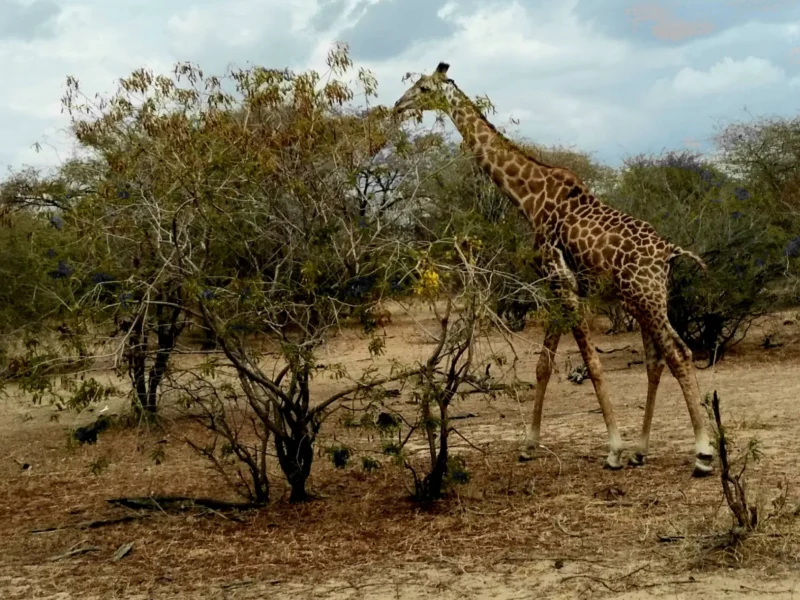
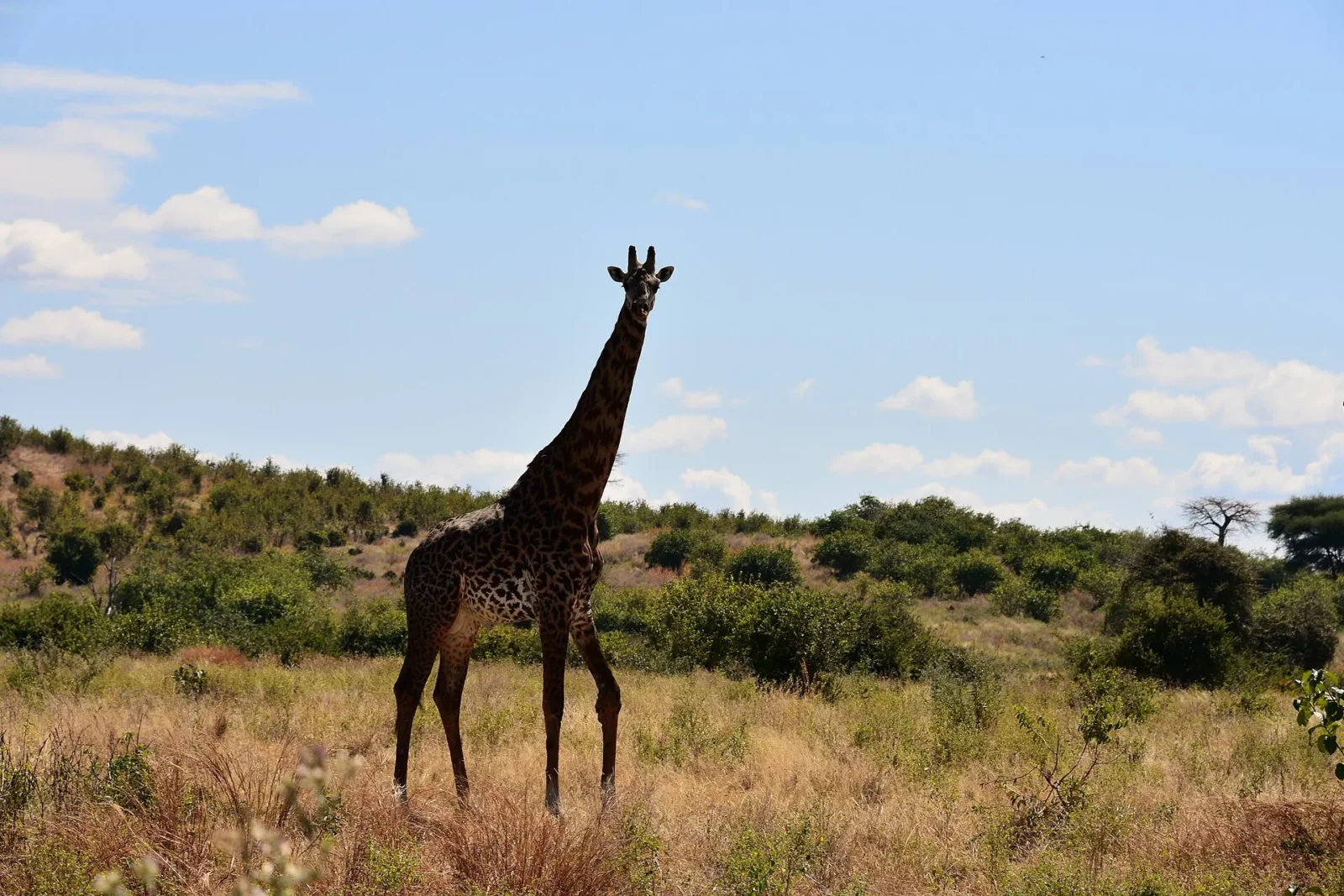
Ruaha lies where the ecosystems of East and southern Africa overlap. That means a remarkable mix of species:
- Big cats: large lion prides, leopards and cheetahs.
- Elephants: large herds along the river.
- Antelopes: greater and lesser kudu, sable and roan antelope, Grant’s gazelle and impala.
- Wild dogs: one of Tanzania’s important populations.
- Birds: hundreds of species, from hornbills to raptors.
The landscapes
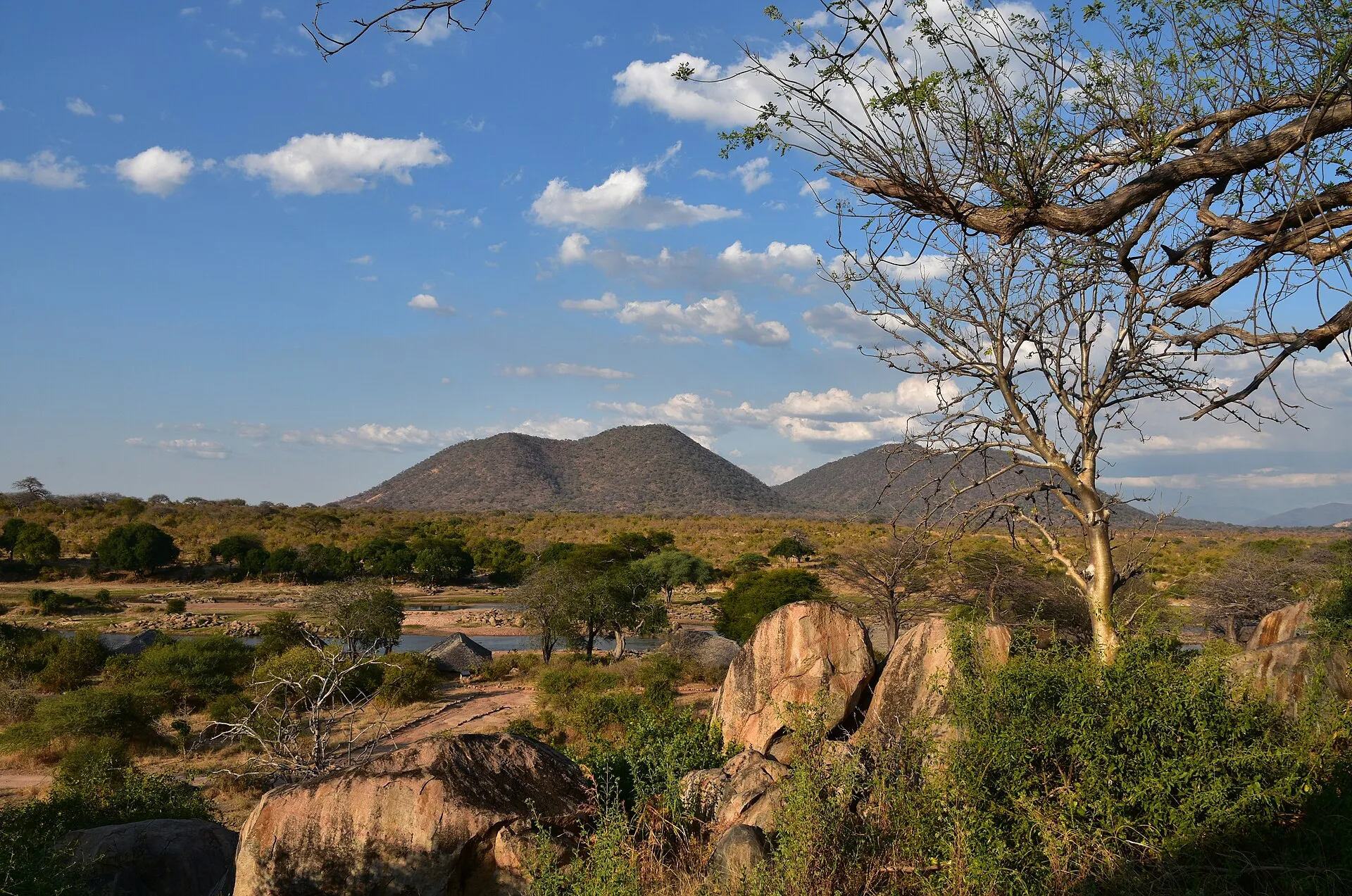
Baobabs as old as many centuries stand on the hills, and the sand rivers turn green after the rains. The scenery is dramatic in every season, from the dry gold of September to the lush green of February. Read southern Tanzania’s wild parks.
Things to do
- Game drives along the Great Ruaha and its sand rivers.
- Walking safaris with armed rangers.
- Birding, especially in the green season.
- Night drives where your camp is permitted to offer them.
A sample stay
Fly in from Dar es Salaam or Zanzibar and drive to your camp along the river. Spend early mornings looking for lions and elephants when they are most active, rest through the heat of the day, and head out again in the late afternoon. A morning walk with a ranger adds another perspective.
What to expect
Ruaha is hot by day and cool at night in the dry season. Distances inside the park are long, and camps are widely spaced, so you will often have sightings to yourself. Tsetse flies occur in wooded areas; wear neutral colours and use repellent.
Combining Ruaha with your trip
Ruaha pairs perfectly with Nyerere National Park for a southern circuit, ending on the beaches of Zanzibar. It also works as an extension to a northern circuit safari. Read how much a Tanzania safari costs and the best time to visit Tanzania, then get safari pricing.
Where to stay
Ruaha has a small number of camps and lodges, most along the Great Ruaha River or its sand rivers, from simple tented camps to comfortable lodges with river views. Because the park is so large, staying in two areas, for example near the river and in the quieter south, gives a fuller picture of its landscapes.
Practical tips
- Light-aircraft luggage limits are usually around 15 kg in soft bags.
- Long game drives are common, so bring a hat, sunscreen and a warm layer for early mornings.
- Combine Ruaha and Nyerere with flights to keep travel time short.
- Tsetse flies are common in wooded areas; neutral clothing and repellent help.
- Walking safaris are offered by several camps; book them when you reserve your stay.
Ruaha or the Serengeti?
The Serengeti is famous for the migration and big open plains; Ruaha offers rugged scenery, huge lion prides, kudu and very few vehicles. Many travellers who have seen the north choose Ruaha on their next trip.