Key takeaways
- Tanzania: calving season around Ndutu, usually January to March.
- Uganda and Rwanda: one of the driest months for gorilla trekking.
- Kenya: resident big cats, though the migration herds are in Tanzania.
- Zanzibar: hot, calm and mostly dry.
- Book 6–9 months ahead for early January.
Why January is one of the best months
January falls in East Africa’s short dry season, the gap between the short rains of November and the long rains that usually start in March. Across the region that means mostly dry days, green landscapes after the rains, clear skies for photography and good conditions on forest trails. It is also the start of the calving season in the southern Serengeti, one of the most dramatic wildlife events in Africa.
The first week is busy with New Year travellers, and prices at popular lodges reflect that. From the second week onwards the parks quieten noticeably, which makes mid to late January an excellent time to travel.
Tanzania: calving season in the southern Serengeti
From around January to March the wildebeest herds gather on the short-grass plains of the southern Serengeti and the Ndutu area of the Ngorongoro Conservation Area to give birth. Hundreds of thousands of calves are born over a few weeks, usually peaking in February, and the concentration of young animals draws lion, cheetah and hyena close.
- Where to stay: camps in the Ndutu area or the southern Serengeti, rather than the north, which is quiet at this time of year.
- Combine with: a full day on the Ngorongoro Crater floor and Tarangire, then fly to Zanzibar.
- Itinerary idea: Tarangire, Serengeti & Ngorongoro in 7 days, or 10 days with the beach.
Uganda and Rwanda: dry trails for gorilla trekking
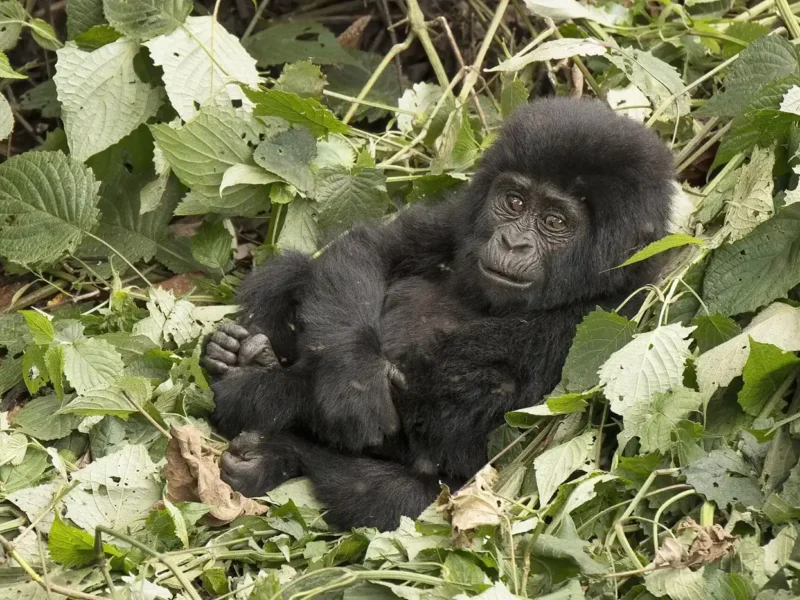
January is one of the drier months in the gorilla parks, so trails in Bwindi, Mgahinga and Volcanoes National Park are less muddy and treks are usually a little easier. It is also a good month for the rest of Uganda:
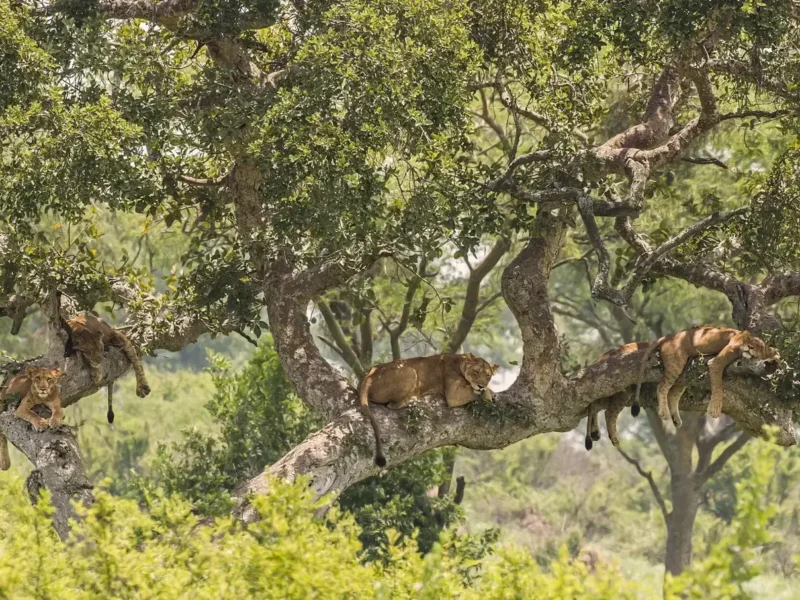
- Queen Elizabeth National Park: lions on the Kasenyi plains, the tree-climbing lions of Ishasha and the Kazinga Channel cruise.
- Murchison Falls: grass is shorter after the rains, making game viewing easier.
- Kibale: chimpanzee tracking in drier forest.
- Mabamba: the Shoebill is resident all year, and migrant birds from Europe are still present in January.
Because of New Year demand, book gorilla permits for early January well ahead. Our 8-day safari covers all of the above in one road loop.

Kenya: dry-season game viewing
The Great Migration is in Tanzania in January, not the Masai Mara, but Kenya is still excellent. The Mara’s resident lions, cheetahs and leopards stay all year, and January’s dry, clear weather is good for photography. Amboseli’s elephants are easy to find on the open plains, often with clear views of Kilimanjaro in the mornings.
Zanzibar: hot, mostly dry beach days
January is a popular time on Zanzibar: hot, humid and mostly dry, with calm seas that suit snorkelling at Mnemba Atoll. It makes an easy end to a Tanzanian safari, a short flight from the northern circuit. Expect beach temperatures around 30°C.
Weather and what to pack
- Uganda and Rwanda: warm days, typically mid to high 20s °C in the lowlands; nights in the gorilla highlands can drop close to 10°C.
- Serengeti and Ngorongoro: warm days on the plains; the crater rim is cold at dawn and in the evening.
- Rain: short showers are still possible anywhere, so carry a light waterproof.
Layers matter more than heavy clothing. See our packing list.
Booking a January safari
- Book six to nine months ahead for early January and the Ndutu calving camps.
- Gorilla permits for the first week of January sell out early.
- From mid-January, availability and prices are usually easier.
Not sure January suits you? Compare the months in our travel by month guide.
Birding in January
January is a strong month for birders. European and Asian migrants, such as waders, warblers and raptors, spend the northern winter in East Africa from about November to March, adding variety to resident specials. In Uganda, combine the Shoebill at Mabamba with forest birding in Bwindi and Kibale; in Tanzania, the short-grass plains hold large numbers of raptors following the calving herds.
A sample January journey (Uganda + Tanzania)
A ten- to twelve-day plan that uses January’s best of both countries:
- Days 1–2: arrive in Entebbe; dawn Shoebill trip at Mabamba.
- Days 3–5: Bwindi for gorilla trekking and the Batwa experience.
- Day 6: fly from Entebbe to Kilimanjaro.
- Days 7–10: Tarangire, the Ngorongoro Crater and the southern Serengeti calving grounds.
- Optional: three or four nights in Zanzibar to finish.
This is a tailor-made idea rather than a fixed departure; we price it for your dates and lodge style.
Frequently asked questions
Is January a good time for a safari in East Africa?
Yes. It falls in the short dry season, with calving in the southern Serengeti, good gorilla trekking conditions and dry beach weather in Zanzibar.
Where is the Great Migration in January?
In the southern Serengeti and Ndutu area of Tanzania, where the calving season usually runs from January to March.
Is January good for gorilla trekking?
Yes, it is one of the drier months, so trails are usually easier. Book permits early for the New Year period.
Is it rainy in January?
Mostly dry, but short showers can happen anywhere. Pack a light waterproof jacket.

Written by our Kampala-based planners and guides, who arrange these trips every season. Prices and rules are checked before every quote.