The four trekking sectors
Bwindi is entered from four gateways around the forest edge. Each has its own gorilla families, park office and lodges, and they are several hours apart by road, so the sector on your permit decides where you sleep.
| Sector | Location | Best for |
|---|---|---|
| Buhoma | North, near Kihihi airstrip | First-timers, the widest choice of lodges, waterfall and community walks |
| Ruhija | East, high ridge | Birding, cooler air, fewer visitors |
| Rushaga | South, near Kisoro | The most families, the habituation experience, easy access from Rwanda |
| Nkuringo | South-west | Views of the Virunga volcanoes, a tougher trek |
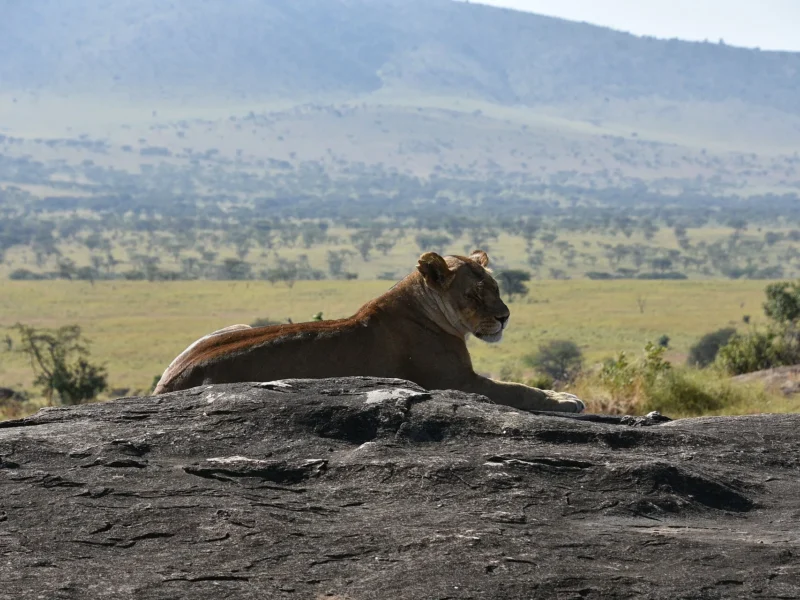
If you are combining Bwindi with Queen Elizabeth National Park, Buhoma is the natural choice because it links with the Ishasha sector and its tree-climbing lions. If you are flying into Kigali or adding Lake Bunyonyi, the southern sectors save hours of driving.
What a trekking day looks like
Breakfast is early. You arrive at the sector office by 7:30am for a briefing, where rangers assign visitors to families based on fitness and age. Each family can be visited by a maximum of eight people a day. After the briefing you drive to the trailhead and walk with an armed ranger and the guide, while trackers radio the family’s position.
The walk can take one hour or six. Families range widely, and the forest itself is the challenge: steep ridges, wet clay, roots and vines. Once you reach the gorillas you leave bags and sticks with the porters, put on a face mask and spend one hour with the group, keeping at least 10 metres away, as Uganda Wildlife Authority rules require. Then you walk back out, usually by early afternoon, and receive a trekking certificate.
Hire a porter even if you feel strong. For about US$20 they carry your bag, give you a hand on the steep sections and earn an important income in villages around the park.
Permits and costs
A gorilla permit in Bwindi costs US$800 for foreign non-residents in 2026, or US$600 on fixed dates in April, May and November. The four-hour gorilla habituation experience in Rushaga costs US$1,500. Permits are limited and sell out months ahead for June to September and December to February, so we secure them as soon as your dates are confirmed. See our gorilla permit guide for the full rules and our safari cost guide for what a complete trip costs.
Beyond the gorillas
- Birds: about 350 species, including 23 of the Albertine Rift endemics such as African green broadbill, Rwenzori turaco and handsome francolin. Ruhija’s swamp trail is one of East Africa’s best birding walks. See Albertine Rift endemics in Bwindi.
- Other primates: L’Hoest’s monkeys, black-and-white colobus and blue monkeys are common along the forest edge.
- Culture: the Batwa cultural experience is led by the forest’s original inhabitants, and the Buhoma community walk visits farms, a healer and a local brewer.
- Waterfall trail: a half-day walk from Buhoma into the forest to three cascades, ideal on the afternoon before or after your trek.
Where to stay
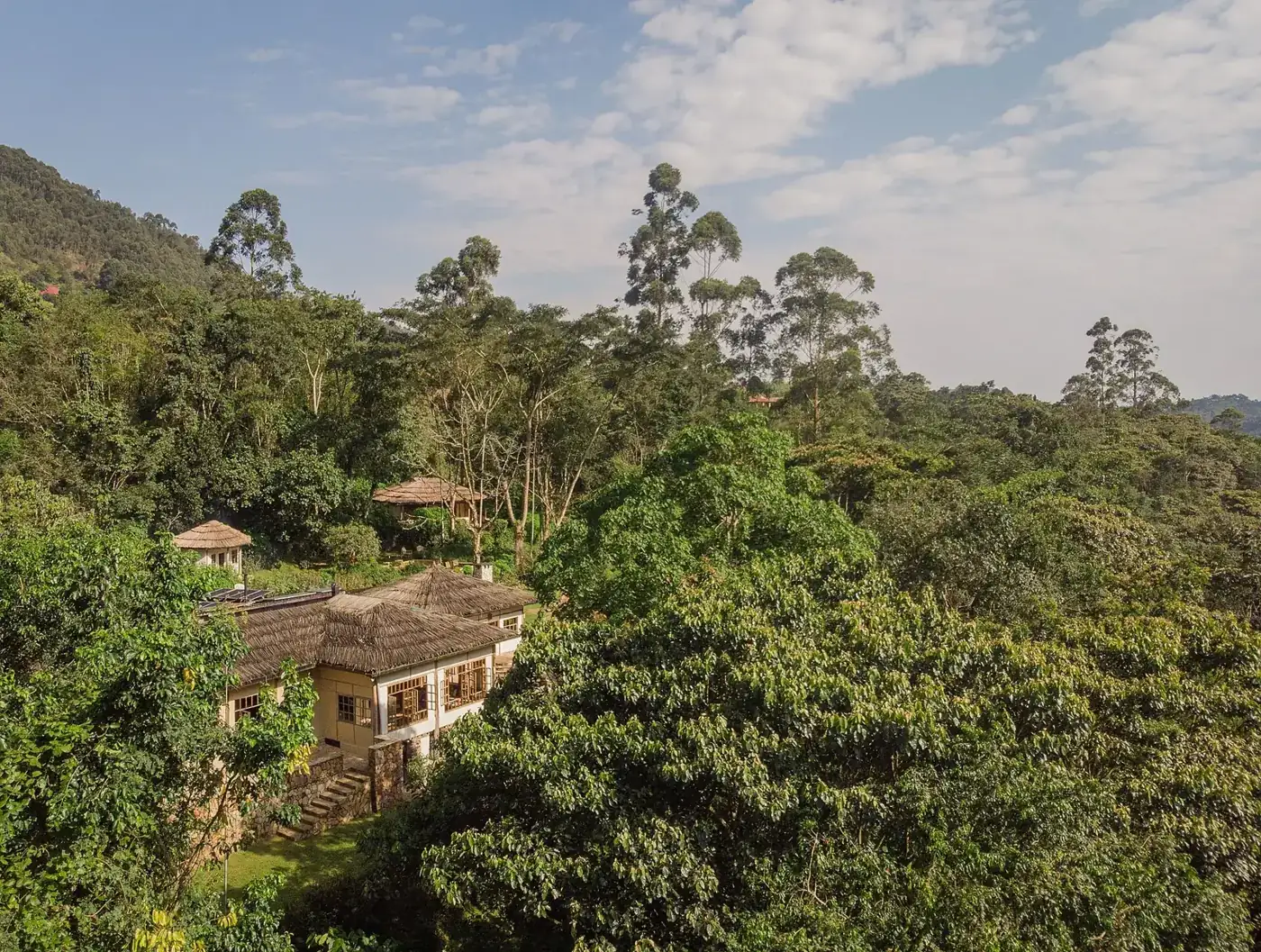
Every sector has lodges from simple community guesthouses to high-end forest lodges, and most are within 15 minutes of the park office. In Buhoma we use the community-run Ride 4 A Woman guesthouse on our budget trips and Bwindi Lodge as an upgrade. Nights are cool at this altitude, so expect fireplaces and hot-water bottles rather than air conditioning.
How long to stay
Two nights is the minimum, so you arrive the day before your trek. Three nights lets you add a forest walk, the Batwa experience or a second gorilla trek. Our 4-day shoebill and gorilla safari is the shortest way to see Bwindi by road, and the 8-day gorilla, wildlife and primates safari combines it with Lake Mburo, Queen Elizabeth and Kibale.