Dusk 2 Dawn Explorers Co. Limited Free quote in 24 hoursPlan my safari
Big game & migration
Kenya · Park guide

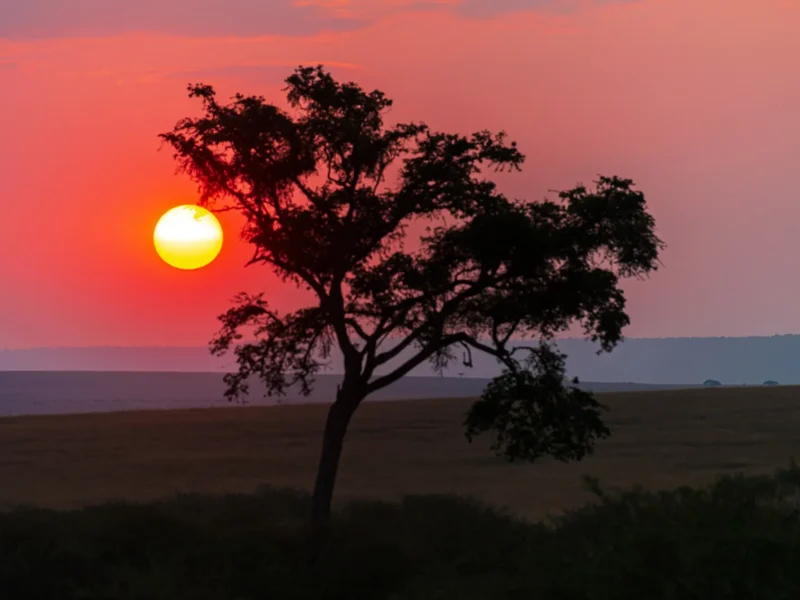
Masai Mara, Africa’s great stage

Kenya’s most famous reserve, an endless sweep of grassland where the Great Migration crosses the Mara River and lions, leopards and cheetahs hunt in plain sight.

AreaAbout 1,510 km² (plus conservancies)
MigrationMainly July to October
Entry 2026US$200 Jul–Dec, US$100 Jan–Jun
From Nairobi45-min flight or 5–6 hours by road
Overview

Why the Masai Mara?

Quick answer

The Masai Mara National Reserve covers about 1,510 km² of grassland in south-west Kenya, bordering Tanzania’s Serengeti. It is famous for the Great Migration (river crossings mainly July to October) and Africa’s highest density of big cats. Non-resident entry costs US$200 per day from July to December and US$100 from January to June. Plan 3–4 nights.

The Masai Mara is the northern tip of the Serengeti ecosystem. Rolling grasslands dotted with acacia and croton bush stretch to the Oloololo escarpment, and the Mara and Talek rivers wind through the plains. The reserve is managed by Narok County, and it is surrounded by community conservancies leased from Maasai landowners, which together protect a much larger area.

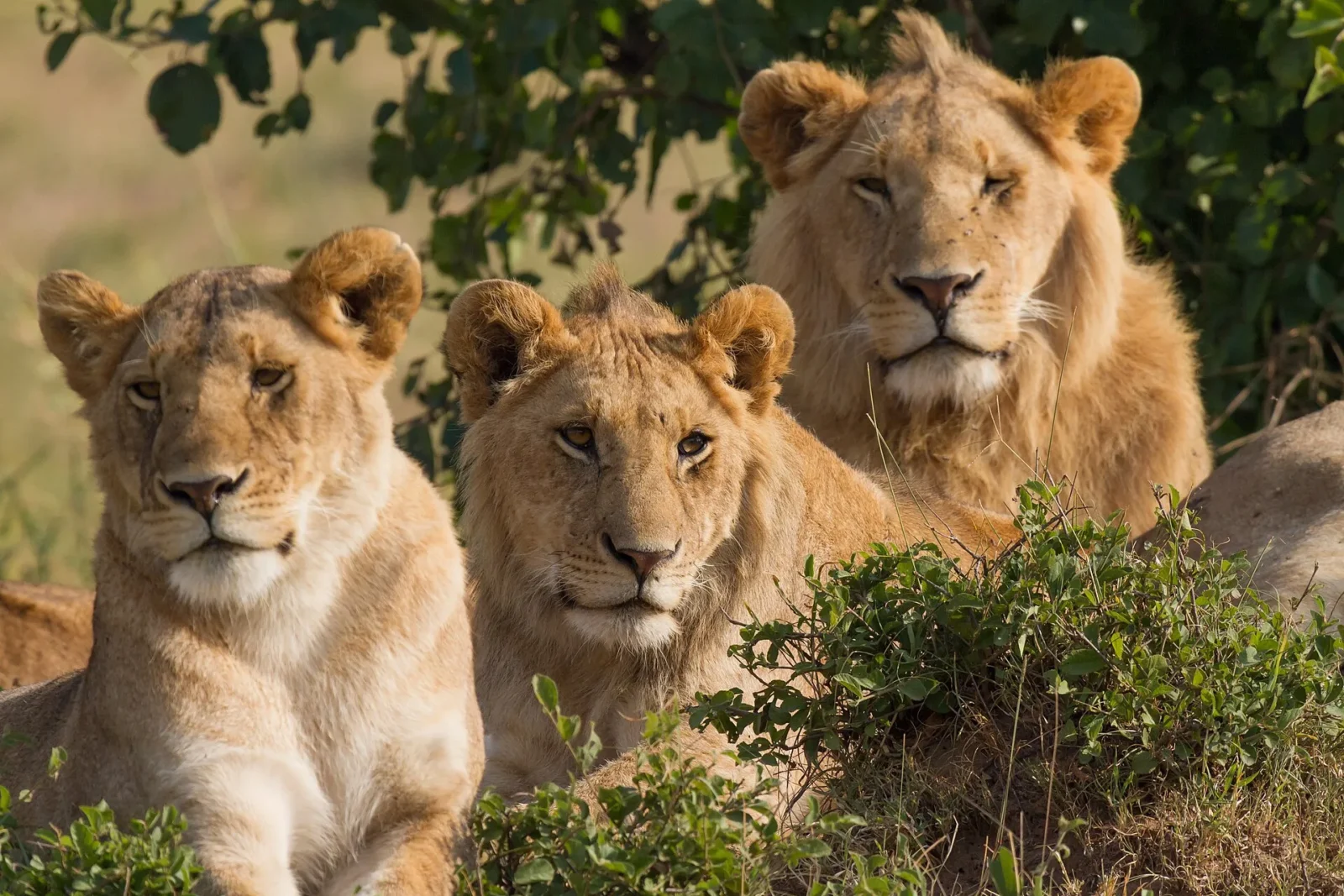
The Mara has the highest concentration of predators in Africa. Lions, cheetahs, leopards, hyenas and jackals are all part of daily game drives, and the drama peaks when the Great Migration arrives.

Pride of lions resting together in the Masai Mara, Kenya
Talk to a Masai Mara National Reserve specialistWhatsApp +256 709 780 625

The Great Migration

Each year around 1.5 million wildebeest, plus hundreds of thousands of zebra and gazelle, follow the rains in a loop between the Serengeti and the Mara. They usually arrive in the Mara in July and stay until October, crossing the crocodile-filled Mara River back and forth. Read Great Migration river crossings for how crossings work and how to see one, and the Great Migration month by month for the full cycle.

Big cats

The Mara is one of the best places in Africa to watch predators hunt. Prides of lions such as those around the Marsh and Paradise plains have been followed by filmmakers for decades. Cheetahs use termite mounds and vehicles as lookouts, and leopards rest in the riverine forest. Hyenas and black-backed jackals are always nearby.

Conservancies

Surrounding the reserve are conservancies where Maasai landowners lease land to tourism camps. They limit the number of vehicles, and guides can drive off-road, walk with guests and run night drives. Staying in a conservancy gives a more private experience, while the main reserve offers the river crossings. Many travellers combine two camps.

Hot-air balloon safaris

A hot-air balloon flight over the Masai Mara at sunrise lifts you over the plains as herds spread out below, followed by a champagne bush breakfast. Flights run all year and need booking in advance.

The Maasai

The Maasai live around the reserve, and many guides and camp staff are Maasai. A Maasai village visit introduces their culture, homes and cattle-centred life.

Where to stay

The Mara has accommodation for every budget, from simple tented camps outside the gates to some of Africa’s most famous luxury camps. Inside the reserve, camps near the Mara River give the best access to crossings. In the conservancies, small camps of 6–12 tents offer privacy and walking. Seasonal mobile camps follow the migration from July to October.

Game-drive tips

  • Leave at sunrise, when cats are most active and the light is soft.
  • Take a full day with a picnic lunch in migration season to wait at the river; crossings can happen at any hour.
  • Keep your voice low at sightings and let your guide position the vehicle for light and space.

Combining the Mara

The Mara pairs naturally with gorillas in Uganda (a short flight via Entebbe or Nairobi) and with the Serengeti. Our 10-day Uganda gorillas and Masai Mara safari does exactly that, and the 5-day Masai Mara Great Migration safari focuses on the crossings. For Kenya as a whole, see our Kenya guide.
Practical information

Getting to and around Masai Mara National Reserve

Full travel essentials
By airDaily scheduled flights from Nairobi’s Wilson Airport to Mara airstrips take about 45 minutes; flights also connect with Amboseli, Samburu and Kilimanjaro.
By roadAbout 270 km from Nairobi, 5–6 hours, partly on rough roads.
FeesNarok County reserve fee US$200 per adult per day July–December and US$100 January–June; children 9–17 pay US$50. Conservancies set their own fees, usually included in camp rates.
Reserve or conservancy?The reserve has the river crossings; the private conservancies on its borders limit vehicles and allow walks, night drives and off-road driving.
When to go

The best time to visit Masai Mara National Reserve

July to October is migration season, with herds of wildebeest and zebra on the plains and dramatic crossings of the Mara River. It is also the busiest and most expensive time. January to March is dry and quieter, with excellent big cat viewing. April and May are the long rains, when some camps close but rates are lowest.

PeakGoodGreen / wet season
Journeys

Masai Mara National Reserve itineraries

Use these as a starting point. Every trip is private and adjusted to your dates, budget and pace.

All holidays
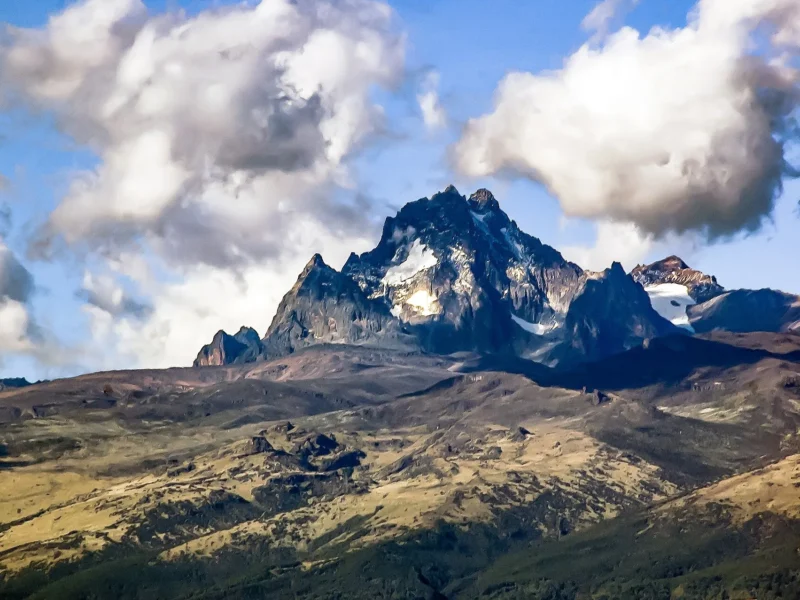
The jagged peaks of Mount Kenya above the moorland Adventure 6 days
Kenya · Mount Kenya

6-Day Mount Kenya Trek: Sirimon–Chogoria Route

Africa’s second-highest mountain, with far fewer people than Kilimanjaro: up through the Mackinder Valley to the foot of the jagged peaks, sunrise on Point Lenana, and down the dramatic lakes and gorges of the Chogoria side.

  • Trekking
  • Mount Kenya
  • Adventure
Tailor-madePrice on request
See the plan →
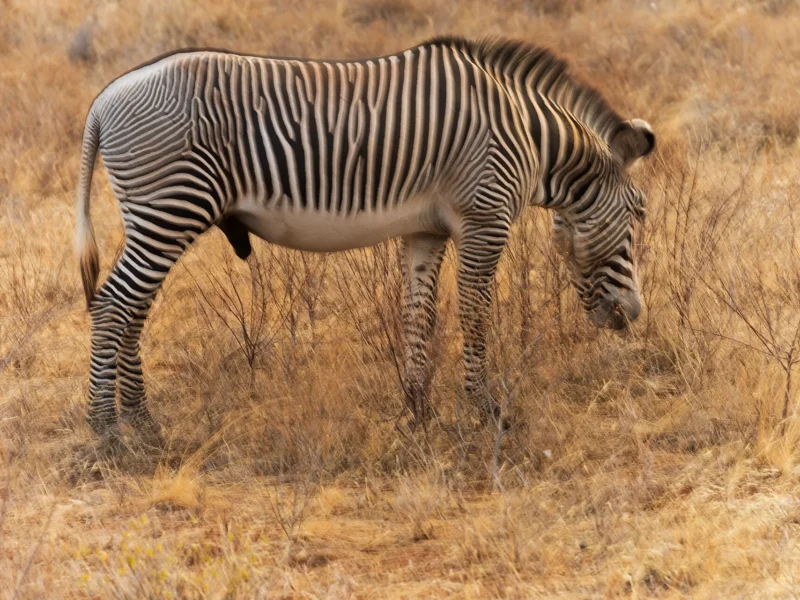
Male Grevy's zebra with fine narrow stripes in Samburu National Reserve, Kenya Wildlife 5 days
Kenya · Laikipia & Samburu

5-Day Samburu and Ol Pejeta Safari

Rhinos on the Laikipia plateau, then the dry, beautiful north where reticulated giraffes, Grevy’s zebras and gerenuks gather along a palm-lined river: Kenya beyond the Mara, in five days.

  • Rhinos
  • Big game
  • Northern species
  • Culture
Tailor-madePrice on request
See the plan →
Mara Sunset Signature 18 days
Uganda, Rwanda, Kenya & Tanzania

18-Day East Africa Grand Safari: Uganda, Rwanda, Kenya & Tanzania

The ultimate East African journey across four countries: chimps and gorillas in Uganda, golden monkeys in Rwanda, the Masai Mara in Kenya and the Serengeti and Ngorongoro Crater in Tanzania.

  • Gorillas
  • Big cats
  • Migration
  • Four countries
Tailor-madePrice on request
See the plan →
Mountain gorilla mother resting with her infant in Bwindi forest Signature 10 days
Uganda & Kenya

10-Day Uganda Gorillas & Masai Mara Safari

The best of both worlds: chimpanzees, savannah and mountain gorillas in Uganda, then a short flight to Kenya for three nights among the big cats and great herds of the Masai Mara.

  • Gorillas
  • Chimpanzees
  • Big cats
  • Two countries
Tailor-madePrice on request
See the plan →
Mara Sunset Signature 12 days
Kenya & Tanzania

12-Day Kenya & Tanzania Safari: Masai Mara, Serengeti & Ngorongoro

The great migration ecosystem from both sides: Lake Nakuru and the Masai Mara in Kenya, Amboseli beneath Kilimanjaro, then the Serengeti, the Ngorongoro Crater and Tarangire in Tanzania.

  • Migration
  • Big cats
  • Two countries
Tailor-madePrice on request
See the plan →
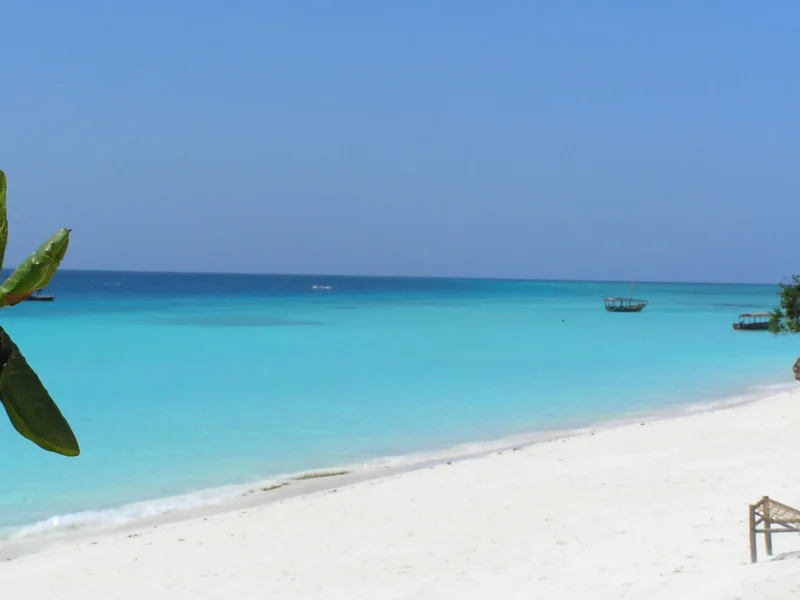
White sand and turquoise water at Nungwi beach, Zanzibar Signature 15 days
Kenya, Tanzania & Zanzibar

15-Day Kenya, Tanzania & Zanzibar Safari

Safari and beach across East Africa: the Masai Mara and Amboseli, the Serengeti and the Ngorongoro Crater, then a flight to Zanzibar for Stone Town and the beach.

  • Big cats
  • Beach
  • Honeymoon
  • Two countries
Tailor-madePrice on request
See the plan →
Where you’ll stay

Lodges in Masai Mara National Reserve

All lodges
Beach banda cottage at Nomad Beach Resort, Diani Mid-range
Diani Beach, south coast, Kenya

Nomad Beach Resort (formerly The Sands at Nomad)

A beachfront hotel on Diani Beach with forest-view rooms, ocean-view rooms and thatched beach cottages furnished in Swahili style.

Diani Beach · Mid-range
Park-facing room at Ole Sereni Hotel, Nairobi Mid-range
Nairobi, Kenya

Ole Sereni Hotel

A Nairobi hotel bordering Nairobi National Park, with views over the park and a waterhole from the terrace, pool and many rooms.

Nairobi · Mid-range
Rothschild's giraffes at the windows of Giraffe Manor, Nairobi Luxury
Nairobi, Kenya

Giraffe Manor

A 1930s manor on the edge of Nairobi’s forest, where endangered Rothschild’s giraffes wander the lawns and visit guests at breakfast.

Nairobi · Luxury
Good to know

Masai Mara National Reserve safari questions

When is the best time to see the migration in the Masai Mara?

Usually from July to October, with river crossings most frequent in August and September. Timing changes each year with the rains, so a stay of three or four nights improves your chances of seeing a crossing.

How much does it cost to enter the Masai Mara?

In 2026 non-resident adults pay US$200 per person per day from July to December and US$100 from January to June. Children aged 9–17 pay US$50; under 9s enter free.

Should I stay in the reserve or a conservancy?

Ideally both. The main reserve gives access to the Mara River crossings; conservancies such as Naboisho, Olare Motorogi and Mara North offer exclusive game viewing, walks and night drives with far fewer vehicles.

Can I see the Big Five in the Masai Mara?

Lions, leopards, elephants and buffalo are seen on most safaris. Black rhinos live in the Mara Triangle and near the Tanzanian border but are rarely seen.

How many days do I need?

Three nights is a good minimum; four or more in migration season gives you time to wait at the river for a crossing.

Tailor-made, from dusk to dawn

Plan your Masai Mara National Reserve safari

Tell us your dates and interests and a specialist will send a tailor-made itinerary with a clear price within 24 hours.

Get my safari price WhatsApp a specialistNo booking fee · Reply within 24 hours