The best places to see African wild dogs in East Africa are Tanzania’s Nyerere National Park, which holds one of Africa’s largest populations, and Ruaha National Park, followed by Kenya’s Laikipia plateau, where packs have recovered since the early 2000s. Sightings are also possible in Samburu and occasionally in the northern Serengeti. In Uganda wild dogs are very rarely seen, and Rwanda has none. Wild dogs range widely, so even in the best areas sightings are never guaranteed.
Key takeaways
- Nyerere and Ruaha in southern Tanzania give the best chances.
- Kenya’s Laikipia plateau has growing wild dog populations.
- Fewer than about 7,000 wild dogs remain in Africa; they are endangered.
- Packs hunt cooperatively and are among the most successful predators in Africa.
- June to October, when packs den, is the best time to look.
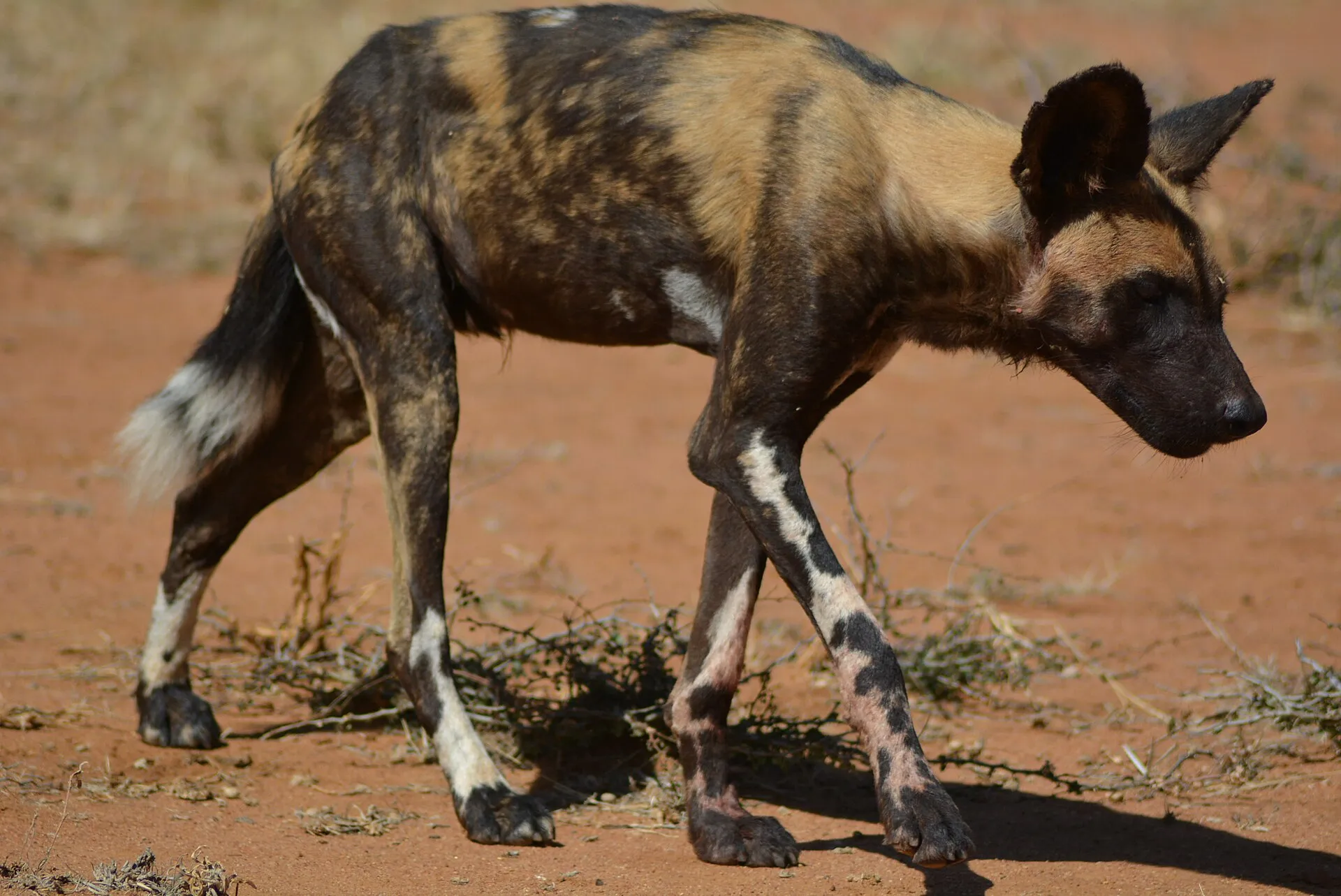
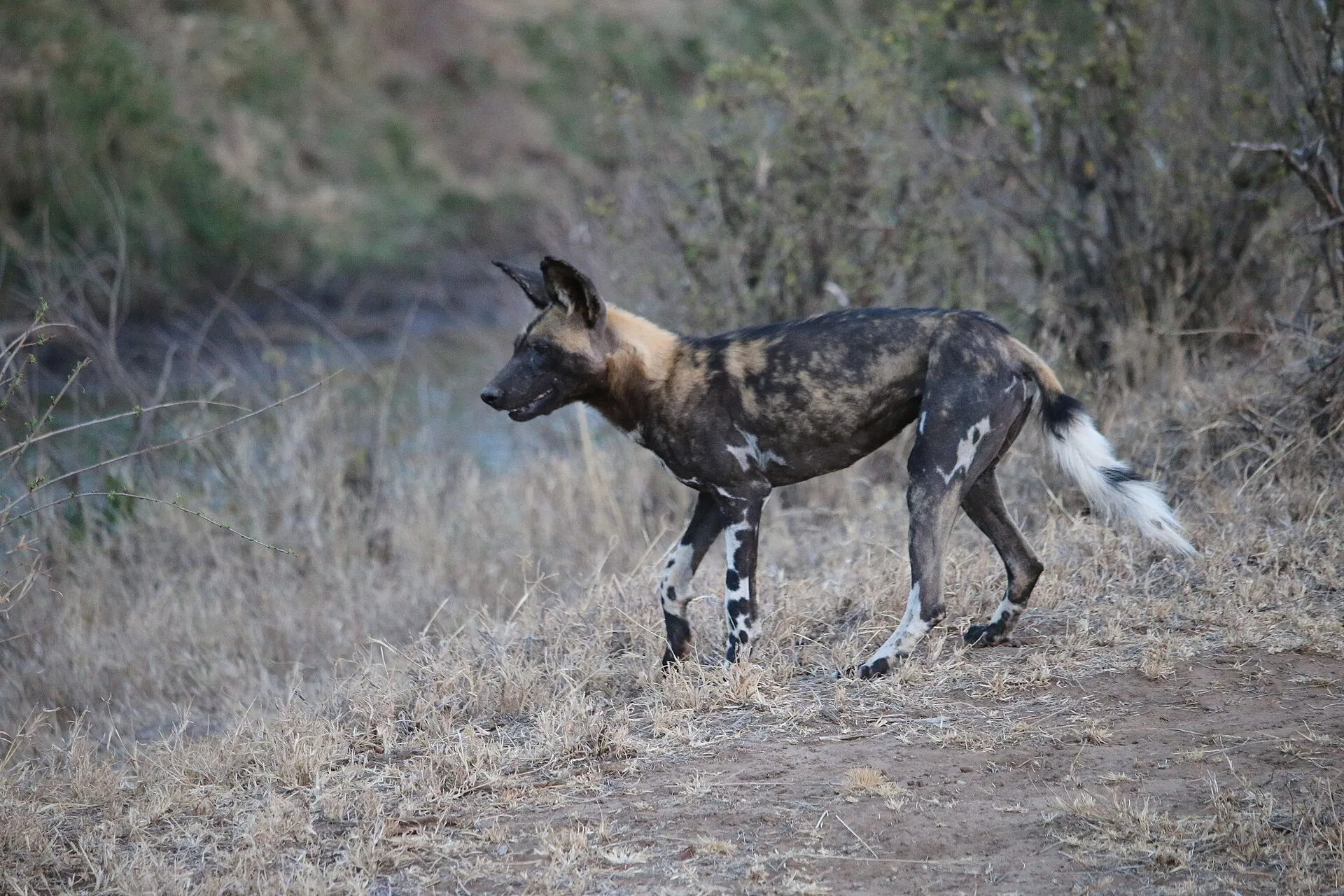
African wild dogs, also called painted wolves or painted dogs, are among the most social and successful predators in Africa, yet they are also among the rarest. Each dog has a unique coat of black, brown, yellow and white patches, and a pack on the move, twittering and calling, is one of the most thrilling sights a safari can offer.
Where to see wild dogs
- Nyerere National Park, Tanzania: the former Selous holds one of the most important wild dog populations in Africa, and camps along the Rufiji often follow packs. See Nyerere National Park.
- Ruaha National Park, Tanzania: packs roam the river valleys and miombo woodland. See Ruaha National Park.
- Laikipia, Kenya: wild dogs returned to the plateau around 2000 and are now seen regularly in some conservancies. See Ol Pejeta and Laikipia.
- Samburu, Kenya: occasional sightings in the dry north.
- Serengeti, Tanzania: packs have been seen again in the north and around Loliondo, but sightings remain rare.
- Uganda: wild dogs have been recorded in Kidepo and Queen Elizabeth over the years, but sightings are very rare.
Our southern Tanzania safari is designed around the best wild dog country.
Pack life
Wild dogs live in packs, usually led by a dominant breeding pair, with the other adults helping to raise the pups. They hunt together, share food and look after sick or injured members. When the pack returns from a hunt, adults regurgitate meat for the pups and for the dogs that stayed behind to guard them.
Before a hunt, packs hold noisy greeting ceremonies, and research in Botswana found that dogs ‘vote’ on whether to set off by sneezing: the more sneezes, the more likely the pack is to move.
How wild dogs hunt
Wild dogs hunt mostly in the early morning and evening, chasing impala, gazelles and other antelopes over long distances. Rather than relying on a short sprint like a cheetah, they run their prey to exhaustion, keeping in contact with calls. Their success rate is far higher than that of lions, and a pack can bring down prey much larger than a single dog.
Why wild dogs are endangered
Fewer than about 7,000 African wild dogs survive. They have vanished from most of their former range because they need enormous territories, often hundreds of square kilometres per pack, and they come into conflict with livestock farmers. Diseases from domestic dogs, especially rabies and canine distemper, can wipe out whole packs. Conservation projects vaccinate domestic dogs and work with communities to protect packs outside parks.
wild dogs often rest in the shade by mid-morning. Head out at first light, when packs are active and on the move.
Tips for seeing wild dogs
- Choose the dry season, especially the denning months from June to September.
- Stay at least three nights in Nyerere or Ruaha to give yourself time.
- Ask your camp about recent sightings; guides share information about pack movements.
- Bring a camera with a fast shutter: wild dogs rarely stay still.
Remarkable wild dog facts
- Wild dogs have only four toes on each foot, unlike domestic dogs, which have five on their front feet.
- Their scientific name, Lycaon pictus, means ‘painted wolf’.
- Pups first leave the den at around three weeks old, and the whole pack helps feed them.
Frequently asked questions
Where is the best place to see wild dogs in East Africa?
Nyerere National Park in southern Tanzania, followed by Ruaha and Kenya’s Laikipia plateau.
Are wild dogs the same as hyenas?
No. Wild dogs belong to the dog family; hyenas belong to their own family. Wild dogs are smaller and slimmer, with mottled coats and white-tipped tails.
Are wild dogs dangerous to people?
There are almost no records of wild dogs attacking people. They are shy and usually move away from vehicles.
Why are wild dogs endangered?
They need huge ranges and come into conflict with farmers. Diseases caught from domestic dogs, such as rabies and distemper, and road deaths have also caused heavy losses.
When is the best time to see wild dogs?
During the denning season, roughly June to September, packs stay in one area while the pups are small, making them easier to find.

Written by our Kampala-based planners and guides, who arrange these trips every season. Prices and rules are checked before every quote.