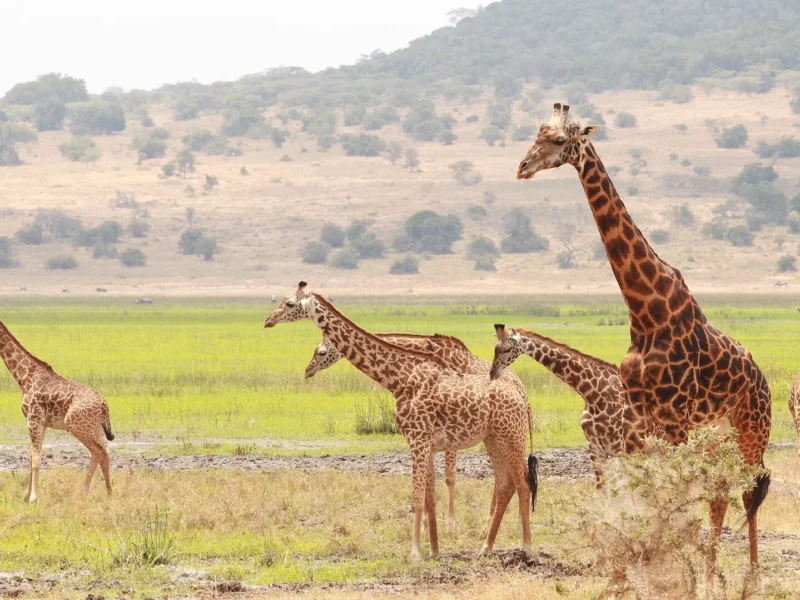
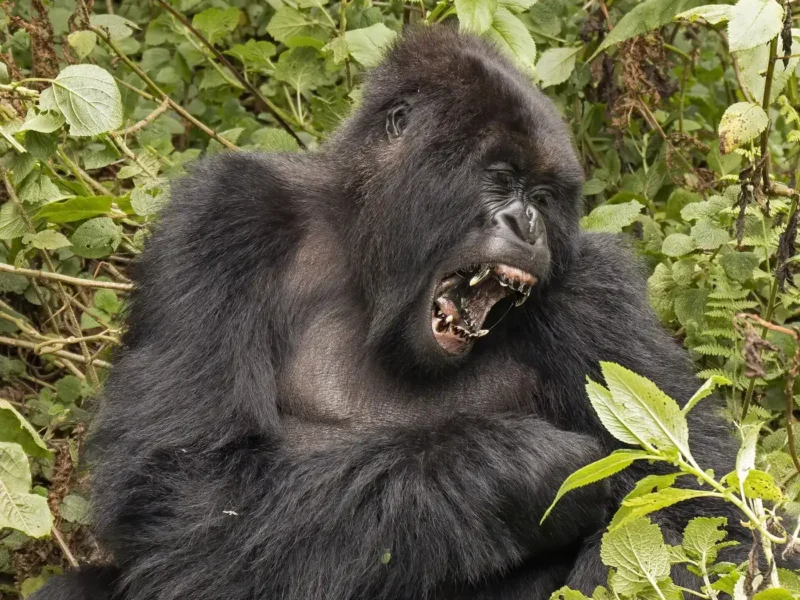
Akagera National Park is a savannah park in eastern Rwanda, about 2.5–3 hours from Kigali. Since African Parks began managing it with the Rwanda Development Board in 2010, lions (2015), black rhinos (2017) and white rhinos (2021 and 2025) have been reintroduced, making it a Big Five park. Visitors enjoy game drives, a boat trip on Lake Ihema and night drives.
Key takeaways
- Rwanda’s only savannah Big Five park.
- Lions returned in 2015, rhinos from 2017.
- Boat trips on Lake Ihema.
- Entry US$100 per day.
Akagera borders Tanzania, with a chain of lakes and swamps along its eastern edge and rolling savannah to the west. By the early 2000s much of its wildlife had been lost, but a partnership between African Parks and the Rwanda Development Board turned it around.
The Big Five
- Lions, reintroduced in 2015, have thrived.
- Black rhinos, returned in 2017 and 2019.
- White rhinos, introduced in 2021, with a large translocation of 70 more in 2025.
- Elephants and buffalo, which survived in the park.
- Leopards, shy but present.
Lake Ihema boat trip
The boat trip on Lake Ihema passes hippos, crocodiles and huge numbers of waterbirds, including African fish eagles and, with luck, the shoebill. See boat safari on Lake Ihema.
When to go
The dry seasons, June to September and December to February, are best for game viewing, when animals gather near the lakes. The wetter months bring green scenery and birdlife.
Good to know
- Entry is US$100 per person per day.
- Two nights in Akagera or Nyungwe from November to May qualifies you for the 30% gorilla permit discount; see Rwanda gorilla permit discounts explained.
- Night drives and behind-the-scenes conservation experiences are available.
- Bring binoculars for the lakes.
Who it suits
Akagera suits travellers who want a complete Rwanda safari, with gorillas, forest primates and savannah wildlife in one country. It also suits families and anyone looking for a quiet Big Five park.
A typical stay
Leave Kigali early to arrive for a morning game drive in the south of the park, then take the Lake Ihema boat trip in the afternoon when hippos and birds are active. On the second day, drive north to the open plains, where giraffes, zebras, rhinos and lions are more often seen. Night drives and a behind-the-scenes conservation tour are also available.
A conservation success
No rhinos have been lost to poaching since their return, and the park now covers its running costs largely from tourism. Your visit directly supports this work.
Akagera’s comeback
In the late 1990s, much of Akagera’s land was given to returning refugees after the 1994 genocide, and the park was reduced to about 1,122 km². Wildlife suffered from poaching and conflict with livestock. In 2010, African Parks and the Rwanda Development Board took over management. They built a fence along the western boundary, trained rangers, and reintroduced lions, rhinos and other species. Today, Akagera is one of Africa’s great conservation success stories.
Where to stay
Akagera offers a range of options: lakeside lodges, tented camps in the north, seasonal bush camps and campsites. Staying in the north puts you closer to the plains, while lodges near Lake Ihema are convenient for the boat trip.
Game drives
The southern part of the park is hilly and wooded, with lakes and swamps. The north is open savannah, where giraffes, zebras, buffalo and lions are seen. Rhinos are often found in the north and centre. A full day allows you to explore both.
Getting there
Akagera is about 2.5–3 hours from Kigali by road. It combines well with Volcanoes National Park for a complete Rwanda safari.
Other wildlife
Akagera is home to topi, impala, eland, roan antelope, Defassa waterbuck, giraffes, zebras and hippos, as well as more than 480 bird species, including the shoebill in the papyrus swamps.
Who it suits
Families, first-time visitors and anyone wanting savannah wildlife after gorillas.
Akagera or the classic savannah parks?
Akagera’s wildlife density is lower than in the Serengeti or the Masai Mara, but it offers a quieter experience, beautiful lakes and the satisfaction of seeing a conservation success story. For travellers already in Rwanda for gorillas, it adds a savannah safari without flying to another country, and it fits easily into an itinerary of a week or less.
Plan it
Our 3-day Akagera National Park safari is a short option, and 8 days in Rwanda’s forests, lakes and savannah combines it with gorillas.
Frequently asked questions
Can I see the Big Five in Akagera?
Yes, although leopards are shy and rhinos take patience.
How far is Akagera from Kigali?
About 2.5–3 hours by road.
Does Akagera help with the gorilla permit discount?
Yes, from November to May with at least two nights in Akagera and/or Nyungwe.
Is one night enough?
Two nights give more game drives and the boat trip.
Who manages Akagera?
African Parks, in partnership with the Rwanda Development Board, since 2010.

Written by our Kampala-based planners and guides, who arrange these trips every season. Prices and rules are checked before every quote.