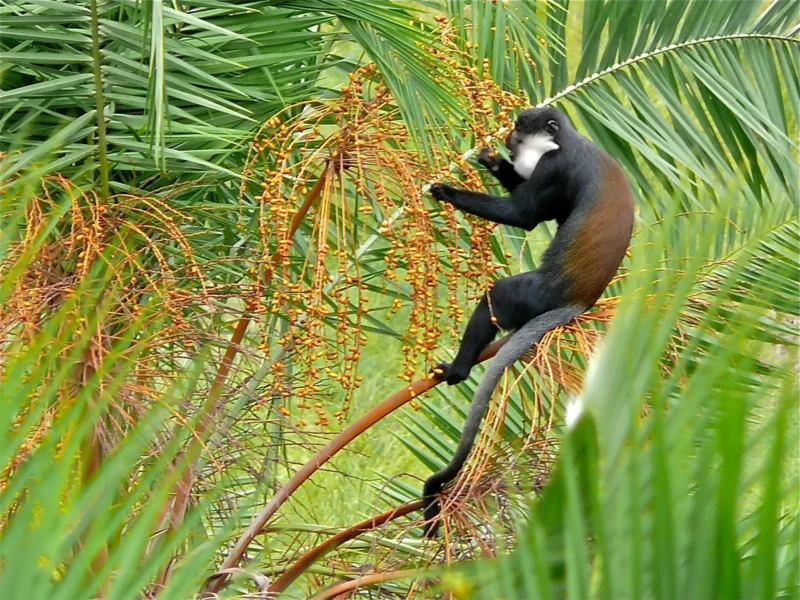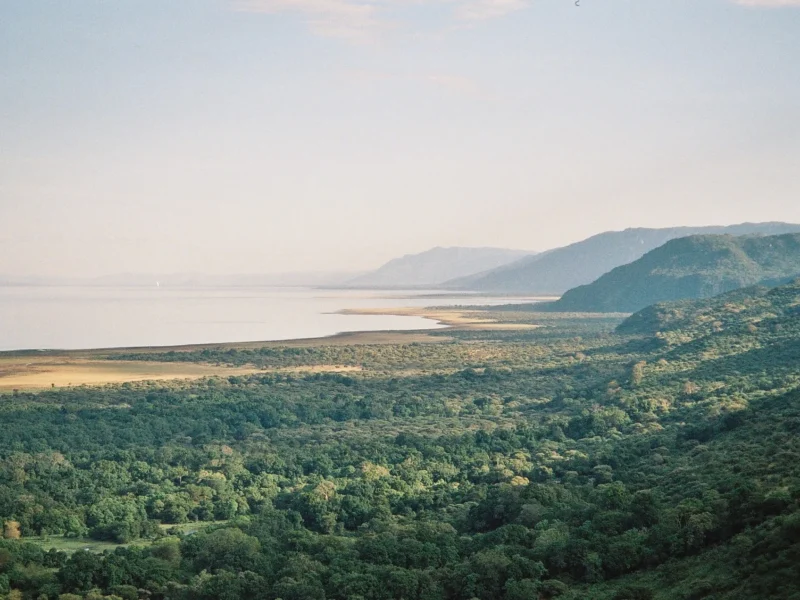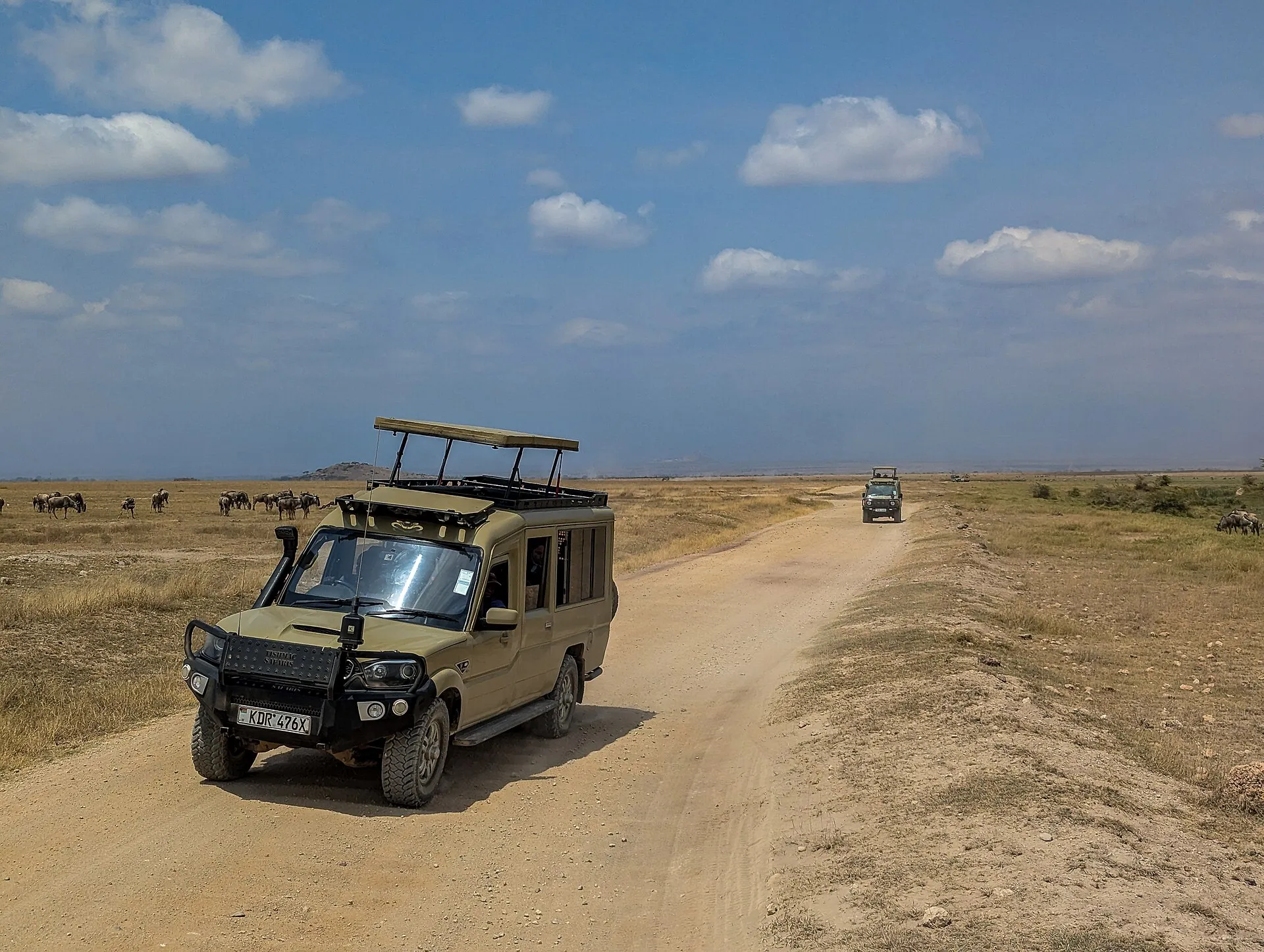
For a first safari in East Africa, plan 7–10 days, choose one or two countries, and decide what matters most: gorillas and primates (Uganda or Rwanda) or big cats and great herds (Kenya or Tanzania). Many first-timers combine both. June to October is the driest and most popular time, and a private vehicle with an experienced driver-guide makes the biggest difference to the experience.
Key takeaways
- Choose between primates (Uganda, Rwanda) and savannah (Kenya, Tanzania), or combine them.
- 7–10 days is ideal for a first trip.
- June to October and December to February are the driest months.
- A private vehicle and good guide matter more than luxury lodges.
- Book gorilla permits first if gorillas are on your list.
A first safari is exciting and a little daunting: so many countries, parks and options. The good news is that East Africa is one of the easiest and most rewarding places to start, and a few decisions make planning simple.
Step 1: decide what you most want to see
- Gorillas and chimpanzees: Uganda and Rwanda. Uganda adds savannah parks and boat trips, so you can see primates and big game on one road trip. Read our gorilla trekking guide.
- Big cats and the great herds: Kenya’s Masai Mara and Tanzania’s Serengeti, with the Great Migration as the headline.
- Both: fly between Uganda and Kenya or Tanzania for the ultimate combination.
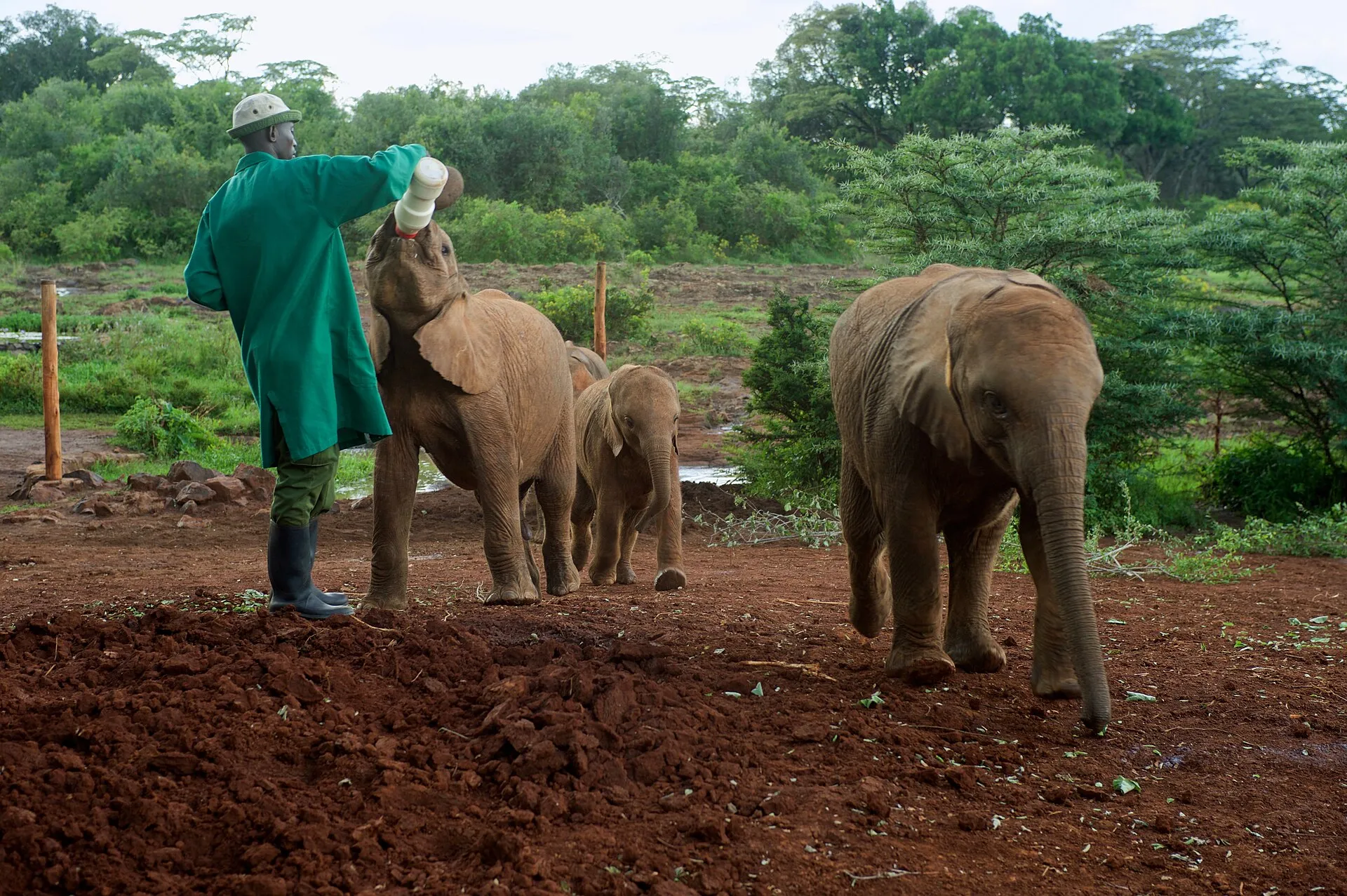
Step 2: choose how long
Seven to ten days is ideal for a first trip. It gives you two or three parks with two nights in most places, which avoids rushing. Shorter trips work well for gorillas only; longer trips can add a beach in Zanzibar or a second country.
Step 3: pick your season
June to October is the long dry season: excellent wildlife viewing and comfortable trekking, but higher demand. December to February is the second dry season. The rainy months are greener, quieter and cheaper, with Uganda’s gorilla permits dropping to US$600 in April, May and November. See our travel by month guide.
What a day on safari looks like
Days start early, often with coffee at dawn and a game drive when animals are most active. You return for brunch and a rest during the heat of the day, then head out again in the late afternoon until sunset. In Uganda and Rwanda, trekking days start with a briefing at the park office and a walk into the forest. Evenings are spent around the fire, sharing the day’s sightings.
What makes the biggest difference
- Your guide. An experienced driver-guide finds animals, explains what you are seeing and handles every detail.
- A private vehicle. You choose how long to stay at each sighting and travel at your own pace.
- The right pace. Two nights in a place beats one night in more places.
First-timer tip: Bring binoculars for everyone in your group. They turn distant specks into elephants, lions and birds, and transform the experience.
Good first itineraries
- Uganda: our 7-day primates and wildlife safari covers chimps, savannah and gorillas.
- Kenya: the 6-day Kenya safari visits the Mara, Lake Nakuru and Amboseli.
- Tanzania: the 7-day Northern Circuit covers Tarangire, the Serengeti and the Ngorongoro Crater.
Costs and booking
Budget for park fees, permits, accommodation, transport and guiding, plus flights, visas, insurance and tips. Gorilla permits and popular migration camps should be booked early. Our safari cost guide explains what is included, and our how to book guide walks you through the process step by step.
Common first-timer worries
- Will I see the animals? In the parks we use, most first-timers see elephants, giraffes, buffalo, hippos and lions, and primates on treks are found almost every time.
- Is it physically hard? Game drives are easy. Gorilla treks can be demanding, but rangers set a steady pace and porters help.
- Will I be bored in the vehicle? Rarely: every drive is different, and your guide makes even quiet moments interesting.
Frequently asked questions
Which country is best for a first safari?
Kenya and Tanzania are best for classic big-game savannah; Uganda is best for gorillas and chimps plus savannah in one trip. Rwanda is ideal for a short gorilla trip.
Is a safari safe?
Yes. You travel with a professional guide in protected areas, follow simple rules in the parks and stay in well-run lodges and camps.
How much does a first safari cost?
Our published Uganda safaris work out at roughly US$650 per person per day for a solo traveller on budget lodges, including the gorilla permit. Prices fall per person for couples and groups; see our safari cost guide.
Do I need vaccinations?
Yellow fever vaccination is recommended across the region and can be checked when entering Tanzania, Zanzibar or Rwanda from a neighbouring country (Uganda no longer requires it for entry), and anti-malarials are advised. Speak to a travel clinic six to eight weeks before you go.
What should I pack?
Neutral-coloured layers, a warm fleece for early mornings, a rain jacket, comfortable walking shoes, sun protection, binoculars and a camera with a zoom lens.
How far in advance should I book?
Six to twelve months ahead for June to October and for gorilla permits; three to six months is often enough in the low season.

Written by our Kampala-based planners and guides, who arrange these trips every season. Prices and rules are checked before every quote.