
+256 709 780 625 WhatsApp
Dusk 2 Dawn Explorers Co. Limited Free quote in 24 hoursPlan my safari
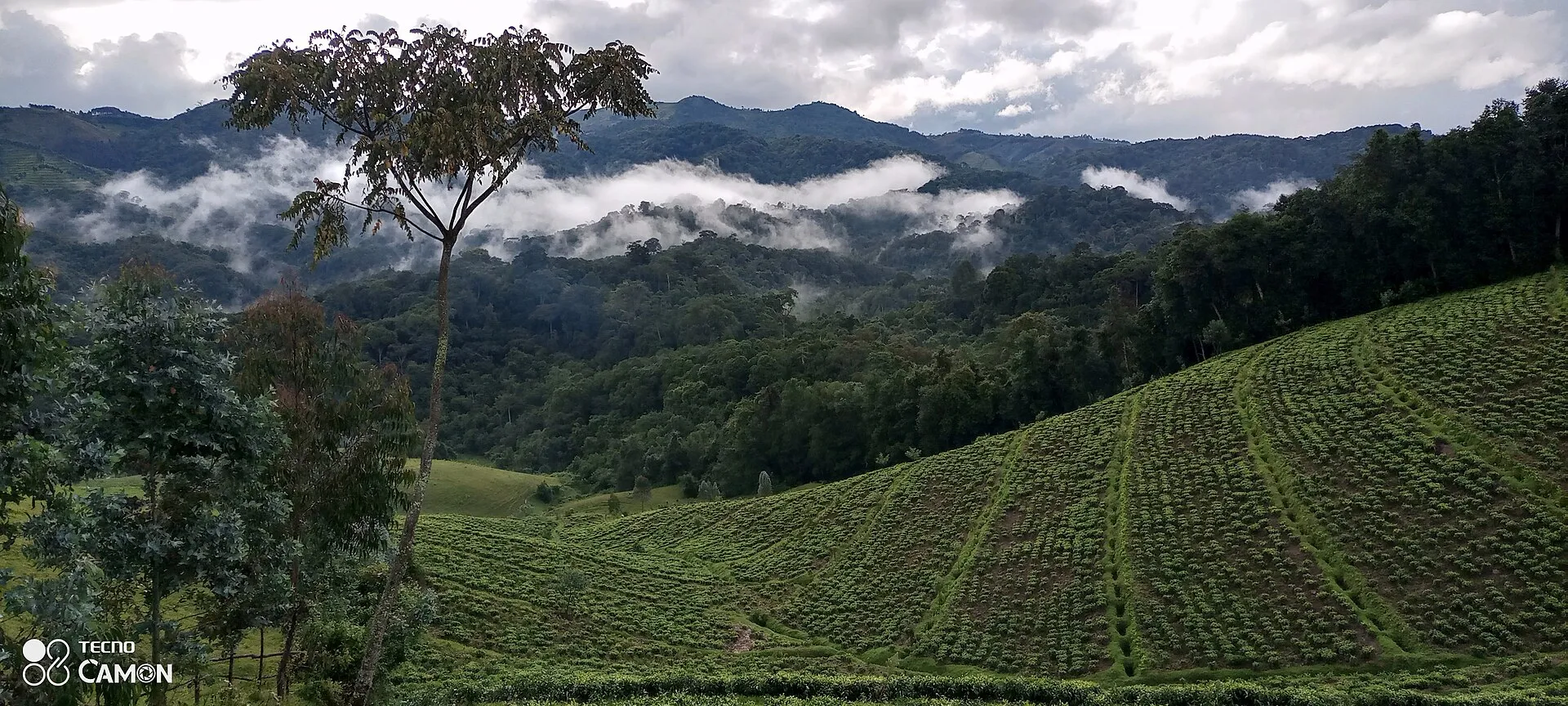
Gishwati natural forest above tea plantations, western Rwanda
Rwanda · Forest park

Gishwati-Mukura, Rwanda’s newest park

Two forest fragments in western Rwanda, protected as a national park in 2016 and recovering fast, with chimpanzees, golden monkeys, birds and a strong community focus.

Established2016
AreaAbout 35 km²
ChimpanzeesAbout 30, increasing
UNESCOBiosphere reserve since 2020
Overview

Why Gishwati-Mukura?

Quick answer

Gishwati-Mukura National Park, established in 2016, protects about 35 km² of forest in two parts, Gishwati and Mukura, in western Rwanda between Volcanoes National Park and Nyungwe. It is home to a small but growing chimpanzee community of around 30, golden monkeys, L’Hoest’s monkeys and more than 120 bird species, and it became a UNESCO biosphere reserve in 2020. It is ideal for travellers who want a quiet, community-focused forest experience.

Gishwati-Mukura National Park is Rwanda’s youngest national park and one of its great conservation stories. The Gishwati forest was once vast, but decades of clearing for farming and settlement reduced it to small fragments, and with them its wildlife. In 2016, Gishwati and the nearby Mukura forest were protected together as a national park, and restoration has been under way ever since.

Today the forests are recovering, chimpanzee numbers are growing, and the park was recognised as a UNESCO biosphere reserve in 2020.

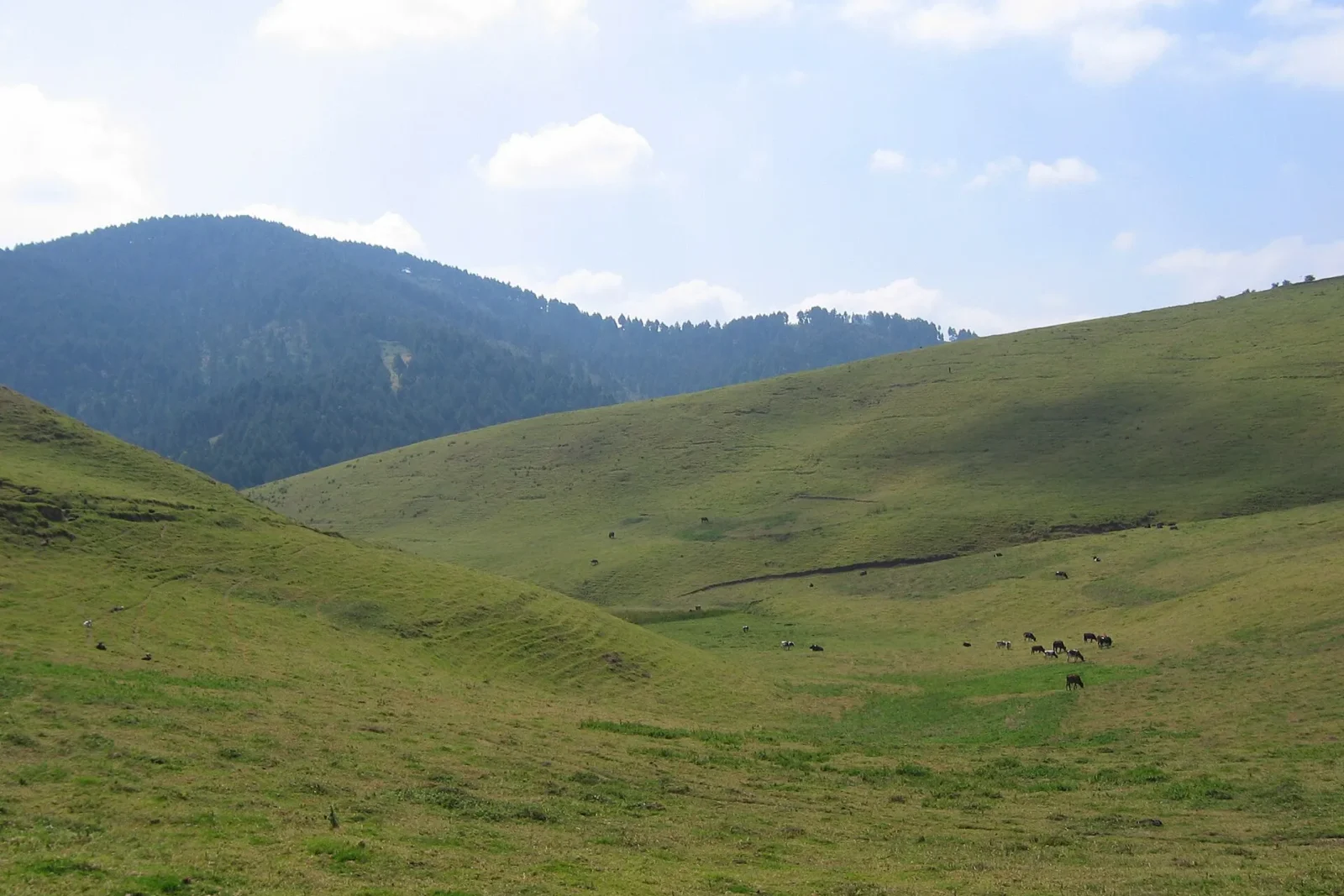
Green hills and forest of Gishwati, Rwanda
Talk to a Gishwati-Mukura National Park specialistWhatsApp +256 709 780 625

Chimpanzees and primates

A small community of eastern chimpanzees, around 30 individuals and increasing, lives in Gishwati. Guided treks follow trackers through the forest to find them, and the encounter feels intimate because so few people visit. Golden monkeys, L’Hoest’s monkeys and blue monkeys also live here. Read about the chimpanzee and L’Hoest’s monkey.
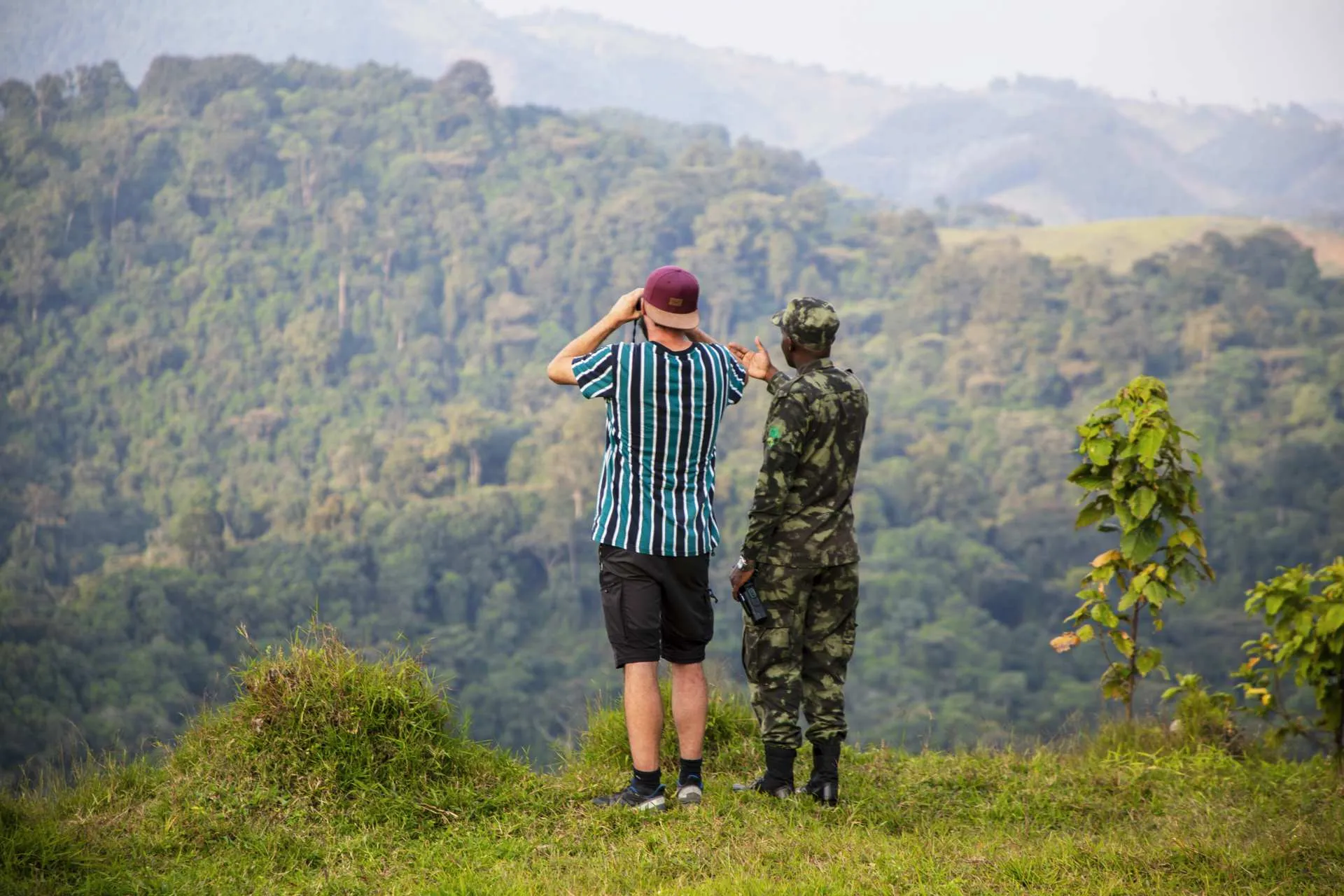
Looking over the recovering forest of Gishwati with a park ranger
Looking over the recovering forest of Gishwati with a park ranger. Photo: Rasse2 (CC BY-SA 4.0)

Birding

More than 120 bird species have been recorded, including several Albertine Rift endemics found only in the mountains of this region. Early morning walks along forest edges and tea plantations are rewarding for birders.

Community and conservation

The park was created with local communities, and tourism supports forest restoration, ranger patrols and livelihoods for people living around it. Visitors can join community walks, see tea plantations and learn about the restoration work.
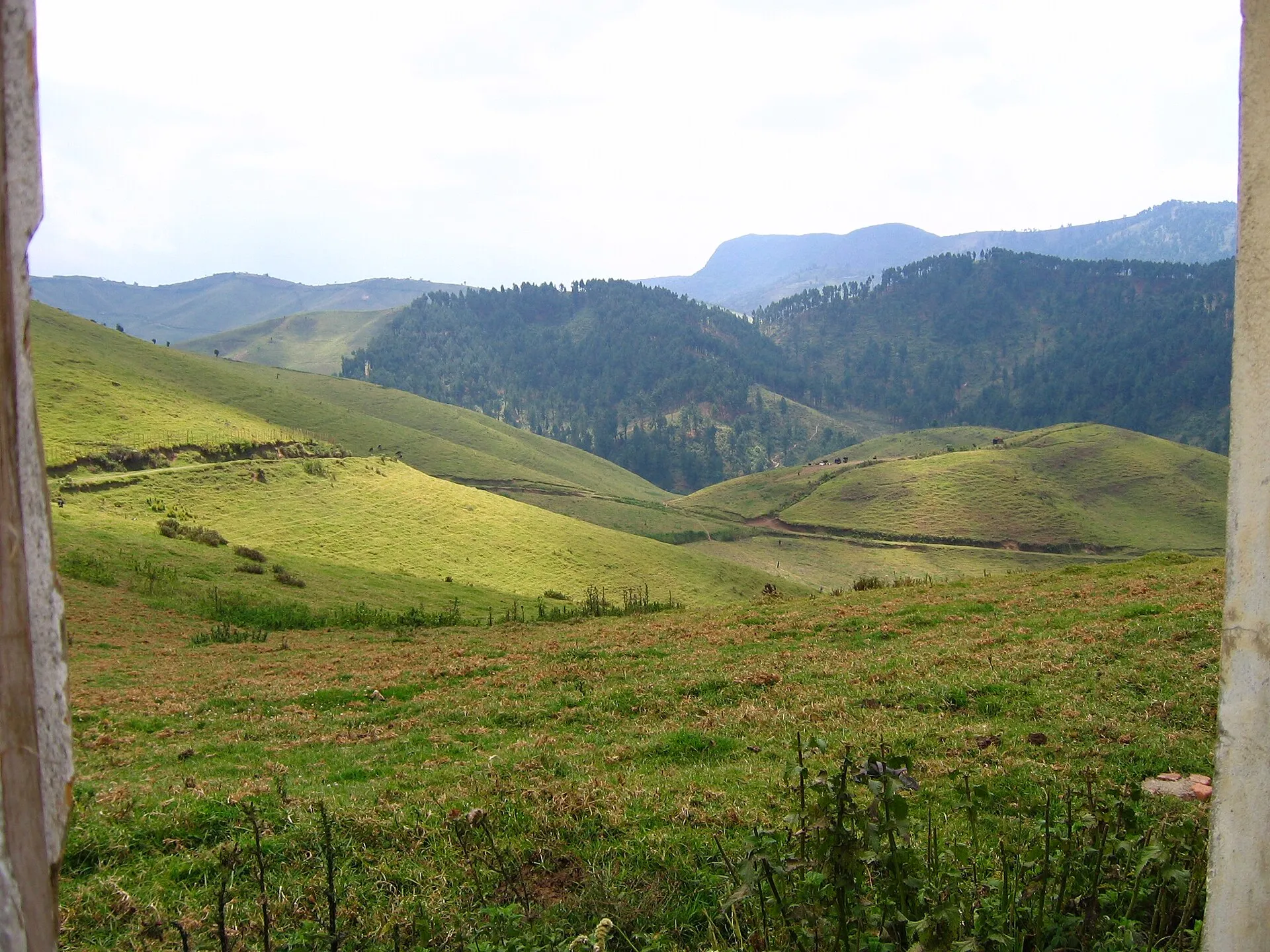
Green hills, farms and forest around Gishwati in western Rwanda
Green hills, farms and forest around Gishwati in western Rwanda. Photo: Antoinetorrens (CC BY-SA 3.0)

Things to do

  • Chimpanzee trekking with trackers.
  • Primate walks for golden and L’Hoest’s monkeys.
  • Birding on forest trails.
  • Waterfall and nature walks.
  • Community visits and tea plantations.

A sample stay

Drive from Volcanoes National Park or Lake Kivu and arrive for an afternoon nature walk. Set out early the next morning to track chimpanzees, then join a community walk among farms and tea fields before continuing south towards Nyungwe or back to the lake.

What to expect

Gishwati is quiet and still developing for tourism, so facilities are simple and sightings require patience. In return, you get a genuinely uncrowded forest experience and the satisfaction of supporting a young park’s recovery.

Who it suits

Gishwati-Mukura suits travellers who have already trekked gorillas and want another forest experience, birders, and anyone interested in conservation and community tourism. It is less suited to travellers who want guaranteed chimp sightings on a short trip; for that, Nyungwe or Uganda’s Kibale are more reliable.

Where to stay

The park has a simple lodge and campsite run with local partners, the most convenient base for early chimp treks. More choice lies around Lake Kivu, about an hour away, where lakeside hotels make a comfortable alternative and a relaxing place to end the day.

Combining Gishwati-Mukura with your trip

The park sits between Volcanoes National Park and Nyungwe, close to Lake Kivu, so it fits naturally into a Rwanda circuit. See our 8-day Rwanda forests, lakes and savannah and the best time to visit Rwanda.

Practical tips

  • Wear long trousers tucked into socks and waterproof boots.
  • Children usually need to be at least 15 for chimp trekking; we confirm the rules when booking.
  • Bring binoculars for birds and monkeys high in the canopy.
  • Treks start early, so plan to stay at or near the park the night before.
  • Your permit and park fees directly support the forest’s restoration and local communities.
  • Check current travel advice for areas near the western border before booking.
Practical information

Getting to and around Gishwati-Mukura National Park

Full travel essentials
From KigaliAbout 3–4 hours by road to the western part of the country.
From Volcanoes NPAbout 2–3 hours, making it a natural stop on the way south.
From Lake KivuA short drive from the lake shore, so it pairs well with a Kivu stay.
What to bringWaterproof boots, a rain jacket, long trousers and binoculars.
When to go

The best time to visit Gishwati-Mukura National Park

The park can be visited all year. The drier months, June to August and December to February, make forest trails easier, while the rainy seasons bring muddy paths but lush forest.

PeakGoodGreen / wet season
Good to know

Gishwati-Mukura National Park safari questions

Can I see chimpanzees in Gishwati?

Yes, a small community of around 30 chimpanzees is being habituated, and guided treks are offered. Sightings are not guaranteed.

How is Gishwati different from Nyungwe?

Gishwati is smaller, quieter and newer, with a strong focus on forest restoration and local communities. Nyungwe is larger, with more chimp groups and the canopy walk.

What else can I see?

Golden monkeys, L’Hoest’s monkeys, blue monkeys and more than 120 bird species, including Albertine Rift endemics.

Is there accommodation?

Yes, a lodge and campsite at the park, and more choice around Lake Kivu.

How many nights should I spend?

One or two nights, often between Volcanoes and Nyungwe or with a Lake Kivu stay.

Tailor-made, from dusk to dawn

Plan your Gishwati-Mukura National Park safari

Tell us your dates and interests and a specialist will send a tailor-made itinerary with a clear price within 24 hours.

Get my safari price WhatsApp a specialistNo booking fee · Reply within 24 hours