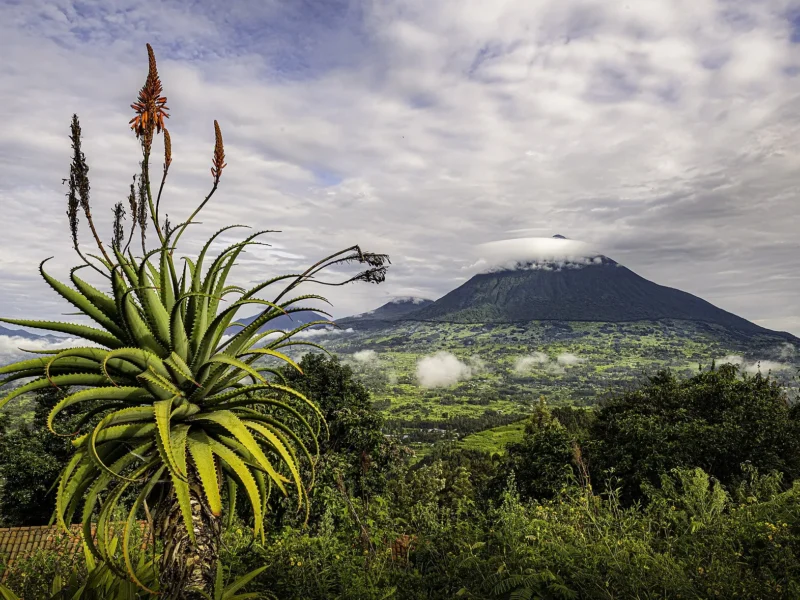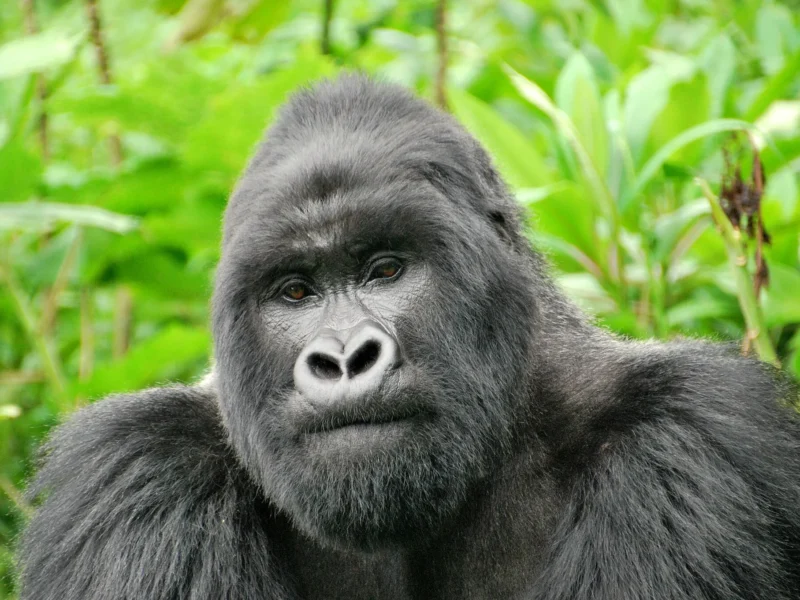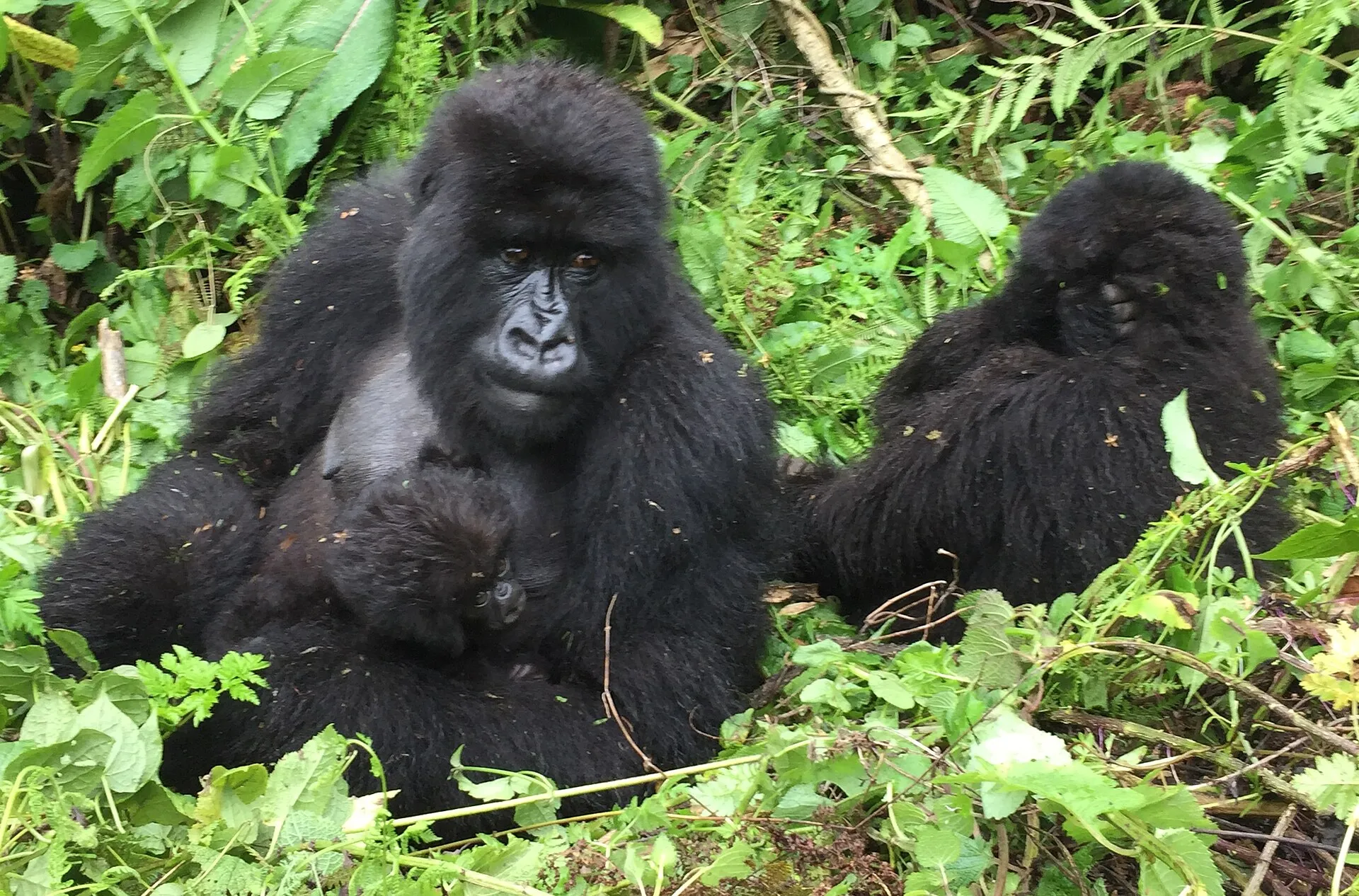
Gorilla trekking in Volcanoes National Park starts with a 7:00am briefing at Kinigi, where guides assign visitors to one of about a dozen habituated families. Treks through farmland and bamboo usually take one to four hours, followed by one hour with the gorillas. The permit costs US$1,500, with a 30% discount from November to May when you stay two nights in Nyungwe or Akagera.
Key takeaways
- About a dozen habituated families, eight visitors each per day.
- Treks usually 1–4 hours on volcano slopes.
- Permit US$1,500; US$1,050 Nov–May with two nights in Nyungwe or Akagera.
- Only 2–2.5 hours from Kigali airport.
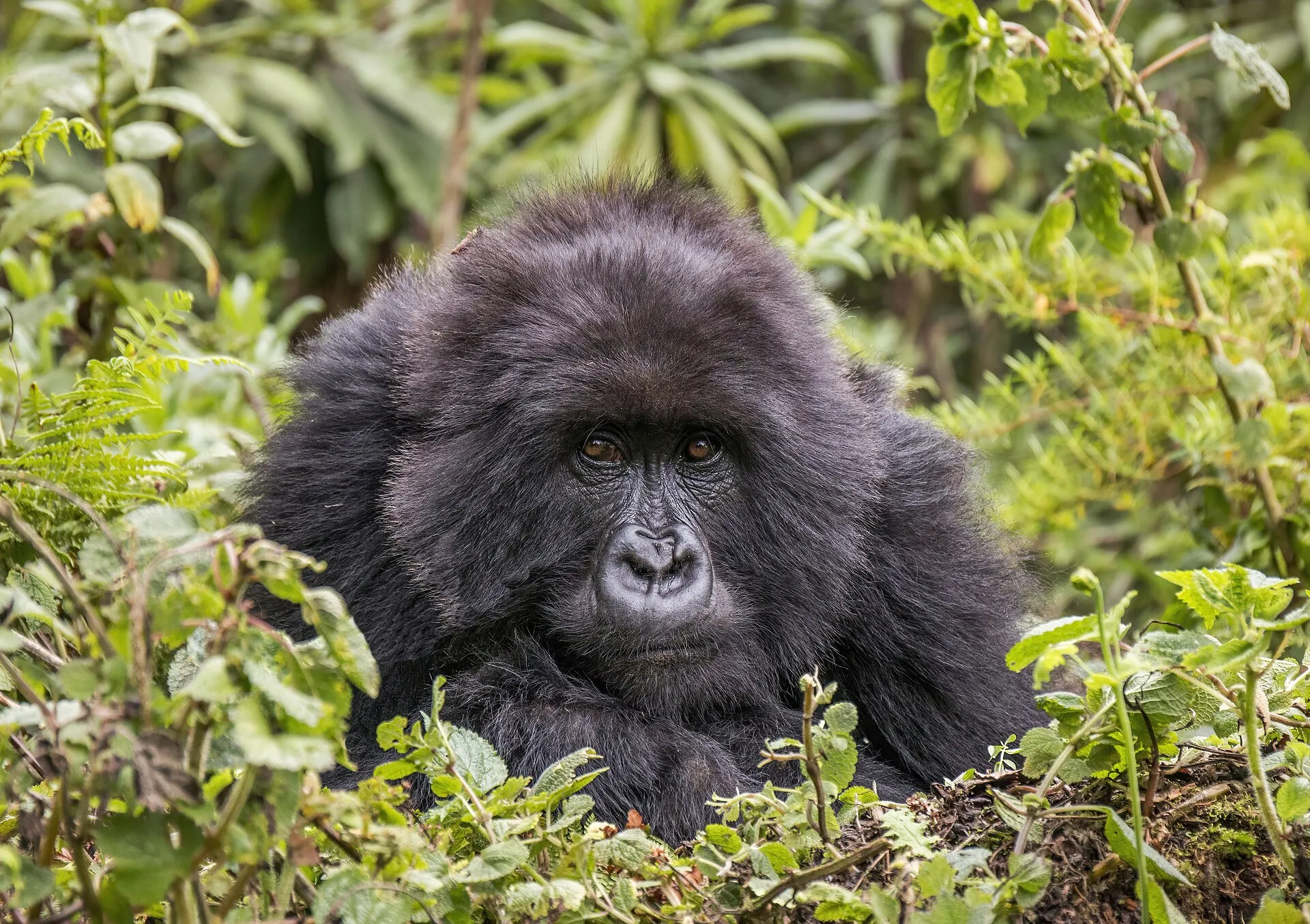
Rwanda’s Volcanoes National Park protects the Rwandan side of the Virunga volcanoes, where Dian Fossey studied mountain gorillas from 1967. It is compact, well organised and close to Kigali, which makes it the quickest place in Africa to see gorillas.
How the day works
Arrive at the Kinigi park headquarters for the 7:00am briefing, often accompanied by traditional dancers. Guides assign visitors to families according to fitness and preference: some families live low on the slopes, others high up. You then drive to the trailhead, walk through potato and pyrethrum fields to the stone wall marking the park boundary, and enter the bamboo and hagenia forest. Trackers radio the family’s location, and when you arrive you have one hour with the gorillas.
What makes it special
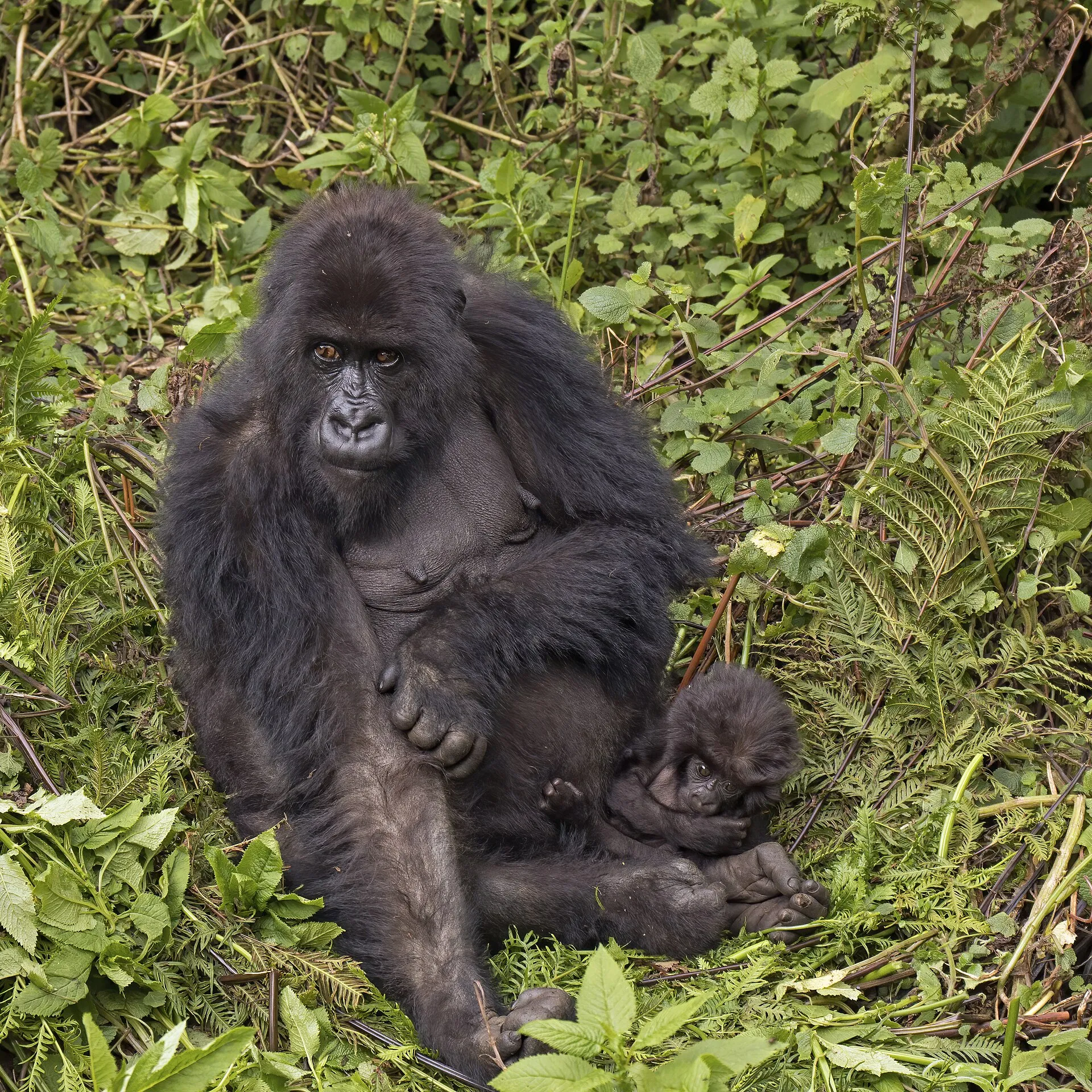
- Open bamboo forest often gives good light for photographs.
- Volcano views from the trail on clear days.
- Short distances: you can trek and return to Kigali the same day.
- A long history of research and conservation, which you can learn about at the Dian Fossey Gorilla Fund campus in Musanze.
Permits and discounts
The permit costs US$1,500. From November to May, a 30% discount (US$1,050) applies if you book at least two nights in Nyungwe and/or Akagera. Read Rwanda gorilla permit discounts explained.
Tips
Tell the guides at the briefing if you would like an easier or more challenging trek. Their assignments make a big difference to your day.
- Wear waterproof boots, gloves and long trousers; the volcano slopes are muddy.
- Hire a porter at the trailhead; it supports the local community.
- Combine with golden monkey trekking for a second morning in the park.
Your trekking day, step by step
- 6:00am: leave your lodge in Musanze or Kinigi with a packed breakfast or lunch.
- 7:00am: arrive at the Kinigi park headquarters, check in and enjoy coffee while traditional dancers perform.
- 7:30am: the briefing. Rangers explain the rules and assign visitors to families, usually in groups of up to eight, taking fitness and preferences into account.
- 8:00–9:00am: drive to the trailhead for your family, which can take 20 minutes to over an hour on rough roads.
- The trek: hire a porter, walk through farmland to the stone wall at the park boundary, then follow the trackers into the bamboo.
- One hour with the gorillas: leave bags and sticks with the porters, put on a face mask, and spend an hour watching the family feed, rest and play.
- Return: walk back down, receive your trekking certificate and return to your lodge for lunch.
Costs at a glance
| Item | Price |
|---|---|
| Gorilla permit | US$1,500 |
| Permit Nov–May with two nights in Nyungwe/Akagera | US$1,050 |
| Golden monkey trek | US$100 |
| Dian Fossey tomb hike | US$75 |
| Mount Bisoke hike | US$75 |
| Porter | Paid at the trailhead, plus a tip |
Where to stay
Lodges range from comfortable hotels in Musanze town, about 30 minutes from Kinigi, to luxury lodges on the park boundary with views of the volcanoes. Staying close to Kinigi means a later wake-up on trekking day. Many travellers add a night at Lake Kivu afterwards.
Gorilla etiquette
- Keep the distance your guide asks for, and never approach a gorilla.
- If a gorilla approaches you, stay still and let the guide manage the situation.
- No flash photography, eating or drinking near the gorillas.
- Speak quietly and avoid sudden movements.
- If you need to cough or sneeze, turn away and cover your mouth.
Rwanda’s conservation success
Mountain gorillas are listed as endangered, but their numbers have grown since the 1980s thanks to strict protection, veterinary care and tourism revenue. A share of permit income goes to communities around the park, funding schools, clinics and water projects. The Kwita Izina gorilla naming ceremony, held each year near the park, celebrates newborn gorillas and the people who protect them.
Getting there
From Kigali International Airport, the drive to Musanze takes about 2–2.5 hours on a good paved road through terraced hills. Many visitors land in the morning, drive up the same day and trek the next morning.
Plan it
Our 2-day Rwanda gorilla trekking safari is the quickest option, and the 3-day gorilla and golden monkey safari adds the golden monkeys. To compare countries, read Uganda or Rwanda: where should you trek gorillas?
When to go
Treks run every day. June to September and December to February are driest, with firmer trails and the highest demand for permits. From November to May, the 30% permit discount applies with two nights in Nyungwe or Akagera, and the forest is lush and quiet.
Good to know
- Arrive the day before: the briefing is at 7:00am in Kinigi.
- Lodges range from Musanze hotels to luxury lodges on the park boundary.
- Nights at about 2,300 m are cold; pack a warm layer.
- Visit the Dian Fossey Gorilla Fund campus in Musanze.
Frequently asked questions
How hard is gorilla trekking in Rwanda?
Moderate. Treks are often shorter than in Bwindi, but the volcano slopes are steep and muddy at altitude.
How many families are there?
About a dozen habituated families are visited by tourists.
Can I trek on the day I arrive?
Not usually; the briefing is at 7:00am, so arrive the day before.
Is Rwanda more expensive than Uganda?
Yes: US$1,500 versus US$800 in Uganda.
How far in advance should I book?
Six to twelve months ahead for June to September and December to February.
Do I need to be very fit?
Average fitness is enough for most families; tell the rangers at the briefing if you need an easier trek.
Can I trek two days in a row?
Yes. Many visitors trek twice to see two different families, often combined with golden monkeys.

Written by our Kampala-based planners and guides, who arrange these trips every season. Prices and rules are checked before every quote.