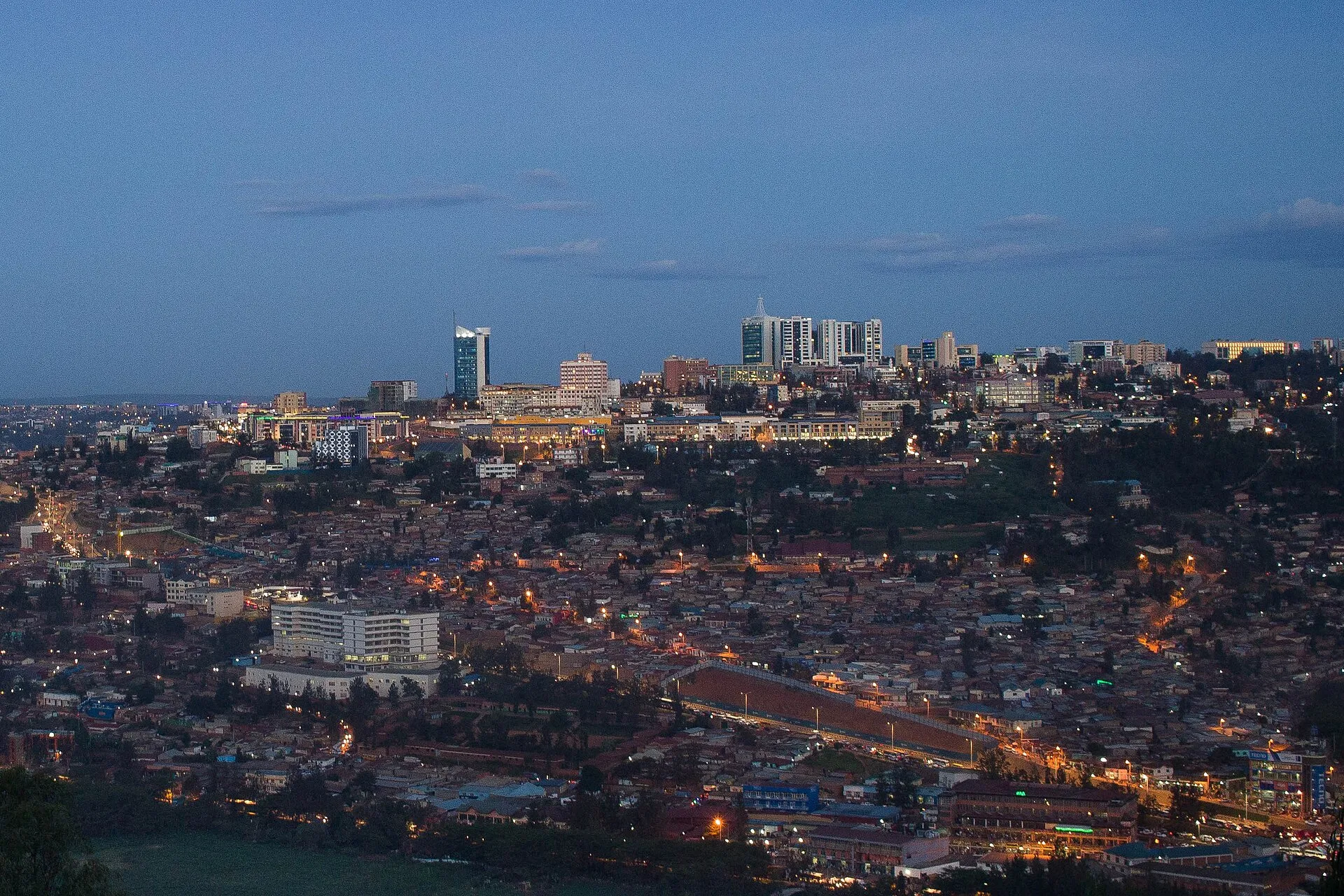
Kigali has a lively art and coffee scene. Galleries such as Inema Arts Center showcase contemporary Rwandan painters and sculptors, the Nyamirambo neighbourhood offers walking tours led by local women, and Kimironko market sells fabric, baskets and produce. Rwanda grows high-quality arabica coffee, and Kigali’s cafés serve it from farms around Lake Kivu, Huye and Nyungwe.
Key takeaways
- Contemporary galleries such as Inema.
- Nyamirambo walking tours led by local women.
- Kimironko market for fabric and baskets.
- Speciality Rwandan coffee in city cafés.
Kigali is green, safe and clean, with plastic bags banned and streets swept regularly. It is a pleasant city to explore, and many travellers spend a day here before or after the gorillas.
Art galleries
- Inema Arts Center: founded in 2012 by artist brothers Emmanuel and Innocent Nkuranga, with bright paintings, sculpture and workshops.
- Other galleries and studios across the city show painting, photography and textile art, much of it reflecting Rwanda’s history and hopes.
Many artists welcome visitors into their studios, and you can buy directly from them.
Coffee
Rwanda produces mostly Bourbon-variety arabica, grown on small farms at high altitude and processed at washing stations. The coffee is known for its bright, fruity flavours. Kigali’s cafés serve single-origin coffee from regions such as Lake Kivu, Huye and Nyungwe, and some work directly with women farmers. A coffee tasting is a lovely way to learn about the industry. See coffee farm tour.
Markets and crafts
- Kimironko market: fruit, vegetables, fabric and tailors who can make clothes in a day or two from colourful kitenge cloth.
- Craft shops and cooperatives: for woven agaseke baskets, imigongo art made from cow dung in geometric patterns, and jewellery.
Nyamirambo
Nyamirambo is one of Kigali’s oldest and liveliest neighbourhoods. Walking tours led by local women visit homes, a mosque, tailors and hair salons, and often include a cooking lesson and lunch.
When to go
Kigali is pleasant year-round, with a mild climate. Avoid the last Saturday morning of the month, when Umuganda community work closes many places until around midday.
Good to know
- Kigali is safe and easy to explore by taxi or moto.
- Ask before photographing people.
- Bargain politely in markets; fixed prices apply in shops.
- Combine with the Kigali Genocide Memorial.
Who it suits
Kigali suits art lovers, coffee fans, shoppers and anyone with a day in the city. It is an easy, safe introduction to Rwanda.
Imigongo art
Imigongo is a traditional art form from eastern Rwanda, made by shaping cow dung into raised geometric patterns on boards, then painting them in black, red and white. It is said to have been started by a prince in the 18th century. Cooperatives of women keep the tradition alive, and pieces make beautiful souvenirs.
A day in Kigali
Start at the Genocide Memorial in the morning, have lunch in a café, then visit a gallery and Kimironko market in the afternoon. End with dinner at a restaurant with a view over the city’s hills.
A short history of Rwandan coffee
German missionaries planted the first coffee trees in Rwanda in the early 20th century. For decades, it was grown as a low-value commodity. From the early 2000s, new washing stations allowed farmers to process their own cherries and sell higher-quality coffee. In 2008, Rwanda became the first African country to host the Cup of Excellence competition, and its speciality coffee is now sold by roasters around the world. Coffee remains one of the country’s main exports.
Kigali’s food scene
Try brochettes (grilled meat skewers) with fried plantain, isombe (cassava leaves cooked with aubergine and palm oil), and fresh tilapia from Lake Kivu. Many restaurants offer a buffet of local dishes at lunchtime, which is a good way to try several at once. For something sweet, Rwandan honey and passion-fruit juice are excellent.
Getting around
Kigali is spread over many hills, so taxis and motorbike taxis (moto) are the easiest way to move between areas. Moto drivers carry a helmet for passengers. A driver-guide for the day is the most comfortable option and lets you combine the memorial, galleries and markets without worrying about directions.
Plan it
Explore Kigali on our 1-day Kigali city tour or 5-day Rwanda gorillas, golden monkeys and Kigali.
Frequently asked questions
Is Kigali safe?
Yes. It is one of Africa’s safest capitals.
What is Rwandan coffee like?
Bright and fruity, mostly Bourbon-variety arabica.
Where can I buy crafts?
At Kimironko market, cooperatives and craft shops.
What is Umuganda?
Monthly community work on the last Saturday morning, when many places open later.
Can I get clothes made?
Yes. Tailors at Kimironko can make clothes in a day or two.
Can I visit a coffee washing station from Kigali?
The nearest ones are a few hours away, around Lake Kivu or Huye, so they fit best into a trip west or south; in Kigali, a café tasting is the easiest option.
How many days do I need in Kigali?
One full day covers the memorial, a gallery, a market and a good meal; two days allow a slower pace and Nyamirambo.

Written by our Kampala-based planners and guides, who arrange these trips every season. Prices and rules are checked before every quote.