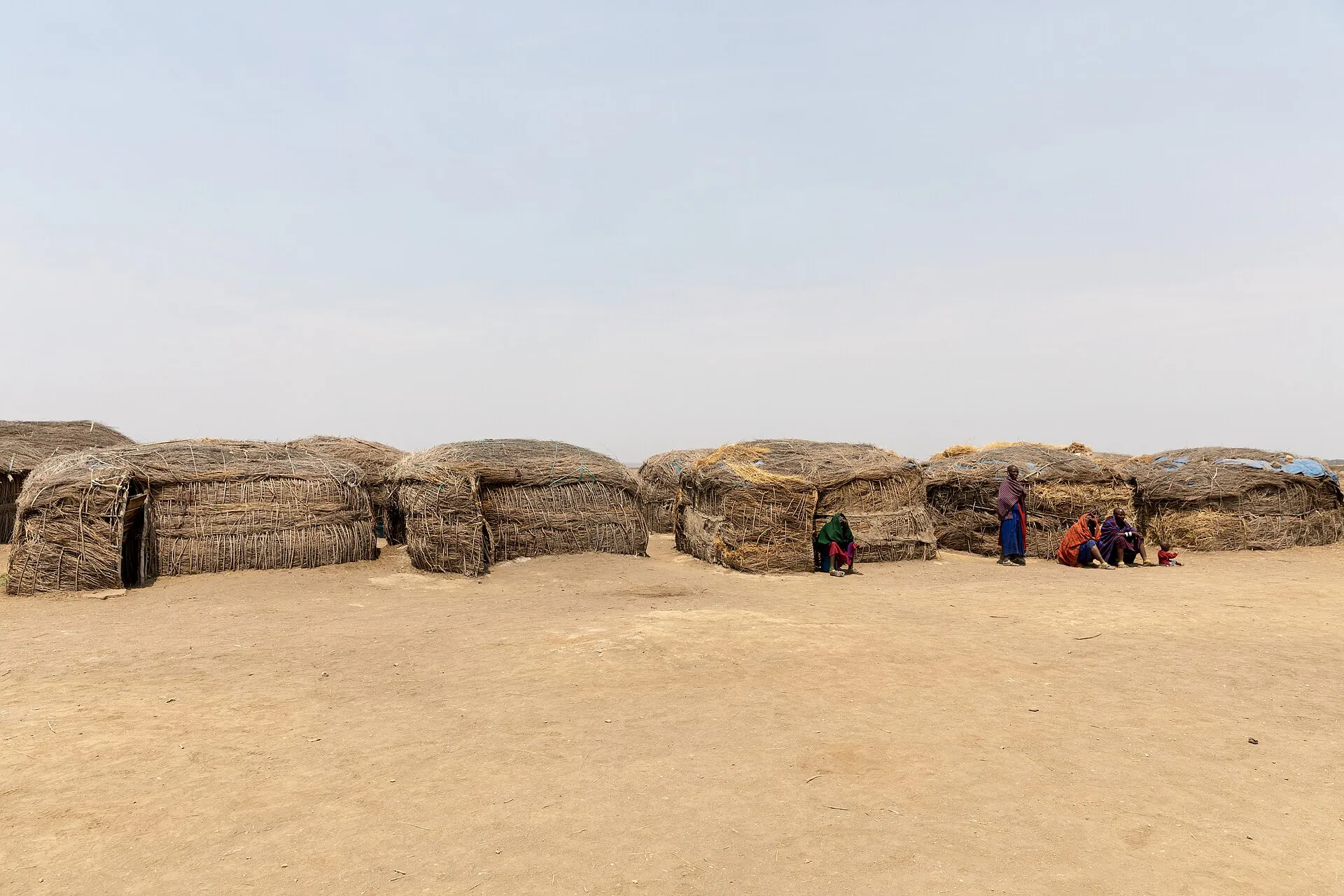
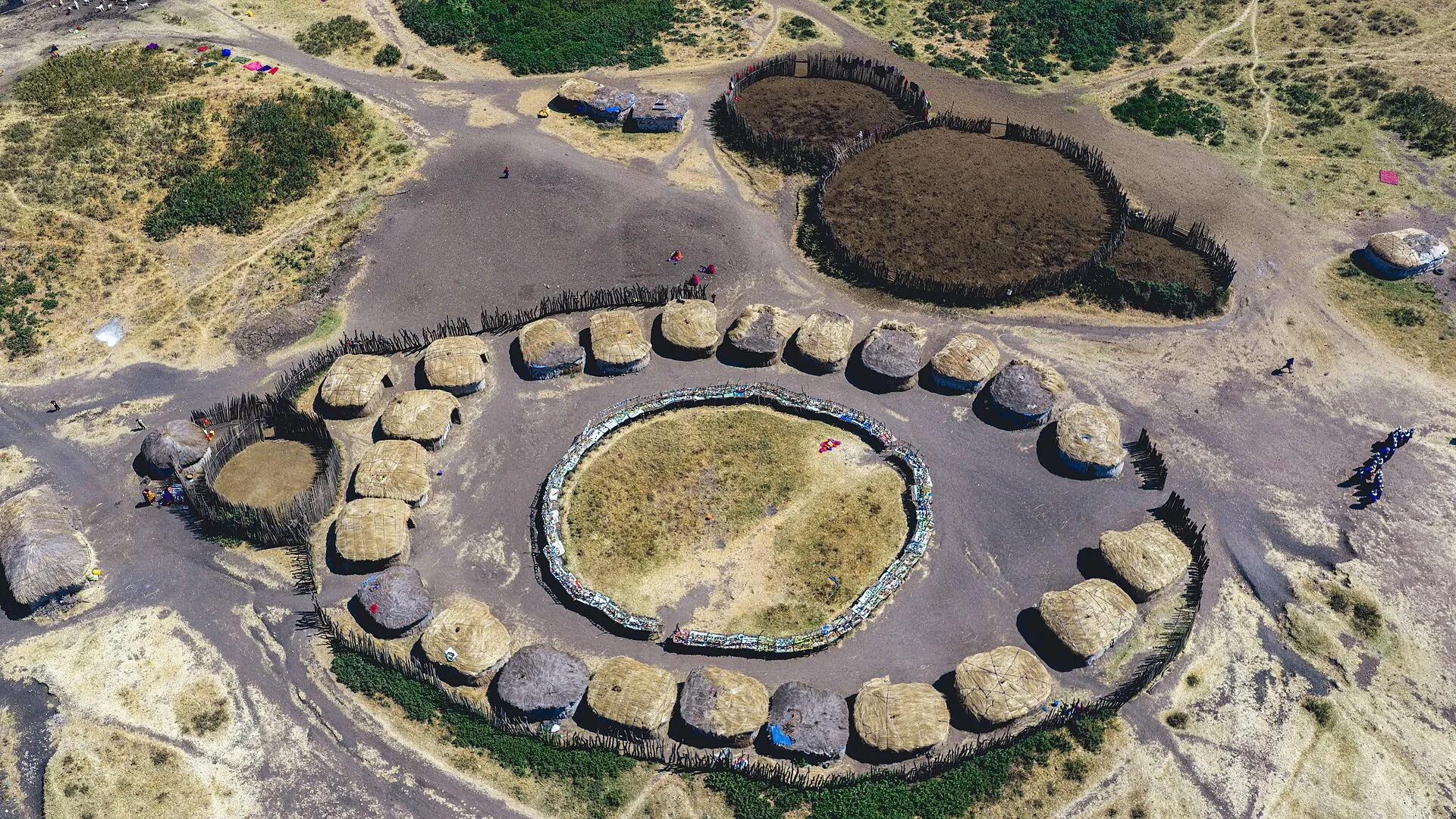
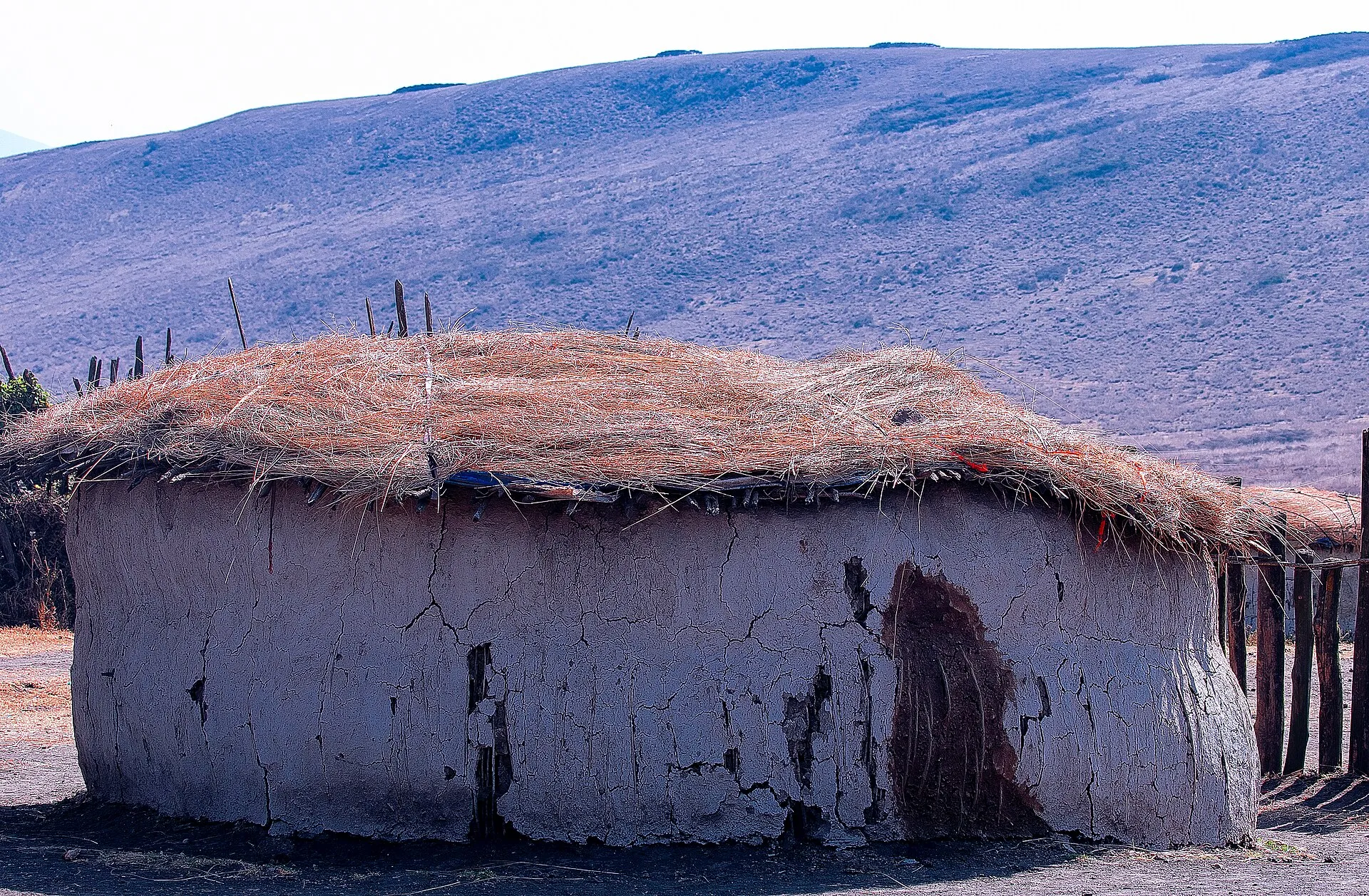
A Maasai village visit takes you into an enkang (homestead) near parks such as the Masai Mara, Amboseli and Ngorongoro. Community members show you their homes, built by women from sticks, mud and dung, explain cattle-keeping and beadwork, and perform songs and the jumping dance. Visits usually cost around US$20–30 per person, paid to the community.
Key takeaways
- Visit a Maasai homestead near the parks.
- Homes built by women from mud and dung.
- Songs, the jumping dance and beadwork.
- Choose community-run, conservancy-linked visits.
The Maasai are semi-nomadic pastoralists living across southern Kenya and northern Tanzania. Cattle are central to their lives, providing milk, meat and status. Many Maasai communities live around the great parks, and some now earn income from conservancies and tourism.
What you see
- Homes: low, loaf-shaped houses built by women from a frame of sticks plastered with mud and cow dung.
- The enkang: a circle of homes surrounded by a thorn fence, with a central enclosure for cattle at night.
- Fire making with sticks.
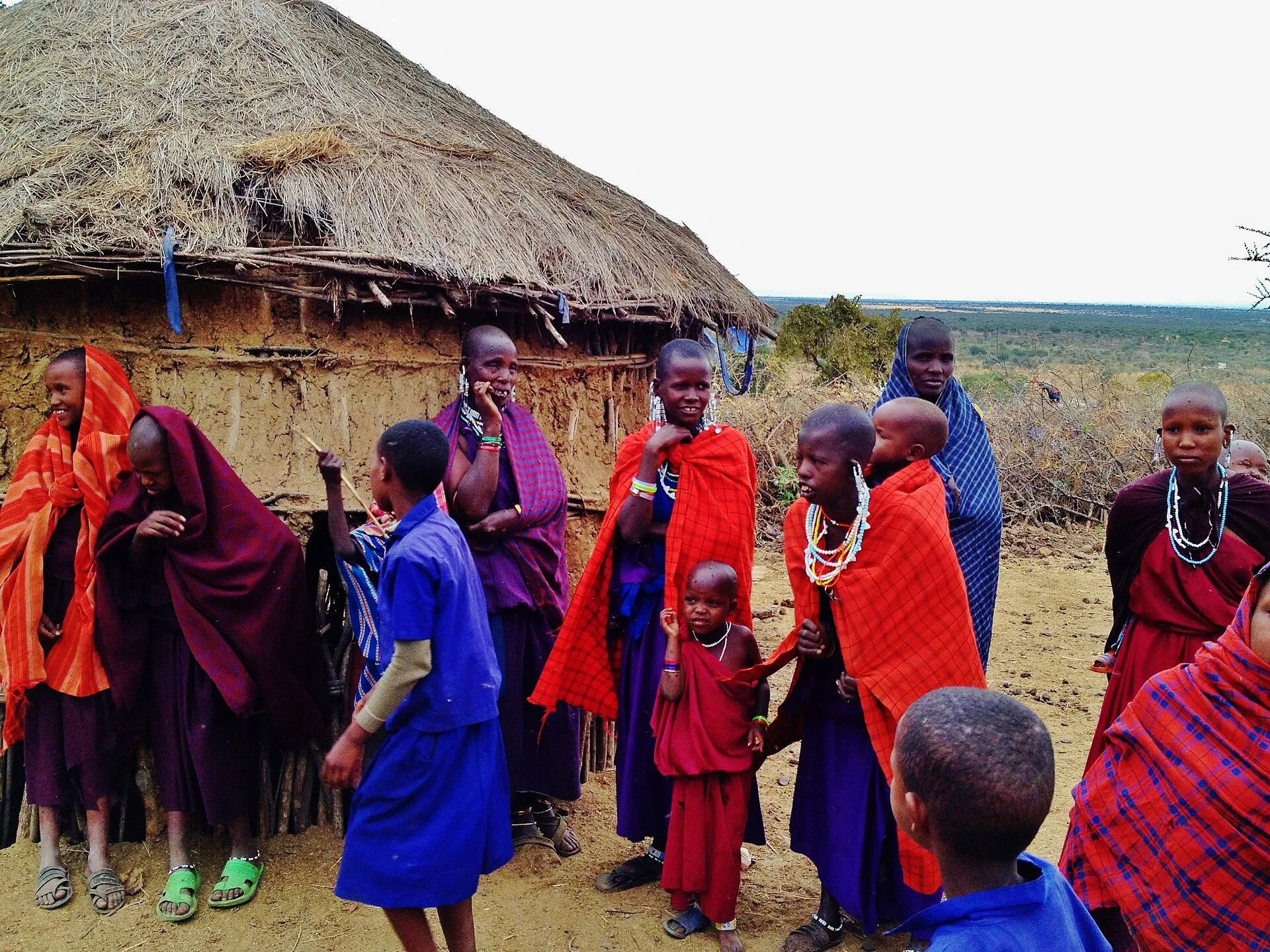
- Beadwork, with colours that carry meanings.
- Songs and the adumu, the jumping dance in which young men leap high from a standing start.
Choosing a respectful visit
Some village visits are rushed and commercial. Choose a visit organised through your camp or a community conservancy, where fees go to the whole community and visitors are expected. Ask your guide how the money is shared.
Etiquette
- Ask before photographing people.
- Do not give sweets or money to children.
- Buy crafts at fair prices; some sellers will bargain, but do so politely.
- Respect homes; enter only when invited.
When to go
Visits are possible year-round. Late afternoon is a good time, when cattle return home.
Good to know
- Fees of around US$20–30 per person are typical.
- Visits last one to two hours.
- Guides translate and explain.
- Combine with game drives in the Masai Mara or Amboseli.
Who it suits
Village visits suit families, first-time visitors and anyone interested in pastoral cultures.
Maasai and conservation
Community conservancies around the Masai Mara lease land from Maasai families for wildlife tourism, giving them an income and keeping land open for animals. Staying in a conservancy camp supports this model, and often allows walks with Maasai guides.
Age sets and roles
Maasai society is organised by age sets. Boys become young warriors, called ilmurran, after initiation, and spend years protecting the herds and the community. Later they become junior and then senior elders, who make decisions and settle disputes. Women build and maintain the homes, milk the cattle, raise children and create the famous beadwork.
Cattle at the centre
Cattle are wealth, food and identity. Traditionally, the Maasai diet was based on milk, meat and sometimes blood taken from a living cow, which then recovered. Today, maize, beans and other foods are part of most diets, but cattle remain central to ceremonies, marriages and status.
Beadwork and colours
Beadwork is worn by both men and women and is full of meaning. Red is often linked to bravery and unity, blue to the sky and the water it brings, white to purity and milk, and green to the land and its grass. Patterns can show age, status or marriage. Buying beadwork directly from the women who make it is one of the best ways to support them.
From lion hunts to sport
Killing a lion was once a rite of passage for young warriors in some communities. As lion numbers fell, conservation groups and Maasai elders created alternatives. The Maasai Olympics, held near Amboseli since 2012, let young men compete in running, javelin and high jump instead, with prizes and pride at stake.
Getting there
Most visits start from your safari camp, with a short drive to a nearby village. Your guide arranges the visit, explains customs and translates, so you can ask questions about daily life, schooling and the changes facing Maasai communities today.
Combine it with
A village visit pairs naturally with a walking safari led by Maasai guides in a conservancy, a sundowner on a hill above the plains, and a night drive. Together they show how people, cattle and wildlife share the same landscape.
Plan it
Add a village visit to our 3-day Masai Mara safari, 3-day Amboseli safari or 4-day Serengeti and Ngorongoro safari.
Frequently asked questions
How much does a Maasai village visit cost?
Typically around US$20–30 per person, paid to the community.
Is it authentic?
Choose visits through camps or conservancies for a more genuine experience.
Can I take photos?
Yes, with permission.
Who builds the houses?
Maasai women build and maintain the homes.
What is the jumping dance?
The adumu, in which young men leap high from a standing position.
Can children join a Maasai village visit?
Yes. Children are welcome and often enjoy meeting Maasai children and trying the jumping dance.
Should I bring gifts?
It is better to pay the community fee and buy crafts; school supplies can be given through the village leaders or a school, not handed to children.
Do Maasai still live traditionally?
Many combine tradition with modern life, keeping cattle and customs while sending children to school and using mobile phones.

Written by our Kampala-based planners and guides, who arrange these trips every season. Prices and rules are checked before every quote.