Things to do
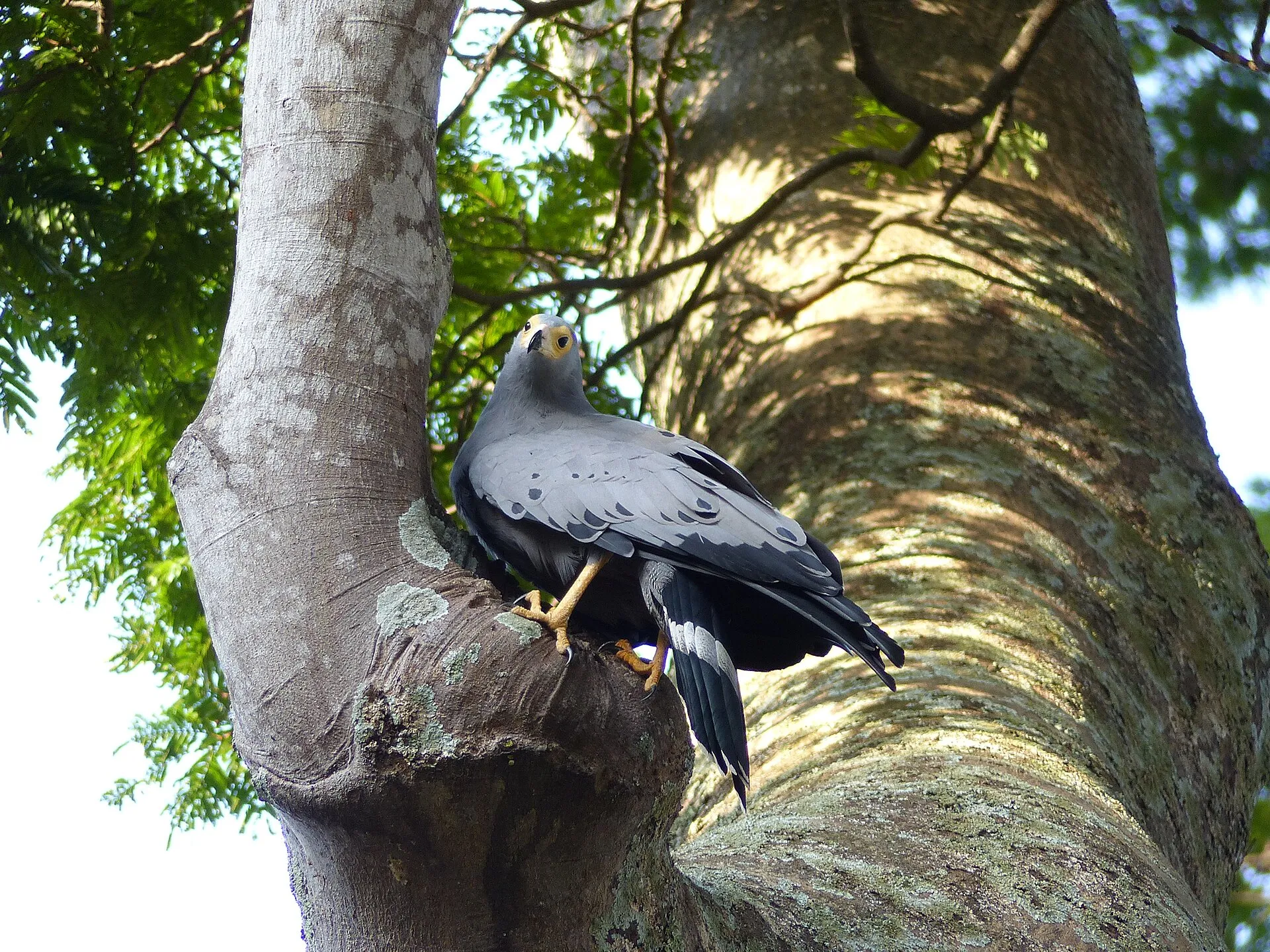
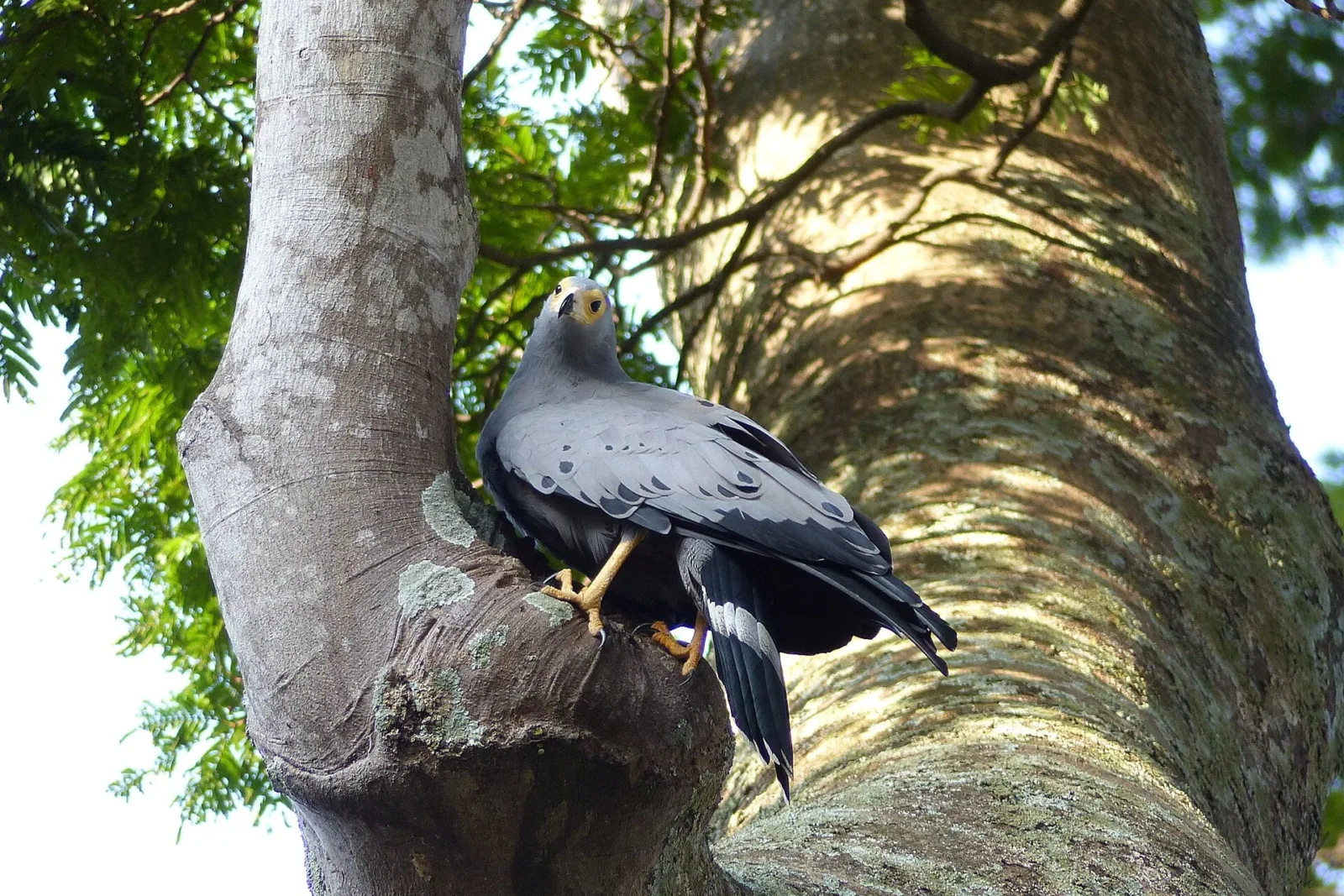
- Entebbe Botanical Gardens: laid out in 1898, with old trees, monkeys and many birds along the lake shore. See Entebbe Botanical Gardens.
- Uganda Wildlife Conservation Education Centre: rescued animals, from lions to shoebills, in large enclosures by the lake.
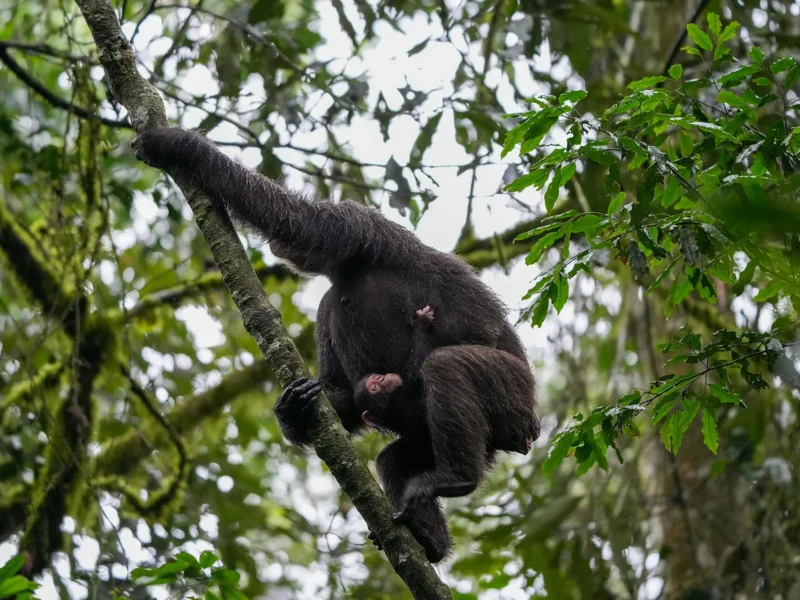
- Ngamba Island Chimpanzee Sanctuary: a boat trip to watch rescued chimps at feeding time.
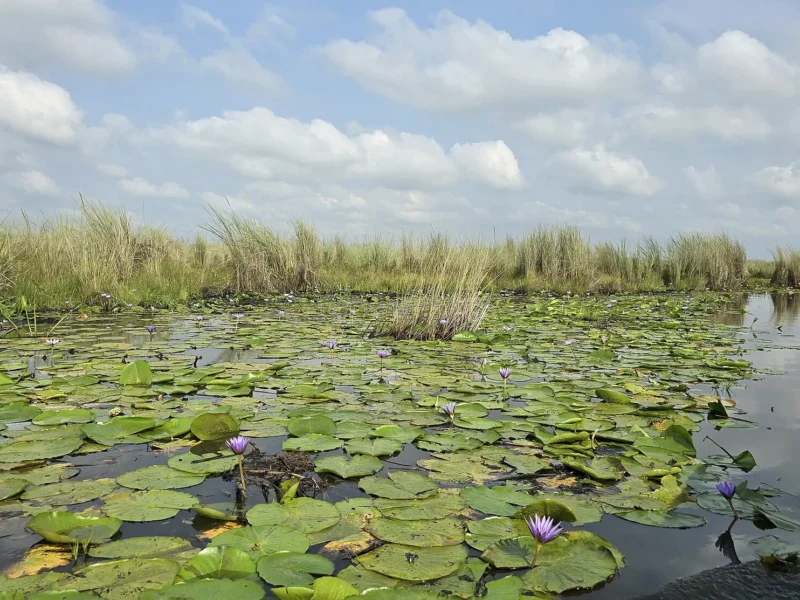
- Mabamba Swamp: canoe through papyrus channels for the shoebill. See our 1-day Mabamba shoebill trip.
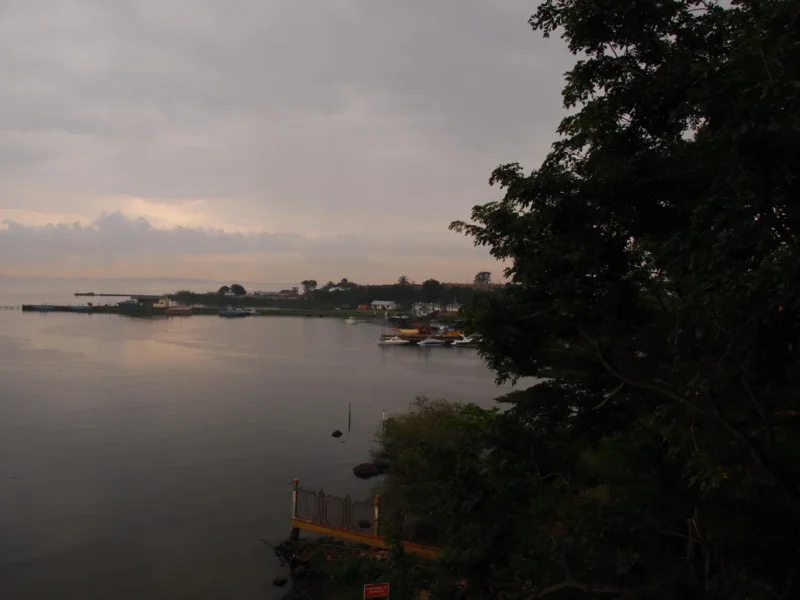
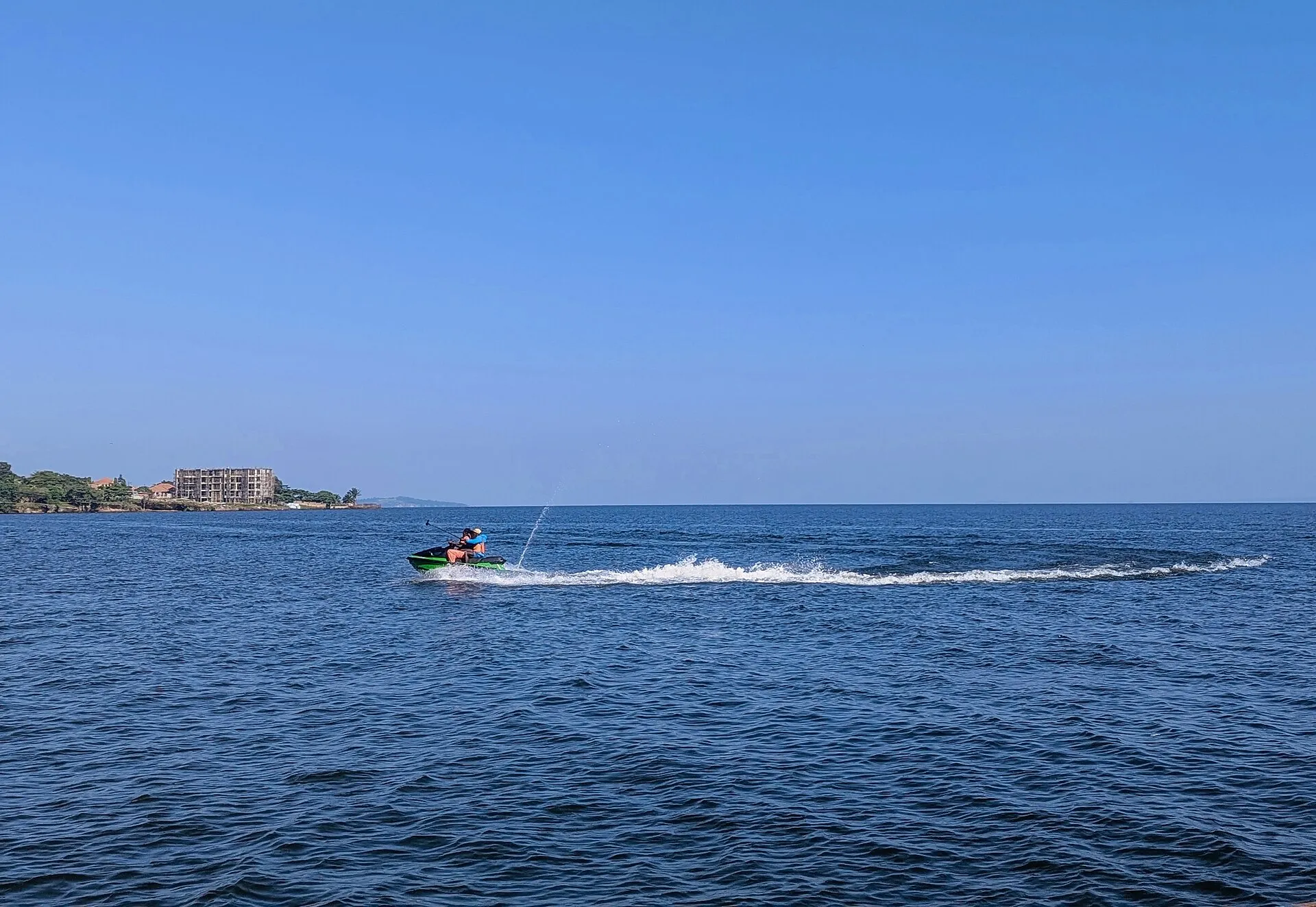
- Lake Victoria sunsets: a drink on the shore as the sun goes down. Read sunset on Lake Victoria.
Ngamba Island
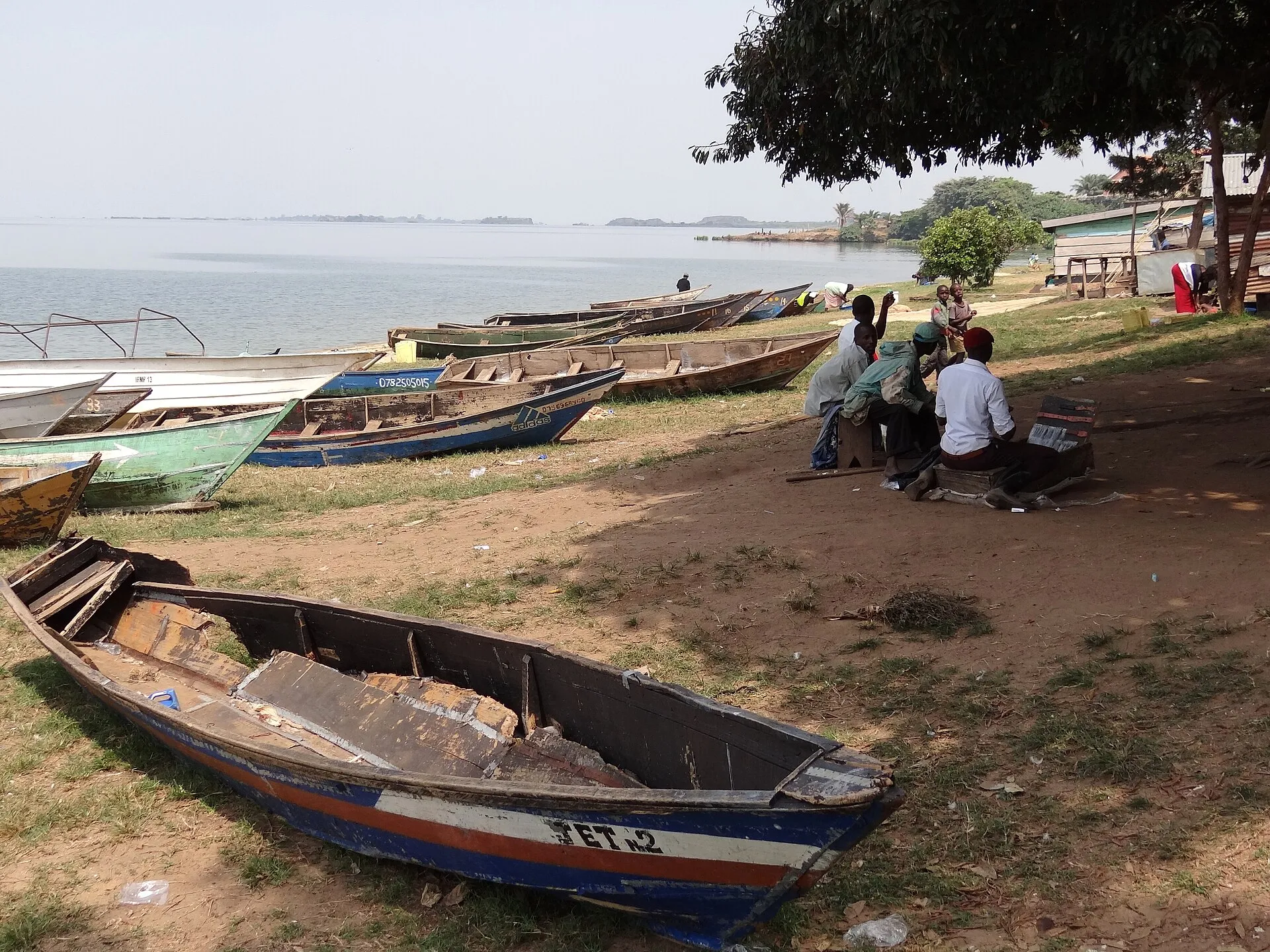
Ngamba Island, in Lake Victoria, is a sanctuary for chimpanzees rescued from the illegal pet and bushmeat trades. Around 50 chimps live in the island’s forest, and visitors watch from a raised platform at feeding times while staff explain each chimp’s story. The speedboat from Entebbe takes about 45 minutes. It is not a substitute for seeing wild chimps in Kibale, but it is a moving visit and supports conservation.
A sample day
Land in the morning, rest at your hotel and walk in the botanical gardens after lunch. The next day, leave early for Mabamba to find the shoebill, return for lunch and spend the afternoon at the wildlife education centre or on the lake, before starting your safari or flying home.
What to expect
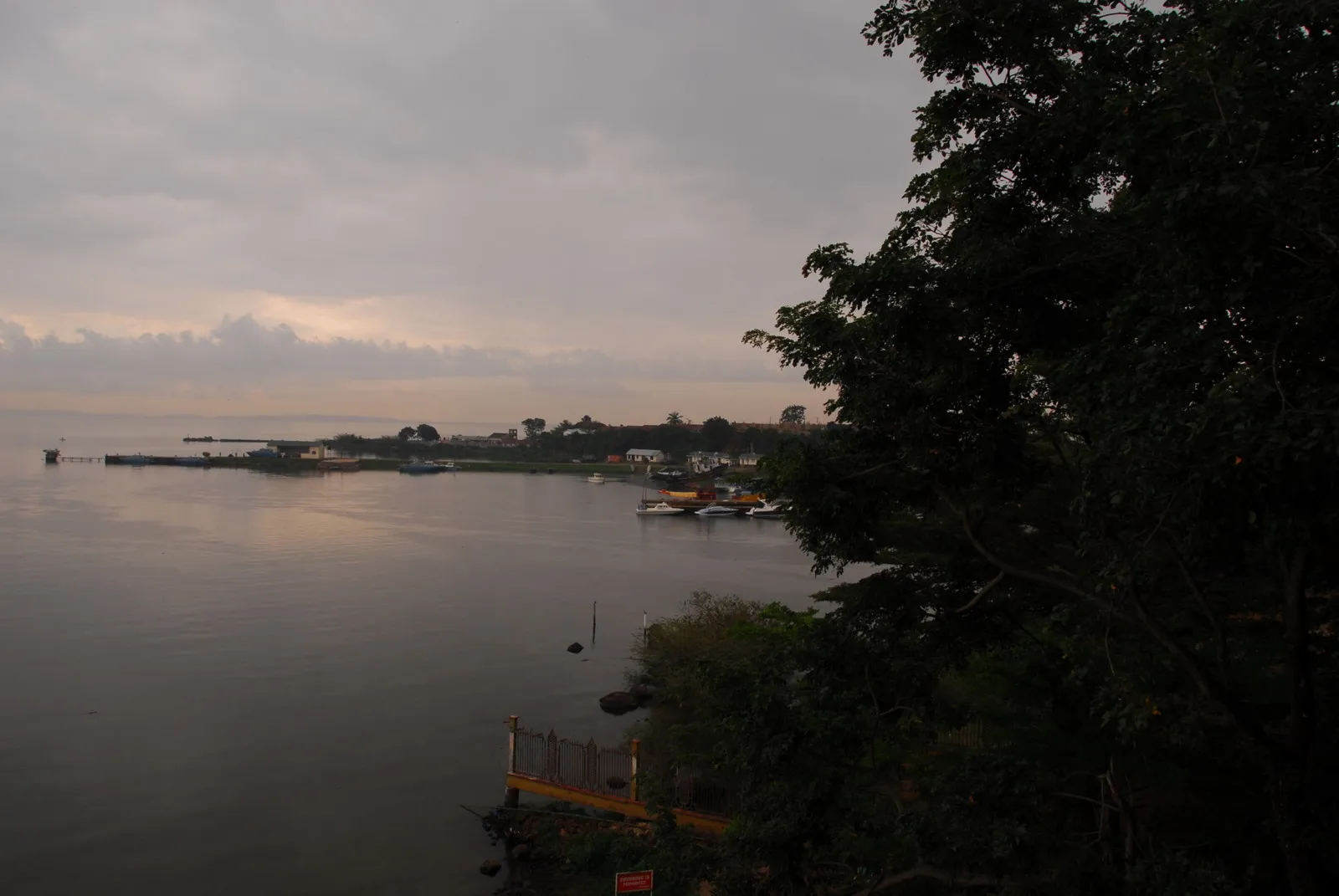
Entebbe is safe, relaxed and easy to get around with your driver-guide. Hotels range from simple guesthouses to lakeside resorts. Mosquitoes are common near the lake, so use repellent in the evenings and take your malaria prevention as advised.
Where to stay
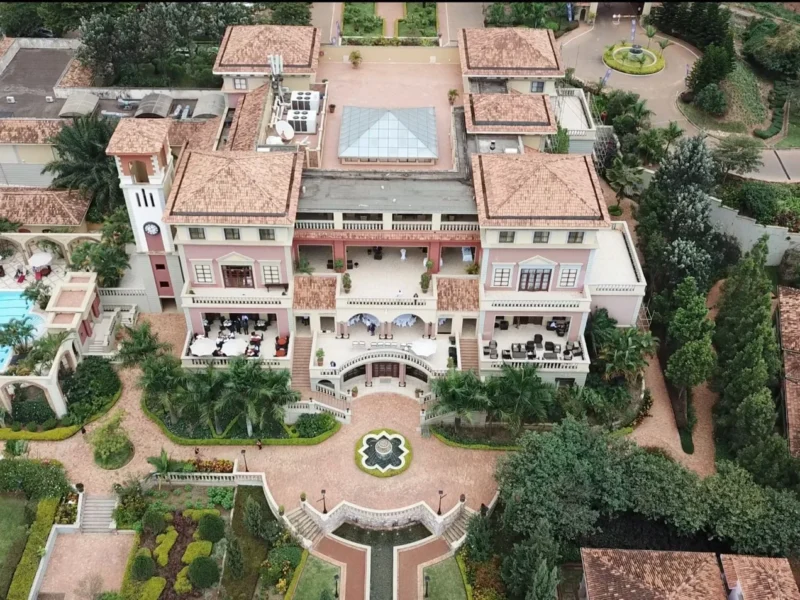
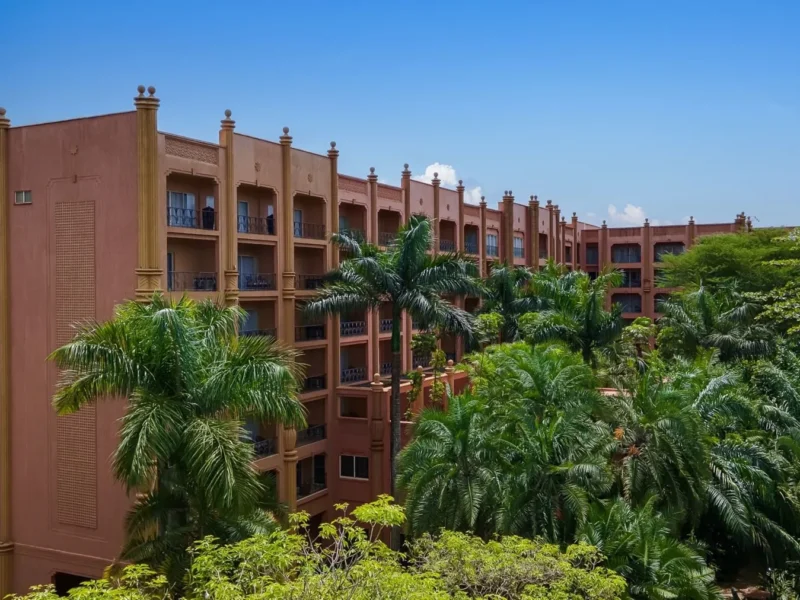
Choose a lakeside hotel such as 2 Friends Beach Hotel, or a guesthouse close to the airport such as Papyrus Guest House, ideal for late arrivals and early departures.
Combining Entebbe with your safari
Entebbe is the start of most of our Uganda trips. Combine it with Mabamba Swamp for the shoebill, a day in Kampala, or fly straight to the parks on our 2-day Bwindi gorilla fly-in safari from Entebbe.
History of Entebbe
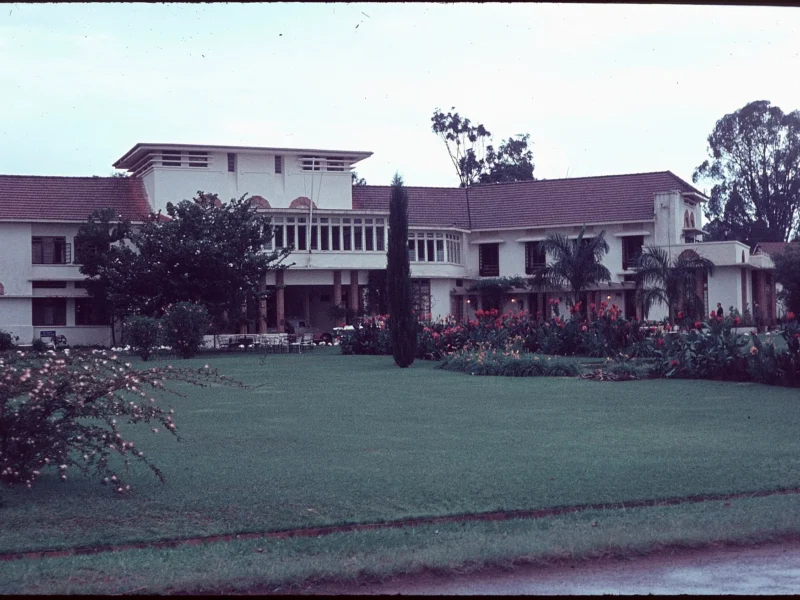
Entebbe was founded as the colonial administrative centre at the end of the 19th century, chosen for its healthy lakeside position. The botanical gardens, the old government buildings and the lakeside parks date from this period. Entebbe remained the capital until Uganda’s independence in 1962, when the government moved to Kampala.
Birding in Entebbe
Even without leaving town, Entebbe is excellent for birds. The botanical gardens and lakeside parks hold great blue turacos, hornbills, kingfishers, fish eagles and many weavers, and the shoreline attracts herons and waders. A morning walk with binoculars is a perfect first taste of Uganda’s 1,000-plus bird species. Read about the great blue turaco.
If your flight lands in the morning, a gentle afternoon in the botanical gardens is the best cure for jet lag before the long drives ahead.