The best walking safaris in East Africa are in Tanzania’s Nyerere and Ruaha national parks, Kenya’s Laikipia conservancies and Masai Mara conservancies, and Uganda’s Lake Mburo National Park, where you can walk among zebras and eland. Shorter walks include rhino tracking on foot at Ziwa in Uganda, cycling and walking in Kenya’s Hell’s Gate, and ranger-led walks in Arusha National Park. Walks are always led by an armed ranger or a qualified walking guide.
Key takeaways
- Nyerere and Ruaha offer some of the best walking in East Africa.
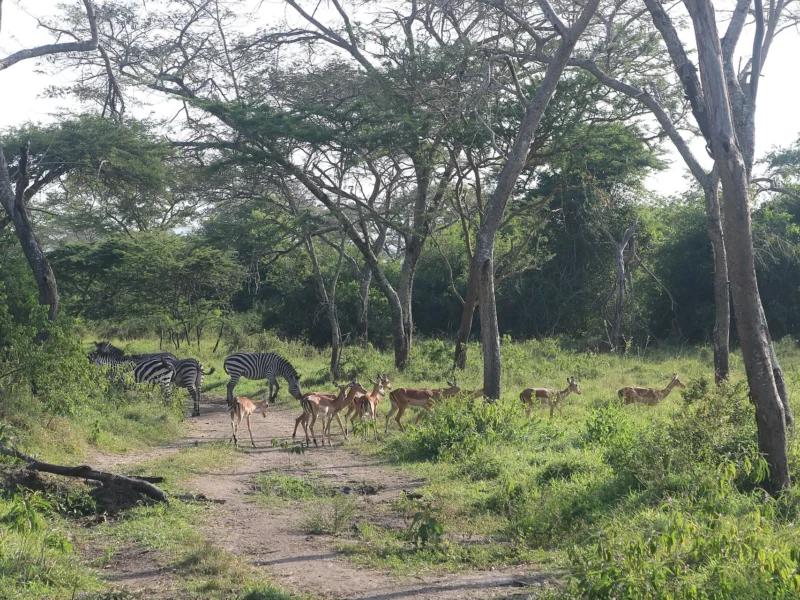
- Lake Mburo is Uganda’s best park for walks among zebras and eland.
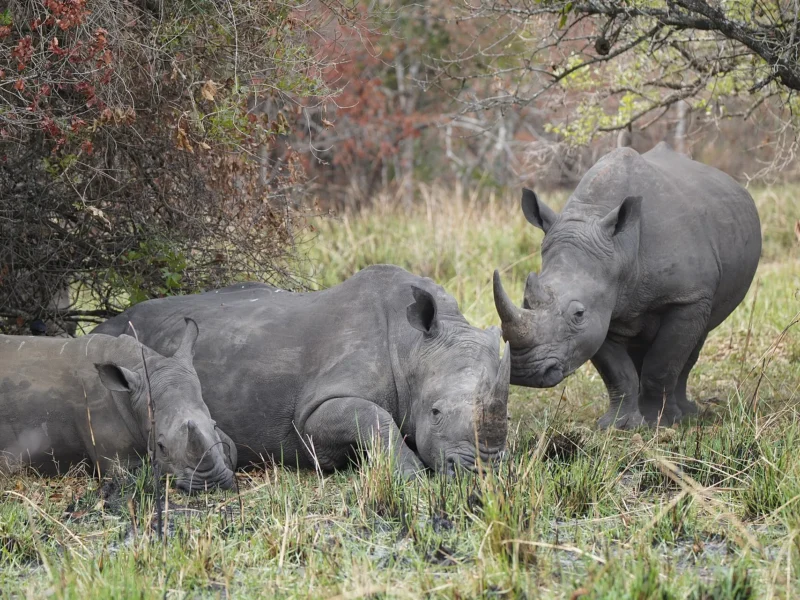
- At Ziwa, you track white rhinos on foot with rangers.
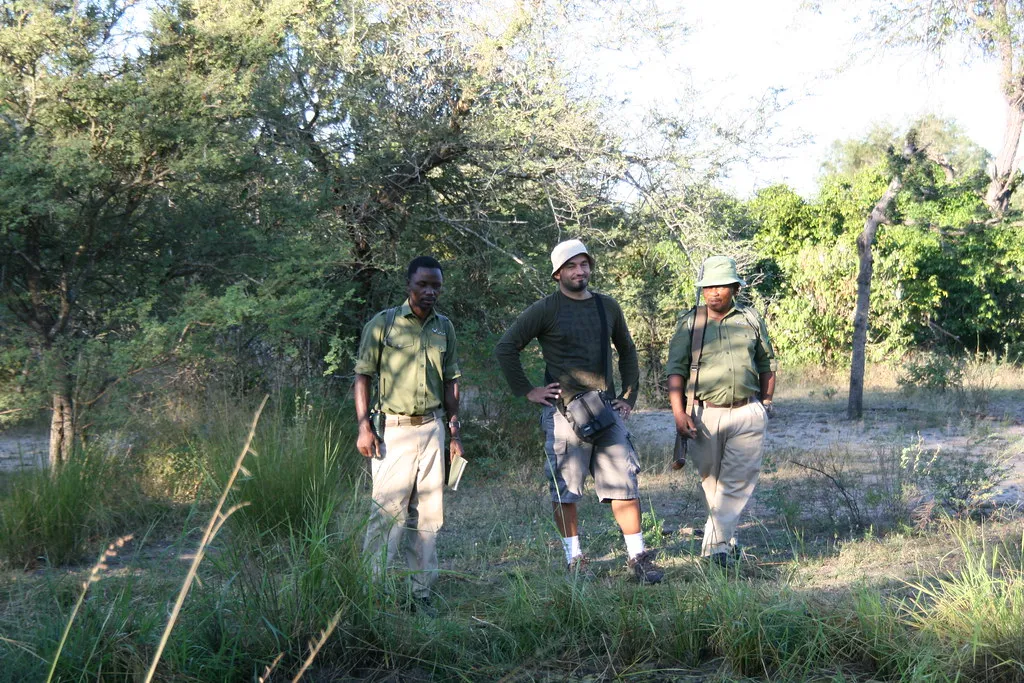
- Walks are led by armed rangers or qualified walking guides.
- Minimum ages vary, often 12 to 16; we check the rules for your trip.
A walking safari changes the way you see Africa. Instead of watching from a vehicle, you read tracks, learn which plants are used as medicine, notice beetles, birds and spoor, and feel the thrill of standing on the same ground as the animals. Walks are usually done early in the morning, when it is cool and wildlife is active, and they combine perfectly with game drives on the same day.
For what a walk feels like and how to prepare, read our inspiration on the walking safari. This page focuses on where to go and which trips include walks.
Where to walk in Uganda
- Lake Mburo National Park: there are no resident lions in the park, which makes it one of the best places in East Africa to walk among zebras, eland, impala and buffalo, and horseback safaris are also possible. See Lake Mburo National Park.
- Ziwa Rhino Sanctuary: track southern white rhinos on foot with rangers, often at close range. See rhino tracking on foot.
- Murchison Falls and Queen Elizabeth: guided nature walks, the hike to the top of the falls and the walk into Kyambura Gorge.
- Kidepo Valley: ranger-led walks on the plains and to Karamojong villages.
Where to walk in Kenya
- Laikipia and Ol Pejeta: many conservancies offer bush walks, and some have specialist walking guides. See Ol Pejeta and Laikipia.
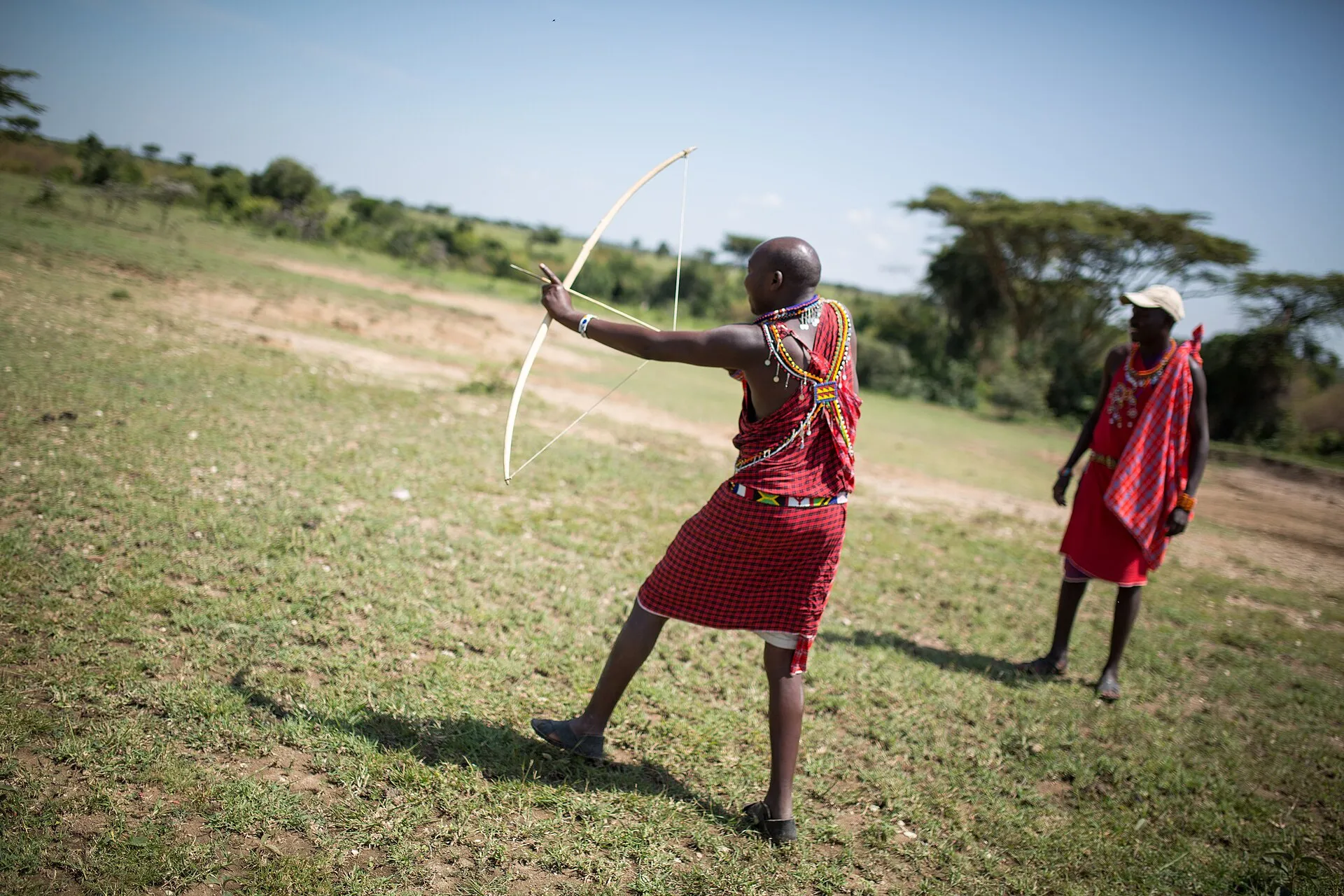
- Masai Mara conservancies: guided walks with Maasai guides are possible in the private conservancies around the reserve, though not inside the main reserve.
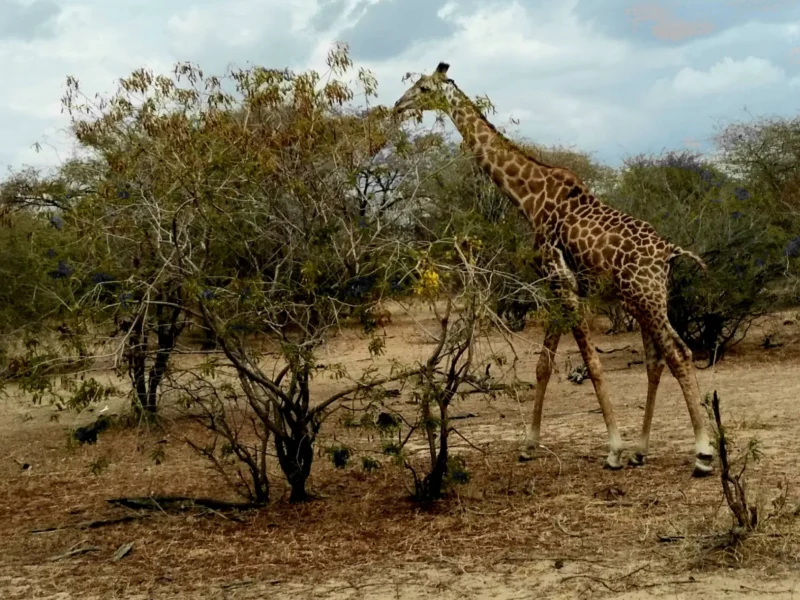
- Hell’s Gate: walk or cycle past zebras and giraffes, then hike through the gorge. See Lake Naivasha and Hell’s Gate.
Where to walk in Tanzania
- Nyerere National Park: walks along the Rufiji River and lakes, often combined with boat trips. See Nyerere National Park.
- Ruaha National Park: some of the wildest walking in East Africa, among baobabs and sand rivers. See Ruaha National Park.
- Arusha National Park: ranger-led walks below Mount Meru among giraffes and buffalo. See Arusha National Park.
Trips that include walking
- 2-day Lake Mburo safari
- 1-day Ziwa rhino tracking trip
- 7-day southern Tanzania safari: Nyerere and Ruaha
- 5-day Samburu and Ol Pejeta safari
Safety on a walking safari
Walks are led by an armed ranger or a qualified walking guide, who briefs you before setting off. You walk in single file, quietly, and follow every instruction. Guides keep a safe distance from dangerous animals and choose routes with good visibility. Wear neutral colours, comfortable closed shoes and a hat, and carry water.
stop often, listen and look down. Tracks, dung and flattened grass tell the story of the night before.
Who walking safaris suit
Walking suits travellers who have already done game drives and want to go deeper, photographers looking for small details, and anyone who loves being outdoors. Families with older children enjoy short walks, but minimum ages apply, often 12 to 16 depending on the park and the operator.
Frequently asked questions
Are walking safaris safe?
Yes, when led by an armed ranger or qualified walking guide and when you follow their instructions. Guides choose routes and distances carefully.
Where is the best walking safari in East Africa?
Ruaha and Nyerere in Tanzania for wild, remote walking; Lake Mburo in Uganda for walks among zebras and eland; and the Laikipia conservancies in Kenya.
Can children go on walking safaris?
Older children can join short walks in some parks. Minimum ages are often 12 to 16; we check the rules for each place on your route.
Can I walk in the Masai Mara?
Not inside the main reserve, but guided walks are possible in the private conservancies around it.
How long is a walking safari?
Most walks last one to four hours in the cool of the morning, followed by breakfast or lunch back at camp.

Written by our Kampala-based planners and guides, who arrange these trips every season. Prices and rules are checked before every quote.