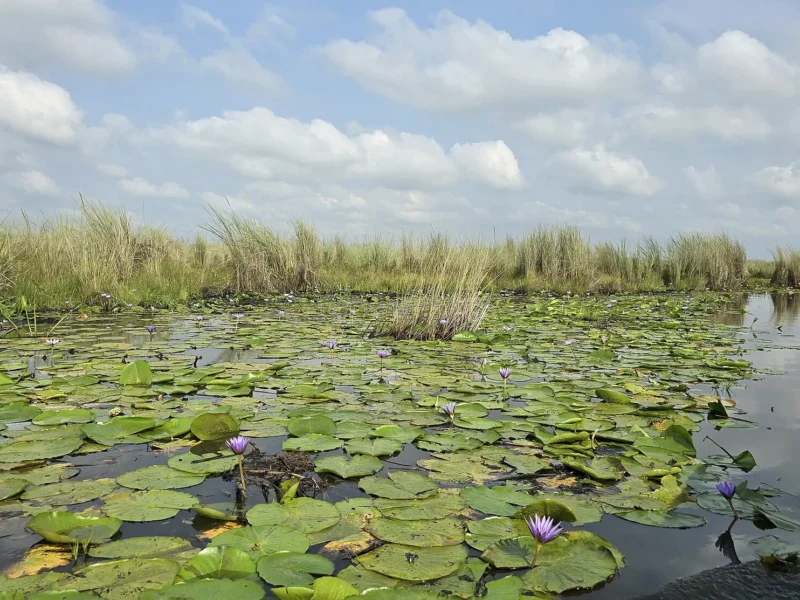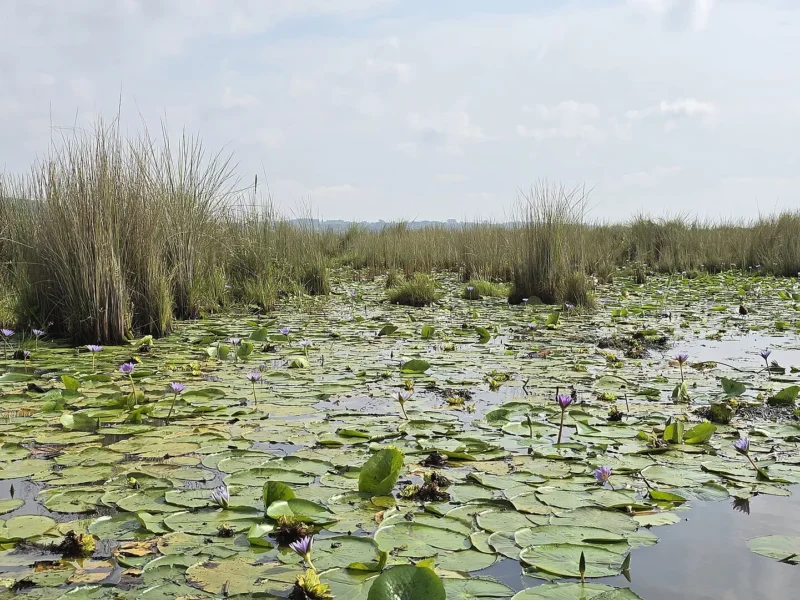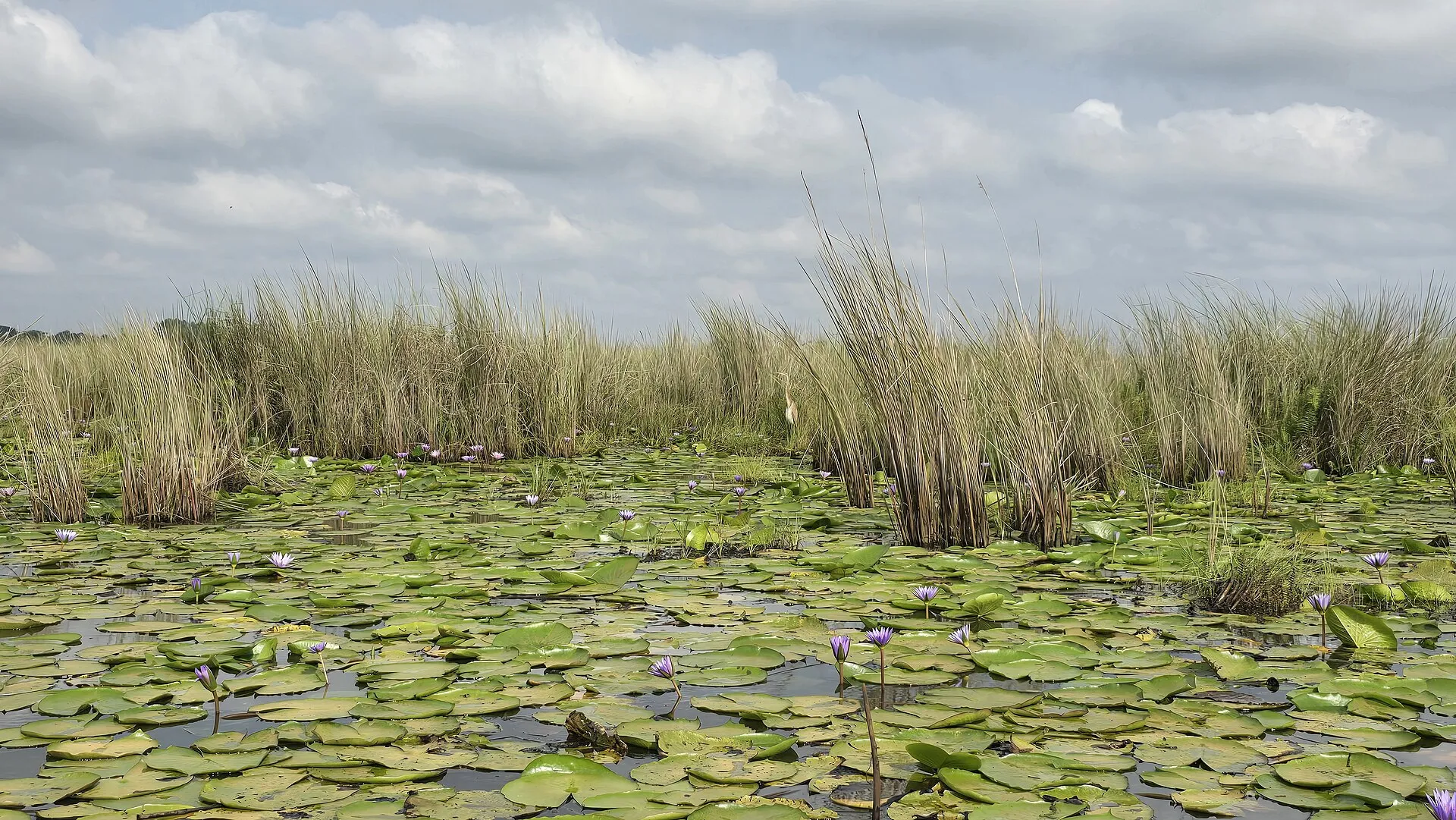
Mabamba Swamp is a Ramsar wetland on the shore of Lake Victoria, about 50 km west of Kampala and within easy reach of Entebbe. Local guides paddle or motor small canoes through the papyrus channels to find shoebills feeding on lungfish. Most visitors go in the morning, and the trip takes half a day, making it perfect on an arrival or departure day.
Key takeaways
- Easy half-day trip from Entebbe or Kampala.
- Canoes with local community guides.
- Shoebills are seen on most morning trips.
- Also great for papyrus specialists and waterbirds.
The shoebill is one of the most sought-after birds in Africa. It stands up to about 1.5 metres tall, with a huge bill shaped like a clog, and it can stand motionless for long periods before lunging at a lungfish. It is listed as vulnerable, and Uganda is one of the best countries to see it.
The canoe trip
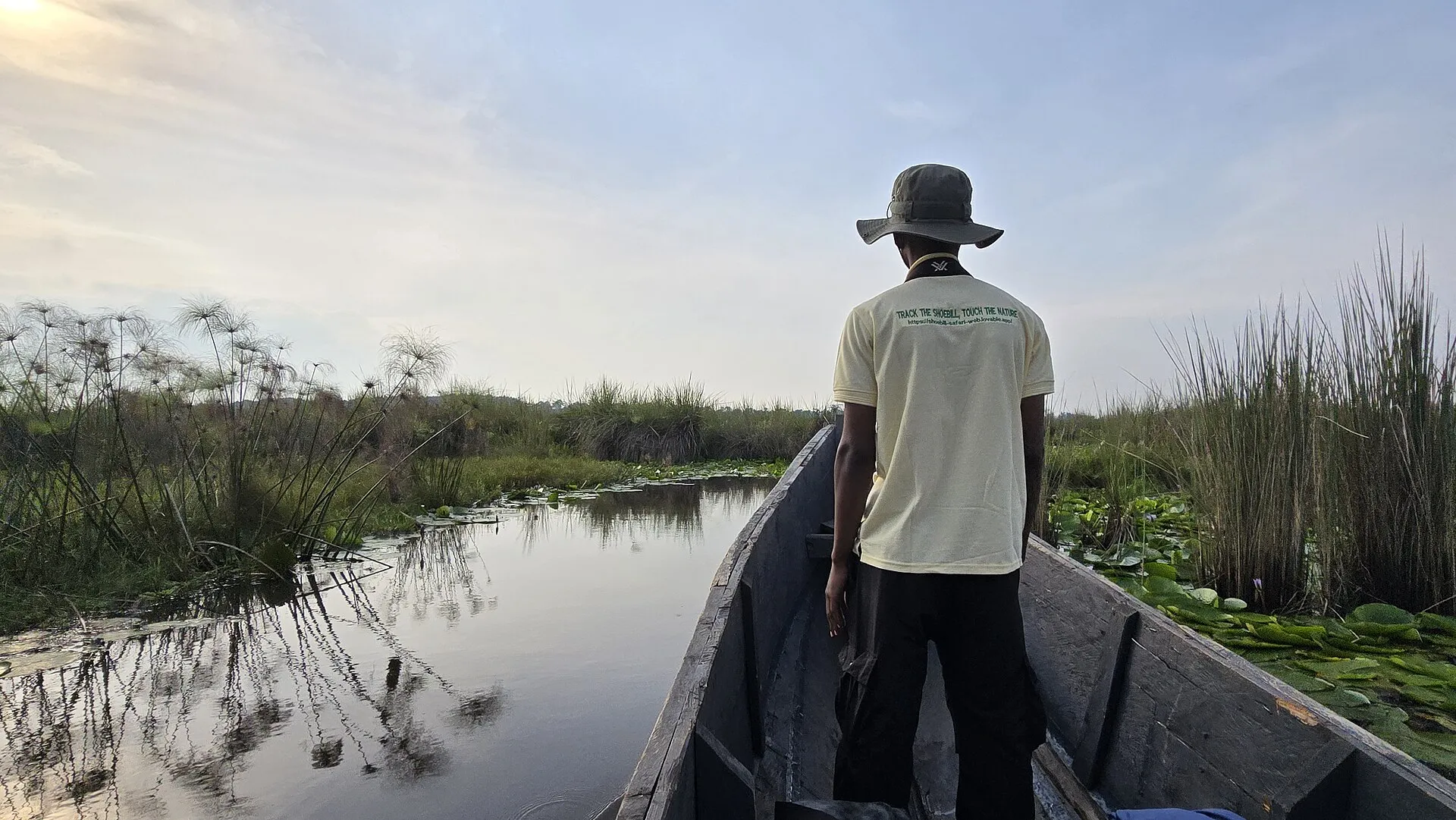
From the landing site at the edge of Mabamba Swamp, local guides take you out in small wooden canoes. The channels wind between papyrus and water lilies. Guides keep in touch with fishermen, who often know where a shoebill was feeding at dawn. When one is found, the canoe is held quietly at a respectful distance so that you can watch and photograph.
Other birds
- Papyrus gonolek, a bright red and black papyrus specialist.
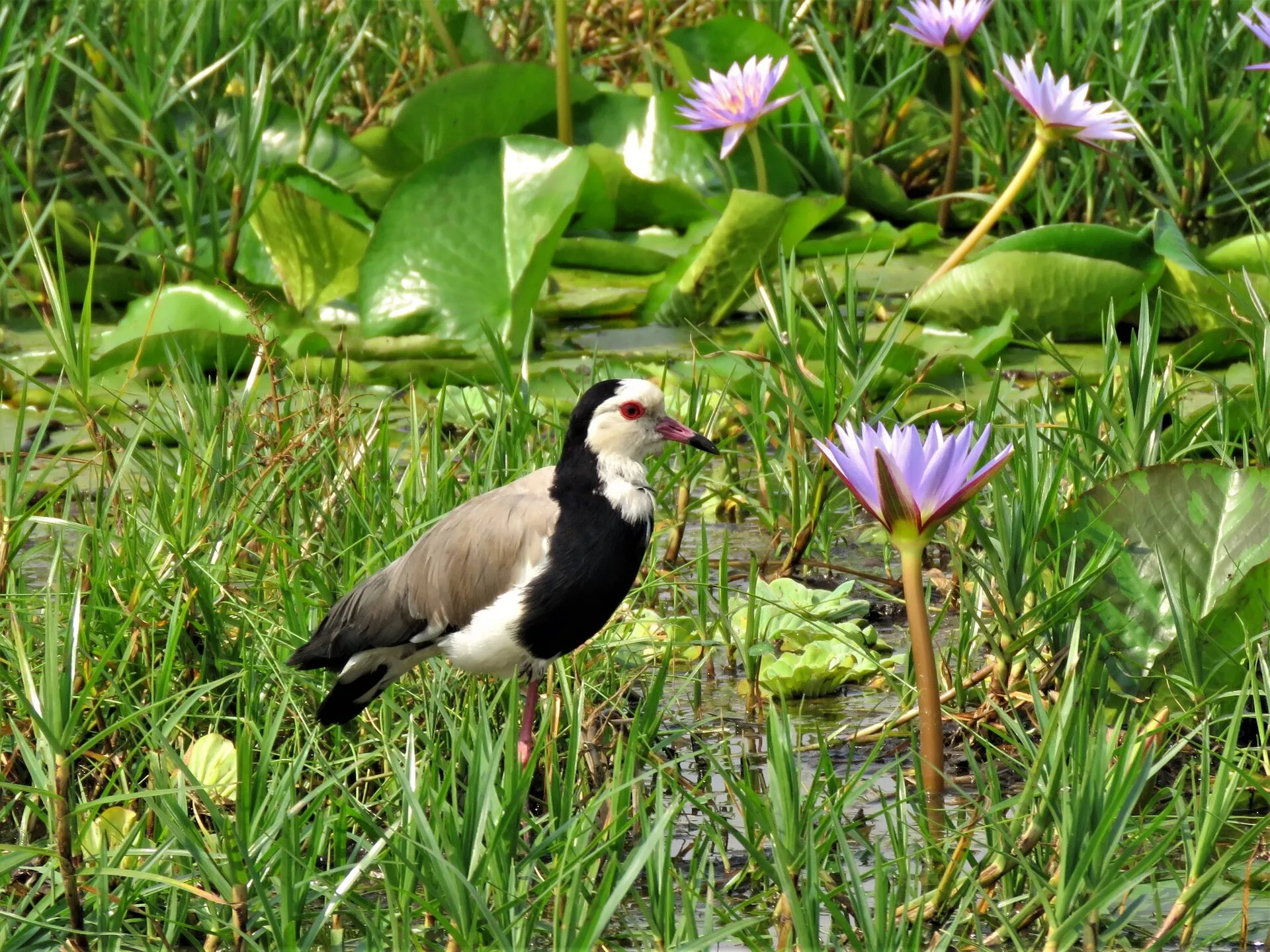
- African jacana, walking across the lily pads.
- Malachite and pied kingfishers.
- Herons, egrets and African fish eagles.
- Blue-breasted bee-eaters and many weavers.
A typical morning
Leave Entebbe or Kampala early, reach the landing site around 7:00–8:00am, and spend two to three hours on the water. You are back in town for lunch, or on your way to the airport or further on to Bwindi.
When to go
Shoebills are present all year. Mornings are best, before the heat and wind. Water levels change with the seasons, which can affect which channels canoes can reach.
Good to know
- Bring a hat, sun protection and a rain jacket.
- A zoom lens of 300 mm or more helps.
- Life jackets are provided; ask for one if not offered.
- Fees support the local community that protects the swamp.
Who it suits
Mabamba suits birders, photographers and anyone with half a day near Entebbe. It is also a gentle, family-friendly activity, and many travellers say the shoebill was their most memorable bird.
Shoebill facts
Shoebills are solitary hunters. They wait in shallow water, often for long periods, then collapse forward onto a lungfish, catfish or even a young crocodile, scooping it up with mud and weed. They breed in the dry season, laying one to three eggs, but usually raise only one chick. Their bill-clattering display sounds like a distant machine gun.
Getting to Mabamba
There are two main routes:
- From Entebbe: drive to Nakiwogo landing, cross by the short ferry to Kasanje, and continue by road to the swamp. The trip takes about an hour to an hour and a half, depending on the ferry.
- From Kampala: drive south-west via Kasanje, about one and a half to two hours depending on traffic.
Most visitors leave around 6:00–6:30am to reach the swamp early, when shoebills are most active and the water is calm.
About the shoebill
| Fact | Detail |
|---|---|
| Scientific name | Balaeniceps rex |
| Height | About 1.1–1.5 m |
| Wingspan | Up to about 2.5 m |
| Diet | Lungfish, catfish, frogs, water snakes, young crocodiles |
| Status | Vulnerable (IUCN) |
| Range | Swamps of east-central Africa, from South Sudan to Zambia |
Shoebills are solitary and territorial outside the breeding season. They hunt by standing still in shallow water for long periods, then lunging forward. Their bill can be more than 20 cm long, with a sharp hook at the tip. They are usually silent, but clatter their bills loudly at the nest.
The community behind Mabamba
Mabamba is managed with the help of local guides and fishermen, organised in a community tourism group. In the past, shoebills were sometimes harmed by fishermen who believed the birds brought bad luck. Today, the birds bring income, so the community protects them. Your fees pay guides, boatmen and village projects.
Where else to see shoebills
| Place | Country | Chances |
|---|---|---|
| Mabamba Swamp | Uganda | High on morning trips |
| Murchison Falls delta | Uganda | Good in the dry season |
| Ziwa Rhino Sanctuary swamps | Uganda | Possible on the shoebill walk |
| Akagera National Park | Rwanda | Rare |
| Lake Mburo | Uganda | Rare |
Photography tips
The canoe moves, so use a fast shutter speed (1/1000s or faster) and a lens of at least 300 mm. Shoebills often stand still, which gives you time to compose. Ask the guide to position the canoe with the sun behind you. Morning light is soft and warm, and mist over the swamp adds atmosphere.
Responsible viewing
Good guides never chase or crowd the birds, and keep the canoe at a respectful distance. If a shoebill becomes restless or flies, the guide will move away. Stay seated and quiet, and avoid playback or loud noise.
Best time of year
Shoebills are seen at Mabamba all year. In the drier months, lower water concentrates fish in the channels, and birds can be easier to find. In the rainy months, water spreads into the swamp and guides may need to search further, but the scenery is green and lush. Mornings are always best, before the wind picks up.
Who it suits
Birders, photographers, families and anyone with a morning near Entebbe.
Plan it
Book our 1-day Mabamba shoebill trip or combine it with gorillas on the 4-day Mabamba shoebill and Bwindi gorilla safari. Read finding the shoebill at Mabamba.
Frequently asked questions
Is the shoebill guaranteed at Mabamba?
Not guaranteed, but it is seen on most morning trips.
How long is the canoe trip?
Usually two to three hours on the water.
Can I visit on my arrival day?
Yes, if you land early; otherwise on your departure day.
Is it suitable for children?
Yes, with life jackets and adult supervision.
Where can I stay before a Mabamba trip?
Entebbe is closest, with hotels near the lake and the airport; Kampala also works with an earlier start.

Written by our Kampala-based planners and guides, who arrange these trips every season. Prices and rules are checked before every quote.