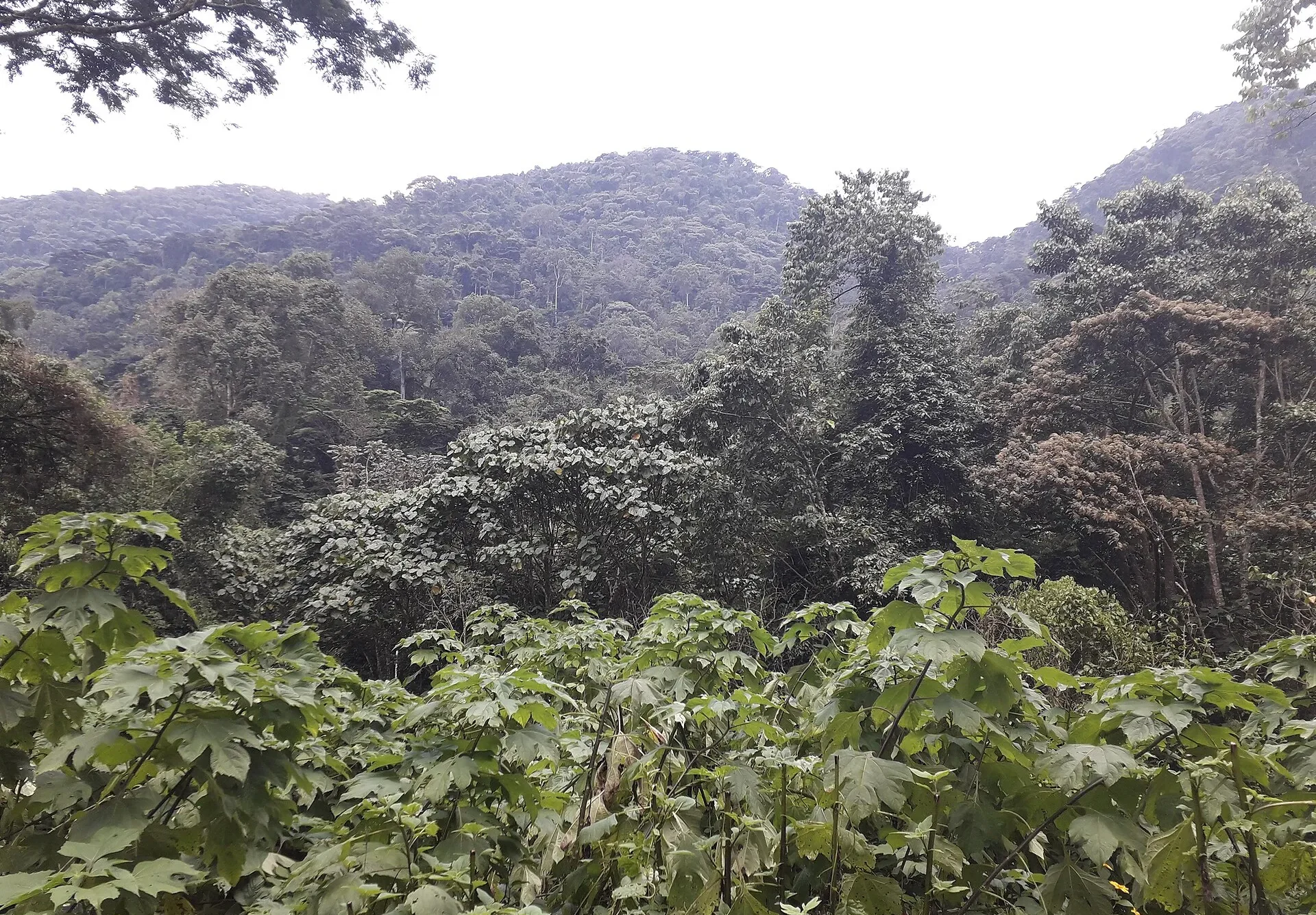
Bwindi Impenetrable National Park holds around 350 bird species, including about 23 Albertine Rift endemics. Highlights include the African green broadbill at Mubwindi Swamp, Rwenzori turaco, handsome francolin, regal sunbird and Rwenzori batis. The best birding is around Ruhija, at higher altitude, and on the trails near Buhoma.
Key takeaways
- About 350 bird species.
- Around 23 Albertine Rift endemics.
- Ruhija is the best birding area.
- Combine birding with gorilla trekking.
The Albertine Rift is the western branch of the Great Rift Valley, running through the mountains of Uganda, Rwanda, Burundi and Congo. Its forests have more endemic birds than anywhere else in mainland Africa. Bwindi is one of the best places to see them.
Key species
- African green (Grauer’s) broadbill: a rare, bright green bird of the Mubwindi Swamp area.
- Rwenzori turaco: with brilliant colours and red wings in flight.
- Handsome francolin, often heard calling at dawn.
- Regal and blue-headed sunbirds.
- Rwenzori batis, strange weaver and dusky twinspot.
- Grauer’s rush warbler in the swamp.
Ruhija and Mubwindi Swamp
Ruhija lies at about 2,300 metres. The trail down to Mubwindi Swamp is steep, and the walk takes most of a day, but it is the classic route for the broadbill and other specials. Expect mist in the mornings and cool temperatures.
Buhoma and the Neck
The waterfall trail at Buhoma and the road through “the Neck” between Buhoma and Ruhija are also excellent for forest birds, including many lower-altitude species.
When to go
Birding is good year-round. Many species breed and sing from about March to May and September to November, the wetter months, when birding is often best, though trails are muddy. The drier months make walking easier.
Good to know
- Birding walks cost US$40 with a UWA guide; a specialist birding guide is recommended.
- Bring waterproof boots and rain gear.
- Use playback sparingly and follow guide instructions.
- Read our birding guide to the Albertine Rift endemics.
Who it suits
Bwindi birding suits keen birders, photographers and anyone combining gorillas with nature walks. Non-birding partners can trek gorillas while you bird.
A suggested birding plan
- Day 1: arrive in Buhoma and bird the waterfall trail and forest edge.
- Day 2: drive through the Neck to Ruhija, birding on the way.
- Day 3: a full day on the Mubwindi Swamp trail for the broadbill and swamp specials.
- Day 4: bird around Ruhija in the morning, then trek gorillas or move on.
This plan gives a good chance of seeing many of Bwindi’s endemics, and fits well with a gorilla trek in the Ruhija or Buhoma sectors. Bwindi’s birds are often shy and high in the canopy, so a patient, specialist guide is the key to success.
Where to stay for birding
Ruhija has a handful of lodges and camps on the ridge, close to the Mubwindi Swamp trail. Buhoma has a wider choice, closer to the waterfall trail. Many birders split their stay between the two, birding the Neck on the drive.
A list of target species
- African green broadbill
- Rwenzori turaco
- Handsome francolin
- Regal sunbird
- Blue-headed sunbird
- Rwenzori batis
- Strange weaver
- Dusky twinspot
- Grauer’s rush warbler
- Red-throated alethe
- Mountain masked apalis
- Collared apalis
- Stripe-breasted tit
- Yellow-eyed black flycatcher
Not all are easy, and some, like the broadbill, need luck. A specialist guide knows calls and favourite trees.
Tips for success
- Start at dawn and stay out until late morning.
- Bird along forest edges and trails, where visibility is better.
- Be patient with mixed flocks.
- Bring rain gear; Bwindi is wet.
Combining birds and gorillas
Gorilla families live in the Ruhija and Buhoma sectors, so you can trek one day and bird the next.
Why the Albertine Rift is so rich
The mountains of the Albertine Rift rise steeply from the lowlands, creating a range of habitats from lowland forest to bamboo and alpine moorland within a short distance. During ice ages, when Africa’s climate became drier, these mountain forests survived as refuges while forests elsewhere shrank. Species that lived here evolved in isolation, giving rise to many endemic birds, primates, amphibians and plants. Bwindi, which spans altitudes from about 1,160 to 2,600 metres, holds a large share of this diversity, which is why it is one of Africa’s most important forests for birdwatchers and conservationists.
Plan it
Our 14-day Uganda birding safari and 7-day Uganda birding safari include Bwindi. See our birders’ travel guide.
Frequently asked questions
What is an Albertine Rift endemic?
A species found only in the mountains and forests of the Albertine Rift.
Where is the best birding in Bwindi?
Ruhija and the trail to Mubwindi Swamp.
Can I see the African green broadbill?
It is possible, but rare; plan a full day at Mubwindi.
Do I need a birding guide?
Yes; specialist guides know calls and sites.
Which sector is best for birding?
Ruhija, for the Mubwindi Swamp trail and high-altitude endemics.
Is Bwindi good for beginner birders?
Yes, with a good guide, though forest birding is challenging; it is easier to start with forest-edge birds near Buhoma.

Written by our Kampala-based planners and guides, who arrange these trips every season. Prices and rules are checked before every quote.

