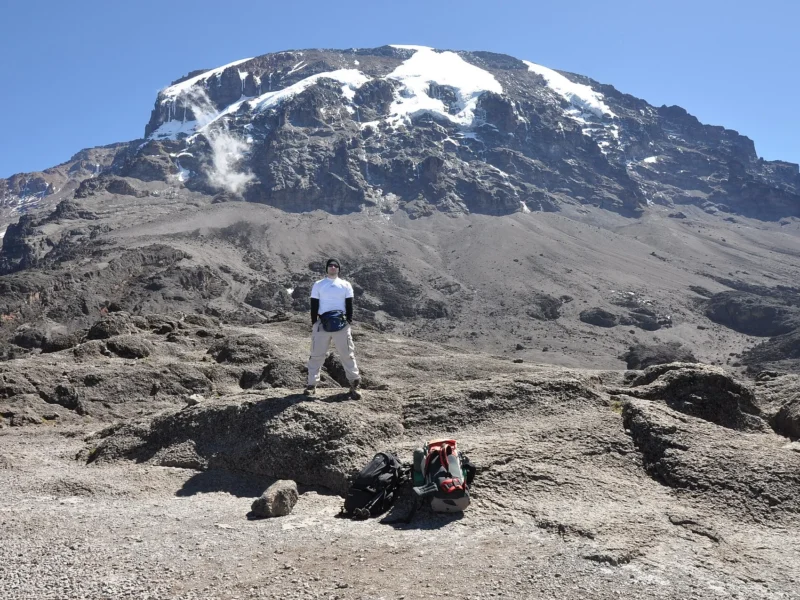
Kilimanjaro, in northern Tanzania, rises to 5,895 metres at Uhuru Peak, the highest point in Africa. It can be climbed without technical skills on routes such as Machame, Marangu, Lemosho and Rongai, usually over six to nine days. Longer routes give more time to acclimatise and improve your chance of reaching the summit. The best months are January to mid-March and June to October.
Key takeaways
- Uhuru Peak: 5,895 m.
- No technical climbing needed.
- Routes of 6–9 days; longer is better.
- Best: January–March and June–October.
Climbing Kilimanjaro means climbing a dormant volcano with three cones: Kibo, Mawenzi and Shira. The summit, Uhuru Peak, lies on the rim of Kibo. Every year, tens of thousands of trekkers attempt the climb.
The main routes
- Marangu: the only route with huts; often 5–6 days.
- Machame: scenic and popular, usually 6–7 days, with good acclimatisation.
- Lemosho: remote western approach, 7–8 days, with high success rates.
- Rongai: from the north, drier and quieter.
The zones
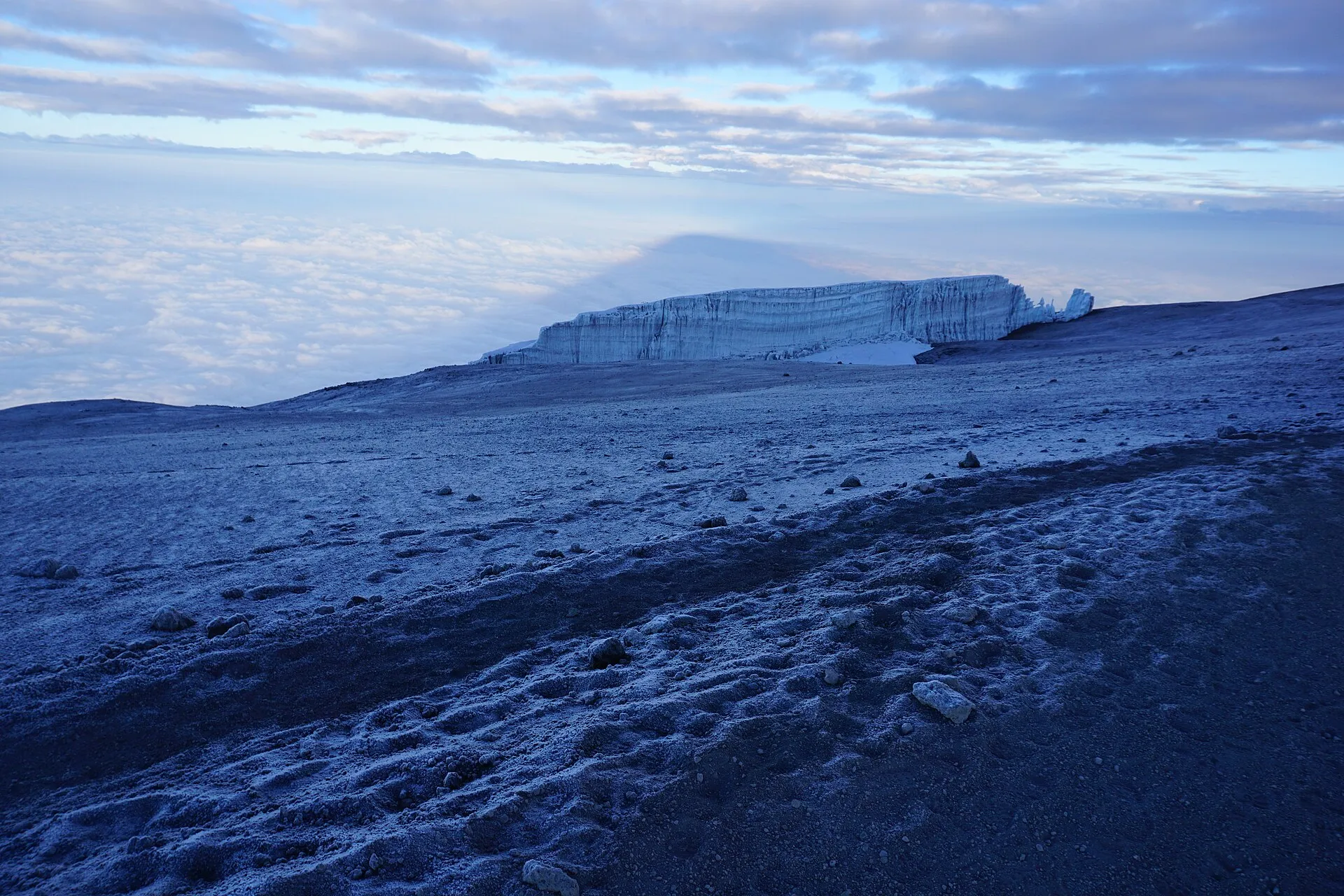
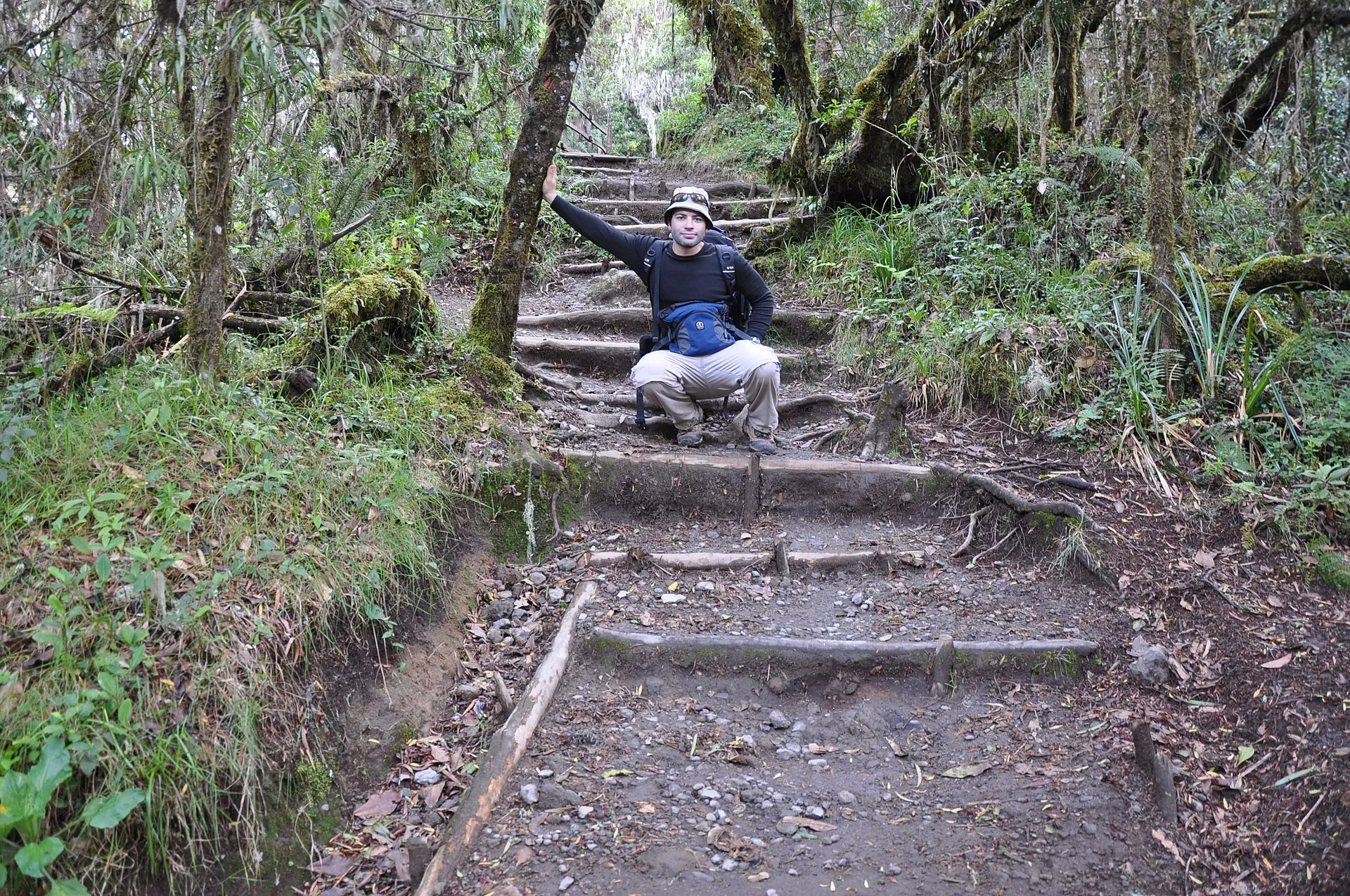
You climb through farmland, rainforest, heath and moorland, alpine desert and finally the arctic summit zone, with glaciers and ice cliffs. Each day brings a new landscape.
Summit night
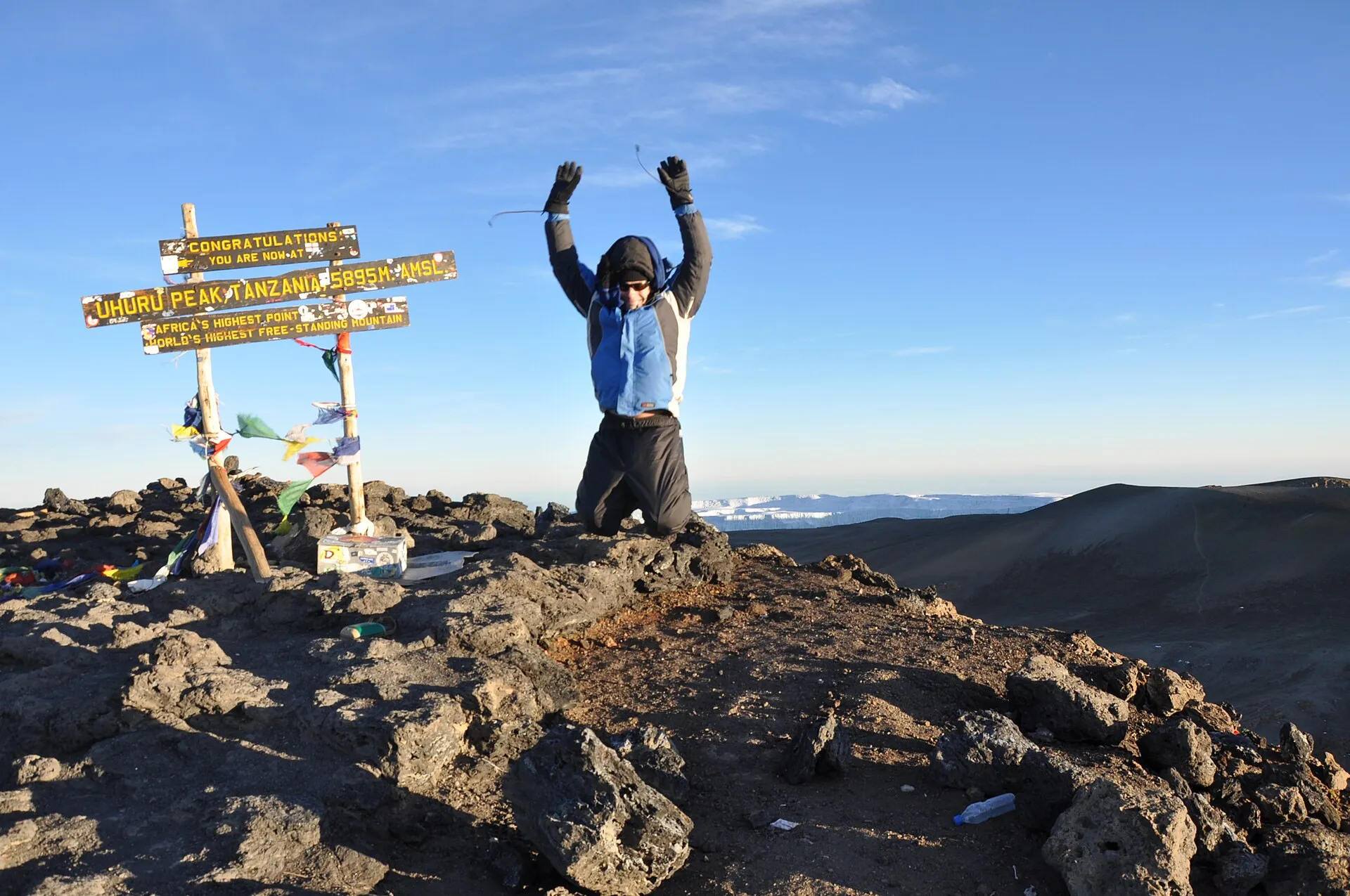
Most climbers start for the summit around midnight, climbing slowly in the cold and dark to reach Stella Point or Uhuru Peak around sunrise. It is long and tough, but the view is unforgettable.
When to go
January to mid-March and June to October are the driest times. April and May are the wettest.
Good to know
- Altitude is the main challenge; walk slowly (“pole pole”).
- Drink plenty of water and eat well.
- Choose a route of 7 days or more for better success.
- The minimum age is 10.
Who it suits
Kilimanjaro suits fit, determined trekkers with no technical climbing experience. Training with long hikes before the trip helps.
Combine it with a safari
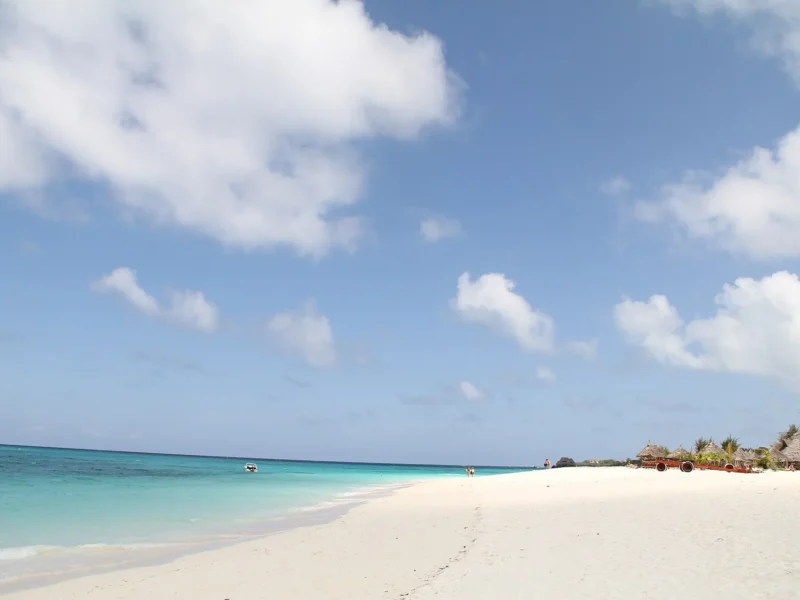
After the climb, relax on a safari in Tarangire, Ngorongoro or the Serengeti, or on the beach in Zanzibar.
What it costs
The cost of a climb includes park fees, which make up a large share, as well as guides, porters, cooks, food, equipment and transfers. Longer routes cost more but have higher success rates. Choose an operator that pays and treats its porters fairly, provides good food and safety equipment, and carries oxygen and a first-aid kit.
What to pack
- Warm sleeping bag rated well below freezing.
- Layers: base layers, fleece, down jacket and waterproof shell.
- Good boots, broken in before the trip.
- Head torch, gloves, hat and sunglasses.
- Water bottles or a hydration bladder.
A day on the mountain
Days start early with tea or coffee in your tent and a hot breakfast. You walk for five to seven hours at a slow, steady pace with your guide, stopping for water, snacks and a packed or hot lunch. Porters carry the main loads and set up camp before you arrive. Afternoons are for resting, acclimatisation walks and dinner, with an early night. Temperatures drop quickly after sunset, especially at higher camps.
Altitude sickness
Altitude sickness is the main reason climbers do not reach the summit. Symptoms include headache, nausea, dizziness and tiredness. The best prevention is a slow ascent, a longer route and plenty of fluids. Guides check climbers’ health daily, and anyone with serious symptoms must descend. Talk to a doctor before the climb about medication and fitness.
Choosing an operator
Choose a licensed operator with experienced guides, good equipment, safety procedures and fair treatment of porters. Ask about guide qualifications, porter wages and loads, oxygen and first aid.
The view from the top
At sunrise from Uhuru Peak, you see the glaciers, the crater and the plains of Kenya and Tanzania stretching away below the clouds. It is an unforgettable reward for the effort.
Who it suits
Kilimanjaro suits fit, determined trekkers. Families with teenagers (minimum age 10) can attempt it on longer routes.
Training for the climb
Start training two to three months before the climb. Walk regularly on hills with a daypack, gradually increasing distance and time. Add stair climbing and cardio exercise such as cycling or swimming. If possible, do a few long hikes of five to seven hours to test your boots and equipment. Good fitness will not prevent altitude sickness, but it makes the long days more enjoyable and helps you recover overnight.
Plan it
Our 7-day Kilimanjaro climb on the Machame route and 6-day climb on the Marangu route include guides, porters and park fees. See also elephants beneath Kilimanjaro.
Frequently asked questions
How hard is it to climb Kilimanjaro?
It is non-technical, but altitude makes it challenging.
How many days do I need?
Six to nine; seven or more improves success.
What is the best route?
Machame and Lemosho offer good acclimatisation and scenery.
Do I need training?
Regular hiking and fitness training are recommended.
What is the success rate on Kilimanjaro?
It varies by route length; longer routes with better acclimatisation have higher summit success rates.
Can I combine Kilimanjaro with a safari?
Yes. Many climbers finish with a safari in Tarangire, Ngorongoro or the Serengeti, or relax in Zanzibar.

Written by our Kampala-based planners and guides, who arrange these trips every season. Prices and rules are checked before every quote.