The Kigali Genocide Memorial at Gisozi, opened in 2004, remembers the genocide against the Tutsi in 1994, when around a million people were murdered in about 100 days. More than 250,000 victims are buried in its mass graves. Exhibitions explain the history that led to the genocide, the killings, and Rwanda’s recovery. Entry is free; donations and audio guides support the memorial’s work.
Key takeaways
- Remembers the 1994 genocide against the Tutsi.
- More than 250,000 victims are buried here.
- Exhibitions on history, genocide and recovery.
- Entry is free; allow two to three hours.
No visit to Rwanda is complete without understanding what happened in 1994. Between April and July of that year, Hutu extremists organised the murder of Tutsi and of moderate Hutu who opposed them. Neighbours killed neighbours, often with machetes, in homes, churches and schools. The genocide ended when the Rwandan Patriotic Front took control of the country in July 1994.
The memorial at Gisozi, on a hillside overlooking Kigali, is both a burial place and a place of learning. It is run by Aegis Trust with the Rwandan government, and was opened on the tenth anniversary of the genocide.
What you see
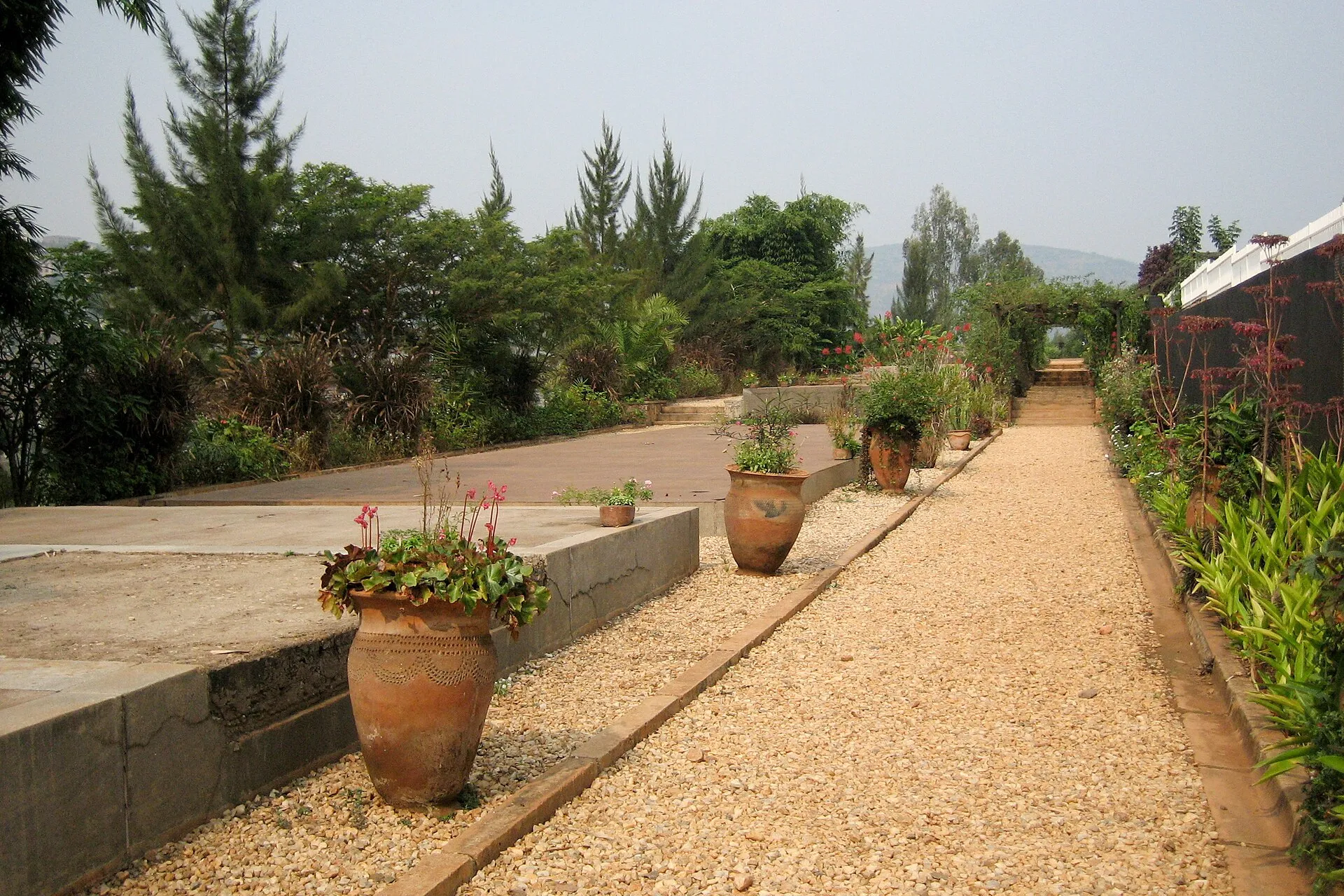
- The mass graves, covered by concrete slabs and flowers, where more than 250,000 victims are buried.
- The main exhibition, which traces the colonial origins of ethnic division, the propaganda and planning before 1994, the hundred days of killing, and the aftermath of justice and reconciliation.
- The children’s memorial, with photographs and short descriptions of individual children who were killed, among the most moving rooms.
- An exhibition on other genocides, including the Holocaust, Armenia and Cambodia.
- The wall of names, still being completed as victims are identified.
- The gardens, designed for quiet reflection.
How to prepare
The exhibitions include photographs, personal belongings and some human remains. The children’s room in particular is very hard to see. Take your time, step outside into the gardens when you need to, and talk about the visit afterwards. Many visitors find it helps to go early in a trip, as it deepens your understanding of everything you see afterwards in Rwanda.
Etiquette
- Dress respectfully.
- Keep voices low and phones on silent.
- Photography is not allowed inside the exhibitions.
- Do not discuss ethnicity casually; Rwandans today identify as Rwandan, and ethnic labels are sensitive.
Kwibuka and Umuganda
Each year from 7 April, Rwanda observes Kwibuka, a national period of remembrance. Some activities and businesses close or change hours, especially in the first week, and visiting the memorial at this time is especially solemn. On the last Saturday morning of each month, Umuganda community work takes place across the country, and many places open later.
Other memorials
In 2023, UNESCO inscribed four genocide memorial sites as a World Heritage Site: Gisozi in Kigali, Nyamata and Murambi, where churches and a school became sites of mass killing, and Bisesero in the west, where Tutsi resisted for weeks. Nyamata, about 30 km from Kigali, can be added to a half-day visit.
When to go
The memorial is open daily, though hours may change on public holidays and during Umuganda. Mornings are quieter. Allow two to three hours.
Good to know
- Entry is free; donations are welcome, and audio guides are available for a fee.
- The memorial is about 15 minutes from central Kigali.
- A café on site offers a quiet place afterwards.
- Combine with Kigali’s art and coffee scene later in the day for a gentler afternoon.
Who it suits
The memorial is for every visitor to Rwanda. Families should consider whether younger children are ready for the exhibitions; the gardens and graves can be visited separately.
Rwanda today
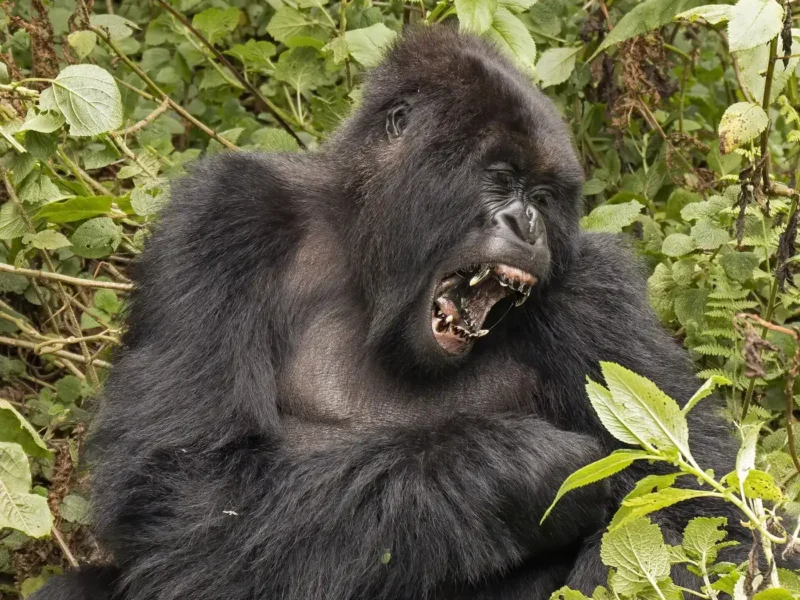
Rwanda has worked hard on reconciliation, justice and rebuilding. The country you see today, with its clean streets, safe cities and fast-growing economy, was built by people who lived through 1994. Understanding the memorial helps you appreciate their resilience. Read about the gorillas and wildlife of Rwanda.
Talking with Rwandans
Many Rwandans you meet, from guides to hotel staff, lived through 1994 or lost family members. It is fine to show respect and to say you visited the memorial, but let people choose whether to share their own stories. Avoid asking about anyone’s ethnicity.
Plan it
The memorial is part of our 1-day Kigali city tour and 5-day Rwanda gorillas, golden monkeys and Kigali.
Frequently asked questions
How long does a visit take?
About two to three hours.
Is there an entry fee?
No. Entry is free; donations and audio guides support the memorial.
Can I take photographs?
Not inside the exhibitions; ask before photographing outside.
Is it suitable for children?
The exhibitions are very graphic; parents should decide carefully.
When is Kwibuka?
The national remembrance period begins on 7 April each year.
Do I need to book in advance?
Individual visitors can usually walk in; groups should book ahead, and we arrange the visit as part of your Kigali day.

Written by our Kampala-based planners and guides, who arrange these trips every season. Prices and rules are checked before every quote.