Coffee farm tours let you follow coffee from tree to cup with local farmers. In Uganda, tours run on Mount Elgon near Sipi Falls and in the Rwenzori foothills; in Rwanda, around Lake Kivu, Huye and Nyungwe; and in Tanzania, on the slopes of Kilimanjaro near Moshi and in the Ngorongoro highlands. Tours usually take two to three hours and end with a tasting.
Key takeaways
- Follow coffee from tree to cup.
- Tours in Uganda, Rwanda and Tanzania.
- Pick, pulp, dry, roast and taste.
- Buy directly from farmers.
East Africa produces some of the world’s best coffee. Uganda is one of Africa’s largest coffee exporters and is home to wild robusta in its forests. Rwanda is known for bright speciality arabica. Tanzania’s Kilimanjaro coffee is famous worldwide.
What you do
- Picking: select ripe red cherries from the trees.
- Pulping: remove the fruit to reveal the beans.
- Fermenting and washing: clean the beans.
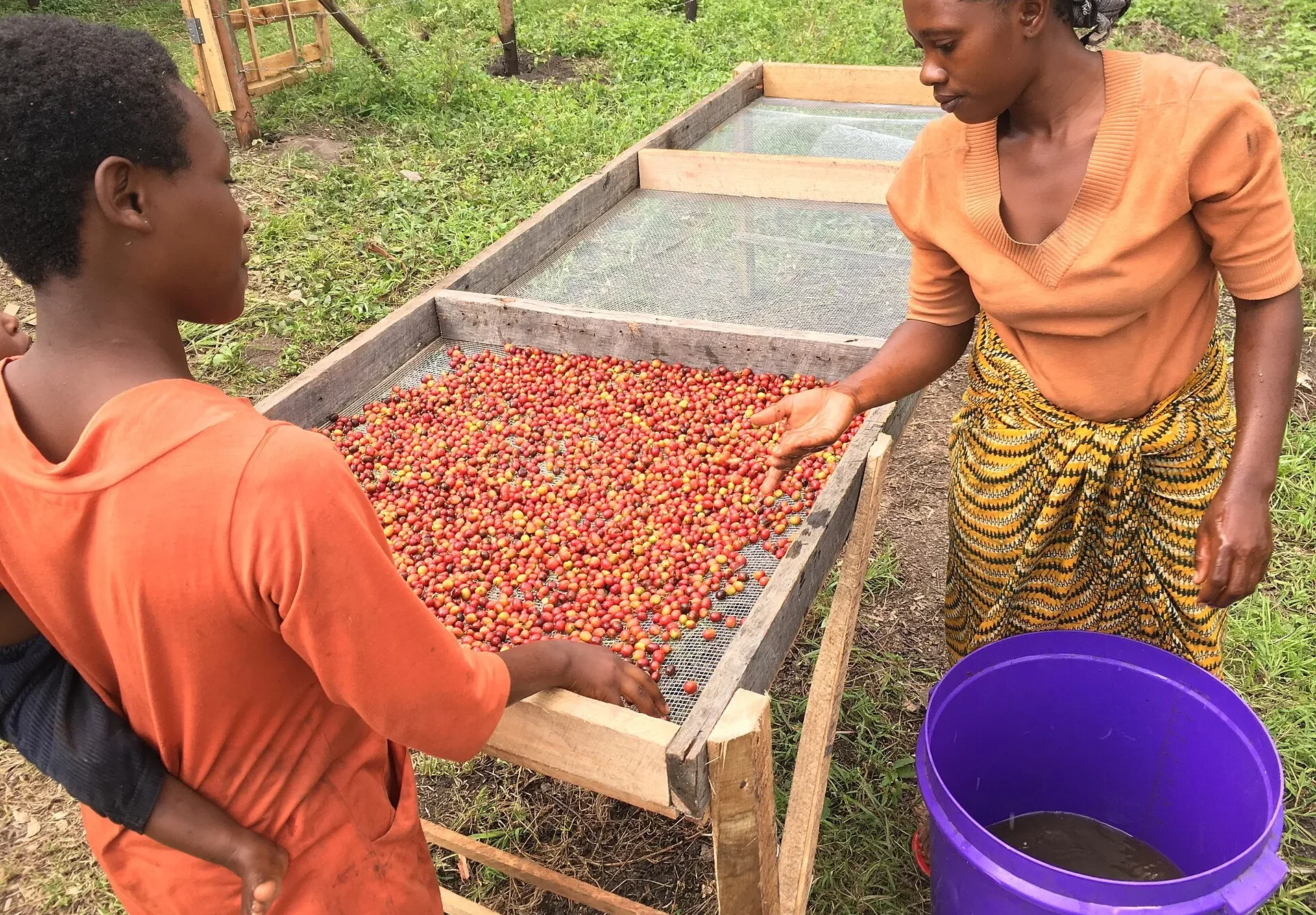
- Drying: spread them on raised beds in the sun.
- Hulling: remove the parchment.
- Roasting: roast over a fire in a pan, stirring constantly.
- Grinding and brewing: pound the beans and brew a fresh cup.
Where to go
- Mount Elgon, Uganda: Bugisu arabica farms near Sipi Falls.
- Lake Kivu, Rwanda: washing stations and farms near Rubavu and Karongi; see kayaking on Lake Kivu.
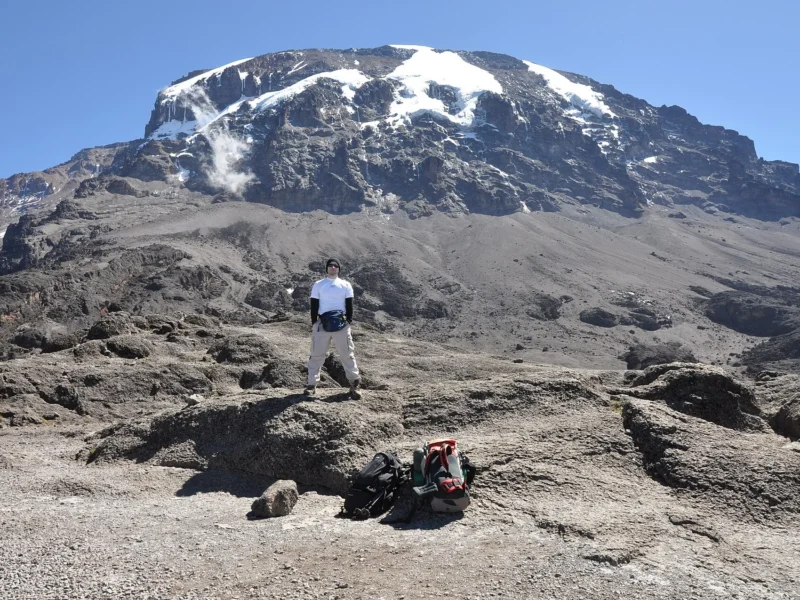
- Kilimanjaro, Tanzania: Chagga farms on the mountain’s slopes near Moshi.
- Karatu, Tanzania: coffee farms in the Ngorongoro highlands.
When to go
Tours run year-round. The harvest season, when you can pick cherries, varies by region; roughly October to December and April to June in many areas.
Good to know
- Tours last two to three hours.
- Wear comfortable shoes for walking on farms.
- Buy coffee directly to support farmers.
- Ask about cooperatives and fair prices.
Who it suits
Coffee tours suit coffee lovers, families and anyone interested in rural life. They are a relaxed activity on a rest day.
Coffee and communities
Most East African coffee is grown by smallholder farmers on a few hectares. Prices are volatile, and cooperatives help farmers get better prices and access to markets. Visiting farms and buying directly helps families earn more.
Coffee in Uganda, Rwanda and Tanzania
- Uganda: robusta grows wild in Uganda’s forests, and the country is one of the largest coffee exporters in Africa. Arabica is grown on the slopes of Mount Elgon, the Rwenzori and in the West Nile region.
- Rwanda: almost all coffee is arabica, grown by smallholders at high altitude and processed at washing stations. Rwandan coffee is known for clean, fruity, floral flavours.
- Tanzania: coffee was introduced to the Kilimanjaro region by missionaries in the late 19th century. Chagga farmers grow it among bananas on the mountain’s slopes, and the Ngorongoro highlands around Karatu have large estates.
Washed or natural?
In a washed process, the fruit is removed before drying, giving a clean, bright taste. In a natural process, the whole cherry dries in the sun, giving a sweeter, fruitier cup. Many farms will show you both, and a tasting lets you compare.
A typical tour
Your host greets you at the farm, explains how coffee is grown alongside bananas, beans and other crops, and leads you through the trees to pick ripe cherries. You then follow each step by hand, from pulping to roasting over a wood fire, often with songs and stories. The tour ends with a cup brewed from the beans you roasted, sometimes with a snack of roasted groundnuts or bananas. The whole experience is relaxed and sociable.
Costs
Tours usually cost a modest fee per person, paid to the farmer or cooperative, and coffee is sold by the bag. Prices are agreed in advance by your guide.
Combine it with
A coffee tour pairs naturally with a waterfall walk at Sipi, a rest day on Lake Kivu or a recovery day in Moshi after climbing Kilimanjaro. It is a relaxed half-day that adds a taste of rural life to an active trip, and the beans make a lasting souvenir.
Plan it
Add a coffee tour to Sipi Falls in Uganda, Lake Kivu in Rwanda on our 4-day Rwanda gorillas and Lake Kivu safari, or Kilimanjaro after the 7-day Machame climb.
Frequently asked questions
Where can I do a coffee tour in Uganda?
On Mount Elgon near Sipi Falls and in the Rwenzori foothills.
How long is a coffee tour?
About two to three hours.
Can I buy coffee?
Yes, directly from farmers and cooperatives.
When is harvest season?
It varies by region; often October to December and April to June.
Is it suitable for children?
Yes. The hands-on activities are fun for families.
Is Ugandan coffee good?
Yes. Uganda produces excellent robusta and fine arabica from Mount Elgon and the Rwenzori, increasingly sold as speciality coffee.
Can I take coffee home?
Yes. Roasted beans in sealed bags travel well; check your country’s customs rules for food products.
Do I need to like coffee to enjoy the tour?
No. The farm walk, the people and the process are interesting for everyone, and tea or juice is usually available.

Written by our Kampala-based planners and guides, who arrange these trips every season. Prices and rules are checked before every quote.