Plains zebras are common in most East African savannah parks: the Serengeti, Ngorongoro Crater, Masai Mara and Tarangire in Tanzania and Kenya, Lake Mburo and Kidepo Valley in Uganda, and Akagera in Rwanda. The endangered Grevy’s zebra lives almost only in northern Kenya, where Samburu, Ol Pejeta and the Laikipia conservancies are the best places to see it. Hundreds of thousands of plains zebras travel with the wildebeest on the great migration.
Key takeaways
- East Africa has two zebra species: the plains zebra and the Grevy’s zebra.
- Lake Mburo is the best place to see zebras in Uganda.
- Grevy’s zebras live almost only in northern Kenya and are endangered.
- Hundreds of thousands of zebras join the great migration.
- Research suggests stripes help deter biting flies.
Few animals are as instantly recognisable as the zebra, and few are as photogenic, whether a herd is drinking at a waterhole or a foal is pressed against its mother’s side. On an East African safari you can see two of the world’s three zebra species.
Where to see zebras
- Serengeti and the Masai Mara: huge numbers of plains zebras, especially with the great migration.
- Ngorongoro Crater and Tarangire, Tanzania: easy, close sightings throughout the year.
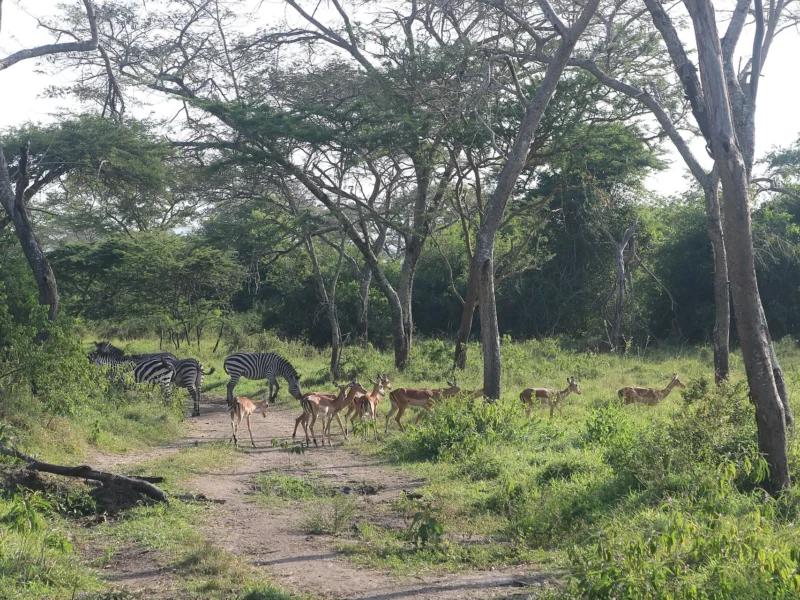
- Lake Mburo, Uganda: Uganda’s best zebra park, where you can see them on game drives, on foot or from horseback. See zebra, eland and impala at Lake Mburo and Lake Mburo National Park.
- Kidepo Valley, Uganda: zebras on the plains of the far north-east.
- Akagera, Rwanda: zebras on the northern savannah.
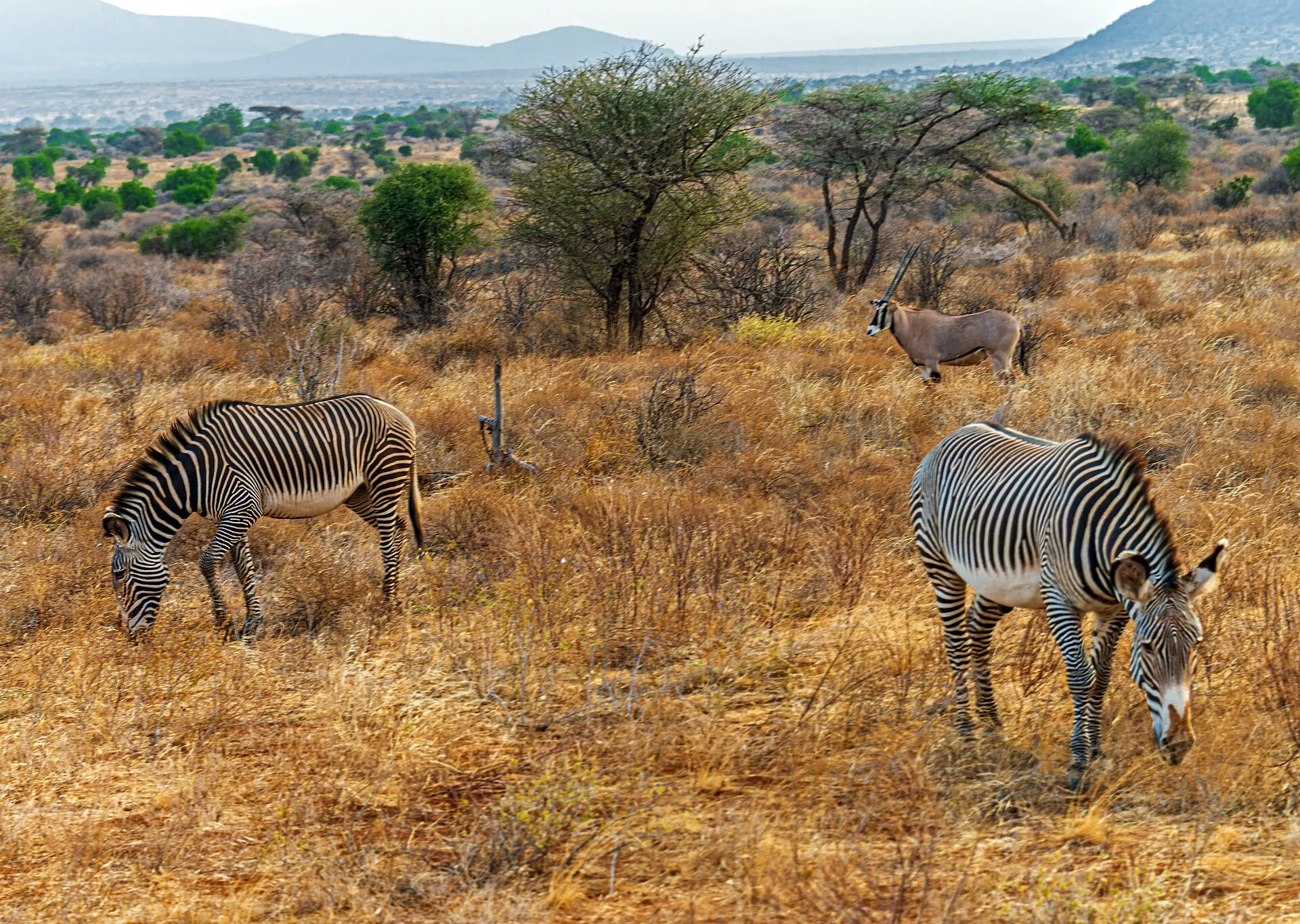
- Samburu, Ol Pejeta and Laikipia, Kenya: the best places for the rare Grevy’s zebra. See Samburu’s northern species.
Plains zebra and Grevy’s zebra
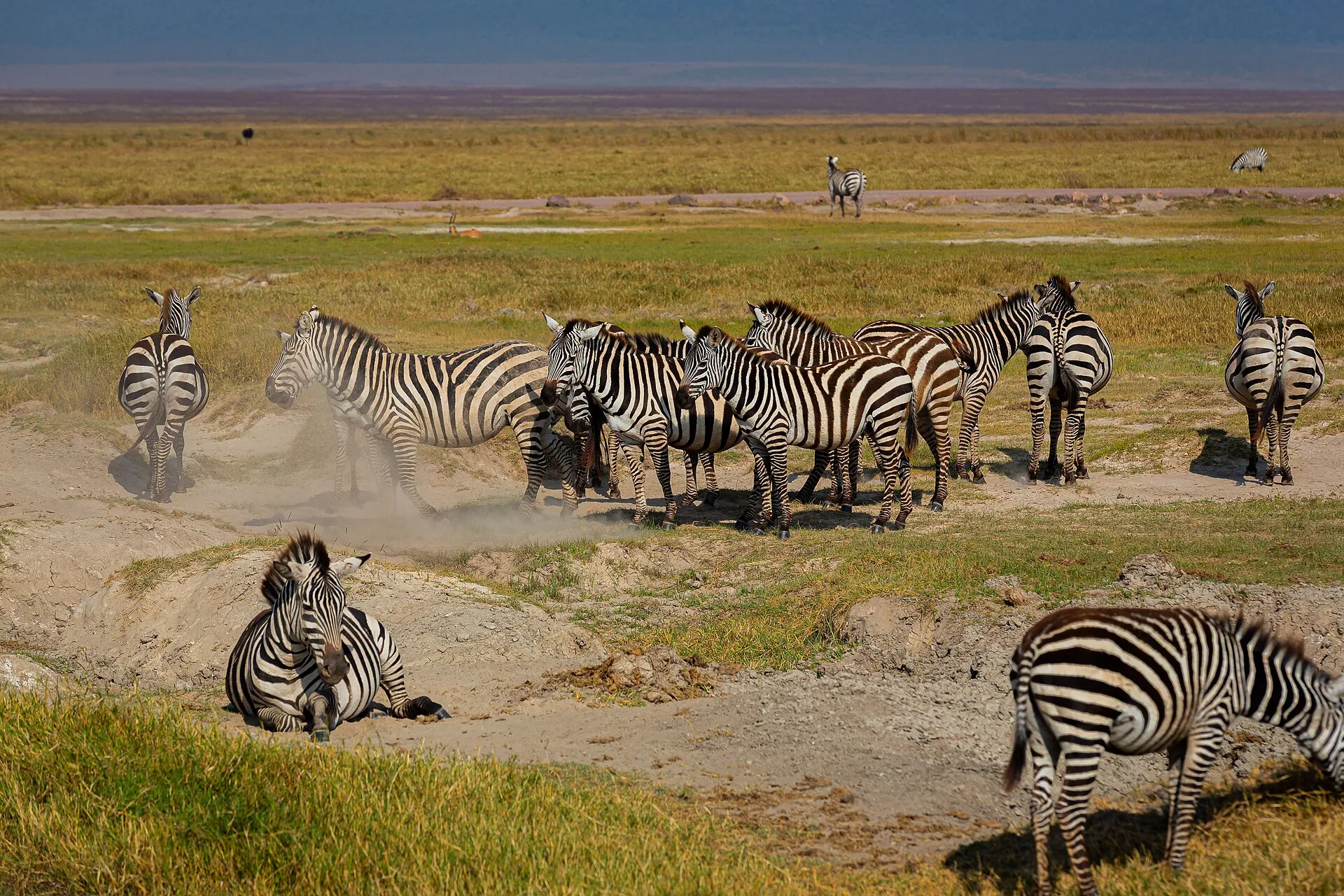
The plains zebra is the one most visitors see. It has broad black stripes that wrap round the belly, and in East Africa many have pale ‘shadow stripes’ in between. Plains zebras live in family groups of a stallion with several mares and their foals, which join together into large herds.
The Grevy’s zebra is the largest wild horse in the world. It has narrow, closely spaced stripes, a white belly, large round ears and a brown muzzle, giving it an elegant, almost mule-like look. Its social life is different, too: males hold large territories and females move freely between them. Only around 3,000 survive, almost all in northern Kenya, after a sharp decline caused by hunting, competition with livestock and drought.
Why stripes?
Scientists have debated zebra stripes for more than a century. Camouflage, confusing predators, keeping cool and social recognition have all been suggested. In recent field experiments, horses dressed in striped coats received far fewer landings from biting flies, and this is now one of the best-supported explanations. Each zebra’s pattern is unique, like a fingerprint, and foals learn to recognise their mothers’ stripes.
Zebras and the migration
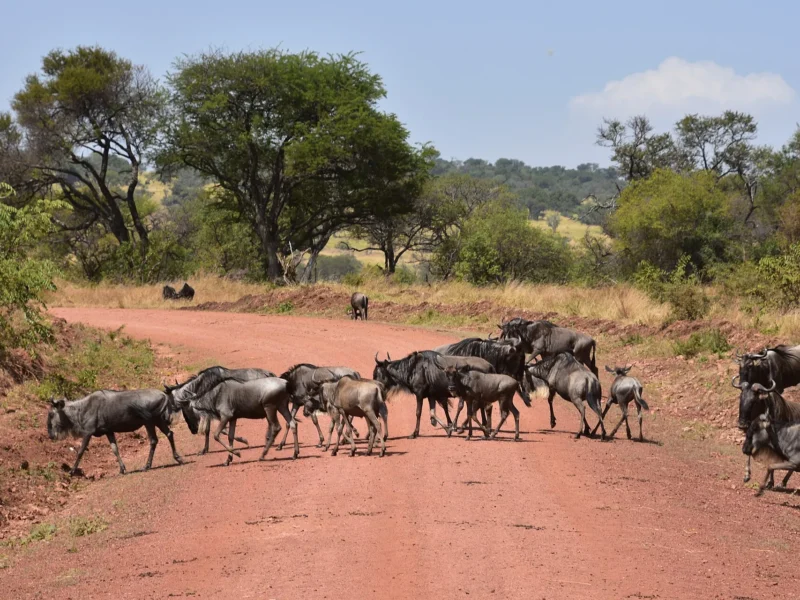
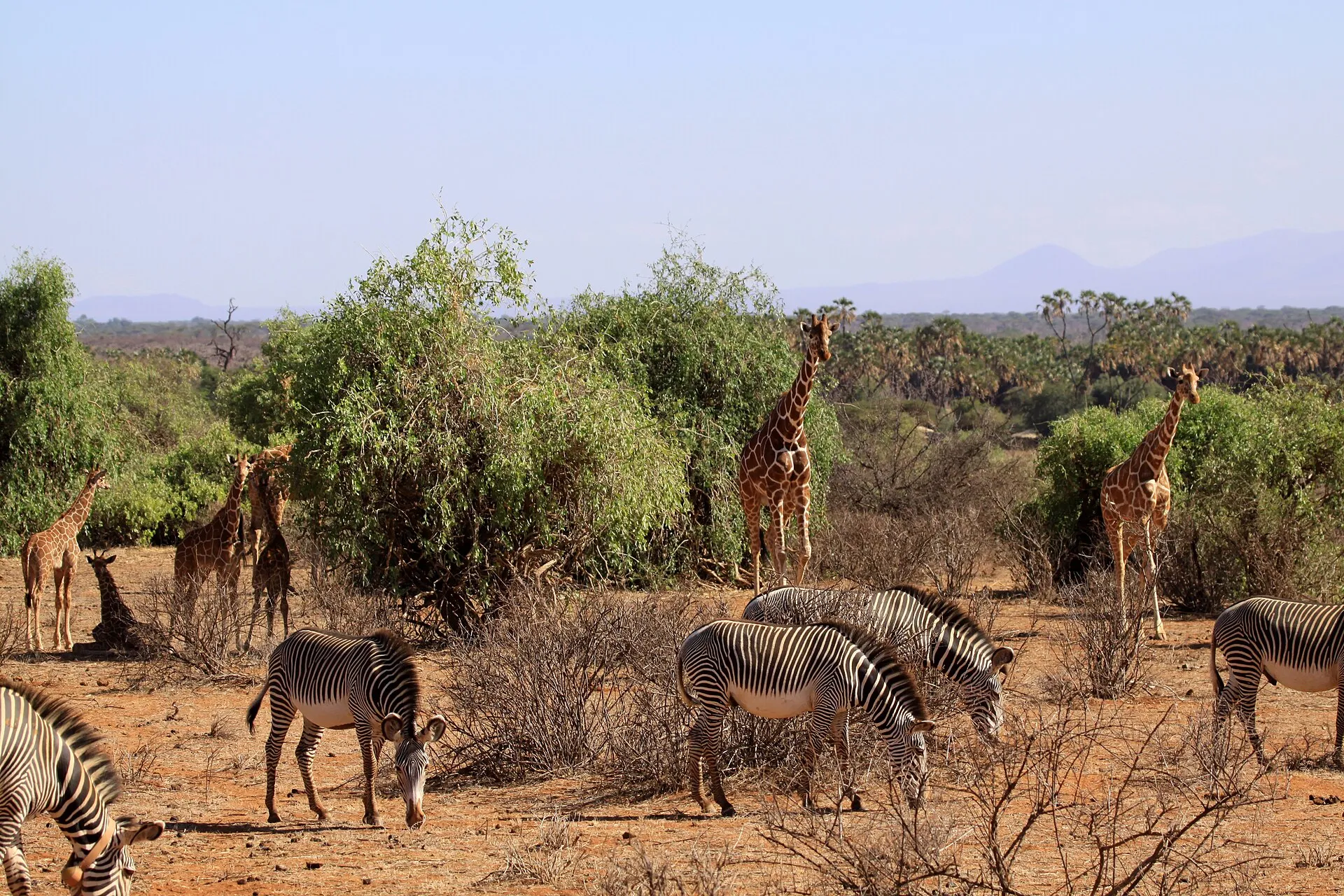
In the Serengeti–Mara ecosystem, hundreds of thousands of zebras travel with the wildebeest. Zebras often move ahead, cropping the taller, coarser grass and leaving the shorter shoots that wildebeest prefer. They face the same dangers at the great migration river crossings, where crocodiles wait in the Mara and Grumeti rivers.
watch a zebra herd at a waterhole. Zebras drink nervously, with some always on guard, and the slightest alarm sends the whole group running.
Remarkable zebra facts
- Zebras sleep standing up, but lie down when others keep watch.
- A zebra’s kick can seriously injure a lion or a hyena.
- Plains zebras call with a loud, barking ‘kwa-ha’, the origin of the name of the extinct quagga.
Tips for photographing zebras
Zebras make great subjects at any time of day, but the low light of early morning and late afternoon brings out the texture of their stripes. Look for patterns: a herd lined up at a waterhole, two zebras resting their heads on each other’s backs, or a foal with fluffy brown stripes. In Lake Mburo, a walking or horseback safari lets you photograph them at eye level, which is rare in vehicle-based parks.
Frequently asked questions
Where can I see zebras in Uganda?
Lake Mburo National Park is the easiest place, with zebras on short drives and even on walking and horseback safaris. Kidepo Valley and Pian Upe also have zebras.
What is the difference between plains and Grevy’s zebras?
Grevy’s zebras are larger, with narrow, closely spaced stripes, a white belly, big rounded ears and a brown muzzle. Plains zebras have broader stripes, often with faint ‘shadow stripes’ in between.
Why do zebras have stripes?
Several ideas have been proposed, but field experiments suggest the main benefit is deterring biting flies, which seem to struggle to land on striped surfaces.
Do zebras migrate?
Yes. In the Serengeti–Mara ecosystem, hundreds of thousands of zebras move with the wildebeest, often leading the way onto fresh grass.
Can you ride zebras?
No. Zebras have never been domesticated. You can, however, ride horses among zebras at Lake Mburo and in parts of Kenya.

Written by our Kampala-based planners and guides, who arrange these trips every season. Prices and rules are checked before every quote.