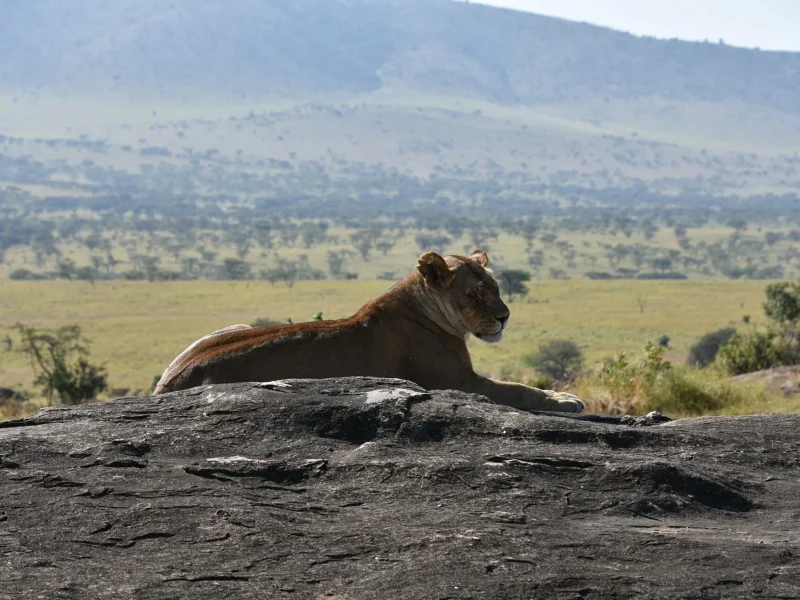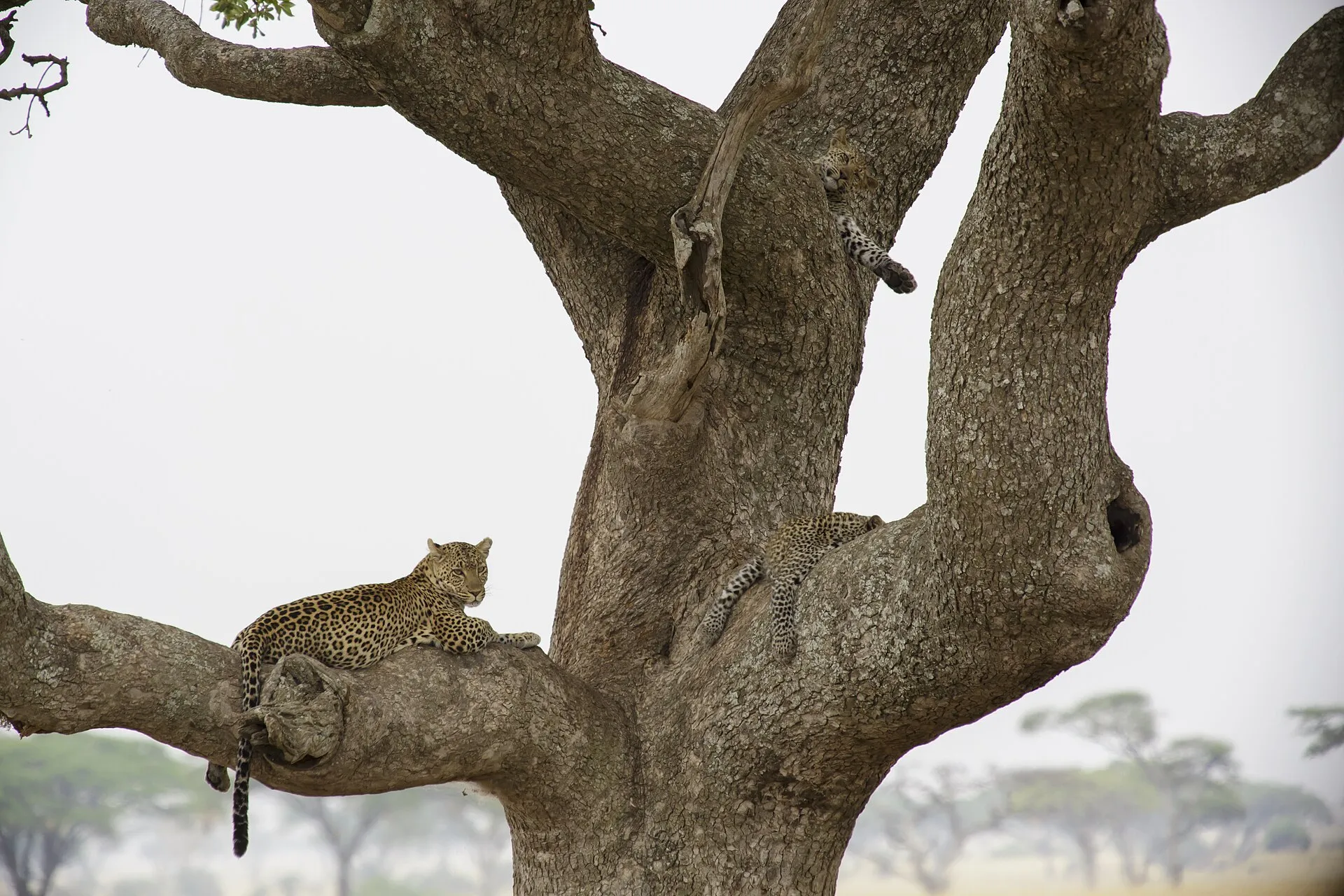
The central Serengeti around Seronera is good for big cats all year because the Seronera River keeps water and resident prey in the area even when the migration has moved on. Lions rest on the granite kopjes, leopards lie in the trees along the river and cheetahs hunt the open plains. Early mornings and late afternoons give the best sightings.
Key takeaways
- Seronera has resident prey and big cats all year.
- Lions often rest on the granite kopjes.
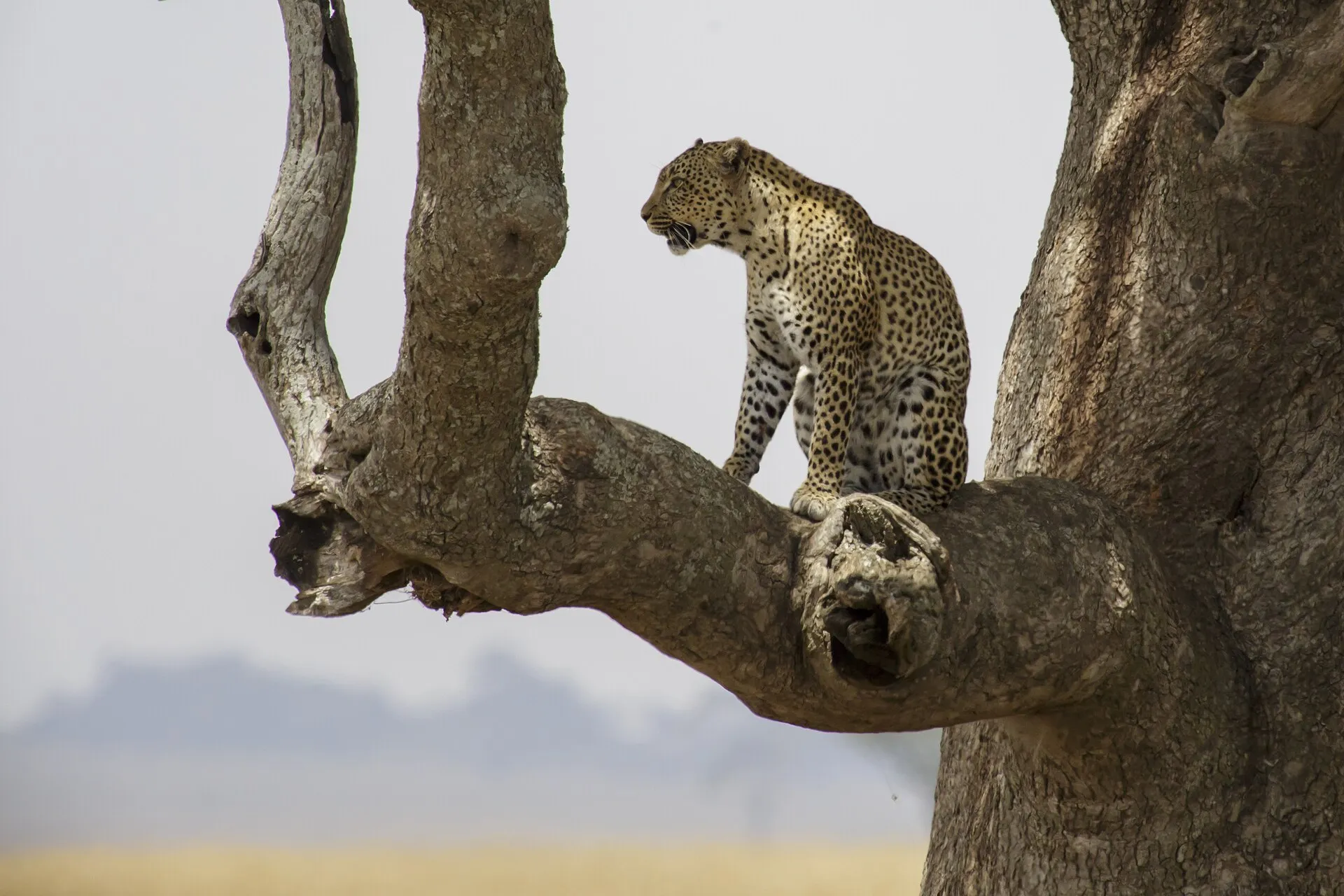
- Leopards favour the trees along the Seronera River.
- Cheetahs hunt the open plains in daylight.
The Serengeti covers about 14,750 km² and has one of the largest lion populations in Africa. Its centre, the Seronera Valley, is where many first-time visitors see their first lion, and it is often where they see their first leopard too.
Lions on the kopjes
Kopjes are granite outcrops that rise from the plains like islands. Lions use them as lookouts, shady resting places and safe dens for cubs. Simba Kopjes, Moru Kopjes and the Masai Kopjes are favourite places to search, and a pride lying on the rocks at sunset is a classic Serengeti image.
Leopards along the river
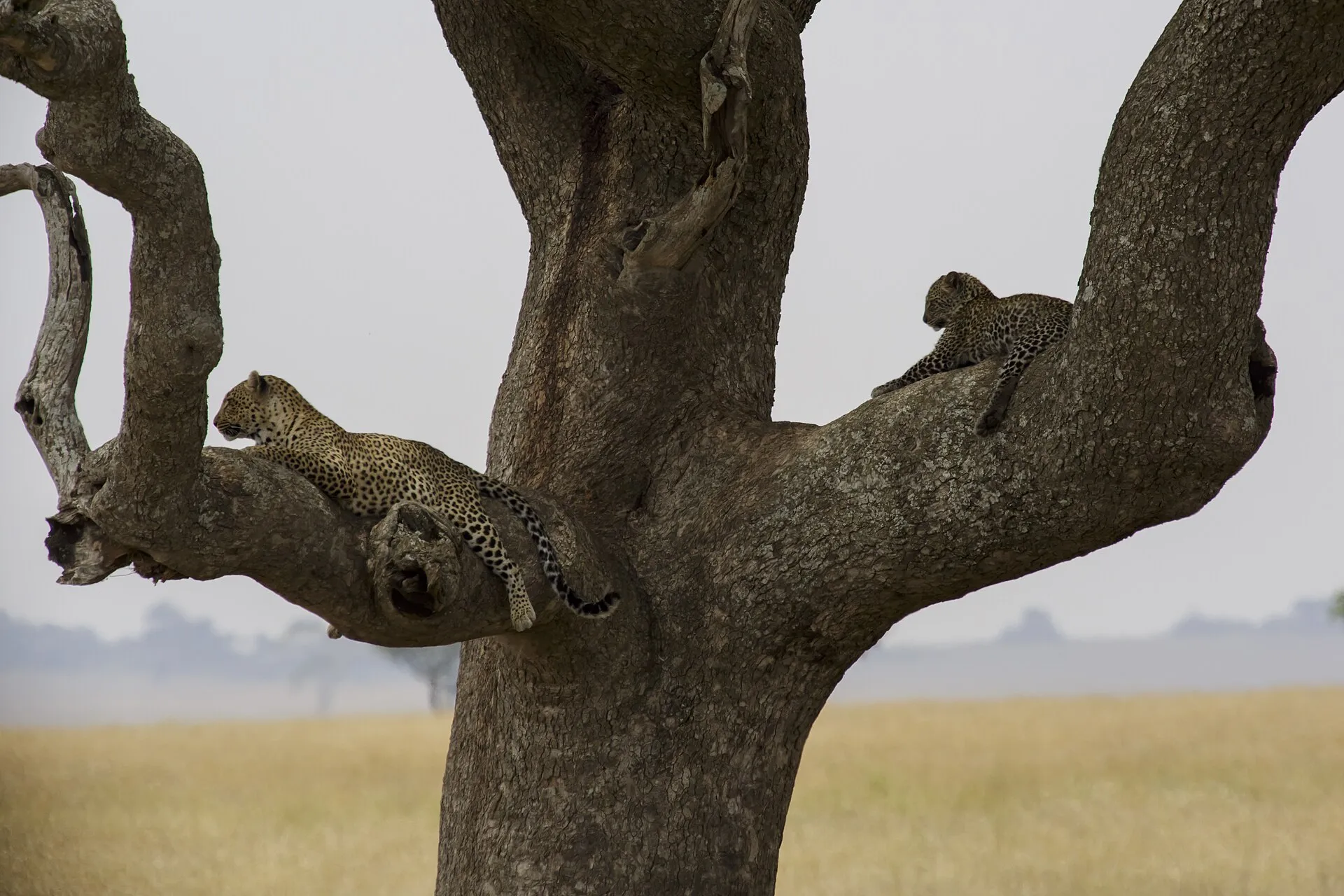
The Seronera River is lined with sausage trees, yellow-barked acacias and dense thickets. Leopards rest along the branches in the heat of the day, often with a kill hauled up out of reach of lions and hyenas. Look for a dangling tail.
Cheetahs on the plains
Cheetahs prefer the open short-grass plains, where they can see far and sprint fast. They hunt in daylight, usually in the morning or late afternoon, to avoid competition with lions and hyenas.
When to go
Seronera is good all year. From about April to June and again around November, the migration passes through the centre, adding huge herds and more predator action. The dry season, June to October, makes cats easier to find as the grass shortens. The green season brings dramatic skies and fewer vehicles.
Good to know
- Seronera is busy around popular sightings; good guides also explore quieter areas.
- Start early: cats are most active at dawn.
- Bring binoculars to scan kopjes and trees.
- Seronera airstrip makes flying in easy.
Who it suits
The central Serengeti suits first-time safari-goers who want the classic big-cat experience, and photographers who want time with individual animals. Because Seronera works in every month, it is also the safest choice if your travel dates are fixed and you cannot follow the migration. Stay at least two nights so that you can spend a whole morning searching the kopjes and another following the river.
Where to stay
Seronera has lodges and tented camps in the heart of the park, as well as seasonal camps that move with the migration. Staying in the central Serengeti cuts driving time and gives you more hours with the cats. Many travellers spend two or three nights here, combined with the north or south depending on the season.
A big-cat day
Leave at first light to find lions returning from the night’s hunt and leopards climbing into trees. Late morning, cats rest in the shade, and guides scan kopjes and branches for tails and paws. After lunch, cheetahs often hunt in the heat, when other predators are resting. Return to camp at sunset, when lions start to move again.
Photography
Kopjes and sausage trees make wonderful frames for big cats. A 100–400 mm lens is ideal, and a bean bag helps you shoot steadily from the vehicle. Patience pays: wait for a lion to stand or a leopard to climb down.
Etiquette
Vehicles must stay on the tracks in most of the park. Keep noise low, do not ask your guide to drive too close, and give cheetahs space when they are hunting.
How many days for the big cats?
Two full days give a good chance of all three cats in the central Serengeti; three days let you slow down and wait at a sighting. Combine with the north (July to October) or the south (January to March) to add the migration herds.
Seasonal tip
From April to June, the migration often passes through the centre, so big-cat sightings near the herds can be spectacular, and green-season rates apply at many camps.
Plan it
The central Serengeti is part of our 4-day Serengeti and Ngorongoro safari and 7-day Tanzania northern circuit safari.
Frequently asked questions
Can I see all three big cats in one day?
It is possible in Seronera, though never guaranteed.
Are there tree-climbing lions in the Serengeti?
Lions sometimes climb trees here, but Ishasha in Uganda is more famous for it.
How long should I stay?
Two or three nights in the central Serengeti gives a good chance of all three cats.
Is the central Serengeti good in the rains?
Yes. Resident wildlife stays, and the landscape is green and beautiful.
How do I get to Seronera?
Fly from Arusha to Seronera airstrip, or drive from Ngorongoro in about three hours.
Which cat is hardest to see?
Leopards, because they are shy and well camouflaged; patience and a good guide help.

Written by our Kampala-based planners and guides, who arrange these trips every season. Prices and rules are checked before every quote.