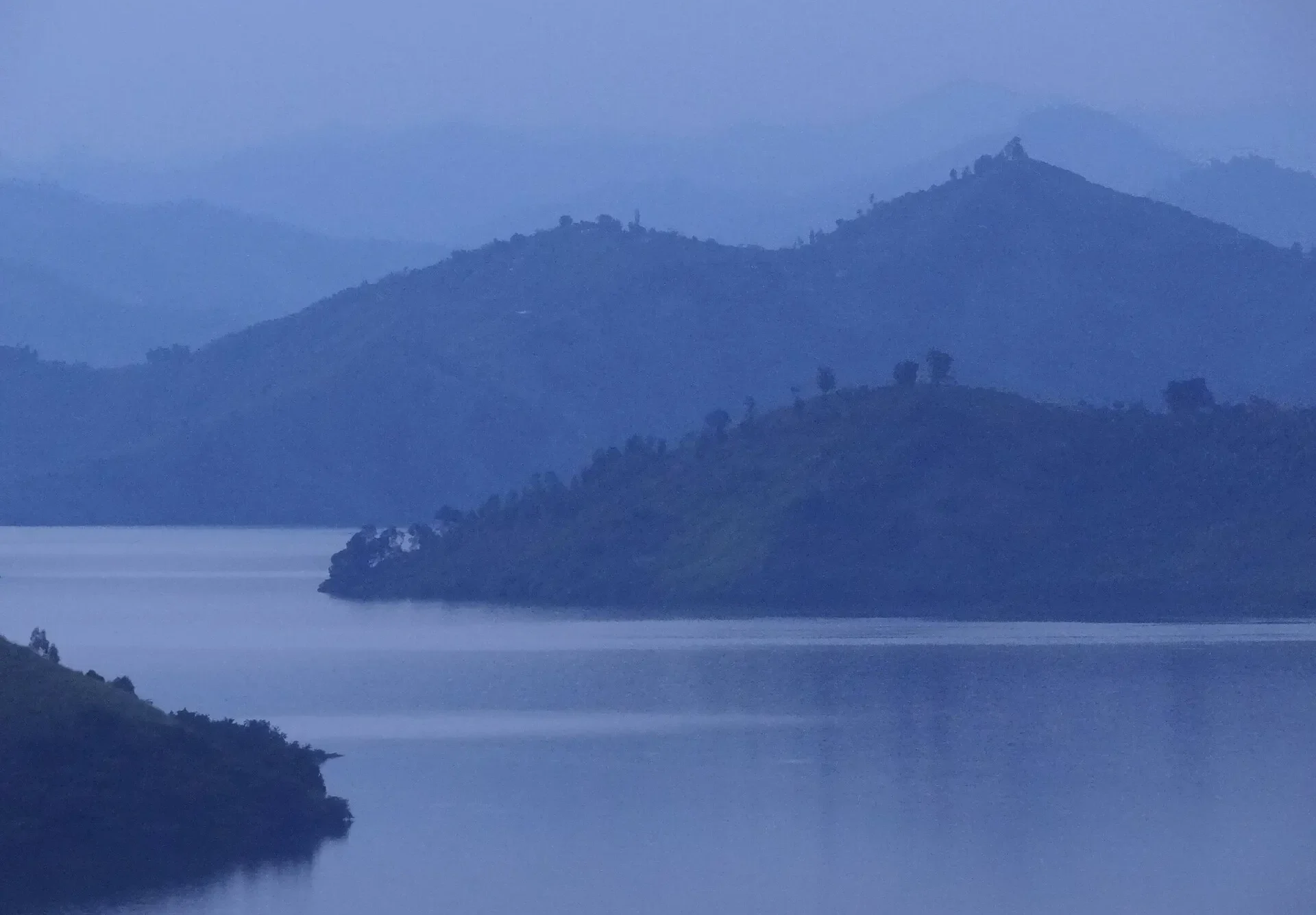
A slower day is a day with no early start and no long drive, built into the middle of a safari. East African itineraries often include 5:30am wake-ups, drives of six to ten hours and physically demanding treks. A rest day at a lake, such as Lake Bunyonyi in Uganda or Lake Kivu in Rwanda, lets you recover, enjoy your lodge and arrive fresh for the next highlight.
Key takeaways
- Safaris involve early starts and long drives.
- Gorilla treks can be physically demanding.
- A lake day mid-trip helps you recover.
- Bunyonyi and Kivu are ideal rest stops.
Safaris are exciting, but they are not relaxing in the usual sense. Game drives start before dawn, gorilla briefings begin at 7:00 or 8:00am, and drives between parks can take most of a day. Add jet lag and altitude, and many travellers are tired by the middle of the trip.
Why it matters
- Recovery after trekking: gorilla and chimp treks can take many hours on steep, muddy slopes.
- Long drives: in Uganda, Kampala to Bwindi takes about eight to ten hours by road; see driving times and roads on a Uganda safari.
- Enjoying your lodge: many lodges are beautiful, but on a busy itinerary you barely see them in daylight.
- Time to reflect: to sort photos, write a journal or simply watch the view.
- Flexibility: a slower day absorbs delays from weather, roads or flights.
Where to slow down
- Lake Bunyonyi, Uganda: islands, canoeing and swimming, about 1.5–2 hours from Bwindi’s southern sectors.
- Lake Mutanda, Uganda: quiet, with views of the Virunga volcanoes.
- Lake Kivu, Rwanda: beaches, boat trips and kayaking, 1–1.5 hours from Musanze.
- Crater lakes near Fort Portal: walks and swimming after chimp tracking in Kibale.
- Zanzibar or Diani: the ultimate slow ending after a safari.
What a slower day looks like
Sleep in, have a late breakfast with a view, take a gentle canoe trip or walk, have lunch by the water, and spend the afternoon reading, swimming or having a massage. In the evening, watch the sunset and have an early night before the next adventure.
When to build it in
- After a gorilla trek, especially a double trek.
- After a long drive, such as Kampala to Bwindi.
- Midway through a trip of ten days or more.
- At the end, before a long flight home.
Good to know
- A rest day adds one night but rarely much cost, as there are no permits or park fees.
- Ask us for lodges with good views and gentle activities.
- Families with children benefit most from slower days.
- Read Lake Bunyonyi: the best place to rest after trekking.
Who it suits
Slower days suit everyone, but especially first-time visitors, families, older travellers and honeymooners.
Common mistakes
Many travellers try to see too much in too little time, spending most of their trip in a vehicle. It is usually better to visit fewer places and enjoy them more. A good itinerary balances highlights with rest.
Signs your itinerary needs a slower day
- More than two long drives in a row.
- A gorilla trek followed immediately by a long drive.
- No night with a late start in the whole trip.
- Changing lodges every night.
- Travelling with young children or older relatives.
If two or more of these apply, adding a slower day will improve the whole trip. We are happy to review any itinerary and suggest where a rest day fits best.
Slower days on a Kenya or Tanzania safari
Savannah safaris can also be tiring, with two game drives a day. Choose a camp with a pool or a view, and skip an afternoon drive to rest. In the Serengeti or the Mara, staying three nights in one camp, rather than moving every day, gives a more relaxed rhythm. Ending a safari with a few days in Zanzibar or on Diani Beach is the ultimate slower day.
A sample ten-day rhythm
Days 1–2 travel and a gentle activity; days 3–4 chimps and savannah; day 5 gorillas; day 6 a slower lake day; days 7–9 more wildlife; day 10 a relaxed return.
Plan it
Our 4-day gorilla trekking and Lake Bunyonyi safari and 4-day Rwanda gorillas and Lake Kivu safari build in a lake day.
Frequently asked questions
Why add a rest day to a safari?
Early starts, long drives and treks are tiring; a rest day helps you enjoy the rest of the trip.
Where is the best place to rest in Uganda?
Lake Bunyonyi or Lake Mutanda, close to Bwindi.
Where in Rwanda?
Lake Kivu, about 1–1.5 hours from Volcanoes National Park.
Does a rest day cost much?
Usually only the extra night’s accommodation.
When should I schedule it?
After a gorilla trek or a long drive.
Is a slower day boring?
Not at all. Lake days include canoeing, swimming, walks and village visits at your own pace, without early starts.
Can I add a slower day to a short trip?
On trips of five days or fewer it is usually better to reduce the number of stops instead.

Written by our Kampala-based planners and guides, who arrange these trips every season. Prices and rules are checked before every quote.


