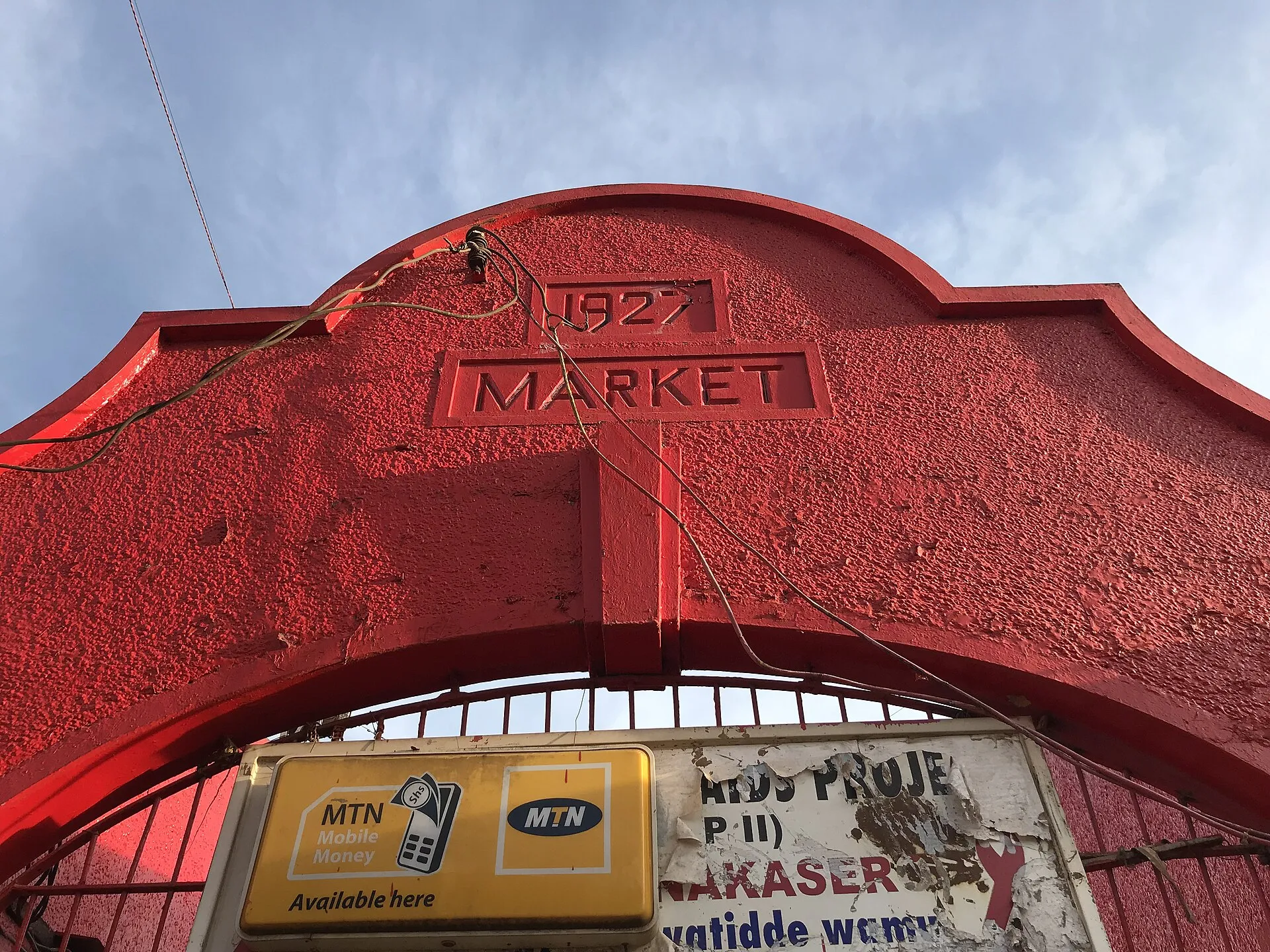
A Kampala food and market tour takes you through the city’s markets and street-food spots with a local guide. You taste Ugandan favourites such as the rolex (an omelette rolled in a chapati), luwombo (stew steamed in banana leaves), matooke (steamed green bananas) and fresh tropical fruit, and explore Nakasero Market, built in 1927, and the huge Owino (St Balikuddembe) market.
Key takeaways
- Taste rolex, luwombo, matooke and fruit.
- Nakasero Market, built in 1927.
- Owino, one of East Africa’s largest markets.
- A local guide helps you navigate.
Kampala is loud, busy and full of life. A guided food tour is one of the best ways to understand it, because food brings together Uganda’s regions, cultures and history.
What you taste
- Rolex: an omelette with tomatoes, onions and cabbage, rolled in a chapati. The name comes from “rolled eggs”.
- Luwombo: chicken, beef or groundnut stew steamed in banana leaves, a dish of Buganda once served to royalty.
- Matooke: green bananas steamed and mashed, Uganda’s staple food.
- Groundnut sauce, beans and greens.
- Muchomo: roasted meat skewers from street grills.
- Tropical fruit: pineapples, mangoes, passion fruit and small sweet bananas.
- Nsenene: fried grasshoppers, a seasonal delicacy, especially around May and November.
The markets
- Nakasero Market: built in 1927, with fruit, vegetables, spices and fabric under its red arch.
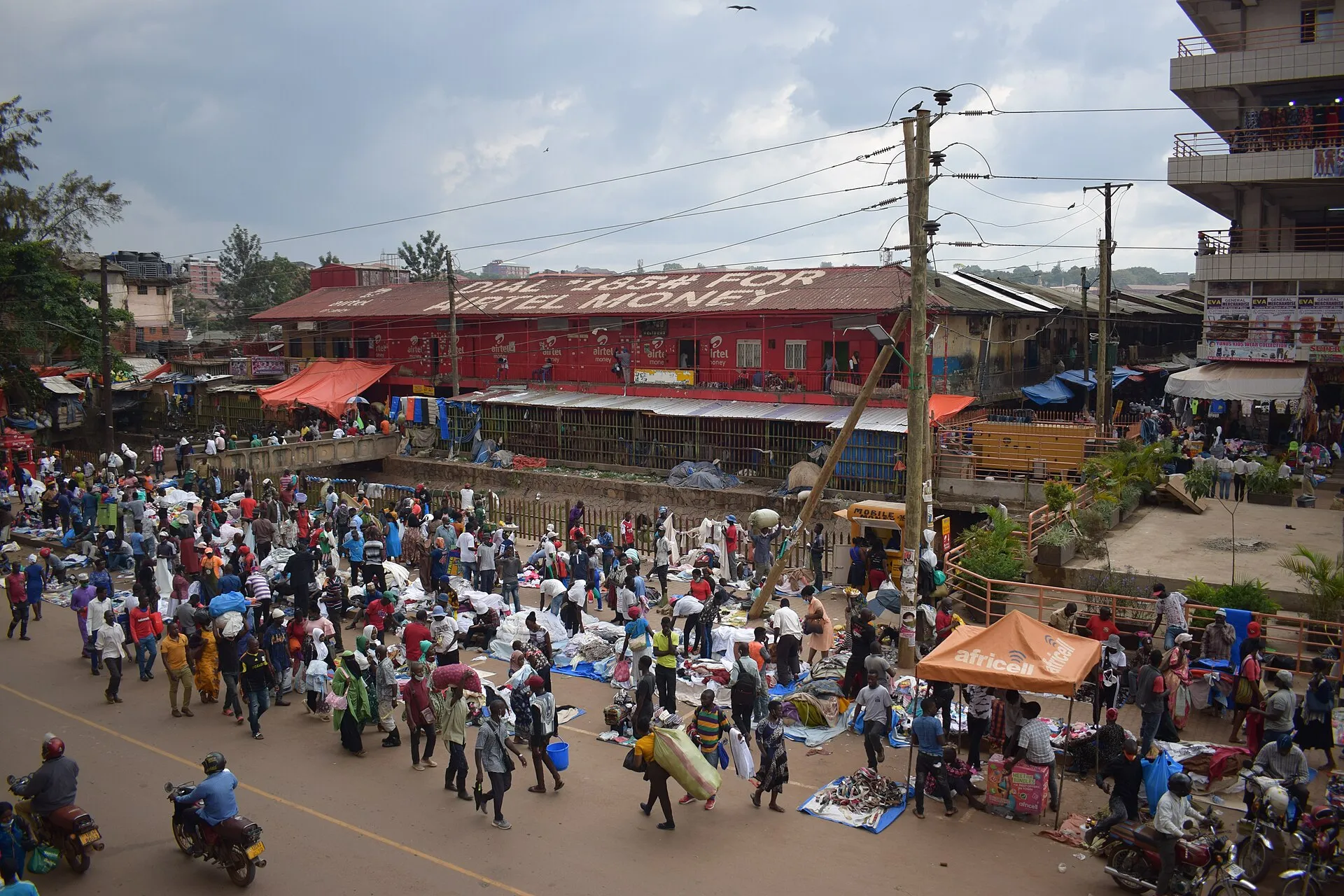
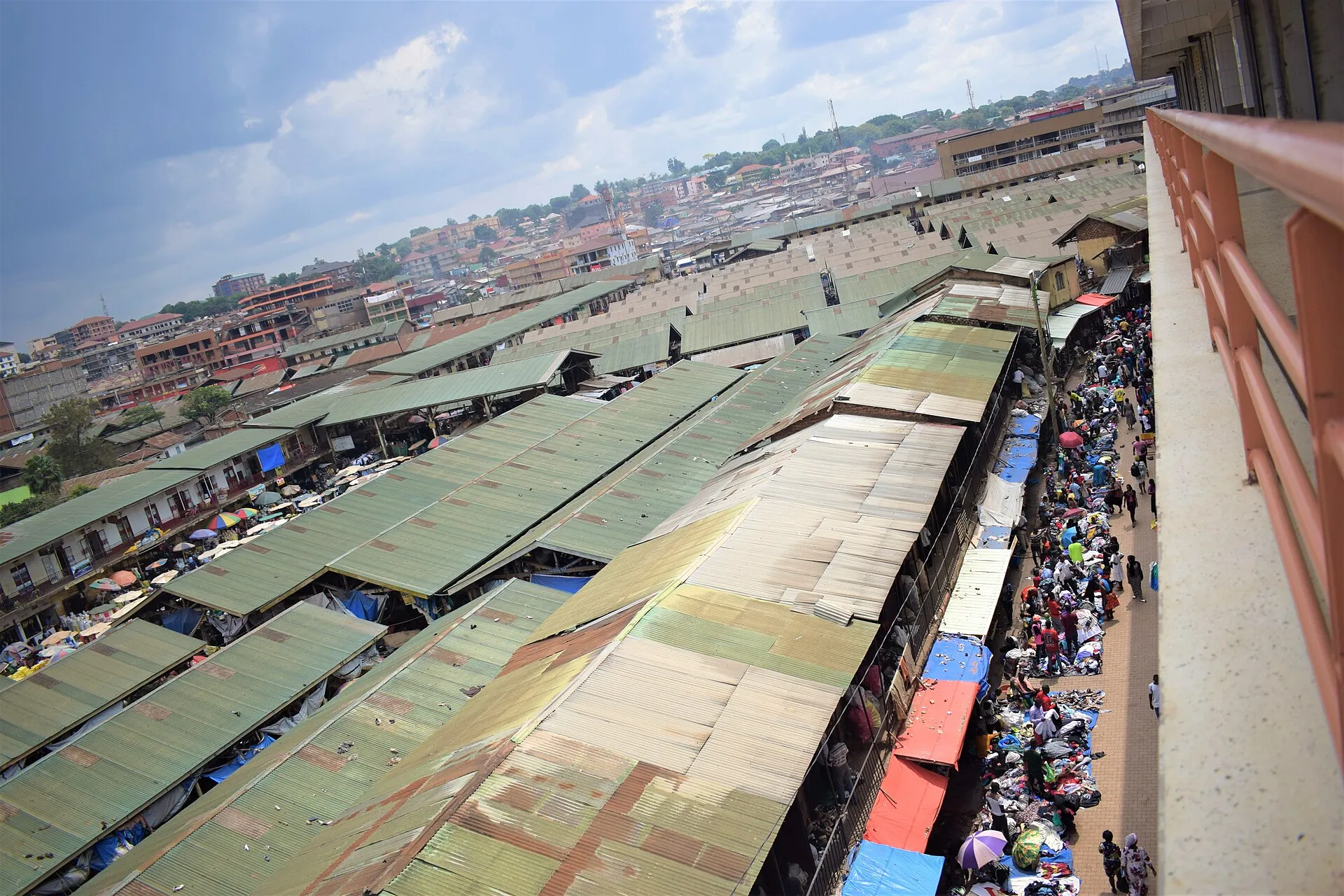
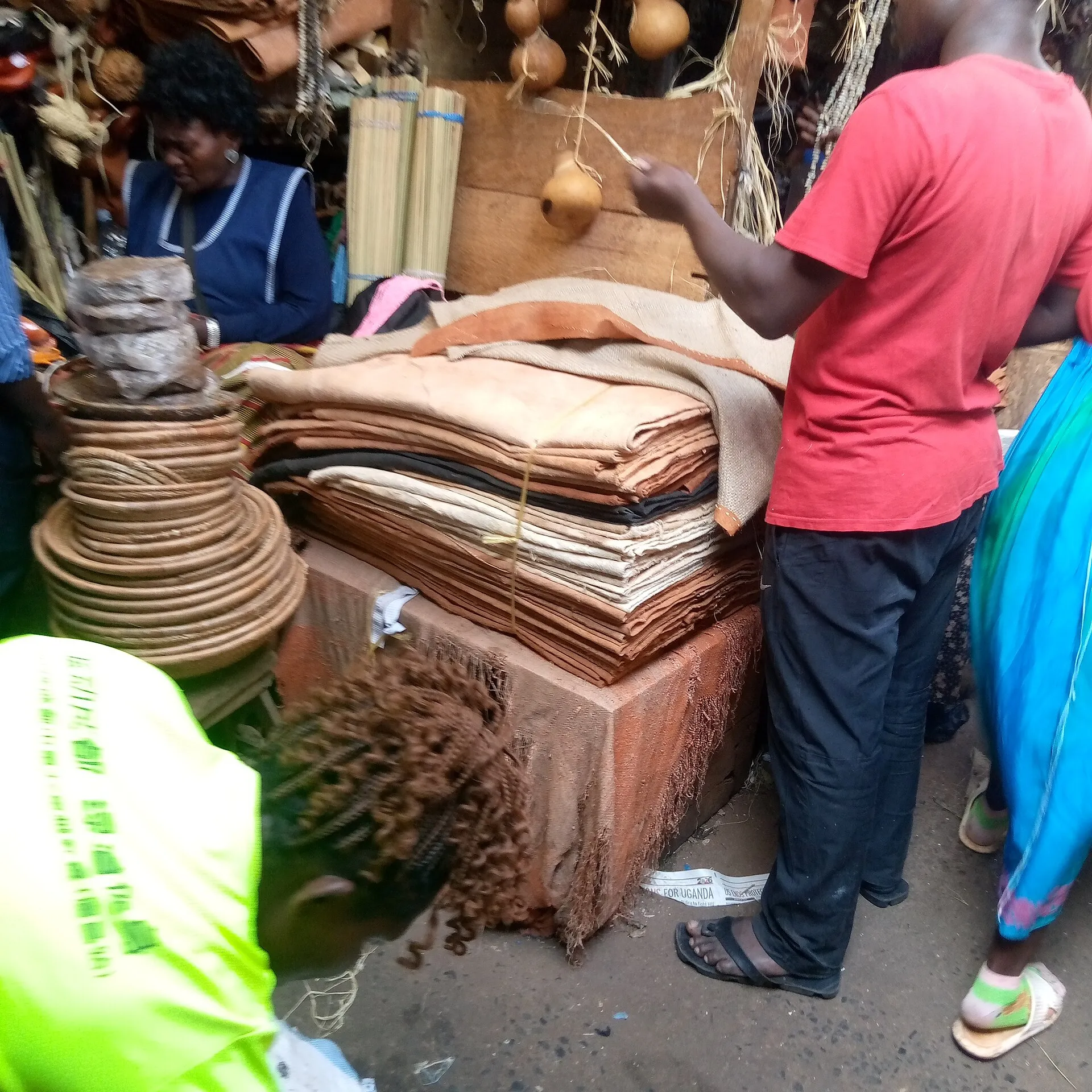
- Owino (St Balikuddembe) Market: one of East Africa’s largest markets, selling everything from second-hand clothes to kitchen goods.
- Kikuubo: the busy wholesale district, full of trade and energy.
Getting around
Guides usually walk and use taxis or boda bodas (motorbike taxis). Boda bodas are fast but risky; your guide will advise on safer options, and helmets should always be worn.
When to go
Mornings are best, when markets are busy and food is fresh. Tours run year-round; bring an umbrella in the rainy seasons.
Good to know
- Keep valuables secure in crowded markets.
- Ask before photographing traders.
- Drink bottled water and eat freshly cooked food.
- Combine with the Kasubi Tombs and Buganda Kingdom palace.
Who it suits
The tour suits food lovers, curious travellers and anyone with a day in Kampala. It is especially good at the start of a trip, to get a feel for the country.
Cooking at home
Many Ugandan dishes are easy to make at home. Ask your guide for a recipe for groundnut sauce or a rolex, and look for matooke and cassava in African grocery shops after your trip.
Kampala’s hills
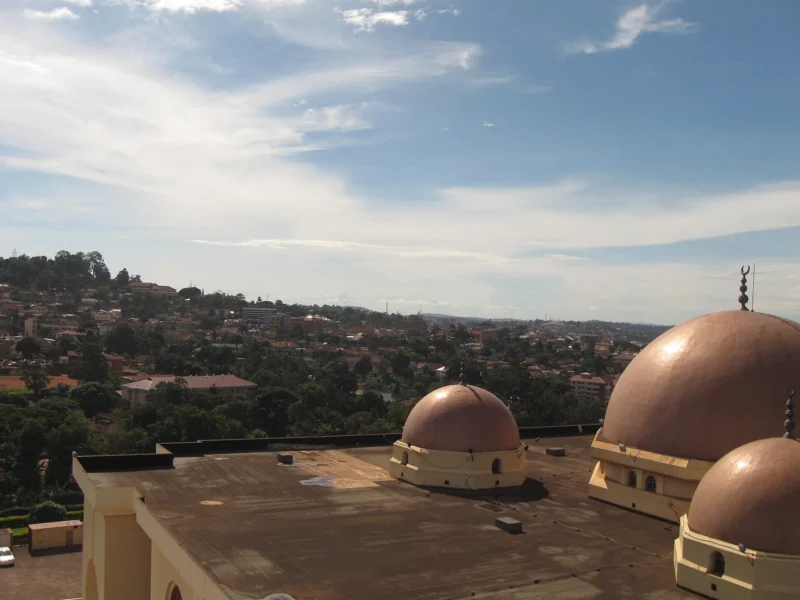
Kampala was traditionally said to be built on seven hills, including Mengo, Kasubi, Namirembe, Rubaga, Kibuli, Nakasero and Old Kampala. Each has its own character, from royal sites to cathedrals and mosques. The Gaddafi National Mosque on Old Kampala hill has one of the best views over the city.
A typical food tour
Most tours start mid-morning at Nakasero Market, where you walk through stalls of fruit, vegetables, dried fish and spices, tasting as you go. Next comes a rolex stand, where you watch the chapati being rolled and the eggs fried on a hot plate. Lunch is often at a local restaurant serving luwombo, matooke, beans and greens, eaten the Ugandan way. In the afternoon, you may visit Owino Market or a craft market, ending with fresh juice or a cold drink.
Ugandan coffee and tea
Uganda is one of Africa’s biggest coffee producers, growing both robusta and arabica. Kampala has a growing café scene, where you can taste beans from Mount Elgon and the Rwenzori. Many tours stop at a café to end the day.
Vegetarian and dietary needs
Ugandan cooking has many vegetarian dishes, from beans and groundnut sauce to greens and plantains. Tell your guide about allergies or dietary needs in advance, so that tastings can be adjusted.
Costs and tips
Street food in Kampala is inexpensive: a rolex or a plate of local food usually costs a few dollars. Guided tours include tastings and a guide, and you can buy fruit, spices or crafts along the way. Carry small Uganda shilling notes, keep your phone and wallet in a front pocket in busy markets, and follow your guide’s lead when crossing roads, where traffic and boda bodas can be chaotic.
Plan it
The food tour can be part of our 1-day Kampala city tour or added before the 8-day Uganda family safari.
Frequently asked questions
What is a rolex?
An omelette with vegetables rolled in a chapati, Uganda’s favourite street food.
Is street food safe?
Choose freshly cooked food from busy stalls; your guide knows the best places.
Is Kampala safe for a market tour?
Yes, with a guide and normal care with valuables.
Can vegetarians join?
Yes. Many Ugandan dishes are based on beans, groundnuts and vegetables.
How long is the tour?
About half a day.
When is grasshopper (nsenene) season?
Nsenene swarm mainly around the rainy seasons, roughly April to May and November to December, when they are fried with onions and sold on the streets.

Written by our Kampala-based planners and guides, who arrange these trips every season. Prices and rules are checked before every quote.