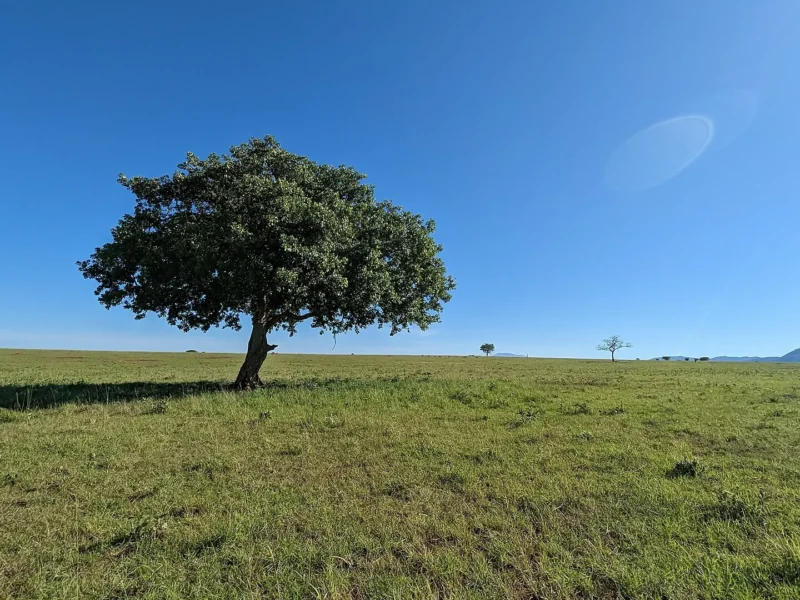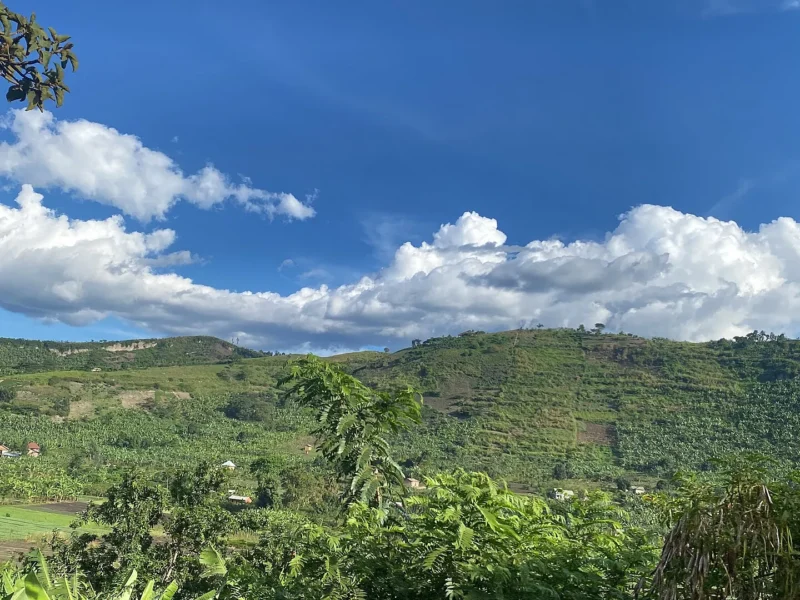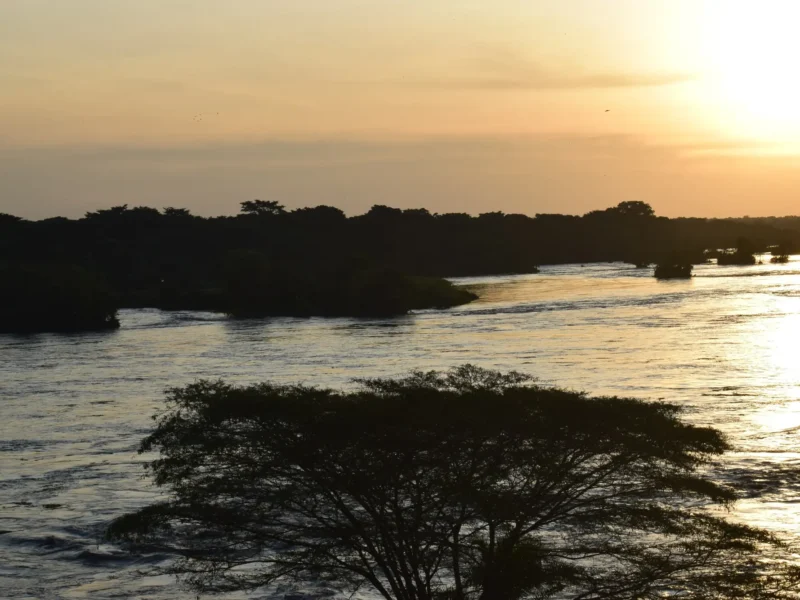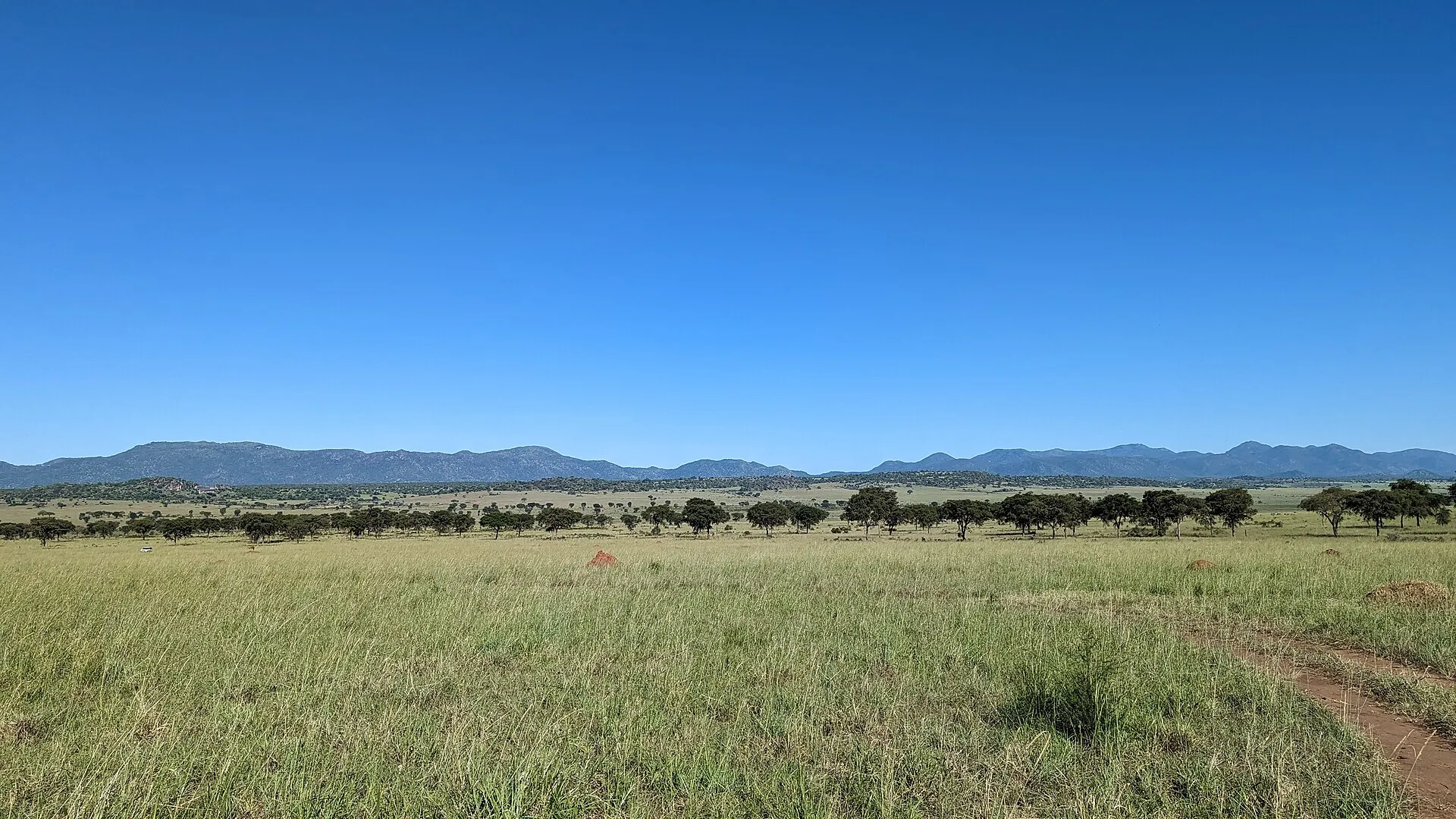
Kidepo Valley National Park lies in Uganda’s far north-east, on the borders of South Sudan and Kenya. It covers about 1,442 km² of savannah and mountains, with the Narus Valley as its wildlife centre. Large herds of buffalo, elephants, zebras, Jackson’s hartebeest and ostriches live here. Most visitors fly in to Apoka airstrip, because the drive from Kampala takes a full day or more.
Key takeaways
- Uganda’s most remote national park.
- The Narus Valley holds most of the wildlife.
- Species not found elsewhere in Uganda, such as ostriches.
- Flights land at Apoka, near the lodges.
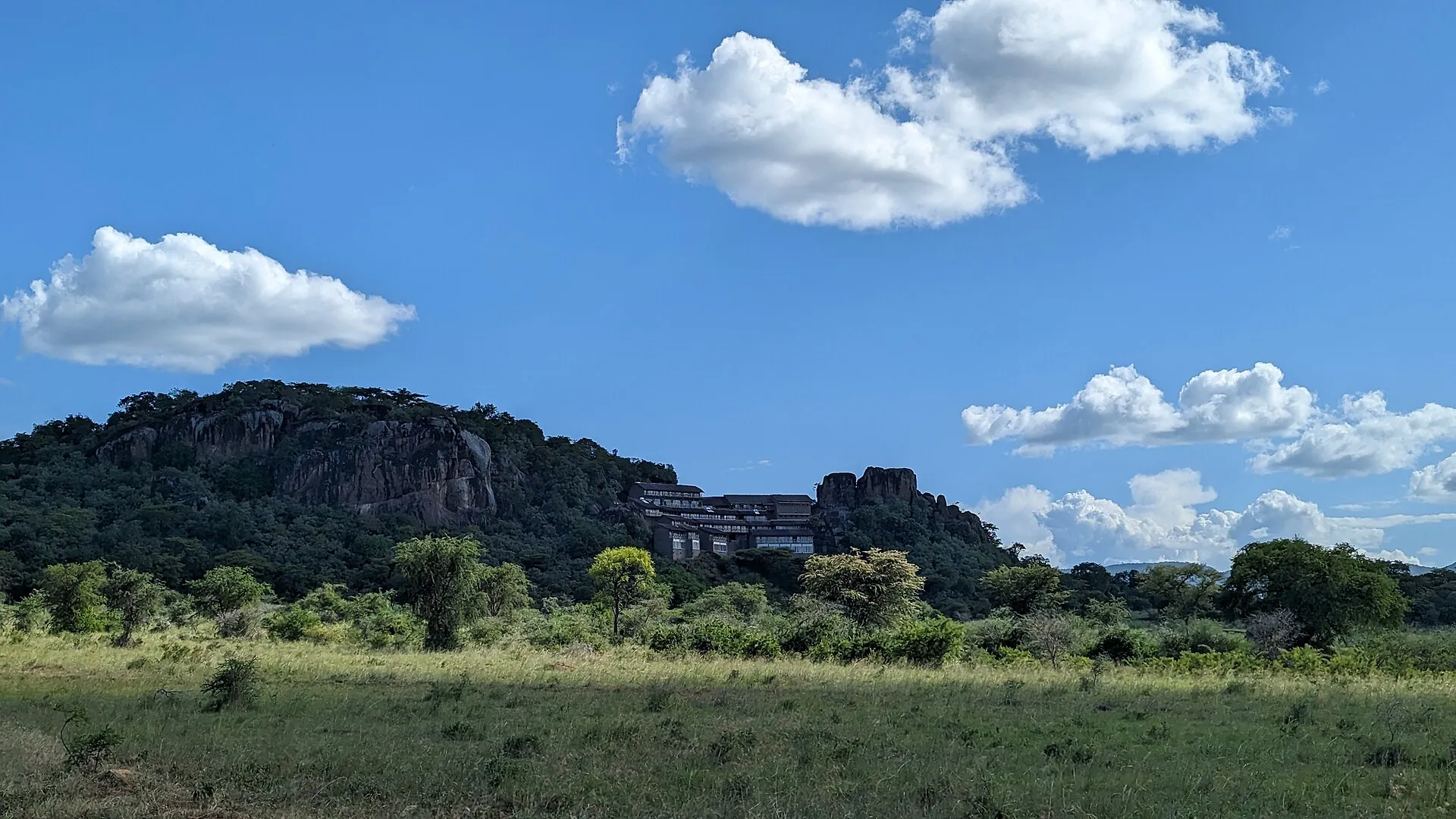
The Kidepo Valley wilderness is surrounded by mountain ranges, with Mount Morungole to the south and the hills of South Sudan to the north. Its semi-arid savannah has a wildlife community different from Uganda’s other parks, including ostriches, Kongoni and bat-eared foxes.
The Narus Valley
The Narus River keeps water in pools through the dry season, drawing buffalo herds of hundreds, elephants, zebras, waterbuck and giraffes. Predators include leopards, spotted hyenas and black-backed jackals. Lions are few, so treat them as a bonus. The rocky kopjes around Apoka are good places to look for leopards and klipspringers.
Beyond game drives
- Kanangorok hot springs, near the South Sudan border.
- Hikes on Lonyili and Lomej hills with a ranger.
- Karamojong manyattas, where pastoralist communities share their way of life.
- The Ik people, who live on Mount Morungole above the valley.
Getting there
Scheduled and charter flights from Entebbe or Kajjansi land at Apoka in the park. By road, the journey from Kampala takes about 10–12 hours, usually broken with a night in Gulu or Kitgum, or combined with Murchison Falls.
When to go
Kidepo is open all year. The dry season, roughly September to March, concentrates animals in the Narus Valley and makes roads easier. April to August brings rain, green hills and fewer visitors.
Good to know
- Park entry is US$40 per day.
- Bring sun protection; the north-east is hot and dry.
- Lodges range from UWA bandas to a luxury lodge near Apoka.
- Kidepo is quiet: you may have sightings to yourself.
Who it suits
Kidepo suits returning visitors, photographers and travellers who want true wilderness. It is best added to a longer Uganda safari, or as a fly-in trip of three or four days.
A typical day
Start with a dawn drive in the Narus Valley, when buffalo and elephants move to the pools and predators are still active. Return to the lodge for brunch and a rest through the heat, then head out again in the late afternoon. Finish with a sundowner on a kopje as the light turns gold over the mountains.
Two valleys
Kidepo has two main valleys. The Narus Valley in the south-west has water all year and most of the wildlife. The Kidepo Valley in the north is drier, with the sandy Kidepo River, which flows only after rain, lined with borassus palms. Game drives in the Kidepo Valley are wild and quiet, with ostriches, bustards and dramatic views towards South Sudan.
Wildlife highlights
- Buffalo herds that can number hundreds.
- Elephants, often in the Narus Valley.
- Rothschild’s giraffes, reintroduced to the park.
- Zebras, Jackson’s hartebeest, oribi and Defassa waterbuck.
- Ostriches, kori bustards and secretary birds.
- Leopards, spotted hyenas and black-backed jackals.
- Over 470 bird species, including many found nowhere else in Uganda.
Where to stay
Accommodation ranges from park-run bandas near Apoka to midrange and luxury lodges with views over the Narus Valley. Book early in peak months, as rooms are limited.
A typical day
Morning drive in the Narus Valley, midday rest, afternoon walk with a ranger or visit to a Karamojong village, and a sunset drive on the way back to the lodge.
Karamoja culture
The Karamojong are pastoralists whose lives centre on cattle. Village visits near Kidepo show traditional homesteads, called manyattas, with granaries, cattle enclosures and beadwork.
Kidepo or Murchison?
Murchison is closer to Kampala, with the Nile, the falls and a boat trip, and it suits shorter trips. Kidepo is remote and wild, with few vehicles and species found nowhere else in Uganda, such as ostriches and cheetahs, and it suits travellers with more time or a flying budget. Many travellers who love wilderness say Kidepo was the highlight of their Uganda safari, precisely because it feels so untouched and so far from the usual routes.
Plan it
Our 4-day Kidepo Valley fly-in safari is the easiest way to visit, and the 14-day Uganda grand safari shows how it fits a longer trip.
Frequently asked questions
Are there lions in Kidepo?
Yes, but very few, so sightings are rare. Buffalo, elephants and zebras are more reliable.
Is Kidepo safe?
Yes. The park is well protected, and we follow current advice for the region.
How many days should I spend?
Two or three nights is ideal.
Can I drive to Kidepo?
Yes, but it takes 10–12 hours from Kampala; most visitors fly.
What is the best month for Kidepo?
The dry months, roughly September to March, when animals gather in the Narus Valley.
Can I visit the Karamojong?
Yes. Village visits can be arranged from the lodges.

Written by our Kampala-based planners and guides, who arrange these trips every season. Prices and rules are checked before every quote.