Wildlife
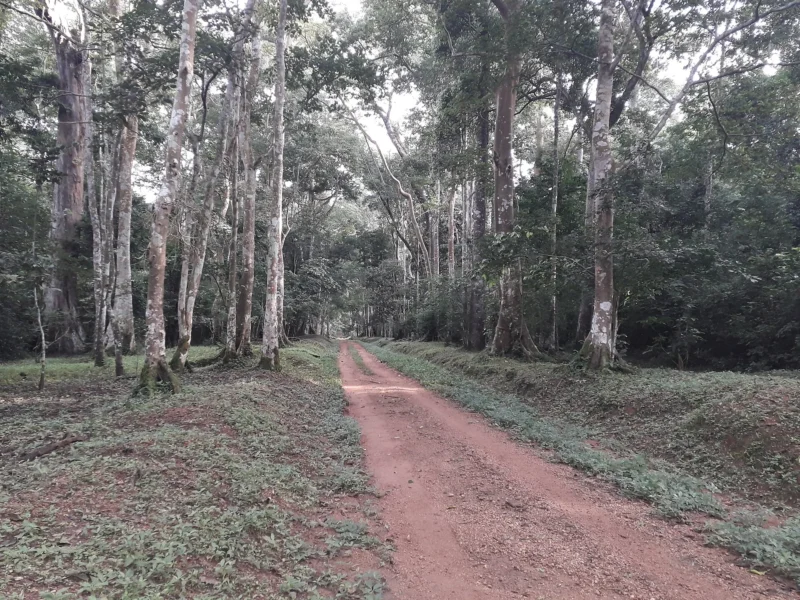
Kidepo has a very different species list from the rest of Uganda, because it shares its ecosystem with the dry plains of Kenya and South Sudan. See Kidepo Valley wilderness for a closer look.
- Large buffalo herds, often numbering in the hundreds.
- Lions, now scarce: Uganda Wildlife Authority’s 2026 State of Wildlife report counted only about a dozen in Kidepo, so a sighting is a real bonus.
- Elephants, Rothschild’s giraffe, zebra, Jackson’s hartebeest and oribi.
- Species unique in Uganda: cheetah, ostrich, bat-eared fox, striped hyena, aardwolf, caracal, greater and lesser kudu.
- Over 470 bird species, including Kori bustard, secretary bird, Karamoja apalis and northern carmine bee-eater.
The Narus and Kidepo valleys
Most game drives explore the Narus Valley, a broad grassland of palms and acacias with permanent water. Morning drives along the Narus loops find buffalo, elephants and antelope near the waterholes, and occasionally one of the park’s few remaining lions. The Kidepo Valley in the north is drier, with a seasonal sand river lined with borassus palms. It is mostly visited for its scenery and the Kanangorok hot springs near the South Sudan border.
Walks and hikes
Ranger-guided walks explore the area around Apoka and the Narus Valley. The Lonyili summit hike climbs into the mountains for wide views, and a shorter hike up Lomej hill is good for wide views over the valley and sunset photographs.
Culture
The Karamojong are semi-nomadic cattle herders whose life revolves around their animals. Community visits to a manyatta near the park show their homesteads, crafts, songs and dances. The Ik people, one of Uganda’s smallest ethnic groups, live on the Morungole mountains above the park and can be visited on a guided hike.
Where to stay
Accommodation is limited, which keeps the park quiet. Apoka Safari Lodge is the luxury option, with stone-and-canvas rooms overlooking the Narus Valley and a pool built into the rocks. The Uganda Wildlife Authority runs simple bandas at Apoka, and there are small eco-camps just outside the park. Booking early matters in the dry season because there are so few rooms.
What to pack
Kidepo is hot and dry by day, often above 30°C, and cool at night. Bring sun protection, a wide-brimmed hat, light long sleeves for the evenings and insects, binoculars for distant game, and plenty of water on drives. Dust is constant in the dry season, so protect your camera gear.
Getting there and planning
The simplest way to reach Kidepo is a scheduled flight from Entebbe to Apoka airstrip, which lets you combine it with other parks without losing days to driving. By road, the trip is long but rewarding and can be broken in Gulu or combined with Murchison Falls. Our 4-day Kidepo fly-in safari is the easiest way to experience the park. For costs of flights and lodges, see the safari cost guide.