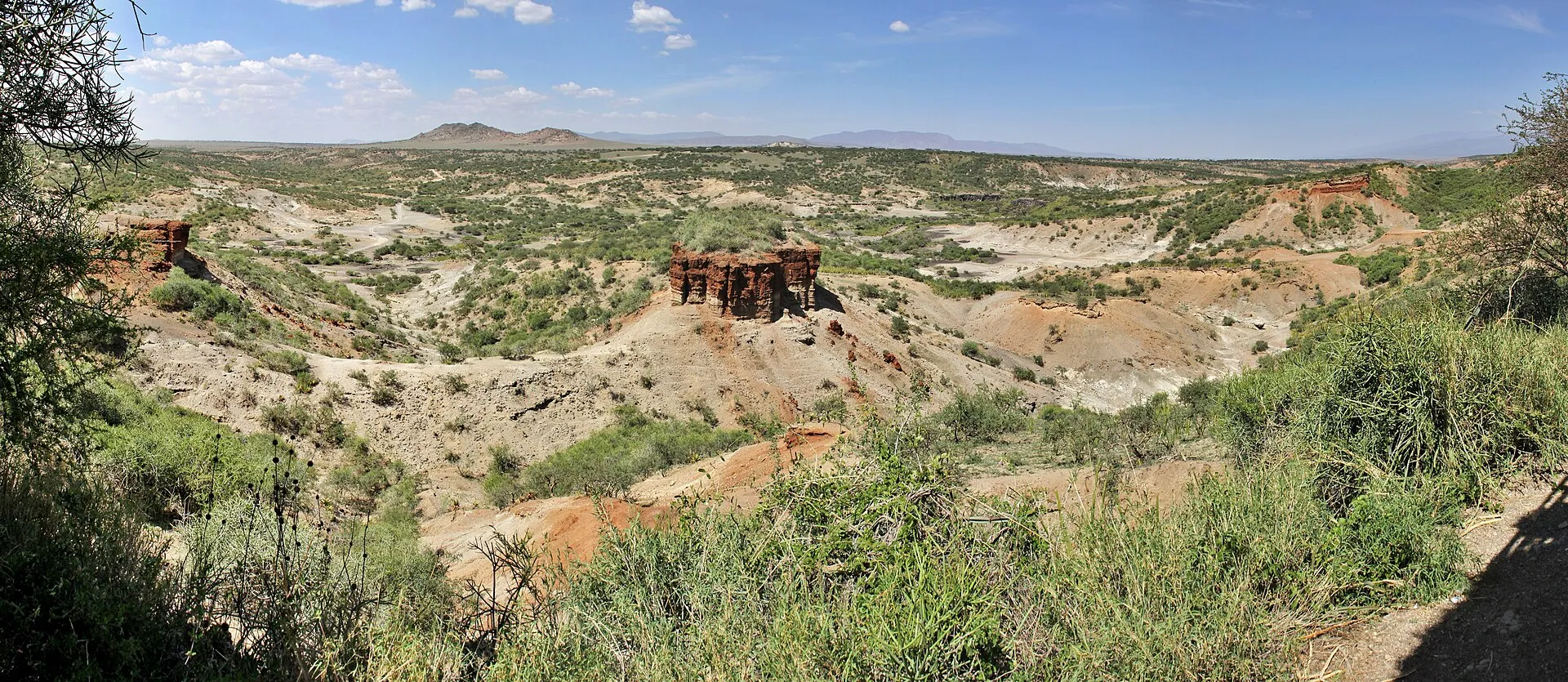
Olduvai Gorge, also called Oldupai Gorge, lies in the Ngorongoro Conservation Area on the road between the crater and the Serengeti. Its layered rocks preserve fossils and stone tools spanning almost two million years. Mary and Louis Leakey made famous discoveries here, including the Paranthropus boisei skull in 1959 and fossils of Homo habilis. A museum on the rim explains the finds.
Key takeaways
- Fossils and tools spanning almost two million years.
- Famous discoveries by Mary and Louis Leakey.
- Museum on the gorge rim.
- On the road to the Serengeti.
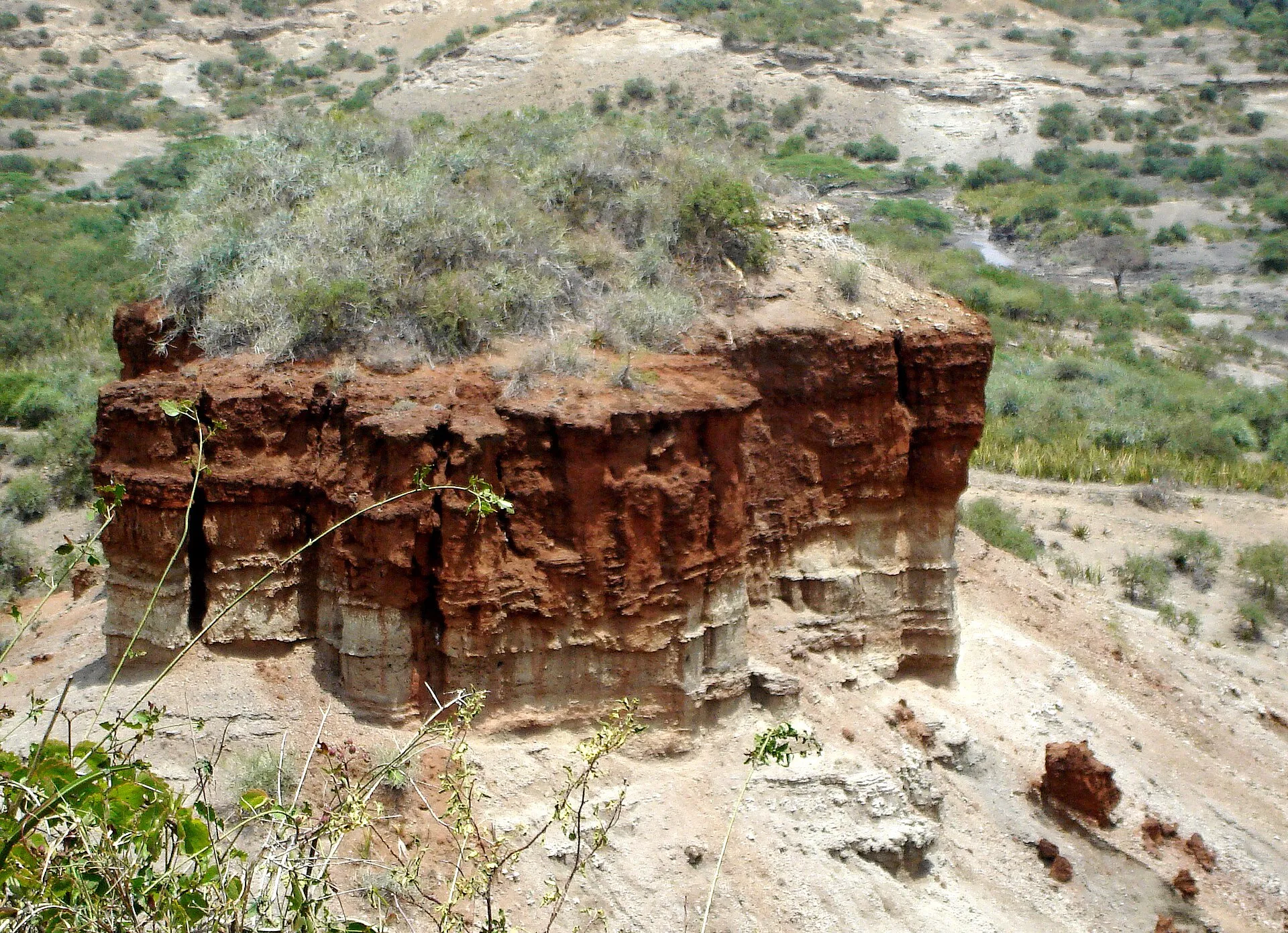
Olduvai Gorge cuts through layers of volcanic ash and sediment, like pages of a history book. Each layer preserves fossils, tools and traces of the animals and early humans who lived here.
The discoveries
- 1959: Mary Leakey discovered the skull of Paranthropus boisei, nicknamed “Zinj” or “Nutcracker Man”.
- 1960s: fossils of Homo habilis, an early member of our own genus.
- Oldowan tools: some of the oldest known stone tools, about two million years old, named after the gorge.
The museum
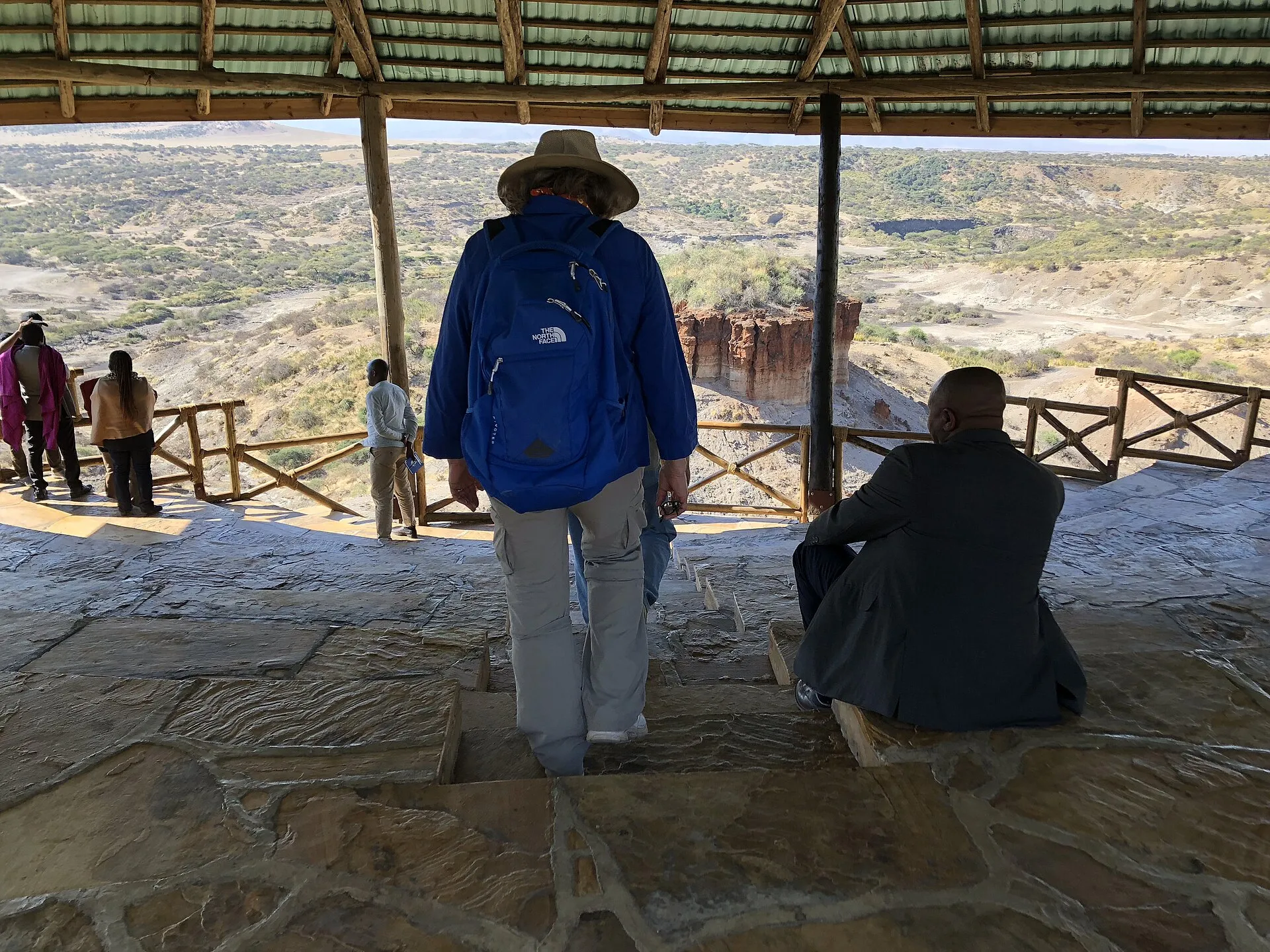
The museum on the rim displays fossil replicas, tools and exhibits explaining human evolution. A viewing platform looks over the gorge, and guides explain the layers and discoveries.
Laetoli
About 45 km south, at Laetoli, Mary Leakey’s team discovered fossil footprints in 1978, left about 3.6 million years ago by early hominins walking upright. Replicas are shown at the museum.
The name
The gorge is named after the wild sisal plant, called “oldupai” in the Maasai language, which grows there. Tanzania officially uses the name Oldupai.
When to go
The museum is open year-round. It fits well into the drive between Ngorongoro and the Serengeti.
Good to know
- An entry fee applies.
- Allow one to two hours.
- Bring sun protection; it is hot and dry.
- Combine with a day on the Ngorongoro Crater floor.
Who it suits
Olduvai suits history lovers, students, families and anyone curious about human origins.
Why it matters
Olduvai’s discoveries helped show that Africa is the birthplace of humankind. Every person alive today shares ancestors who lived in Africa, and visiting the gorge is a chance to reflect on that shared story.
Reading the layers
The walls of the gorge are made of layers, or “beds”, laid down over almost two million years by volcanic eruptions, lakes and rivers. The oldest layer, Bed I, at the bottom, contains many of the earliest finds. Higher beds hold younger fossils and more advanced tools, including hand axes made by Homo erectus. A famous rock pillar in the middle of the gorge shows the layers clearly, and guides use it to explain how scientists date the finds.
Mary and Louis Leakey
Louis Leakey was a Kenyan-born British archaeologist who first worked at Olduvai in the 1930s. His wife, Mary Leakey, led much of the excavation and made many of the key discoveries. Their work, and later that of their son Richard Leakey in Kenya, made East Africa the centre of research into human origins. Mary Leakey continued working at Olduvai and Laetoli for decades.
The Shifting Sands
Near the gorge, a crescent-shaped dune of black volcanic ash moves slowly across the plains, pushed by the wind. Known as the Shifting Sands, it is sacred to the Maasai and makes an interesting stop with a guide.
Getting there
The museum lies a few kilometres off the main road between Ngorongoro Crater and the Serengeti, about an hour from the crater rim. Most safaris stop on the way to or from the Serengeti, so it adds little extra driving.
Wildlife on the way
The plains around Olduvai are part of the migration route, and from about December to March the herds may be close by. Giraffes, gazelles and Maasai herders are often seen on the drive.
Combine it with
Olduvai pairs naturally with a Maasai village visit, the Shifting Sands and the drive across the short-grass plains to Ndutu or Seronera. On the return journey, it breaks up the drive from the Serengeti back to the crater or Karatu.
Plan it
Olduvai can be added to our 4-day Serengeti and Ngorongoro safari or 7-day Tanzania northern circuit safari. See also Hadzabe at Lake Eyasi.
Frequently asked questions
Where is Olduvai Gorge?
In the Ngorongoro Conservation Area, between the crater and the Serengeti.
What was found there?
Early human fossils and some of the oldest stone tools, about two million years old.
Who were the Leakeys?
Mary and Louis Leakey, pioneering researchers of human origins.
How long should I visit?
One to two hours.
Is Olduvai the same as Oldupai?
Yes. Oldupai is the official Tanzanian name.
Can I walk into the gorge?
Guided walks to some sites may be possible by arrangement; most visitors view the gorge from the museum’s viewing platform.
Are the original fossils at the museum?
Most original fossils are kept in research collections; the museum displays high-quality replicas and real stone tools.
Is Olduvai interesting for children?
Yes. The story of early humans, the tools and the dramatic gorge interest children, especially with a good guide.

Written by our Kampala-based planners and guides, who arrange these trips every season. Prices and rules are checked before every quote.