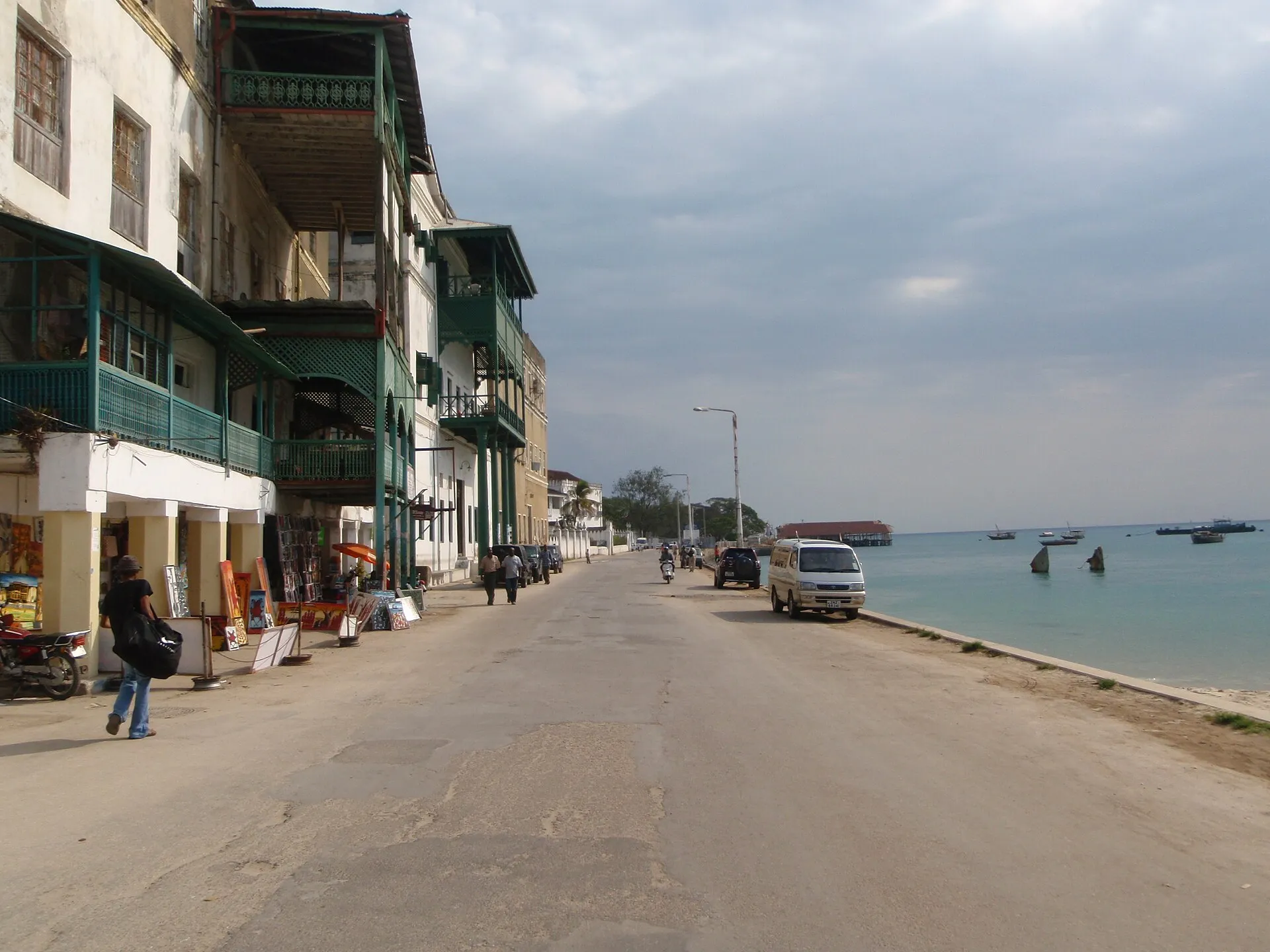
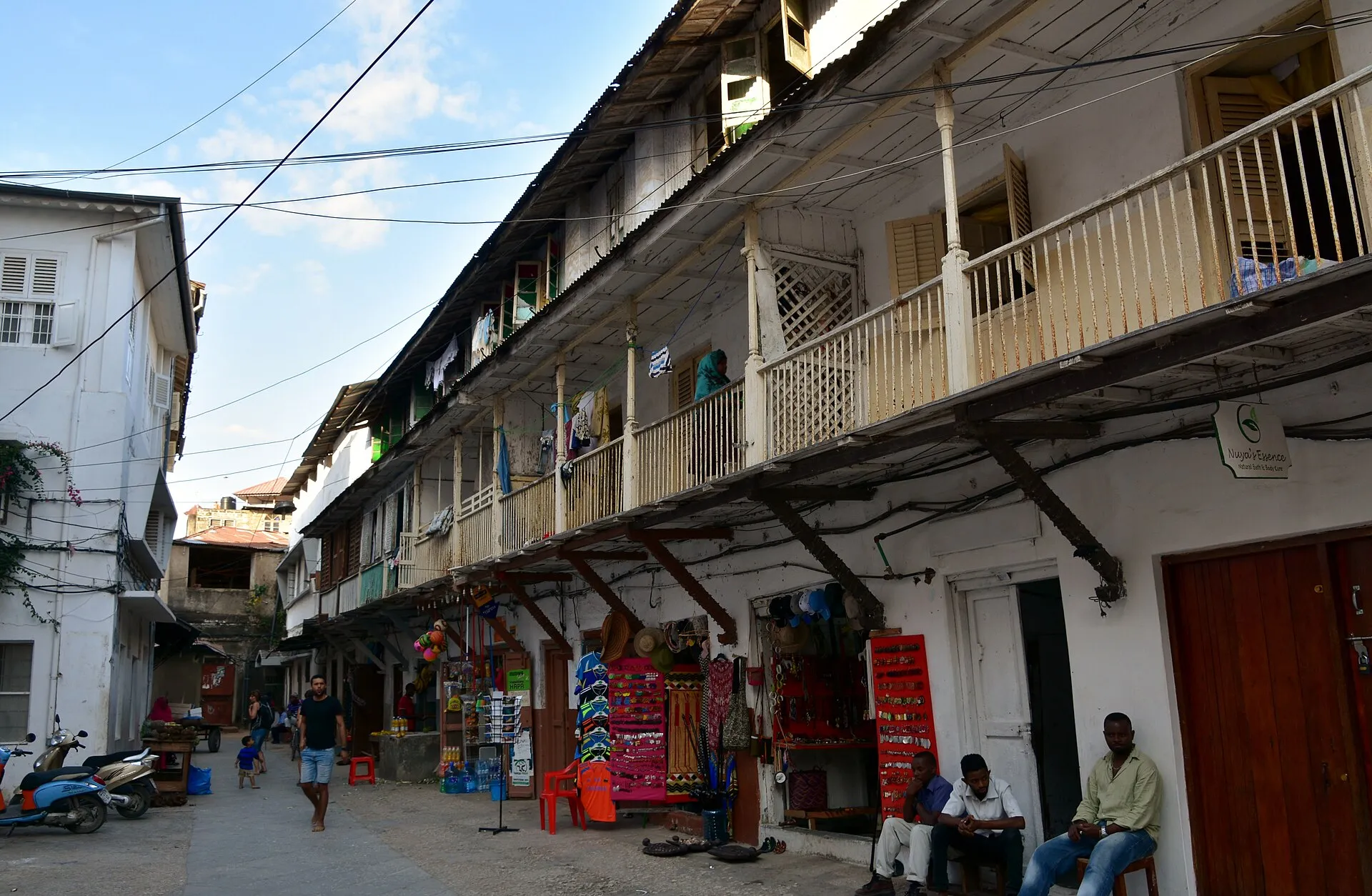
Stone Town is the old centre of Zanzibar City and a UNESCO World Heritage Site since 2000. Its maze of narrow streets, coral-stone houses and carved wooden doors reflects centuries of Swahili, Arab, Persian, Indian and European influence. Highlights include the Old Fort, the former slave market and Anglican Cathedral, Forodhani Gardens’ evening food market and the waterfront. A guided walk of three to four hours is the best introduction.
Key takeaways
- UNESCO World Heritage Site since 2000.
- Swahili, Arab, Indian and European heritage.
- Old Fort, slave market memorial, Forodhani.
- Best explored on a guided walk.
For centuries, Zanzibar was the hub of trade along the East African coast. Monsoon winds brought dhows from Arabia, Persia and India, carrying cloth, beads and porcelain, and returning with ivory, spices and, tragically, enslaved people. In the 19th century, the Sultans of Oman moved their capital here, and Stone Town grew into a rich, cosmopolitan city. Its buildings, food, language and people still carry those layers of history.
What to see
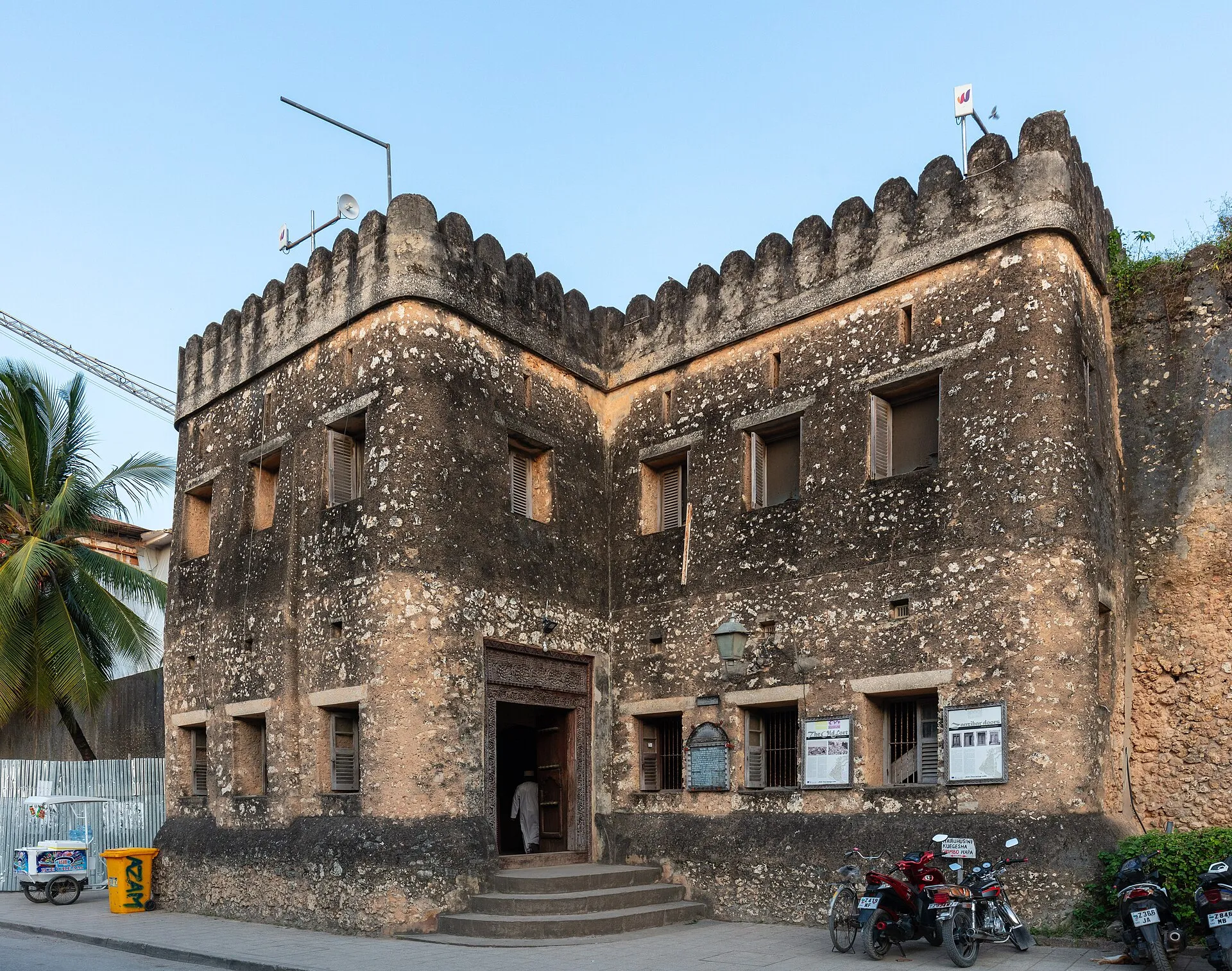
- The Old Fort (Ngome Kongwe): built by the Omanis around 1700 on the site of an earlier Portuguese church, now a cultural centre with craft stalls and an amphitheatre.
- The House of Wonders (Beit al-Ajaib): built in 1883 for Sultan Barghash, the first building in East Africa with electricity and a lift. Part of it collapsed in December 2020, and it remains closed while it is restored; you can still see it from the waterfront.
- The Palace Museum: a former sultan’s palace on the seafront, with displays on the royal family.
- The former slave market and Anglican Cathedral: the cathedral was built on the site of the last open slave market, closed in 1873. A memorial of chained figures and an exhibition tell the story of the East African slave trade. It is a sobering and essential visit.
- Darajani Market: a busy market for fruit, spices, fish and everyday goods.
- Hamamni Persian Baths: 19th-century public baths built for Sultan Barghash.
- Freddie Mercury’s birthplace: the Queen singer was born in Stone Town in 1946; a small museum remembers him.
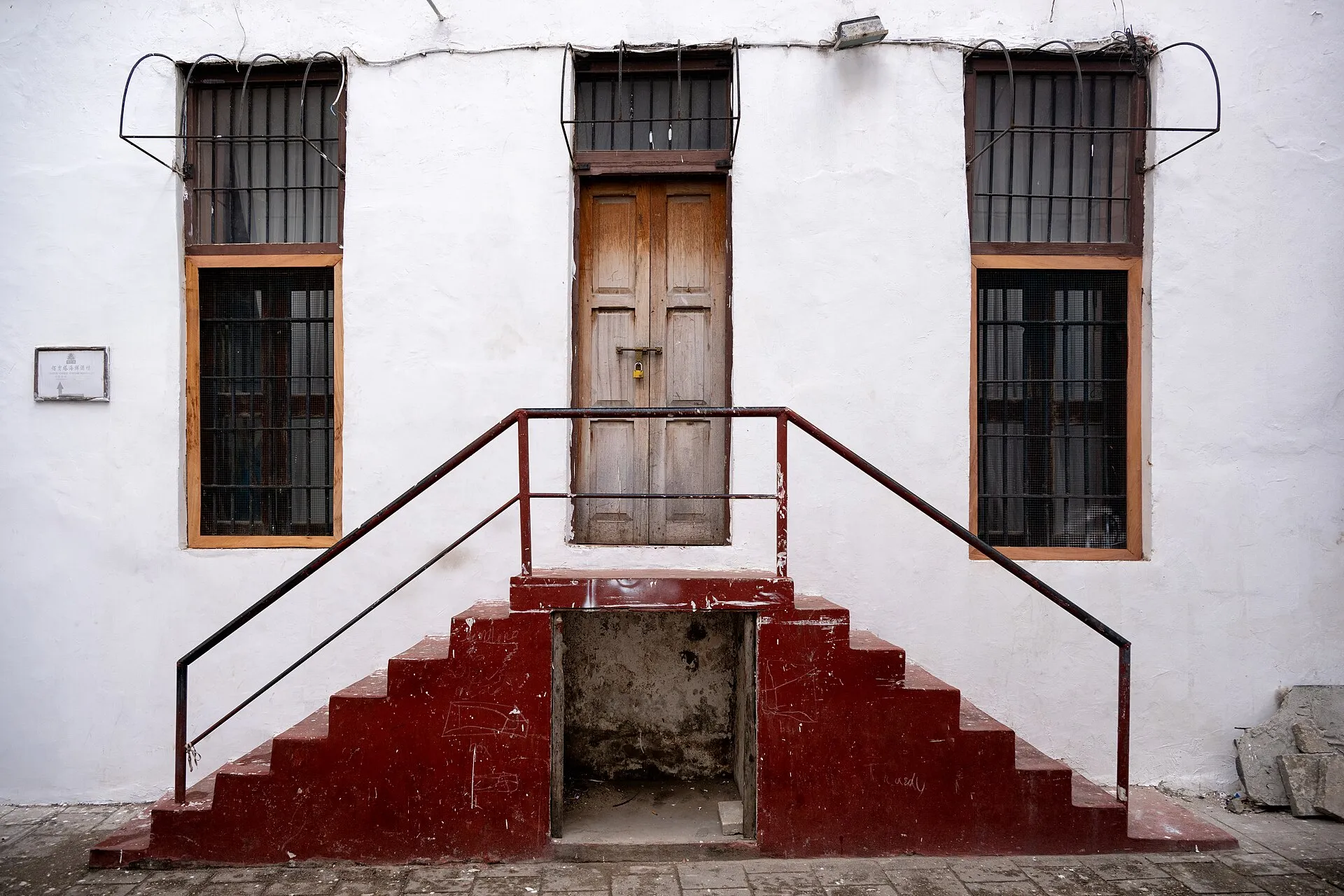
The carved doors
Stone Town is famous for its carved wooden doors. Arab-style doors are square with carved frames, while Indian-style doors have rounded tops and brass studs, a tradition said to come from India, where studs protected doors against elephants. Carvings show lotus flowers, chains, fish and verses from the Qur’an. Many doors are more than a century old.
Forodhani Gardens
At sunset, the waterfront gardens fill with food stalls grilling seafood, meat skewers and “Zanzibar pizza”, a stuffed and fried pancake, with fresh sugarcane juice pressed with lime and ginger. Agree prices before ordering and choose freshly cooked food. Local boys dive off the sea wall into the water as the sun sets.
How to explore
The alleys are a maze, and a local guide helps you understand what you are seeing. A guided walk of three to four hours covers the main sites, the markets and the stories behind the buildings. Afterwards, wander on your own; getting a little lost is part of the experience, and the sea is never far away if you need to find your bearings.
Etiquette
Zanzibar is a mainly Muslim society. Away from beach hotels, cover shoulders and knees, and dress modestly in Stone Town. During Ramadan, avoid eating, drinking and smoking in public during the day, and expect some restaurants to open only after sunset. Ask before photographing people.
When to go
Stone Town can be visited year-round. June to October and December to February are drier. The long rains, roughly April and May, bring heavy showers, but the town is quieter. The Sauti za Busara music festival takes place in February, and the Zanzibar International Film Festival in June or July.
Good to know
- Stone Town is about 15–20 minutes from Zanzibar’s airport.
- Zanzibar requires mandatory travel insurance for visitors (US$44 per adult).
- Use licensed guides; touts on the street may overcharge.
- Combine with a spice tour and a dhow sunset cruise.
Who it suits
Stone Town suits history lovers, food lovers, photographers and honeymooners. Most visitors spend one or two nights here before or after the beaches.
Where to stay
Stone Town has boutique hotels in restored merchant houses, many with rooftop terraces for sunset views over the harbour. Staying in the old town lets you explore in the cool early morning and at night, when the streets come alive. Read Zanzibar after safari: where to stay.
A suggested day
Start early with a guided walk while the streets are cool, visiting the market, the cathedral and the fort. Have lunch in a rooftop café, rest in the heat of the afternoon, then take a sunset dhow cruise and finish with dinner at Forodhani. The next day, join a spice tour or take a boat to Prison Island, where giant tortoises live.
Prison Island
A 30-minute boat ride from Stone Town, Changuu Island, known as Prison Island, was used to hold enslaved people and later built as a quarantine station. Today it is home to giant Aldabra tortoises, some more than a century old, and has a small beach for swimming and snorkelling. It makes a relaxed half-day trip from the town.
Plan it
Stone Town features on our 4-day Zanzibar beach holiday, 12-day gorillas and Zanzibar honeymoon and 10-day Serengeti safari and Zanzibar beach. See the Zanzibar destination guide.
Frequently asked questions
How long should I spend in Stone Town?
One or two nights is ideal before or after the beaches.
Is Stone Town safe?
Yes, with normal care; use licensed guides and watch valuables at night.
Can I visit the House of Wonders?
Not inside at present; it is closed for restoration after a partial collapse in 2020.
What should I wear?
Cover shoulders and knees in the old town.
Is Forodhani food safe?
Choose freshly cooked food from busy stalls and agree prices first.
Do I need a guide in Stone Town?
Not strictly, but a licensed guide explains the history behind the buildings and helps you navigate the maze of alleys.

Written by our Kampala-based planners and guides, who arrange these trips every season. Prices and rules are checked before every quote.