A Zanzibar spice tour takes you to a farm a short drive from Stone Town, where a guide shows you how cloves, nutmeg, cinnamon, vanilla, black pepper, cardamom, lemongrass and turmeric grow. You smell and taste each spice, try tropical fruits and often watch a climber scale a coconut palm. Tours last about three hours and usually end with a spiced lunch.
Key takeaways
- Cloves, nutmeg, cinnamon, vanilla and more.
- About three hours, near Stone Town.
- Tropical fruit tasting and coconut climbing.
- Often ends with a spiced lunch.
Zanzibar and its sister island Pemba became famous for cloves in the 19th century, when Sultan Said of Oman encouraged plantations on the islands. For a time, they produced most of the world’s cloves, and spices remain an important part of the economy and cuisine.
What you see and taste
- Cloves: the dried flower buds of a tree, picked by hand before they open.
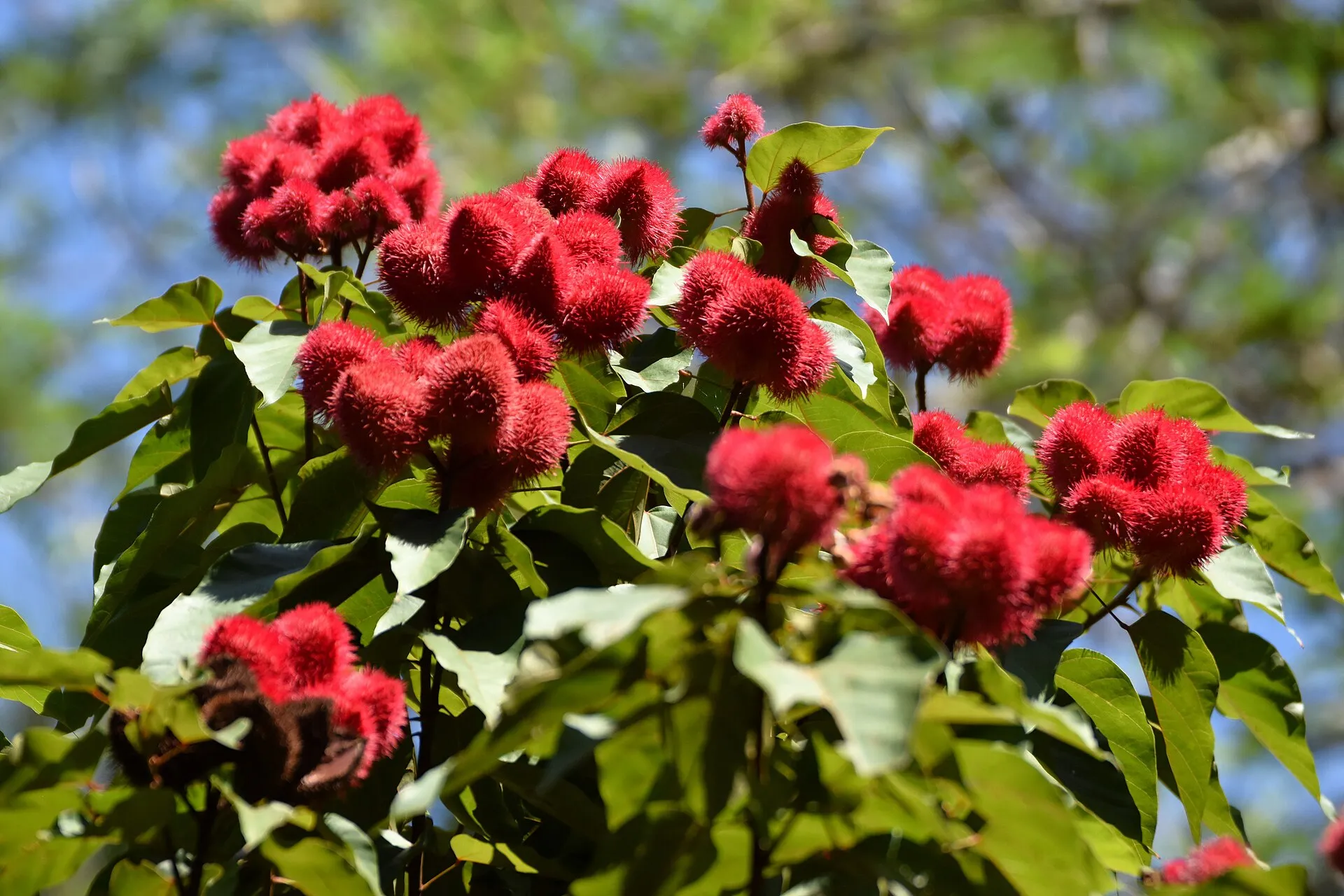
- Nutmeg and mace: the nutmeg seed is wrapped in a bright red lace called mace.
- Cinnamon: the inner bark of a tree; the leaves and roots also smell of cinnamon.
- Vanilla: an orchid whose flowers are pollinated by hand.
- Black pepper: berries on a climbing vine; green, black and white pepper come from the same plant.
- Cardamom, lemongrass, turmeric and ginger.
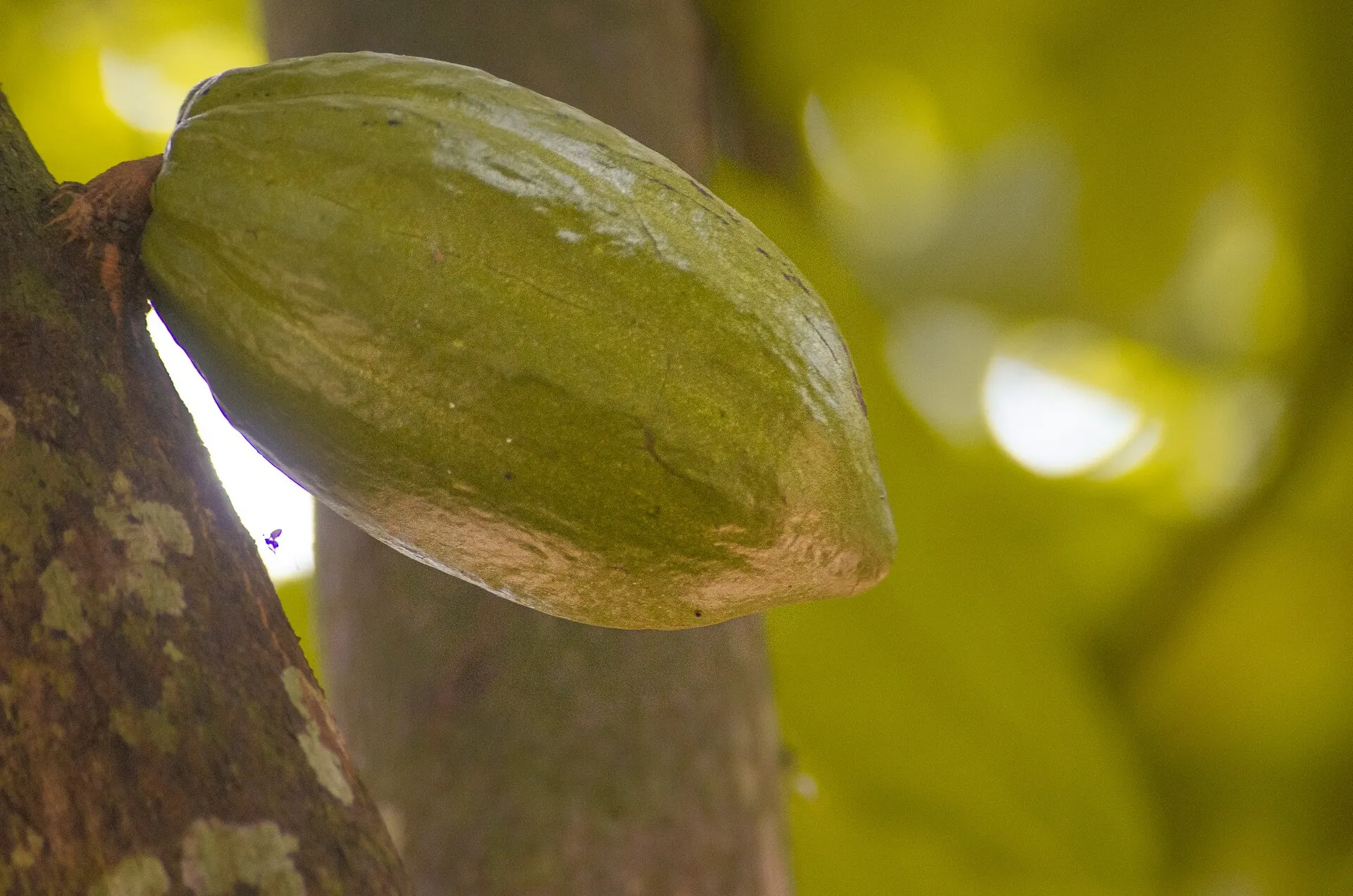
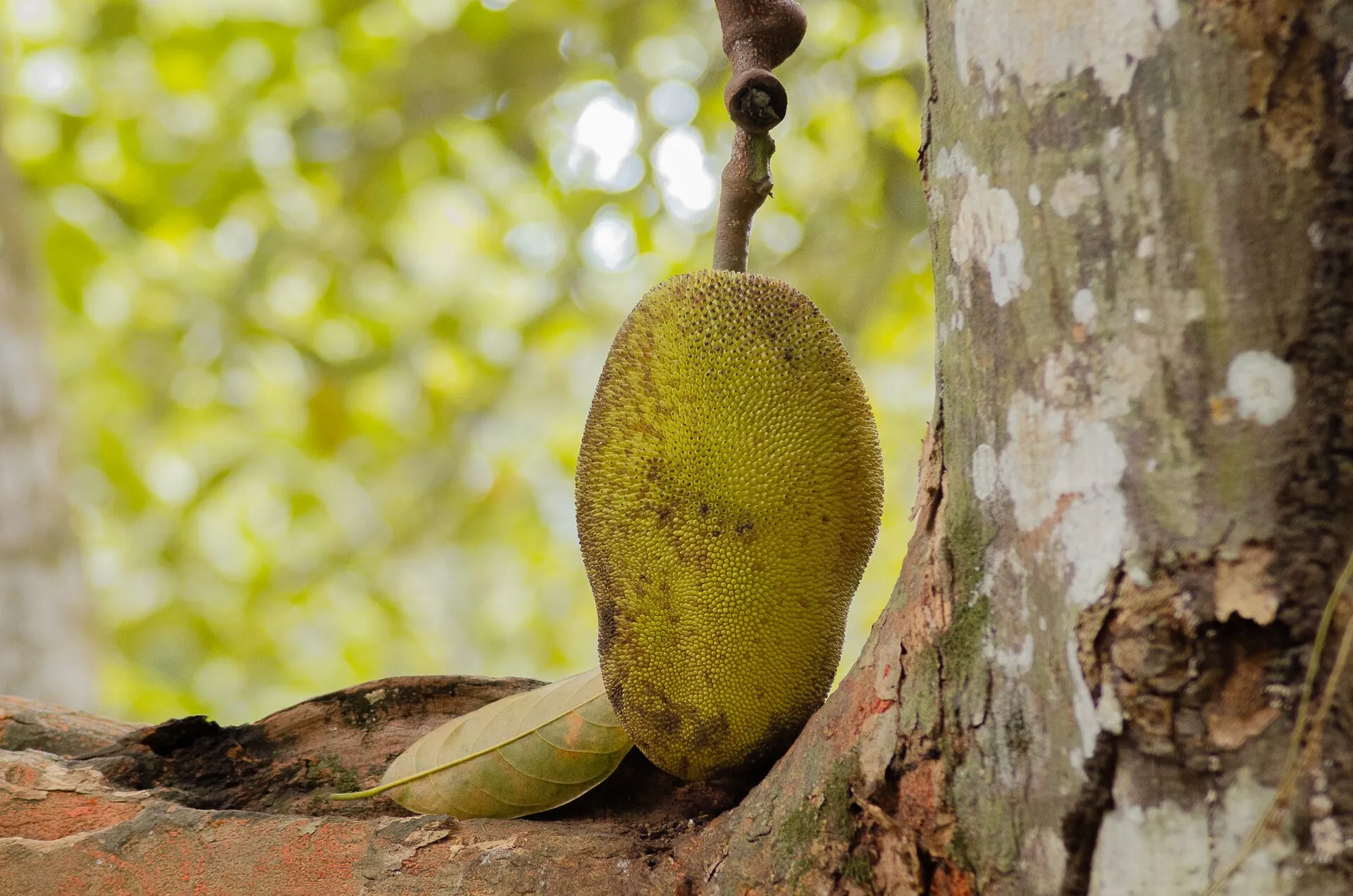
- Fruits: jackfruit, rambutan, starfruit, mangosteen and many types of banana, depending on the season.
How a tour works
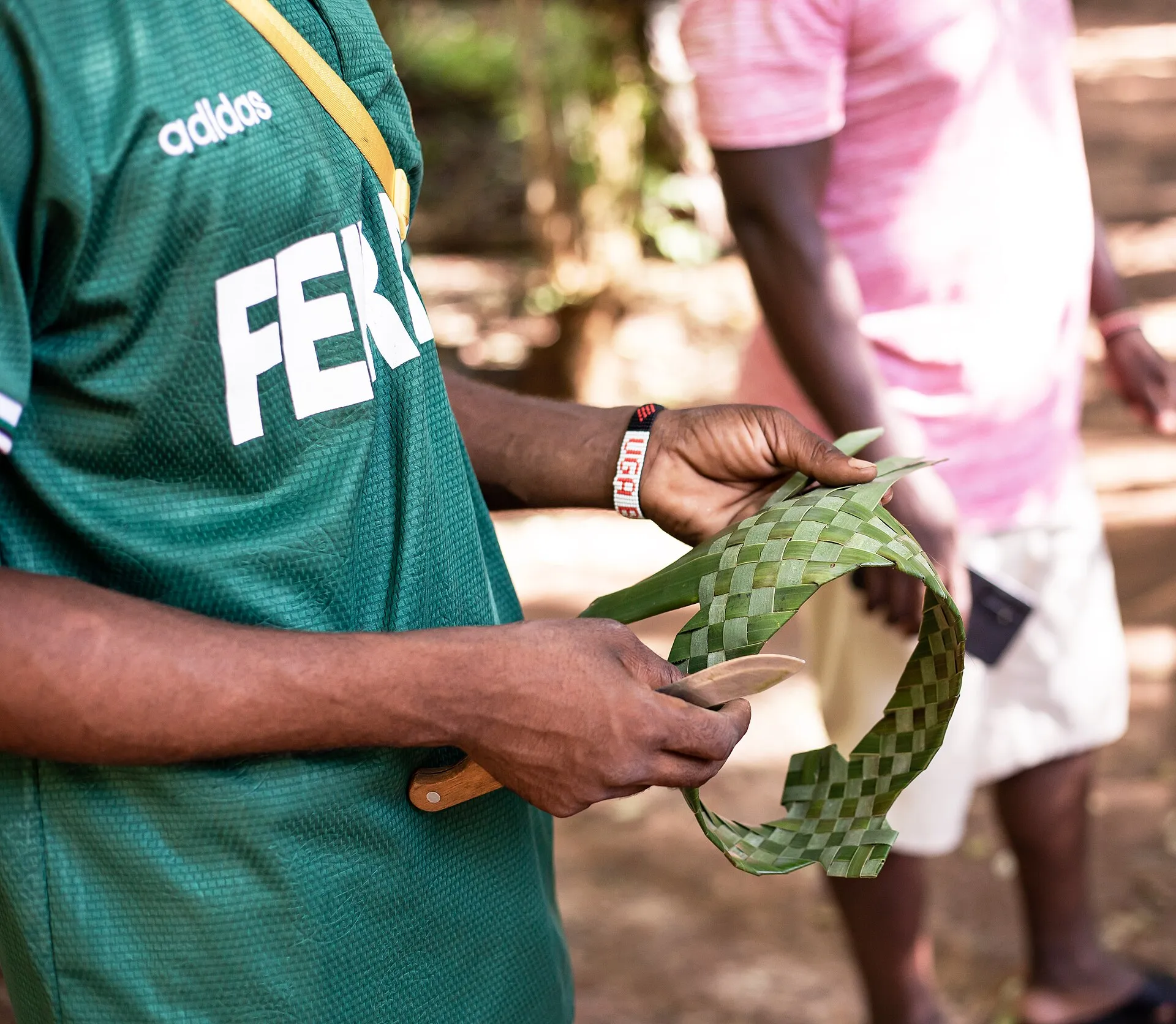
A guide leads you through the farm, picking leaves, bark and seeds for you to smell and taste, and asking you to guess each spice. Children often weave you hats and bags from palm leaves. Many tours end with a lunch of pilau rice and curries flavoured with the spices you have seen, and a chance to buy spices, oils and soaps.
History of the spice trade
Arab and Indian traders sailed to the East African coast for centuries. In the 19th century, the clove plantations relied heavily on enslaved labour, a dark part of the history that good guides do not hide. After the abolition of slavery, smallholders took over much of the cultivation. Today, Zanzibar’s state trading company and private farms produce cloves for export.
When to go
Tours run year-round. In the long rains, roughly April and May, paths can be muddy. Different spices and fruits are in season at different times, so every visit is a little different.
Good to know
- Wear comfortable shoes and bring insect repellent.
- Tips for guides and helpers are appreciated.
- Buy spices in sealed packets for travel.
- Combine with Stone Town or the Persian baths at Kidichi.
Who it suits
Spice tours suit families, food lovers and anyone with a morning in Zanzibar. They are gentle, sensory and fun for all ages.
The Persian baths at Kidichi
Near the spice farms, the Kidichi Persian Baths were built in the 1850s by Sultan Said for his Persian wife. Their domed rooms and carved plaster make a short, interesting stop on the way back to Stone Town.
Cooking with Zanzibar spices
Zanzibari food blends African, Arab, Indian and Persian influences. Pilau rice is cooked with cloves, cinnamon, cardamom and black pepper; biryani is layered with saffron-coloured rice; and fish curries use coconut milk, turmeric and tamarind. Spiced tea, chai, flavoured with ginger, cardamom and lemongrass, is drunk throughout the day. Some farms and Stone Town guesthouses offer cooking classes, where you shop for ingredients, then cook and eat a full Zanzibari meal.
What to buy
- Whole spices such as cloves, cinnamon sticks, nutmeg and vanilla pods, which keep their flavour longer than ground spices.
- Spice mixes for pilau and curry.
- Essential oils and soaps made with clove, lemongrass and ylang-ylang.
- Coconut products from the farms.
Check your home country’s rules on importing plant products; sealed, commercially packed spices are usually allowed.
Responsible tours
Choose tours that employ local guides and pay farm families fairly. Tipping the guide and the young helpers who make palm-leaf crafts is customary and appreciated.
Cloves today
Cloves are still harvested by hand, mostly on Pemba. Pickers climb ladders to gather the pink buds just before they open, then spread them on mats to dry in the sun until they turn dark brown. The scent fills the villages during harvest.
Plan it
Add a spice tour to our 4-day Zanzibar beach holiday or 12-day gorillas and Zanzibar honeymoon. See also beaches of northern Zanzibar.
Frequently asked questions
How long is a spice tour?
About three hours, including lunch on many tours.
Is it good for children?
Yes. Children love the tasting, guessing and palm-leaf crafts.
Can I buy spices?
Yes, at the farm, usually in sealed packets.
Why is Zanzibar called the Spice Island?
Because of its 19th-century clove plantations and long history in the spice trade.
Is lunch included?
On many tours, yes; check when booking.
Which spice farms are best?
Government and family farms around Kizimbani and Kidichi, about 20–40 minutes from Stone Town, are the most visited; we choose farms with good guides and fair practices.
Can I combine a spice tour with Stone Town on the same day?
Yes. A morning spice tour and an afternoon walk in Stone Town make a full, varied day.

Written by our Kampala-based planners and guides, who arrange these trips every season. Prices and rules are checked before every quote.