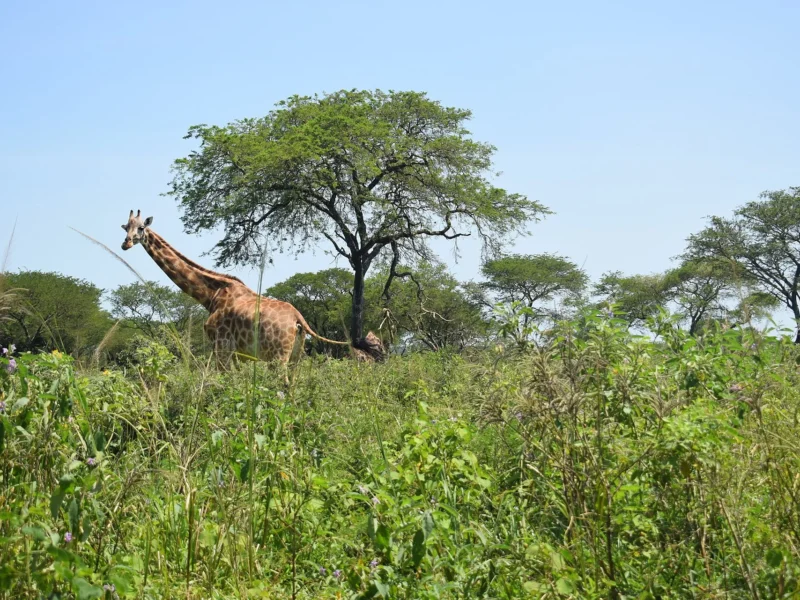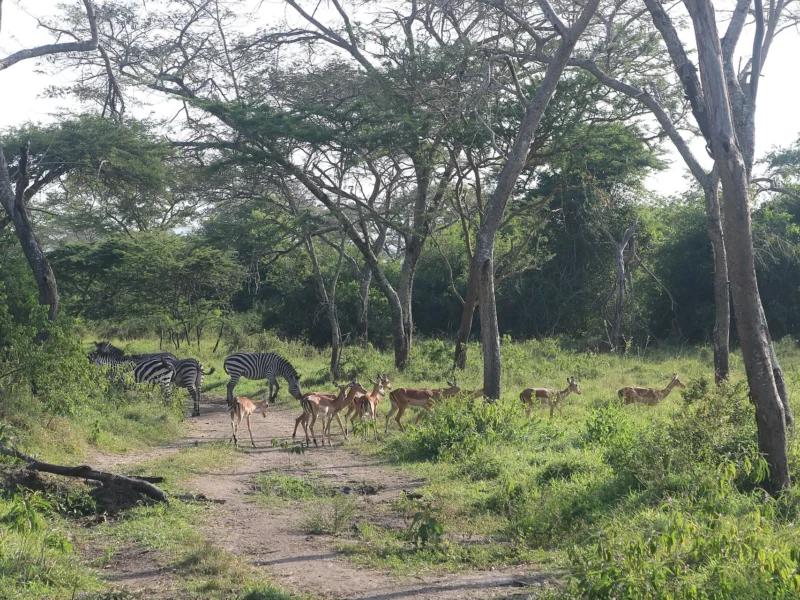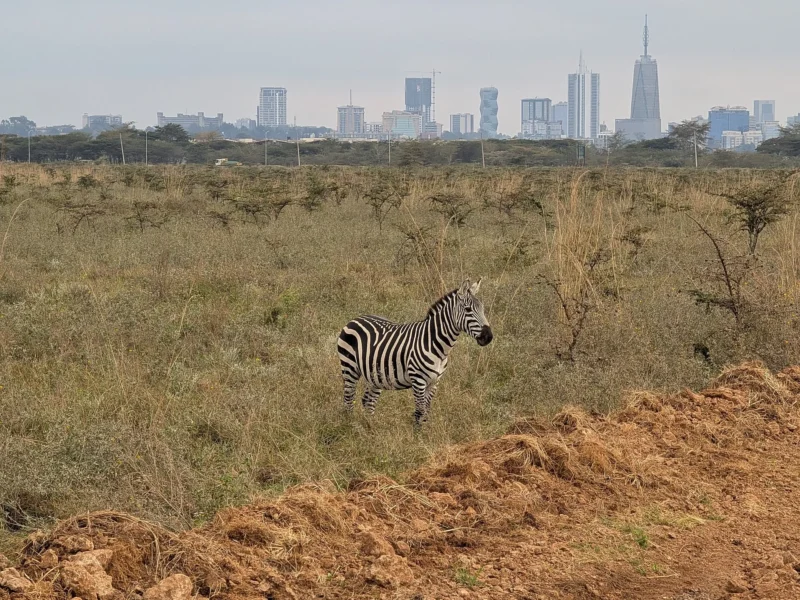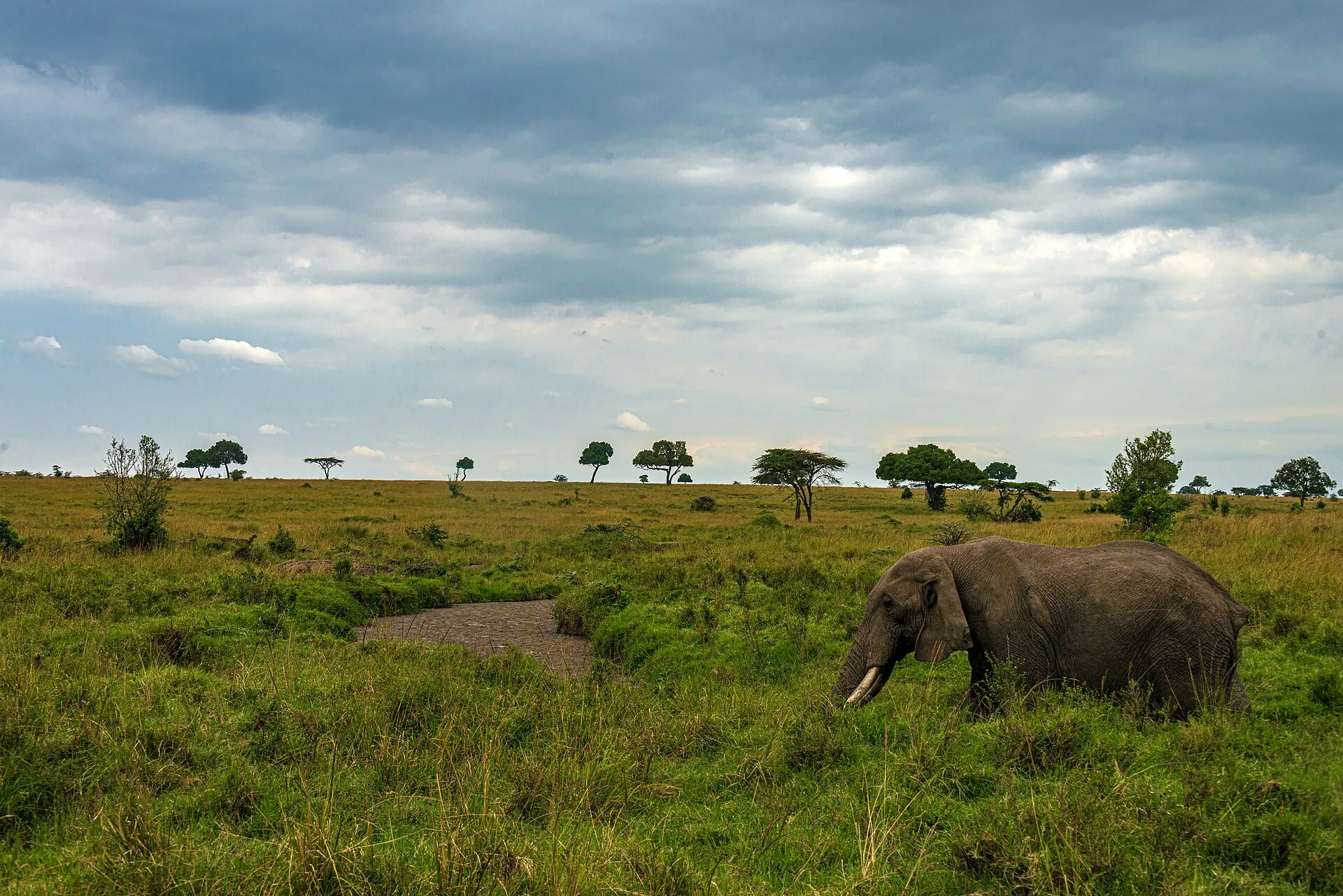
Family safaris in East Africa work well with the right planning. Gorilla trekking has a minimum age of 15 and chimpanzee tracking 12 in Uganda, but children of any age can enjoy rhino tracking at Ziwa, boat trips, game drives, walking safaris at Lake Mburo and community visits. Private vehicles, family rooms, shorter drives and child-friendly lodges make the difference.
Key takeaways
- Gorilla trekking: minimum age 15. Chimp tracking in Uganda: 12.
- Rhinos, boats, game drives and walks suit younger children.
- A private vehicle lets you stop for snacks and rest whenever needed.
- Choose lodges with family rooms, pools and flexible meals.
- Talk to a travel clinic about child-friendly malaria prevention.
Children are natural safari-goers: endlessly curious, sharp-eyed and thrilled by every elephant and hippo. A family safari creates memories that last a lifetime, and with a little planning it can be relaxed and easy for parents too.
Age limits to know
| Activity | Minimum age |
|---|---|
| Gorilla trekking (Uganda, Rwanda) | 15 |
| Chimpanzee tracking, Kibale (Uganda) | 12 |
| Chimpanzee trekking, Nyungwe (Rwanda) | 15 |
| Rhino tracking at Ziwa | No strict minimum; suitable for families |
| Game drives and boat trips | All ages (some camps set limits) |
If your children are under 15, focus on savannah wildlife, rhinos and boat trips, and consider a separate gorilla trek for the adults while children enjoy a community visit or lodge activities.
Best parks and activities for children
- Ziwa Rhino Sanctuary: walking with rhinos is a highlight for all ages.
- Lake Mburo: zebra, giraffes, boat trips, walking and horse riding, close to Kampala.
- Boat trips on the Kazinga Channel and the Nile at Murchison: hippos, crocodiles and elephants up close.
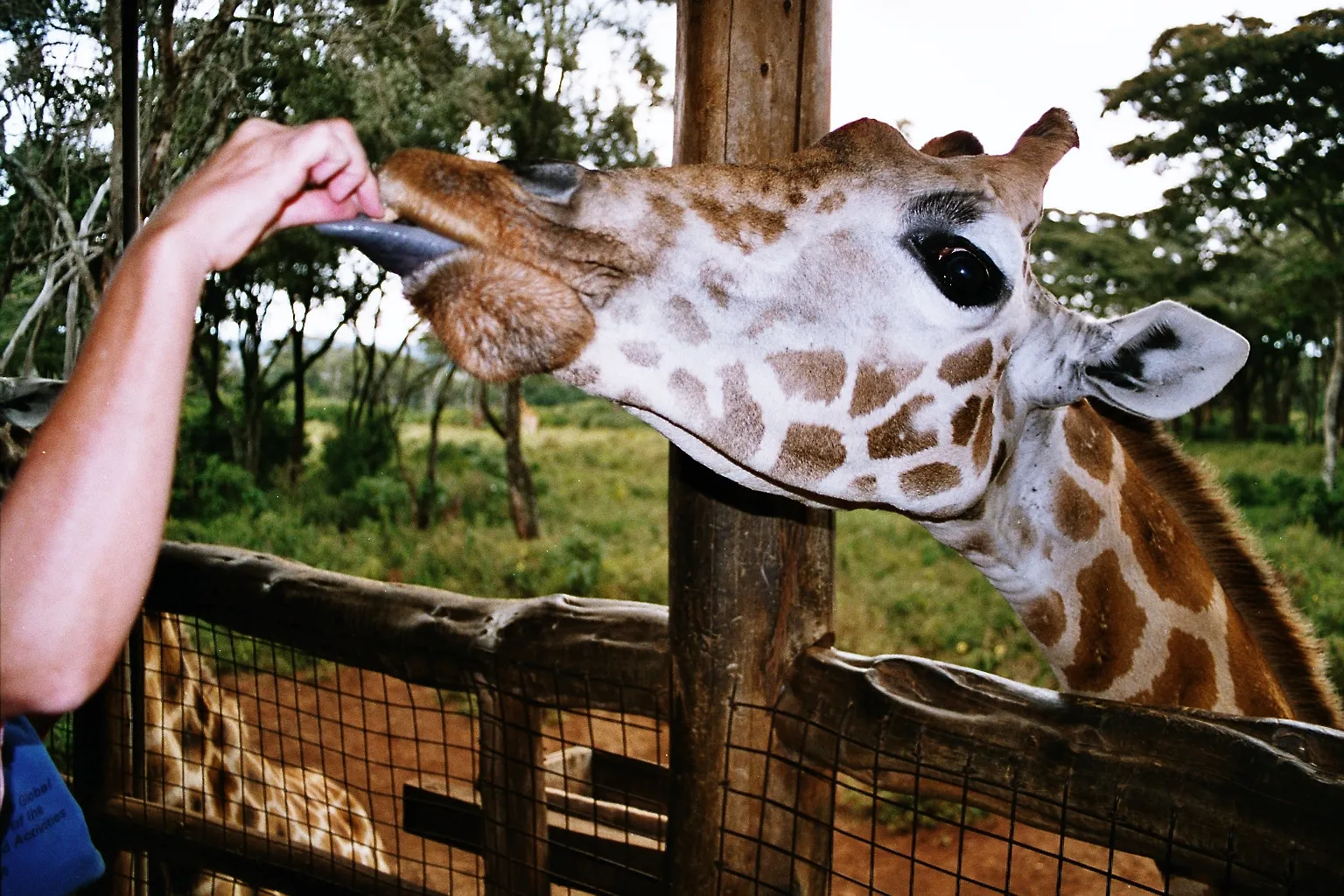
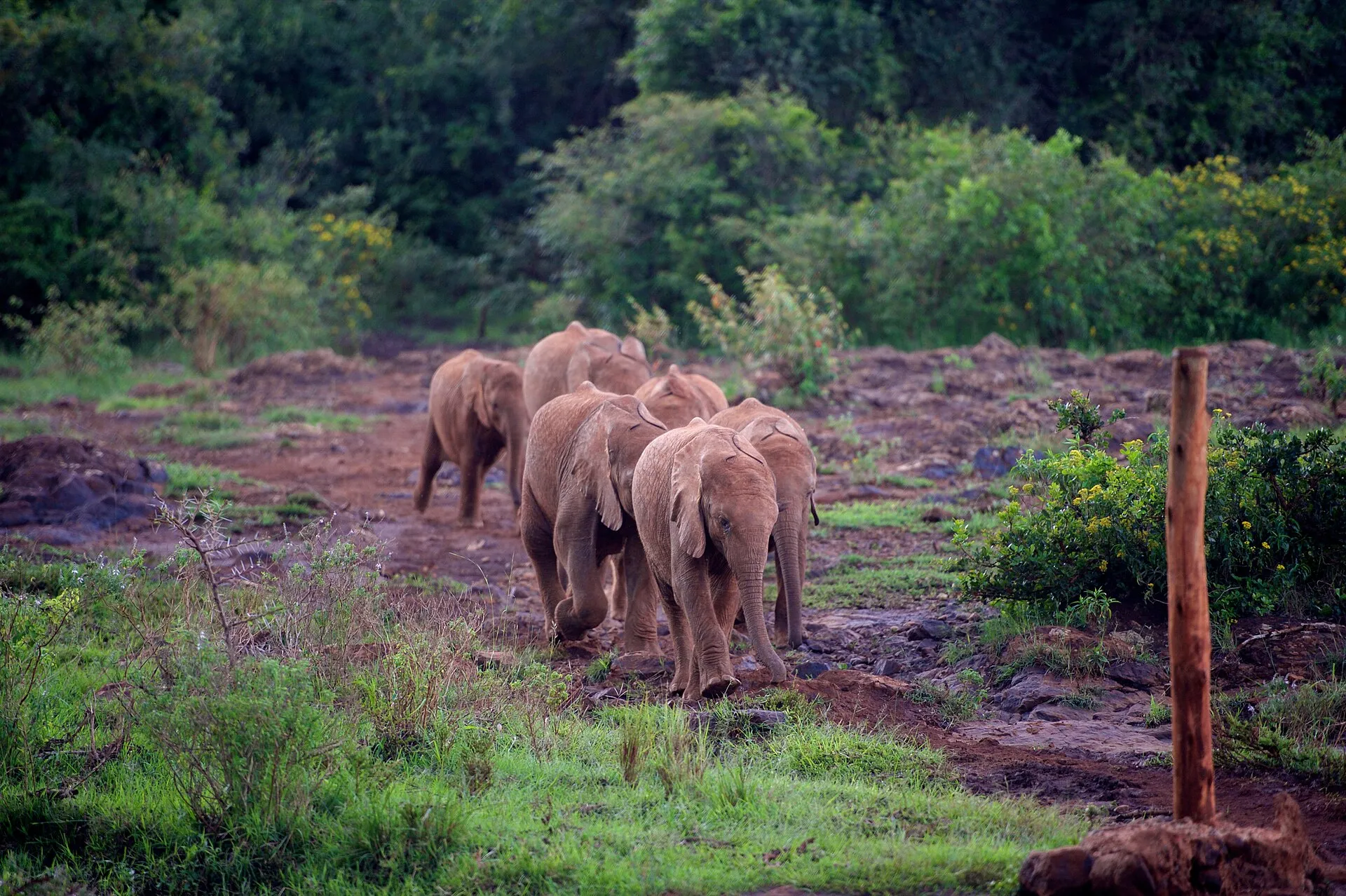
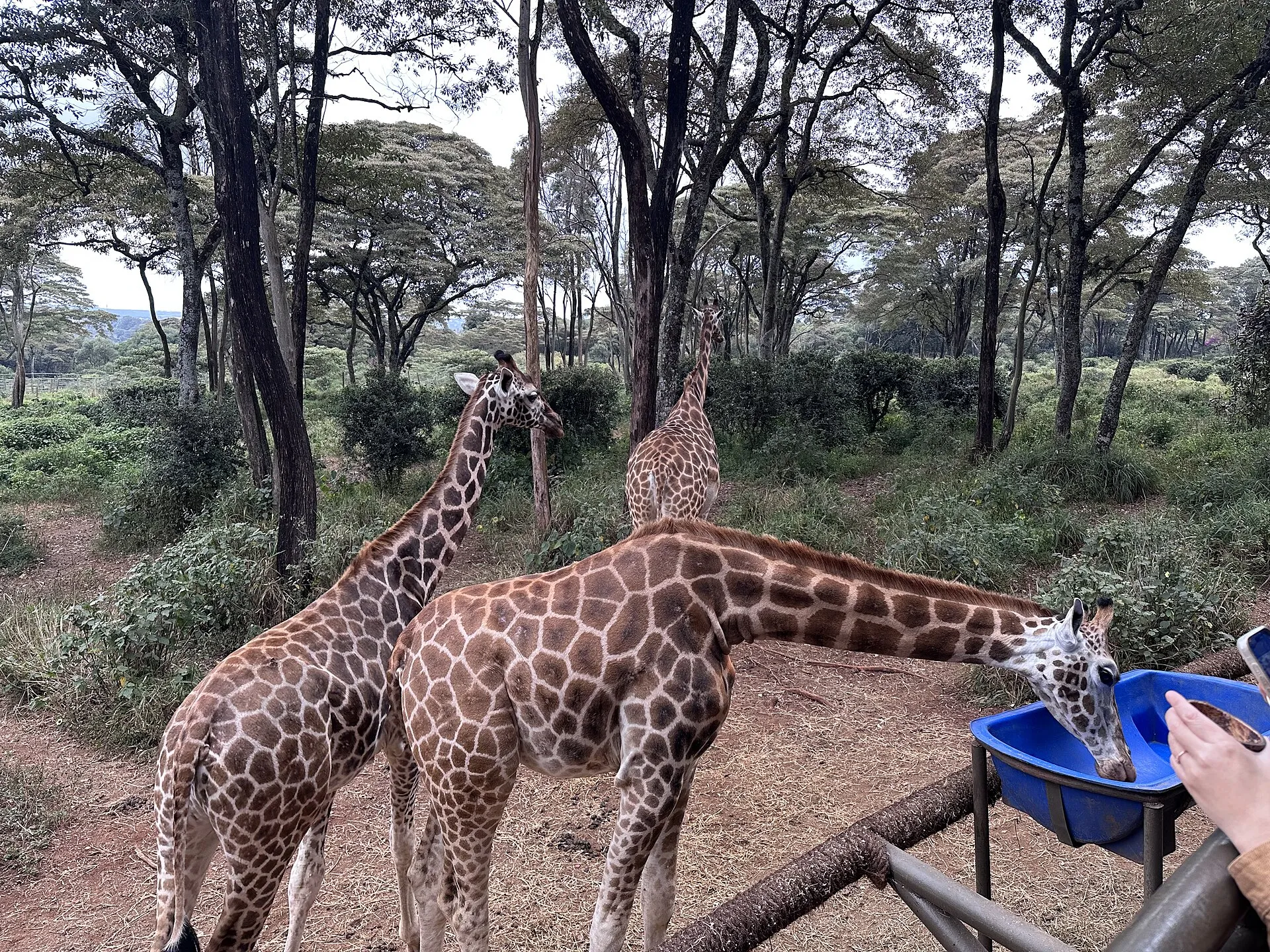
- Nairobi: the elephant orphanage and the Giraffe Centre are ideal for children.
- Amboseli and the Masai Mara: big game on short drives.
Planning tips
- Keep drives short: we plan days of 3–5 hours of driving where possible, with stops.
- Use a private vehicle: stop when children need a break, a snack or a toilet.
- Choose family rooms and pools: many lodges have family tents, interconnecting rooms and pools.
- Mix activities: combine game drives with boats, walks, community visits and free time.
- Pack binoculars and a bird or animal checklist for each child.
Give each child a ‘sightings journal’ to tick off animals and draw what they see. It keeps them engaged on longer drives and makes a wonderful souvenir.
Health and safety
Visit a travel clinic six to eight weeks before you travel for vaccinations and malaria advice suitable for children. Use repellent and cover up in the evenings, and drink bottled or filtered water. On safari, children must stay inside the vehicle in the parks and follow the guide’s instructions on walks.
Sample family itineraries
- Our 8-day Uganda family safari combines rhinos, Murchison, Queen Elizabeth and Lake Mburo.
- For families with teenagers aged 15+, the 7-day primates and wildlife safari adds gorillas.
- In Kenya, the 8-day Amboseli, Lake Nakuru and Masai Mara includes walking and cycling at Hell’s Gate.
Costs for families
Many lodges offer reduced rates for children sharing with parents, and park fees for children are lower. Uganda Wildlife Authority charges child rates for ages 5–15, and under-fives enter free. We quote family rates clearly so you know exactly what you are paying for.
A sample family day
- 6:30am: early breakfast and a short game drive while animals are active.
- 10:00am: back to the lodge for a swim, games or a nap.
- 1:00pm: lunch and quiet time during the heat of the day.
- 3:30pm: a boat trip, nature walk or community visit.
- 6:30pm: sunset, dinner and stories around the fire.
This rhythm keeps energy levels up and avoids long hours in the vehicle.
Frequently asked questions
Can children trek gorillas?
Only from age 15, in both Uganda and Rwanda. Younger children can join community walks and other activities while parents trek.
What age is best for a safari?
Most children enjoy safaris from about six, when they can sit through game drives and remember the experience, but even younger children can have a great time with the right itinerary.
Are safaris safe for children?
Yes, in protected areas with a professional guide. Some camps have age restrictions for safety, which we take into account.
How do you keep children entertained?
Short drives, varied activities such as boats and walks, junior ranger programmes at some lodges, pools and plenty of stops.
Is malaria a concern for children?
East Africa is a malaria area. Your doctor can advise on child-friendly anti-malarials, and repellent and nets add protection.
Which lodges are best for families?
Lodges with family tents or interconnecting rooms, a pool, flexible meal times and space for children to play. We choose these for every family itinerary.

Written by our Kampala-based planners and guides, who arrange these trips every season. Prices and rules are checked before every quote.