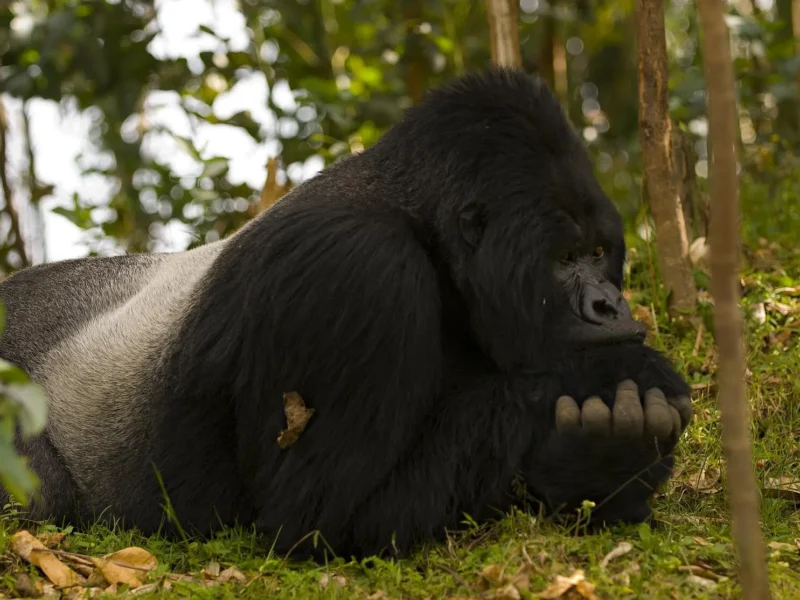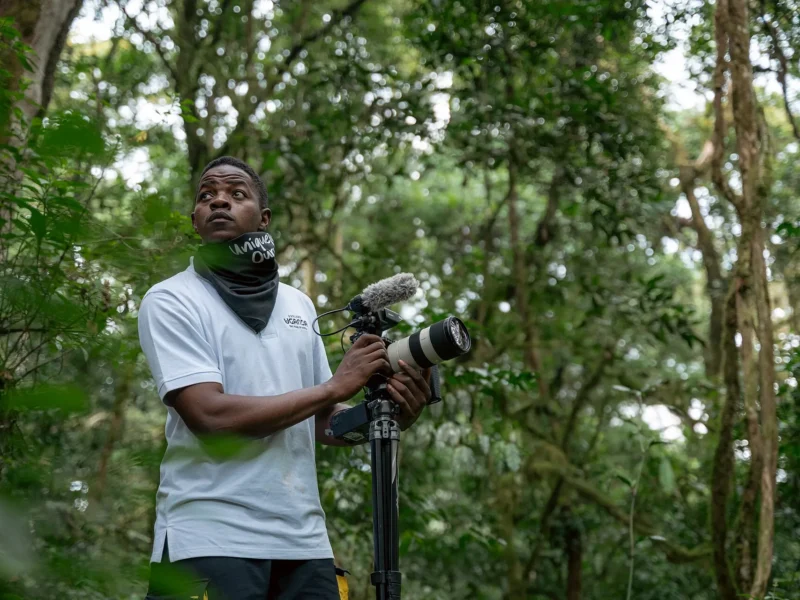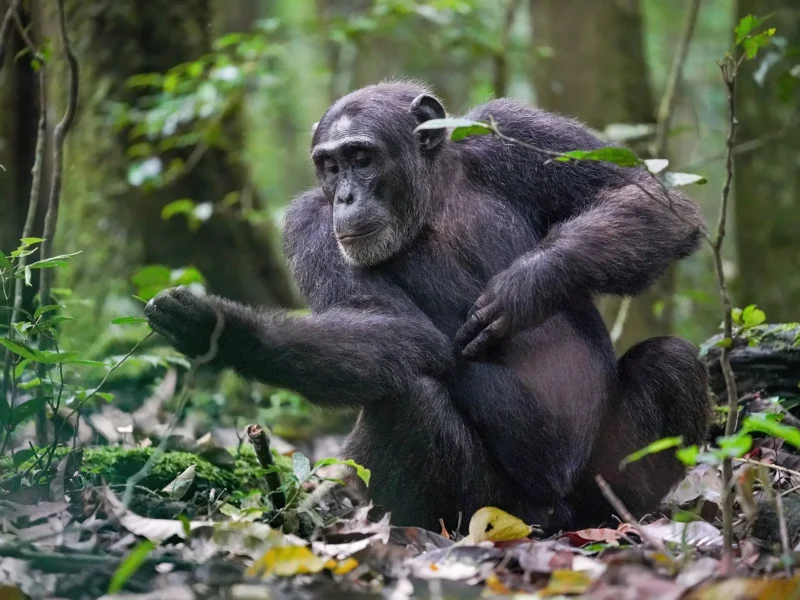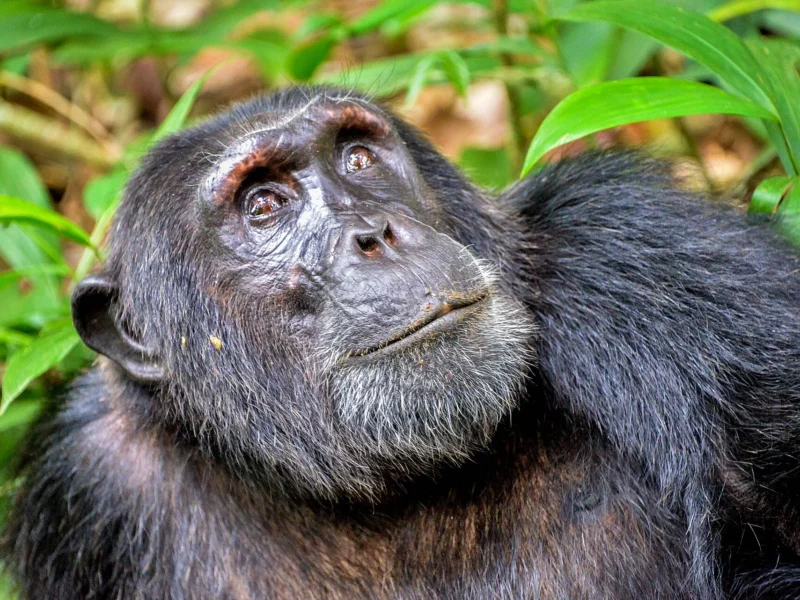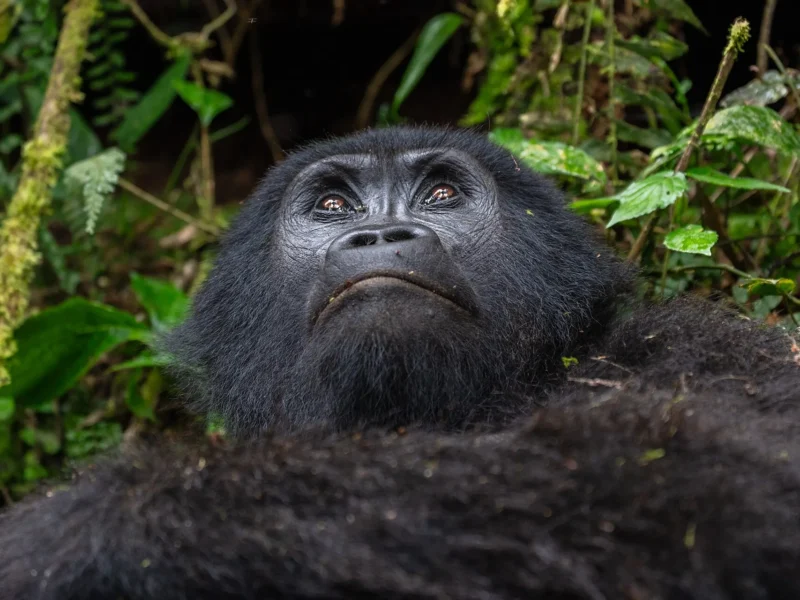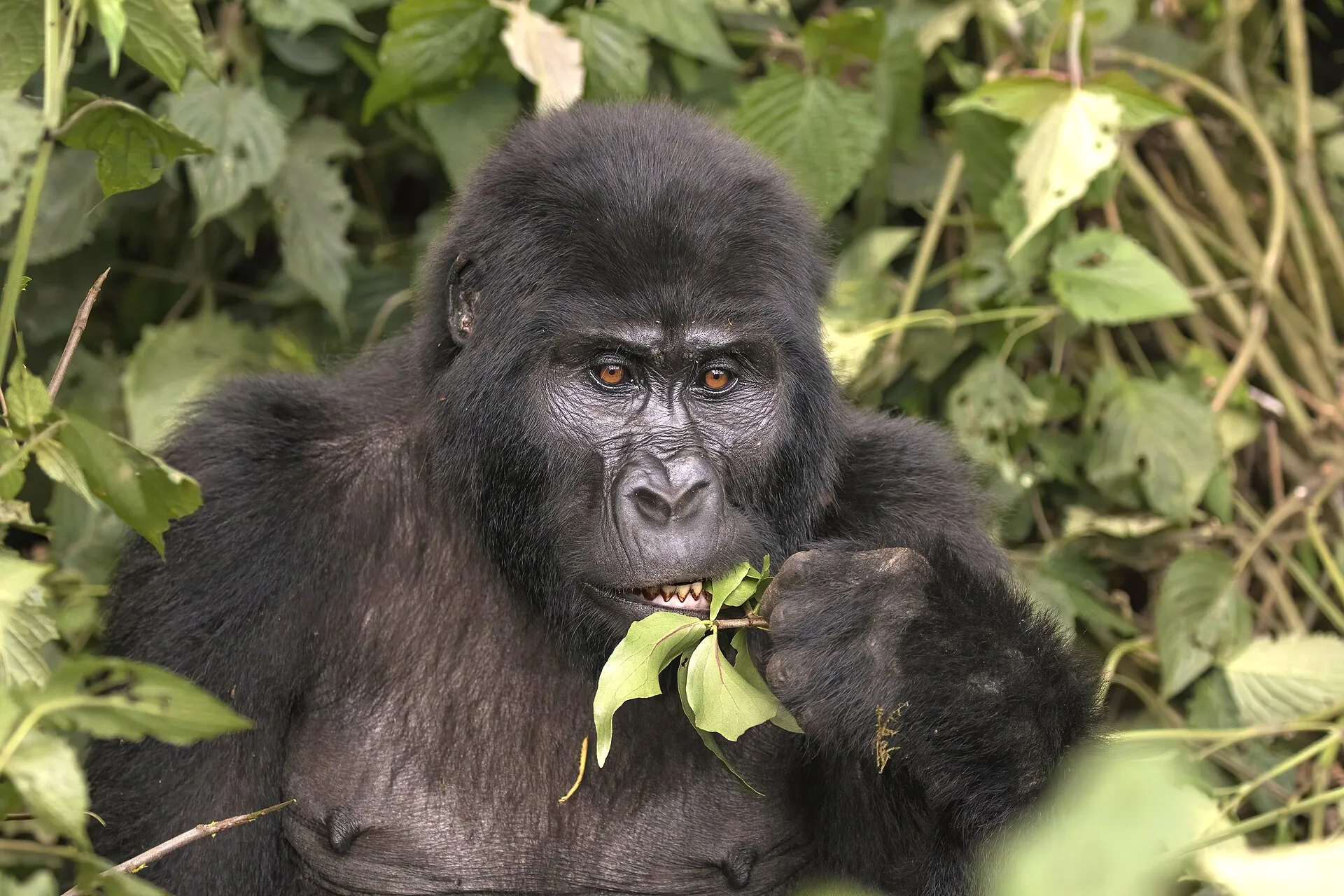
Since February 2026 Uganda’s gorilla permit costs US$600 instead of US$800 for foreign non-residents in April, May and November, and Kibale chimpanzee tracking costs US$200 instead of US$250. Low-season permits must be paid in full at booking and cannot be rescheduled. From 1 January 2027, standard chimp tracking rises to US$300 and the gorilla habituation experience to US$1,800.
Key takeaways
- Gorilla permit: US$600 in April, May and November (standard US$800).
- Kibale chimp tracking: US$200 in those months (standard US$250).
- Low-season permits cannot be rescheduled.
- Since March 2026 permits must be paid in full at booking.
- From 2027: chimps US$300, habituation US$1,800, gorilla stays US$800.
On 26 February 2026, the Uganda Wildlife Authority (UWA) wrote to tour operators announcing three changes: low-season permit rates, a revised tariff from 2027, and the end of the seven-day reservation window. For travellers, the low-season permits are the headline: a significant saving on gorilla and chimpanzee tracking in Uganda’s quietest months.
What the low-season rates are
| Activity | Foreign non-resident | Foreign resident |
|---|---|---|
| Gorilla tracking (April, May, November) | US$600 (normally US$800) | US$500 |
| Chimpanzee tracking, Kibale (April, May, November) | US$200 (normally US$250) | US$150 |
The rates took immediate effect and apply in Bwindi and Mgahinga for gorillas and Kibale for chimpanzees.
The rules
- Months: valid only in April, May and November.
- No rescheduling: low-season permits cannot be moved to other dates.
- Full payment: since 1 March 2026, UWA no longer holds unpaid reservations for seven days. Permits are secured only when paid in full.
- Licensed operators: foreign visitors must book gorilla and chimp permits through licensed Ugandan tour operators like us.
The 2027 price changes
From 1 January 2027, UWA’s revised tariff takes effect:
- Gorilla tracking: US$800 (unchanged).
- Gorilla habituation: US$1,800 (from US$1,500).
- Chimp tracking in Kibale: US$300 (from US$250).
- Chimp habituation: US$400 (from US$300).
- Chimp tracking in Kyambura Gorge: US$200 (from US$100).
Booking habituation or chimp experiences in 2026 saves money.
Who should use low-season permits
- Budget travellers who want gorillas and chimps at the best price.
- Photographers who like dramatic skies and green forests.
- Travellers who dislike crowds: parks and lodges are at their quietest.
- Repeat trekkers, who can afford a second trek with the savings.
What to expect in April, May and November
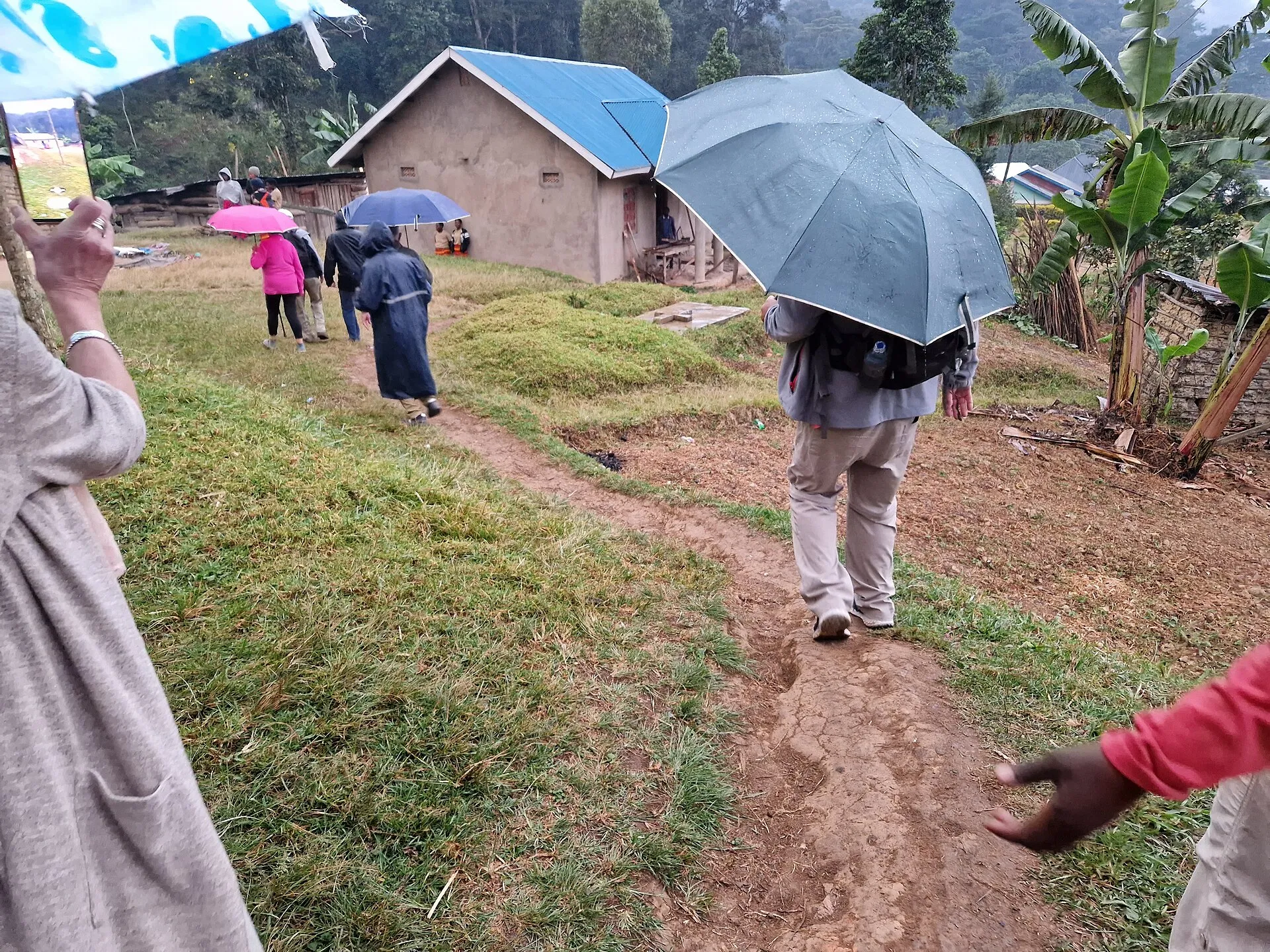
April and May are the long rains, November the short rains. Rain usually falls in heavy afternoon showers, mornings are often dry, and trails are muddier. Bring waterproofs, gaiters and good boots, and hire a porter. Many lodges offer green-season rates too. Read our April, May and November guides.
Because low-season permits cannot be rescheduled, book flights and permits together and consider insurance that covers travel disruption.
Making the most of it
Combine a low-season gorilla permit with Kibale chimps on our 5-day gorillas and chimpanzees safari, or use the savings for two treks on the 5-day double gorilla trekking safari. For the full picture, read our gorilla permit guide.
How to book a low-season permit
- Choose your trekking date in April, May or November and tell us how many people are travelling.
- We check live availability for each sector in Bwindi and Mgahinga, and for Kibale chimps if you want them too.
- You send passport details for each trekker and pay for the permits in full; unpaid holds are no longer possible.
- We buy the permits and send you copies, then book a lodge close to your sector.
Because the date cannot be changed, we usually confirm your international flights before buying the permit.
Low-season permits: quick answers
Does the US$600 permit include park entry?
Yes. Like the standard permit, it includes park entry for the trekking day, the ranger guides and the community contribution.
Can I change the date of a low-season permit?
No. Low-season permits are non-reschedulable. If your plans might change, a standard US$800 permit may be the safer choice.
Is the experience different in the low season?
The hour with the gorillas is exactly the same. Trails are muddier and you may get wet, but groups are often smaller and lodges quieter.
Is there a low-season rate for the habituation experience?
No. The reduced rates apply to standard gorilla tracking and to chimpanzee tracking in Kibale.
Do the low-season rates continue in 2027?
UWA’s revised tariff from 1 January 2027 lists gorilla tracking at US$800. We confirm the rate that applies to your date when we quote, before you pay.
How much you save
| Traveller | Standard permits | Low-season permits | Saving |
|---|---|---|---|
| Solo: gorilla + Kibale chimp | US$1,050 | US$800 | US$250 |
| Couple: gorilla + Kibale chimp | US$2,100 | US$1,600 | US$500 |
| Couple: two gorilla treks | US$3,200 | US$2,400 | US$800 |
| Family of four: one gorilla trek each | US$3,200 | US$2,400 | US$800 |
Lodges often add their own green-season discounts, so the total saving on a trip can be considerably larger.
Why UWA introduced low-season rates
April, May and November have traditionally been Uganda’s quietest months, with many permits unsold. Cheaper permits encourage travel in these months, spreading visitor numbers through the year, supporting lodges and communities in the off-season and keeping conservation revenue flowing to the parks. For travellers, it means better value and quieter forests.
Frequently asked questions
Which months are low season?
April, May and November.
Can I change the date of a low-season permit?
No. Low-season permits cannot be rescheduled, so choose your dates carefully and consider travel insurance.
Does the discount apply to the habituation experience?
No. The low-season rates apply to standard gorilla tracking and Kibale chimpanzee tracking.
Will prices change in 2027?
Yes. From 1 January 2027, chimp tracking in Kibale rises to US$300, chimp habituation to US$400, gorilla habituation to US$1,800 and Kyambura chimp tracking to US$200. Standard gorilla tracking stays at US$800.
Is it worth travelling in the rainy season?
For many travellers, yes: permits are cheaper, parks are quiet and the forest is lush. Expect afternoon rain and muddy trails.
Can foreign residents get the low-season rate?
Yes. Foreign residents with valid work or residence permits pay US$500 for gorillas and US$150 for Kibale chimps in the low-season months.
Do low-season permits sell out?
They can, especially for popular families and Rushaga in November. Book as soon as your dates are fixed, as permits are only secured once paid.

Written by our Kampala-based planners and guides, who arrange these trips every season. Prices and rules are checked before every quote.