Yes, for most travellers on an organised safari. The northern parks, the Serengeti, Ngorongoro, Tarangire and Lake Manyara, and Zanzibar receive many visitors, and camps and lodges have their own security. The main risks are petty crime in towns, road safety, wildlife in unfenced camps and health issues such as malaria. Governments advise caution in some border regions far from the safari circuit.
Key takeaways
- Organised safaris in the northern parks are generally safe.
- Take normal precautions in Arusha, Dar es Salaam and Stone Town.
- Follow camp rules: wildlife walks through unfenced camps.
- Take malaria prevention and carry a yellow fever certificate if needed.
- Respect local dress codes, especially in Zanzibar.
Safety is a fair question when planning a trip to Africa. Tanzania has welcomed safari travellers for decades, and the vast majority of visits are trouble-free. Here is what to know.
Safety in the parks
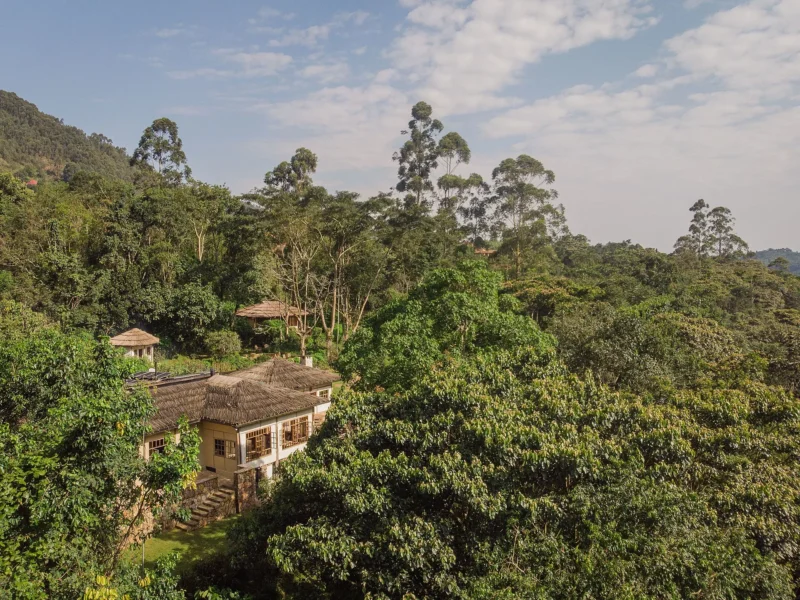
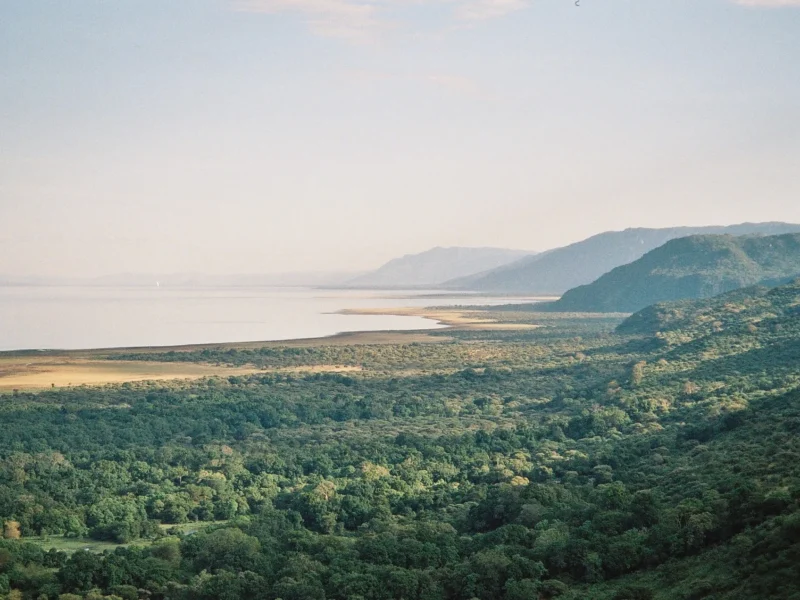
The Serengeti, the Ngorongoro Conservation Area, Tarangire and Lake Manyara are well-established, heavily visited safari areas. Parks are managed by Tanzania National Parks and the Ngorongoro Conservation Area Authority, with ranger posts and gates. Camps and lodges have staff on duty day and night.
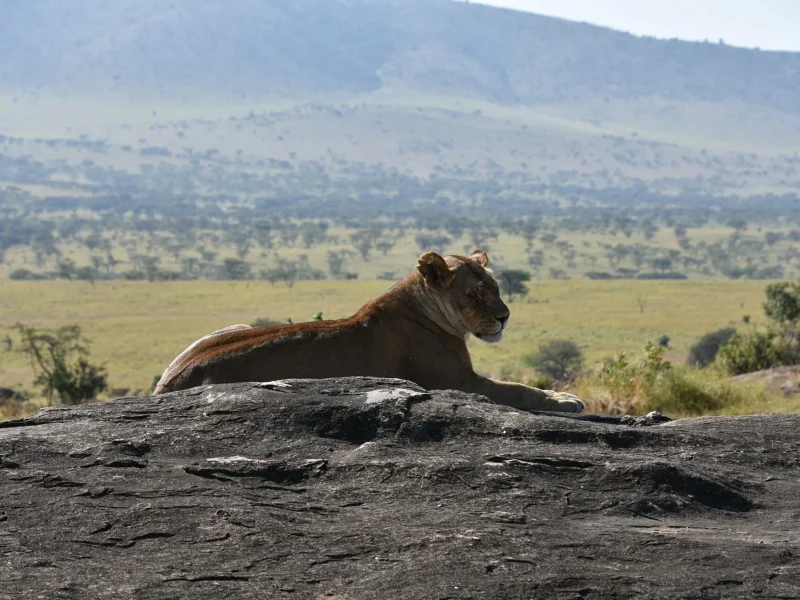
Many camps are unfenced, so animals such as buffalo, elephants and even lions can walk through at night. Staff escort you to your tent after dark. Never walk alone at night, and always follow your guide’s instructions on game drives.
Towns and cities
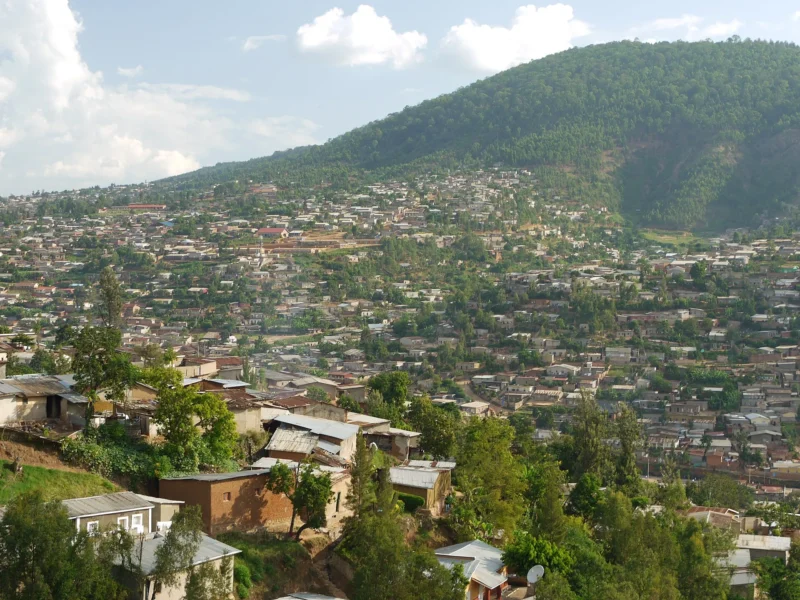
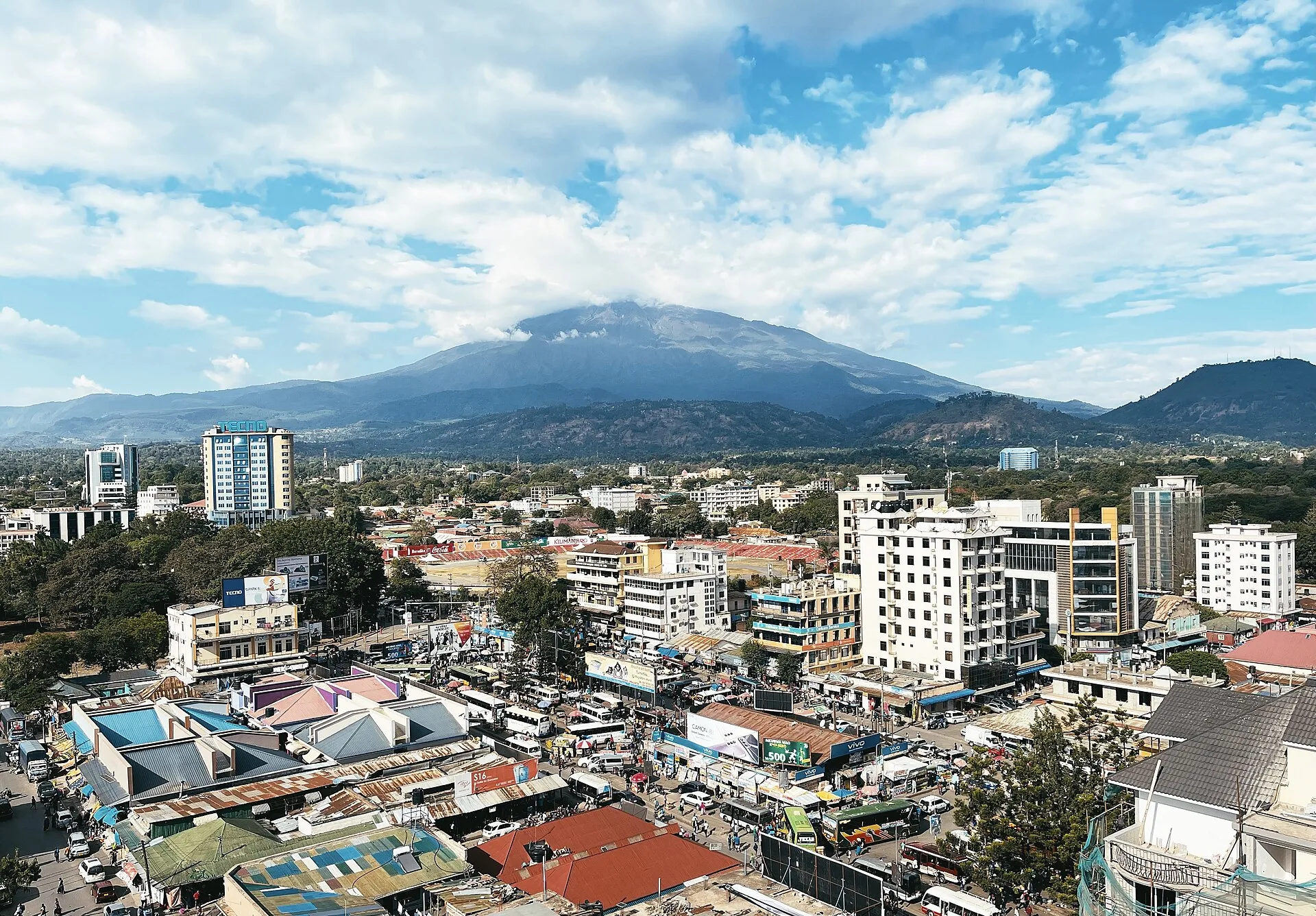
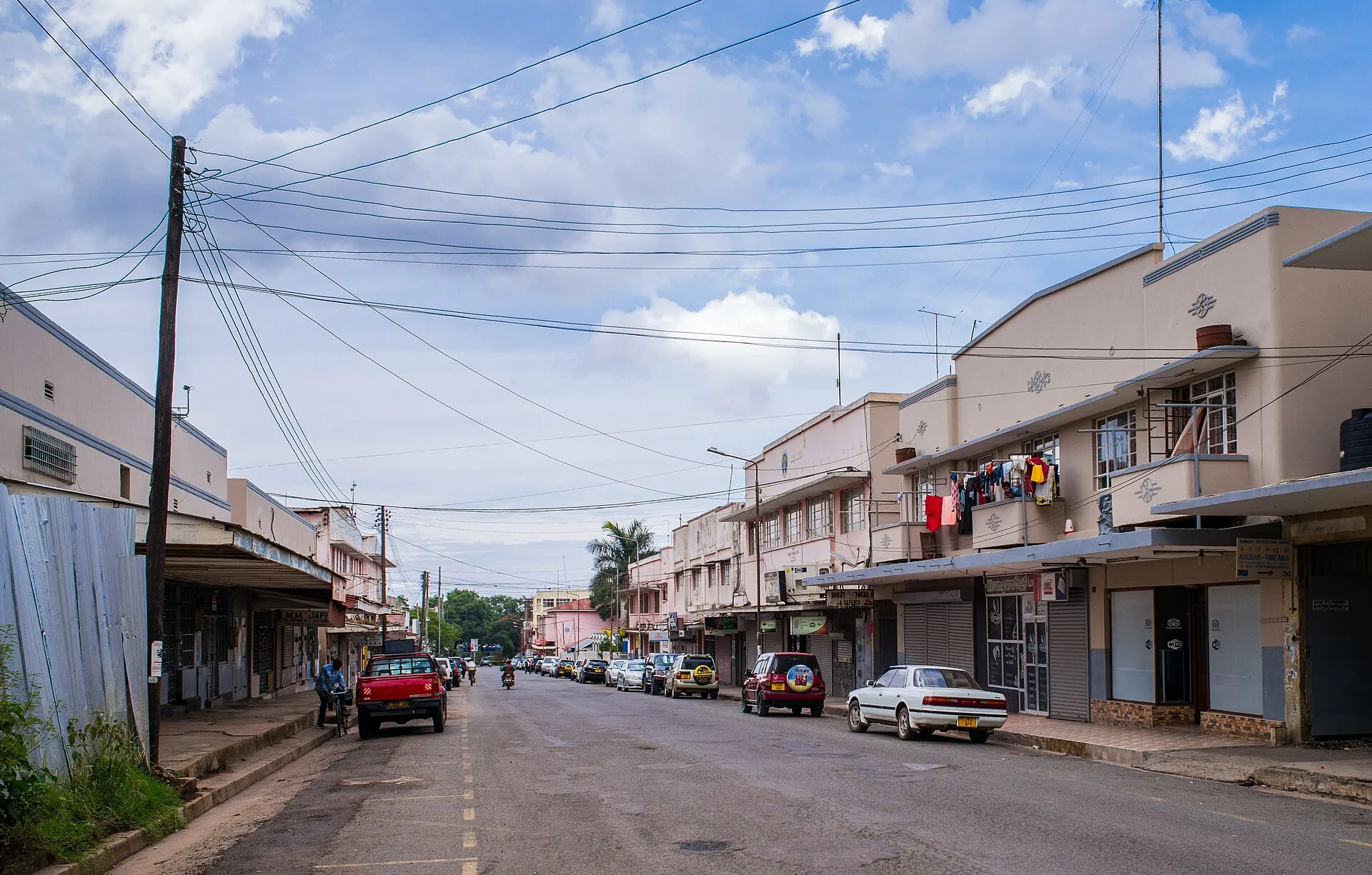
Arusha, Moshi, Dar es Salaam and Stone Town are generally safe for visitors who take normal precautions. Petty theft, such as bag snatching and pickpocketing, is the main risk. Avoid walking alone at night, keep valuables out of sight and use transport arranged by your guide or hotel.
Zanzibar
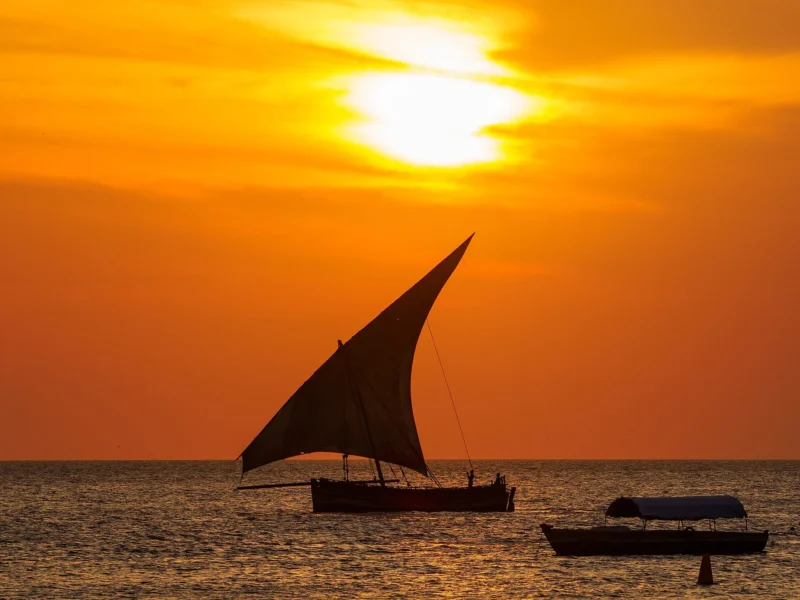
Zanzibar is relaxed and welcoming, and most visitors have no problems. It is a conservative, mainly Muslim society, so cover shoulders and knees in Stone Town and villages. Keep valuables safe on beaches and use licensed operators for boat trips and diving. Read Stone Town.
Areas governments advise caution
Government travel advice highlights some border areas in the south, far from the northern safari circuit and Zanzibar. Check your own government’s latest advice before booking and travelling, and make sure your insurance covers your itinerary.
Road safety
Long drives carry the most everyday risk. We use well-maintained 4×4 vehicles with experienced driver-guides, avoid night driving and plan realistic distances. Flying between Arusha and the Serengeti or to Zanzibar reduces road time.
Health
- Malaria: present in most safari areas and on Zanzibar. Take preventive tablets as advised, use repellent and sleep under nets where provided.
- Yellow fever: carry a certificate if you arrive from Kenya, Uganda or another risk country.
- Altitude: the Ngorongoro rim is over 2,000 m and nights are cold; Kilimanjaro climbers need careful acclimatisation.
- Sun and water: drink bottled or filtered water and protect yourself from the strong sun.
Read malaria and health tips for East Africa.
A simple safety checklist
- Keep your passport in the lodge safe and carry a copy.
- Follow camp rules about walking after dark.
- Use licensed operators for boats and diving in Zanzibar.
- Keep insurance details and emergency contacts on your phone.
Keep digital copies of your passport, visa, yellow fever certificate and insurance in your email.
If something goes wrong
Your driver-guide and our team are reachable throughout your trip, and lodges have radio or phone contact with emergency services and flying doctors. Make sure your travel insurance includes medical evacuation, as some parks are far from major hospitals.
Kilimanjaro safety
On Kilimanjaro, the main risk is altitude, not crime or wildlife. The summit is 5,895 metres, high enough for acute mountain sickness to affect fit climbers. Choose a route with enough days to acclimatise, such as Lemosho or Machame, walk slowly, drink plenty of water and tell your guide about headaches, nausea or dizziness at once. Guides monitor climbers daily and descend with anyone who is unwell. Read climbing Kilimanjaro and see our 8-day Lemosho route climb.
Tanzania safety: quick answers
Is the Serengeti safe?
Yes, for travellers with a guide who follow camp rules. Camps are unfenced, so staff walk you to your tent after dark, and you stay in the vehicle on game drives unless your guide says otherwise.
Is Arusha safe?
Arusha is the safari hub and generally safe with normal precautions. Petty theft is the main risk, so avoid walking alone at night and keep valuables out of sight.
Is Zanzibar safe for women?
Most women travellers have a relaxed, trouble-free stay. Dress modestly in Stone Town and villages, ignore beach touts politely, and book boat trips through your hotel or licensed operators.
Do I need a yellow fever certificate for Tanzania?
Tanzania requires one from travellers arriving from, or transiting for more than 12 hours through, countries with yellow fever risk, including Kenya and Uganda. Read Tanzania visa and entry requirements.
How we keep you safe
Every safari we plan is private, with an experienced driver-guide and support throughout your trip. Read the Tanzania guide, Tanzania visa and entry requirements and best time to visit Tanzania, then get safari pricing.
Frequently asked questions
Is Arusha safe?
With sensible precautions. Avoid walking alone at night and keep valuables out of sight; your guide or hotel can arrange transport.
Is the Serengeti safe?
Yes. It is one of the most visited parks in Africa. Follow your guide’s advice and camp rules about wildlife.
Is Zanzibar safe?
Generally yes. Respect local customs, dress modestly in towns and villages, and watch for petty theft on beaches and in Stone Town.
Do I need malaria tablets for Tanzania?
Most travellers to the parks and Zanzibar are advised to take them; the Ngorongoro rim is high and cooler but still check with a travel clinic.
Can I drink the tap water?
No. Drink bottled or filtered water, which lodges and your guide provide.

Written by our Kampala-based planners and guides, who arrange these trips every season. Prices and rules are checked before every quote.