Most of East Africa’s safari areas are malaria zones, so ask a travel clinic about anti-malarial tablets, use repellent and sleep under nets. Make sure routine vaccinations are up to date and ask about yellow fever, hepatitis A and typhoid. Drink bottled or filtered water, protect yourself from the sun, and buy travel insurance with medical evacuation cover.
Key takeaways
- Malaria is present in most safari areas: take advice on prevention.
- See a travel clinic 6–8 weeks before you travel.
- Yellow fever vaccination is recommended; some countries check certificates.
- Drink bottled or filtered water.
- Travel insurance with evacuation cover is essential.
Health problems on safari are uncommon, especially for travellers who prepare well. This guide covers the essentials. It is general advice: always consult a doctor or travel clinic for recommendations based on your health and itinerary.
Before you travel
Visit a travel clinic six to eight weeks before departure. They will review your routine vaccinations and advise on:
- Yellow fever: recommended for the region. Uganda no longer requires a certificate for entry (October 2026), but Tanzania, Zanzibar and Rwanda may ask for one if you arrive from Uganda or Kenya.
- Hepatitis A and typhoid: commonly recommended.
- Other vaccinations depending on your history and plans.
- Malaria prevention suited to you.
Malaria
Malaria is transmitted by mosquitoes and is present in most safari areas of Uganda, Rwanda, Kenya and Tanzania, especially at lower altitudes. Prevention has four parts:
- Awareness: know the risk and the symptoms (fever, chills, headache, aches).
- Bite avoidance: use repellent containing DEET or picaridin, wear long sleeves in the evening and sleep under the nets lodges provide.
- Anti-malarial tablets as advised by your doctor.
- Prompt diagnosis: seek medical help immediately if you develop a fever during or after your trip, and mention your travel.
Food and water
- Drink bottled, boiled or filtered water; lodges provide safe water.
- Lodges and camps follow good food hygiene; avoid street food if you have a sensitive stomach.
- Wash or sanitise your hands before eating.
Sun and heat
East Africa is on the equator, and the sun is strong even when it feels cool. Wear a hat, sunglasses and high-factor sunscreen, and drink plenty of water on game drives and treks.
Altitude
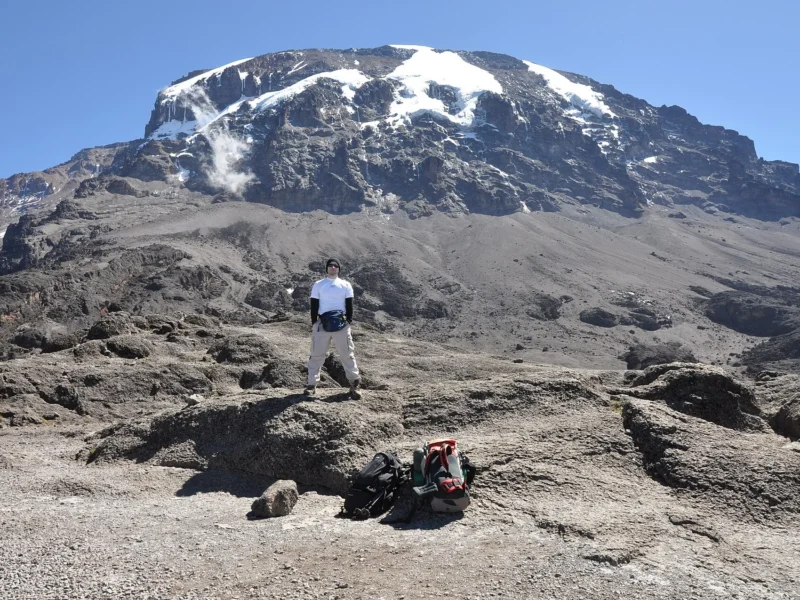
Gorilla parks lie at 1,500–2,800 metres, so you may feel breathless on climbs, but serious altitude sickness is rare there. On Kilimanjaro and the Rwenzoris, altitude is a real risk; follow your guide’s advice and the ‘climb high, sleep low’ principle.
Primates and illness
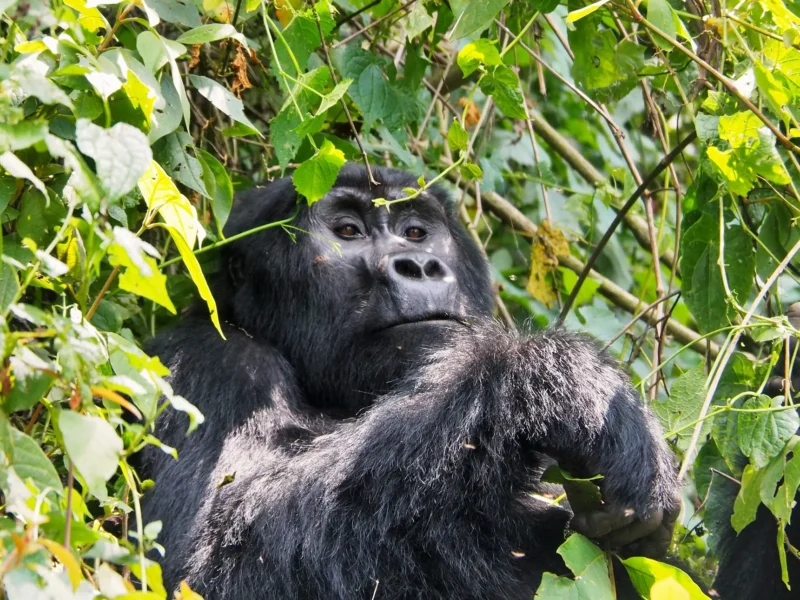
Gorillas and chimpanzees can catch human diseases. If you have a cold, flu or other infection on the day of your trek, you may not be allowed to visit. This rule protects the primates.
Your medical kit
- Personal prescription medication (in original packaging).
- Anti-malarials, painkillers and fever reducers.
- Rehydration salts and anti-diarrhoea tablets.
- Antihistamines, plasters, blister pads and antiseptic.
- Insect repellent and sunscreen.
Travel insurance
Comprehensive travel insurance with medical evacuation cover is essential. Check that it covers trekking, altitude (if climbing) and activities such as rafting.
our guides carry first-aid kits, know the nearest clinics and hospitals, and are in constant contact with our Kampala office.
For packing and documents, see our travel essentials guide.
Health on gorilla treks and climbs
Gorilla treks are physically demanding, so make sure you are fit enough and carry your medication. Read how fit do you need to be for gorilla trekking?. On high mountains such as Kilimanjaro and the Rwenzoris, altitude sickness is the main risk; ascend gradually and tell your guide about symptoms. Our Kilimanjaro Machame climb is designed with acclimatisation in mind.
Travelling with children
Children need child-appropriate malaria prevention, repellent and sun protection. Lodges provide nets, and many have family rooms. See our families travel guide.
Frequently asked questions
Do I need anti-malarials for a safari?
For most of Uganda, Rwanda, Kenya and Tanzania, travel health advisers recommend anti-malarial medication. A travel clinic will advise on the right option for you.
Is Bwindi malaria-free?
Malaria risk is lower at high altitude, but you pass through malarial areas on the way, so prevention is still recommended.
Do I need a yellow fever vaccination?
It is recommended. Uganda dropped its entry requirement in October 2026, but Tanzania, Zanzibar and Rwanda may require a certificate if you arrive from Uganda or Kenya.
Is the tap water safe?
Drink bottled, boiled or filtered water. Lodges provide safe drinking water.
What should be in my medical kit?
Personal medication, anti-malarials, painkillers, rehydration salts, antihistamines, plasters, antiseptic, insect repellent and sunscreen.
What should I do if I get a fever after my trip?
Seek medical care immediately and tell the doctor where you travelled; malaria can appear weeks after returning.

Written by our Kampala-based planners and guides, who arrange these trips every season. Prices and rules are checked before every quote.