Adventure 7 days7-Day Kilimanjaro Climb: Rongai Route
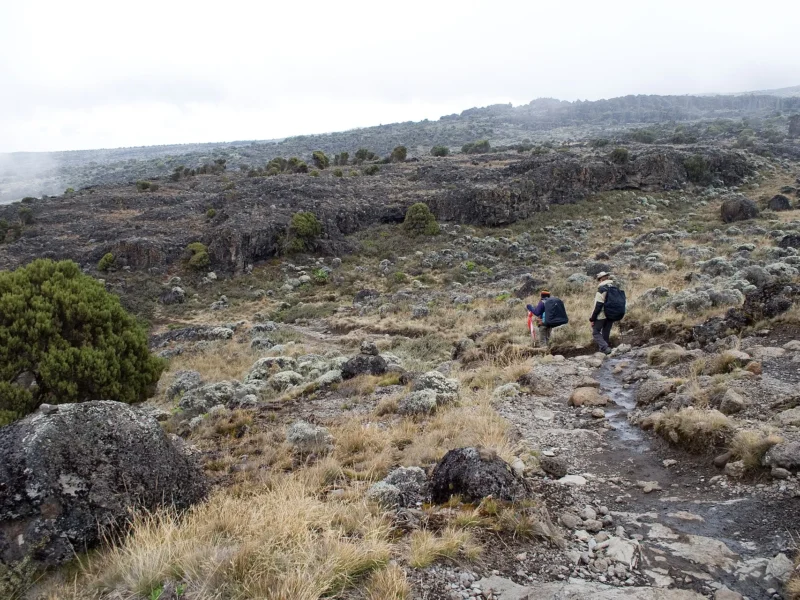
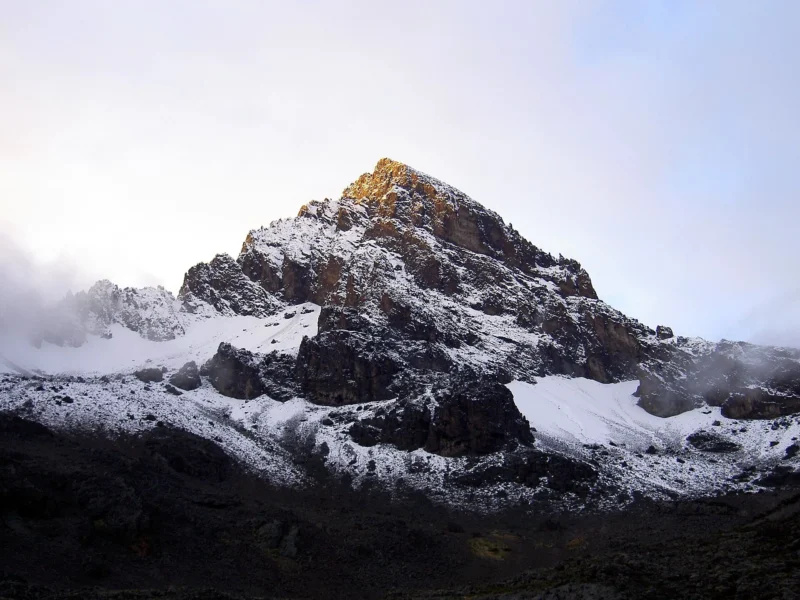
The only route from the north, close to the Kenyan border: quiet, drier trails, wide views over the plains and a night beneath the jagged spires of Mawenzi before the climb to Uhuru Peak.

Africa’s wild south: boat safaris on the Rufiji River and wild dogs in Nyerere, then the baobab hills, kudu and huge lion prides of Ruaha, linked by light aircraft and shared with very few other travellers.
Southern Tanzania is the safari for people who want wilderness more than famous names. Nyerere and Ruaha are two of the largest protected areas in Africa, yet they see a fraction of the visitors of the northern parks. On this seven-day trip you fly between them by light aircraft, so you spend your time on safari, not in a car.
The two parks complement each other perfectly. Nyerere is a water world of rivers, lakes and channels, where you explore by boat and on foot as well as by vehicle. Ruaha is dry and rugged, with baobabs, kopjes and sand rivers, and some of Tanzania’s best lion and kudu viewing. Read our guides to Nyerere National Park and Ruaha National Park, and the inspiration on southern Tanzania’s wild parks.
Days start at sunrise with tea or coffee before the morning activity, followed by brunch or lunch in camp and a rest through the heat of the day. Afternoon drives end with sundowners and a return to camp after dark, where dinner is often served under the stars. Camps in the south are small and personal, and guides are among the best in Tanzania.
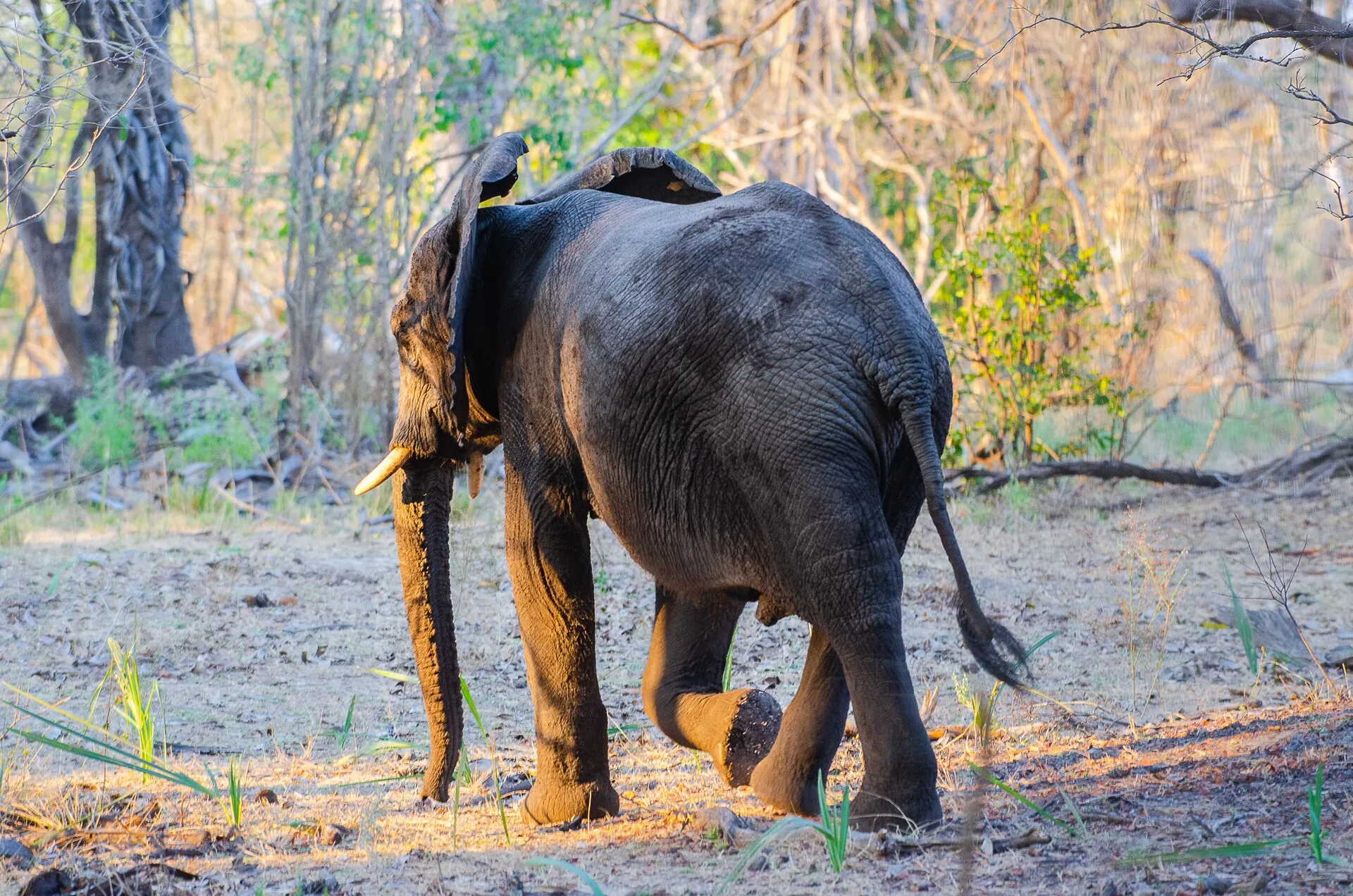
We use two long-established riverside camps. Rufiji River Camp stands on a bend of the Rufiji in Nyerere, with tents facing the water and boat trips from the camp. Ruaha River Lodge is built among boulders above the Great Ruaha River, where elephants and other animals often wander past the rooms.
Fly from Dar es Salaam over the coastal forests to an airstrip in Nyerere National Park, where your guide meets you. Settle into camp on the banks of the Rufiji River, then head out on your first game drive along the lakes and channels, where elephants, giraffes and buffalo come down to drink.
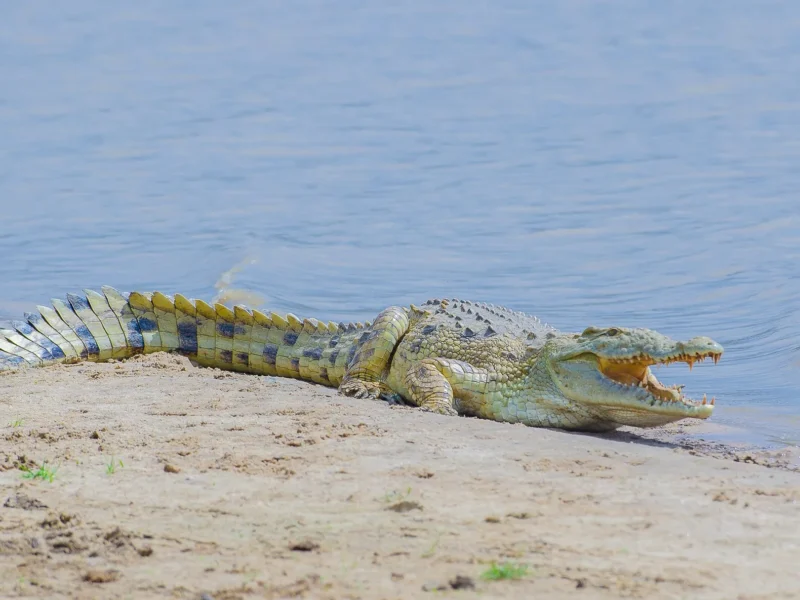
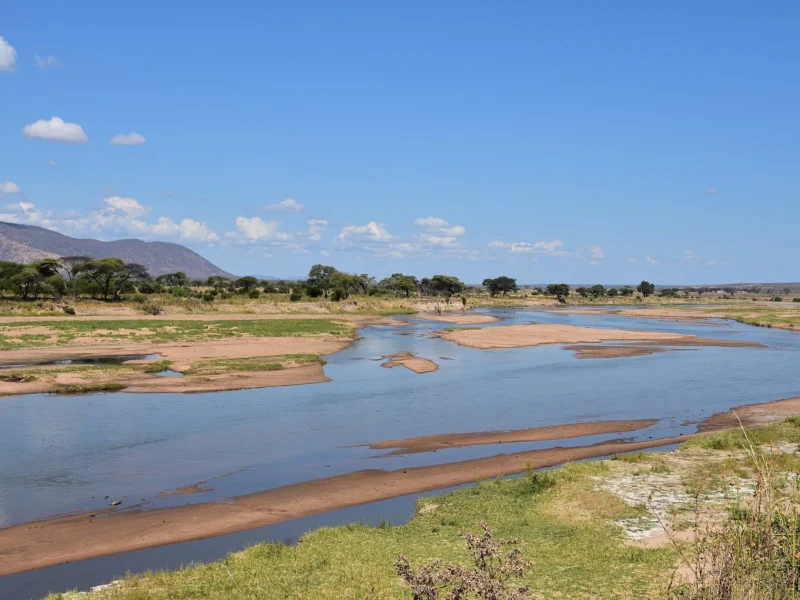
Nyerere is one of the few parks in Africa where you can go on safari by boat. Glide along the Rufiji and its lakes past pods of hippos, huge crocodiles basking on the sandbanks and elephants feeding at the water’s edge. The birdlife is superb: African skimmers, fish eagles, carmine bee-eaters in season and many kingfishers. Afternoons are for game drives, with time to stop for sundowners by the water.
Set off on foot in the cool of the morning with an armed ranger and your guide, reading tracks, learning about plants and approaching animals the old way. Nyerere is one of Africa’s strongholds for the endangered African wild dog, and your guides follow reports from other camps to give you the best chance of finding a pack. Lions, leopards and big herds of buffalo and impala keep the drives busy.
Fly west to Ruaha, a vast park of baobab-studded hills, rocky kopjes and sand rivers on the edge of the miombo woodland. After lunch, take an afternoon game drive along the Great Ruaha River, the park’s lifeline in the dry season.
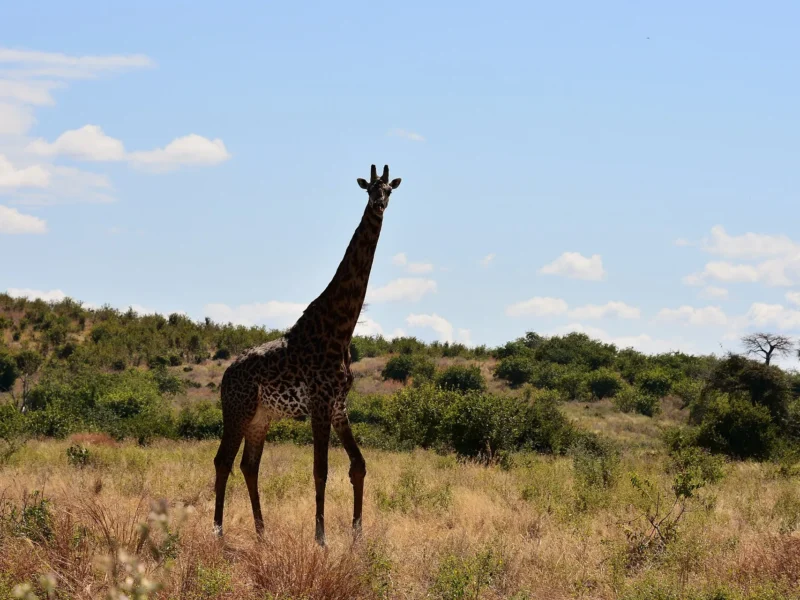
Spend a full day exploring with your guide. Ruaha is known for big lion prides, which often hunt buffalo and giraffes, and for leopards and cheetahs on the open plains of the Mwagusi area. It is the best park in East Africa for greater kudu, and both lesser kudu and sable antelope can be found here, species rarely seen in the north. Take a picnic lunch under a baobab and return late in the afternoon.
Explore a different part of the park, following a sand river or heading for the hills, where you may not see another vehicle all day. Elephants dig in the dry riverbeds for water, and the birdlife ranges from hornbills and lovebirds to large eagles. Ask your guide about a walk if you enjoyed the one in Nyerere.
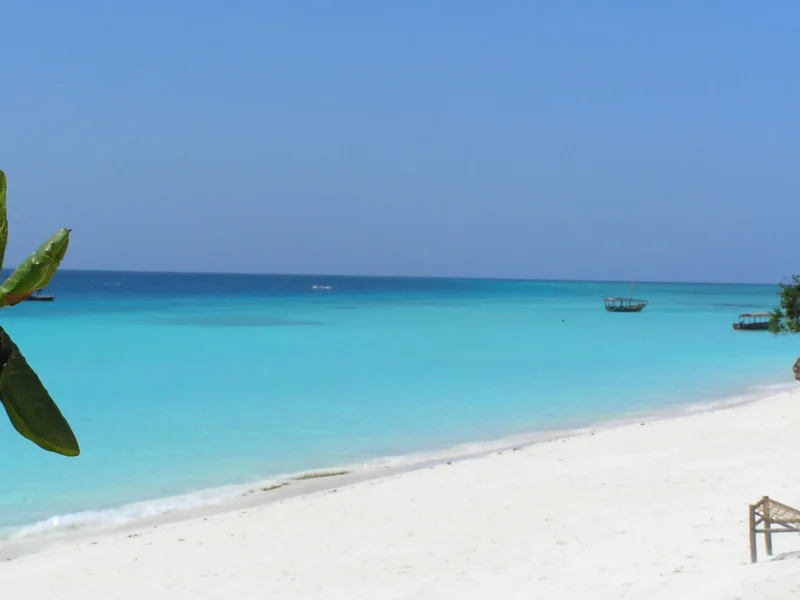
Take an early game drive or relax by the river, then fly back to Dar es Salaam to connect with your international flight. Alternatively, fly on to Zanzibar for a few days on the beach.
Lodges shown match the quoted price. Ask us about mid-range and luxury upgrades.


The south offers boat trips, walking safaris and wild dogs, with far fewer vehicles. The Serengeti has the migration and bigger open plains. Many travellers do the north first and the south on a later trip.
Nyerere National Park was created in 2019 from the northern part of the Selous Game Reserve, which includes the main photographic safari area along the Rufiji River.
June to October, the dry season, is best: animals gather at the rivers and the bush is thinner. Some camps close during the long rains in April and May.
Light-aircraft flights usually allow about 15 kg per person, including hand luggage, in soft bags.
Yes. Flights connect Ruaha and Nyerere with Zanzibar, so the beach is an easy add-on at the end.
Adventure 7 daysThe only route from the north, close to the Kenyan border: quiet, drier trails, wide views over the plains and a night beneath the jagged spires of Mawenzi before the climb to Uhuru Peak.
Adventure 8 daysThe quiet western approach to Africa’s highest mountain: eight days from remote rainforest across the Shira Plateau and round the southern slopes, with the slow ascent that gives climbers the best chance of reaching Uhuru Peak.
Honeymoon 12 daysAdventure and romance: fly in to trek gorillas in Bwindi, see tree-climbing lions and the Kazinga Channel, then fly to Zanzibar for Stone Town and six nights on the beach.
Change the dates, add a night, upgrade a lodge or combine it with Rwanda or Kenya. Tell us what you have in mind and we’ll send a revised plan and price.