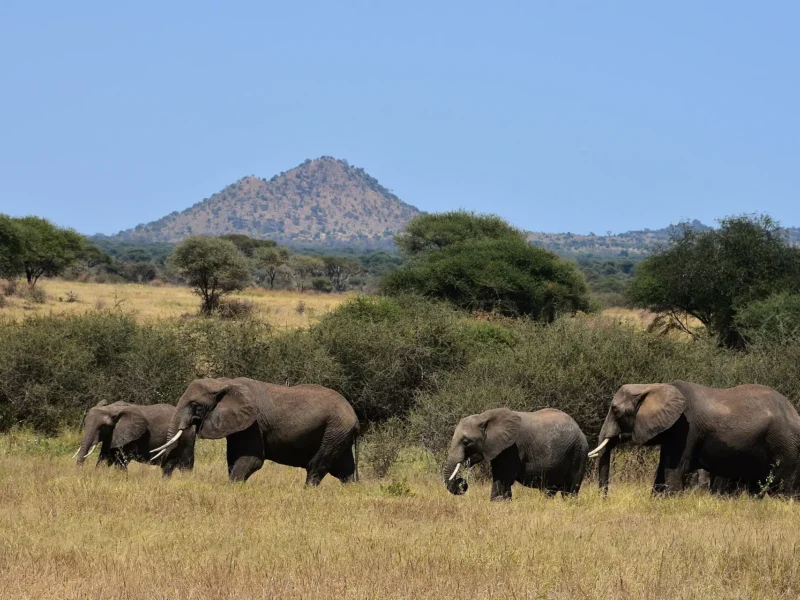
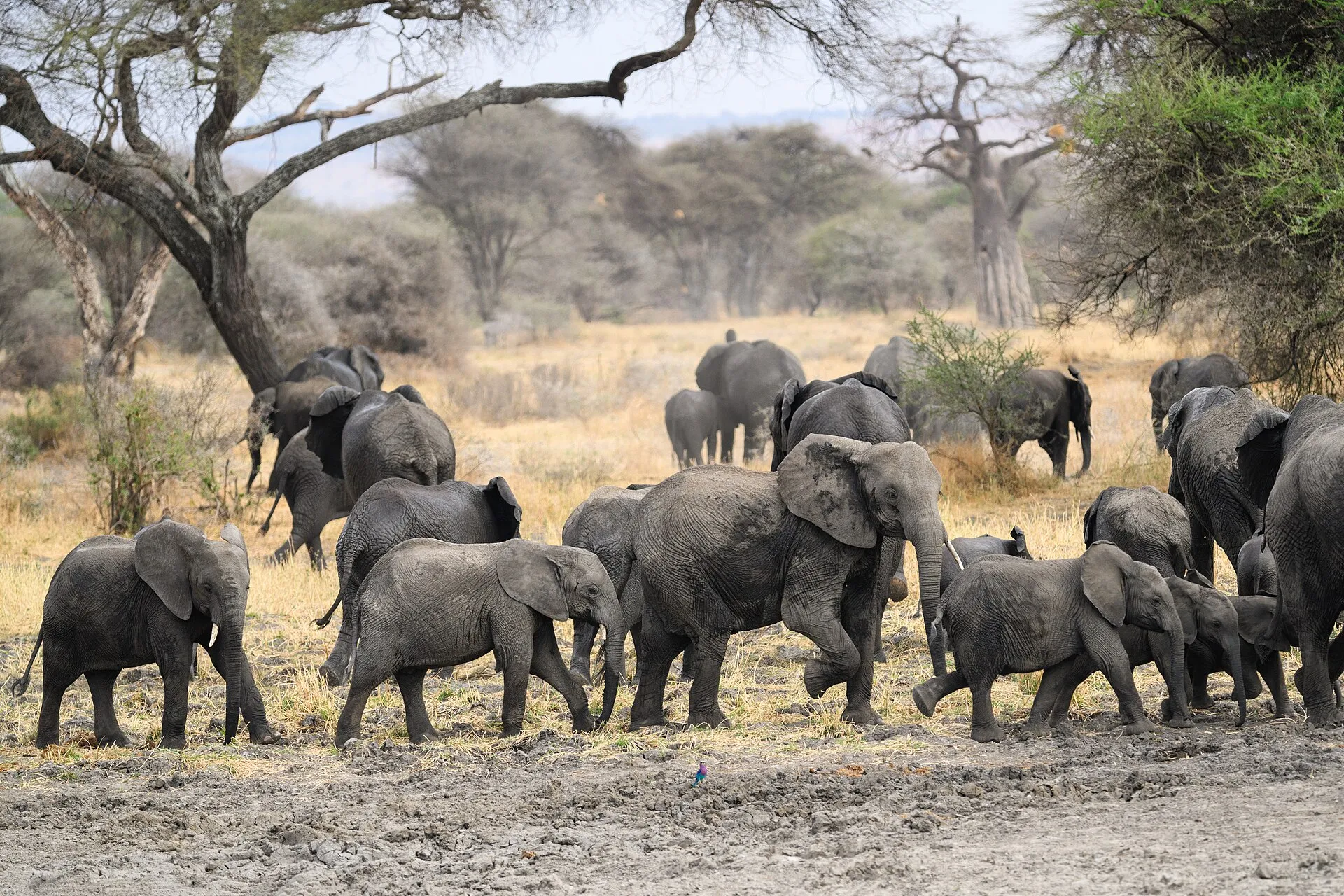
Tarangire National Park in northern Tanzania is known for its baobab trees and its elephants. In the dry season, from about June to October, thousands of elephants and other animals gather along the Tarangire River, the only permanent water in the area. It lies about two hours from Arusha, which makes it an easy first or last stop on a northern circuit safari.
Key takeaways
- Thousands of elephants gather in the dry season.
- Huge baobab trees, some many centuries old.
- The Tarangire River is the main dry-season water source.
- About two hours from Arusha.
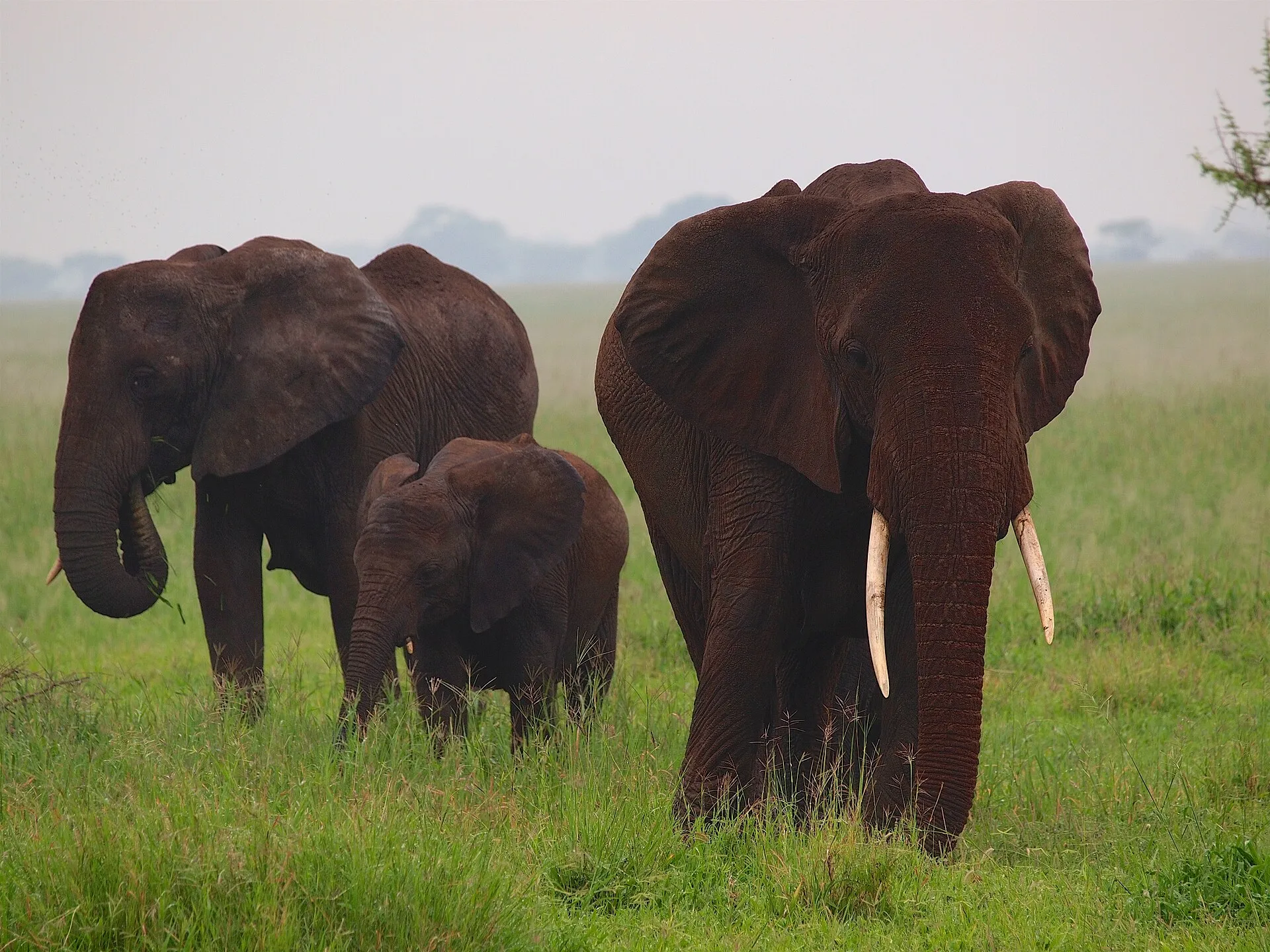
Tarangire is often missed by visitors rushing to the Serengeti, but it is one of the best elephant parks in Africa. In the dry season, elephants from a huge surrounding ecosystem move to the river, and herds of a hundred or more are common.
The baobabs
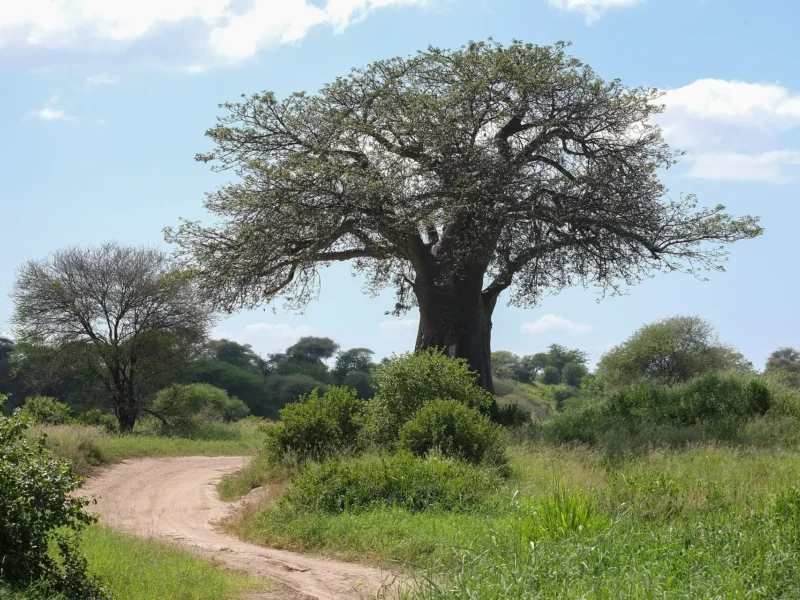
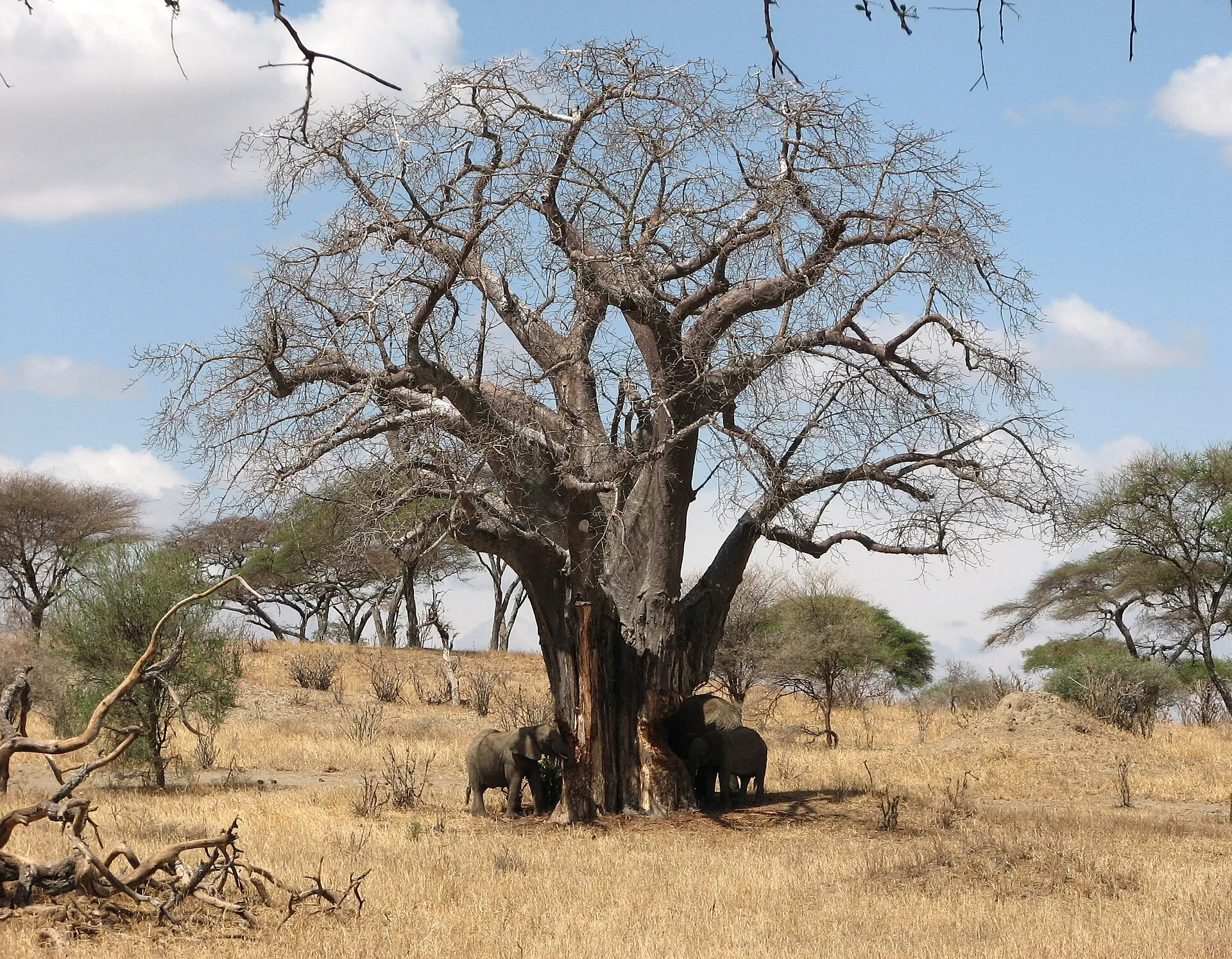
The baobab is Africa’s iconic tree, with a massive trunk that stores water. Elephants strip the bark in dry spells, leaving scars on the trunks. Some of Tarangire’s baobabs are many centuries old, and they make beautiful frames for photographs, especially at sunset.
The Tarangire River
The river runs through the park and keeps water in pools and sandbeds all year. Elephants dig for water in the riverbed with their trunks and feet. Zebra, wildebeest, buffalo, giraffe and impala come to drink, and lions and leopards follow.
Silale Swamp
In the south-east, the Silale Swamp stays green when the plains are dry, attracting elephants, buffalo and many birds. Tarangire has a rich birdlife, with over 500 species recorded.
When to go
June to October is the best time for elephants, when the herds gather along the river. In the wet season, November to May, many animals disperse outside the park, but the landscape is green and birds are at their best.
Good to know
- Tsetse flies can be present in wooded areas; wear neutral colours, not blue or black.
- Park fees are about US$60 per person per day.
- Walking safaris and night drives are possible in some areas just outside the park.
- Combine with Lake Manyara or the Ngorongoro Crater.
Who it suits
Tarangire suits elephant lovers, photographers and travellers who want a quieter park than the Serengeti or the crater. Because it is so close to Arusha, it also works well at the start of a safari, after an international flight, or at the end before flying home. Birders will enjoy endemics such as the yellow-collared lovebird and the ashy starling.
Where to stay
Lodges and tented camps range from mid-range to luxury, inside the park and in the surrounding conservation areas, many with views over the river valley.
Tarangire’s birds and smaller wildlife
Tarangire has over 500 recorded bird species, including the yellow-collared lovebird and ashy starling, both found only in Tanzania. Look for kori bustards, ostriches and large flocks of weavers. Among mammals, look for fringe-eared oryx and gerenuk in the drier south, as well as dwarf mongooses on termite mounds.
A Tarangire day
Start with a morning drive along the river, when elephants come to drink and dig in the sand. Late morning, visit the baobab woodlands for photographs. After lunch at your lodge or a picnic site, drive to the Silale Swamp or back along the river in the afternoon.
Where to stay
Lodges and tented camps sit inside the park and in the surrounding conservation areas, many with views over the river valley. Camps outside the park can offer walking safaris and night drives.
Getting there
Tarangire is about two hours by road from Arusha on a good tarmac road, making it an easy start or end to a northern Tanzania safari. Small airstrips serve the park for fly-in safaris.
How long to stay
One night gives a full day of game drives; two nights let you explore further south, to Silale Swamp and the quieter parts of the park, away from the busier northern loop.
Who it suits
Tarangire suits elephant lovers, photographers, birders and anyone looking for a quieter park on Tanzania’s busy northern circuit. It is excellent from June to October, when the dry season concentrates the herds.
Plan it
Tarangire is included in our 3-day Tarangire and Ngorongoro safari and 5-day Tanzania safari. Read about the African elephant.
Frequently asked questions
Is Tarangire worth visiting?
Yes, especially from June to October, when elephant numbers are high.
How long should I stay?
One or two nights is ideal for most visitors.
Can I visit in the wet season?
Yes, but many elephants move out of the park; birding is excellent.
How far is it from the Serengeti?
About a day’s drive via Ngorongoro.
Are there tree-climbing pythons in Tarangire?
Pythons are sometimes seen in trees, a famous sight in the park, though sightings are rare.
What is the best time of day for elephants?
Late morning and afternoon, when herds come to the river to drink.

Written by our Kampala-based planners and guides, who arrange these trips every season. Prices and rules are checked before every quote.