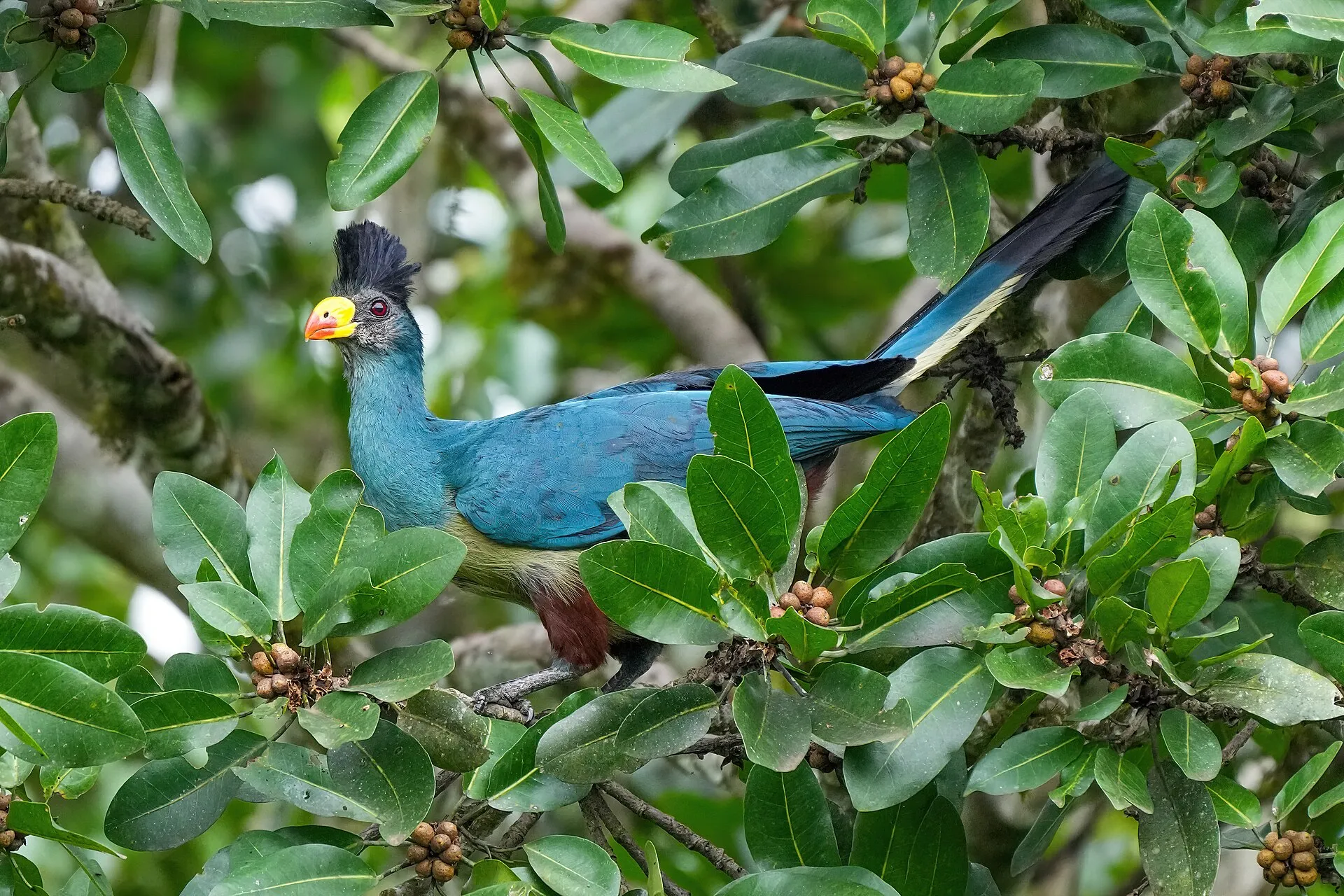
East Africa is outstanding for birders, and Uganda leads the way with more than 1,000 recorded species, including the shoebill and over 20 Albertine Rift endemics. Key sites include Mabamba Swamp, Bwindi’s Mubwindi Swamp trail, Kibale, Semuliki, Budongo’s Royal Mile, Queen Elizabeth and Murchison. Birding is good all year; November to April adds Palearctic migrants.
Key takeaways
- Uganda has over 1,000 recorded bird species.
- The shoebill is the top target, best at Mabamba.
- Bwindi and the Rwenzoris hold Albertine Rift endemics.
- Semuliki and Budongo add Congo-basin specials.
- A specialist birding guide makes a huge difference.
East Africa offers some of the richest birding on the planet. Uganda, in particular, packs an astonishing diversity into a small country: Lake Victoria’s papyrus swamps, savannah, montane forests of the Albertine Rift and lowland forests that extend from the Congo basin. Add Kenya’s Rift Valley lakes and Tanzania’s plains, and the possibilities are endless.
Why Uganda is special for birders
- Over 1,000 species, more than many much larger countries.
- The shoebill, the most sought-after bird in Africa, reliably seen at Mabamba Swamp. Read our shoebill guide.
- Albertine Rift endemics such as the African green broadbill, Rwenzori turaco, handsome francolin and regal sunbird. See Albertine Rift endemics in Bwindi.
- Congo-basin species in Semuliki found nowhere else in East Africa.
- Forest classics on Budongo’s Royal Mile and in Kibale, including the green-breasted pitta.
Key birding sites
| Site | Highlights |
|---|---|
| Mabamba Swamp | Shoebill, papyrus gonolek, jacanas |
| Bwindi (Ruhija, Buhoma) | African green broadbill, Grauer’s rush warbler, turacos |
| Kibale and Bigodi | Great blue turaco, green-breasted pitta |
| Queen Elizabeth | Over 600 species, waterbirds, raptors |
| Semuliki | Hornbills, Nkulengu rail, Congo specials |
| Budongo’s Royal Mile | Chocolate-backed kingfisher, Puvel’s illadopsis |
| Murchison Falls | Shoebill in the delta, bee-eaters, savannah birds |
| Lake Mburo | African finfoot, acacia species |
When to go
Birding is excellent all year. November to April brings Palearctic migrants, and many resident species breed during the rains, when they are in full plumage and singing. The drier months make forest trails easier to walk.
What to bring
- Good binoculars (8×42 or 10×42) and, if you have one, a scope for wetlands and savannah.
- A field guide to the birds of East Africa or a birding app with offline maps.
- Neutral clothing, waterproofs, sturdy walking shoes and insect repellent.
- A camera with a long lens if you photograph birds.
Start at first light. The dawn chorus in Uganda’s forests is extraordinary, and many forest birds are most active in the first two hours of the day.
Our birding safaris
Our 7-day Uganda birding safari focuses on the shoebill and Bwindi’s endemics. The 14-day Uganda birding safari adds Semuliki, Budongo and Murchison, and the 30-day birding, primates and wildlife safari covers the whole country. Read birding in Uganda: Albertine Rift endemics for more.
Combining birding with primates
Many of Uganda’s best birding sites are also primate forests. You can add a gorilla trek in Bwindi or chimp tracking in Kibale to any birding trip, and non-birding partners will love the primates, boat trips and savannah parks.
Birding beyond Uganda
- Rwanda: Nyungwe’s forest specials and Akagera’s papyrus and savannah birds, with about 490 species in Akagera alone.
- Kenya: the flamingos and waterbirds of the Rift Valley lakes, and dry-country species in Samburu.
- Tanzania: the Serengeti’s raptors, secretary birds and endemic lovebirds in Tarangire.
Ethical birding
Use playback sparingly and never at nests, keep a respectful distance from breeding birds, and follow park rules on trails. Community guides at sites such as Mabamba and Bigodi know the birds well, and hiring them supports conservation.
Birding and primates together
Many top birding forests, including Bwindi, Kibale and Budongo, are also primate forests, so a single walk can bring turacos, sunbirds and chimpanzees.
Frequently asked questions
How many species can I see on a birding trip?
A week in Uganda typically produces 250–300 species; two weeks 400–500, depending on season and route.
When is the best time for birding?
Birding is good year-round. November to April brings migrants from Europe and Asia; many residents breed in the rainy seasons.
Where is the best place to see the shoebill?
Mabamba Swamp near Entebbe, by canoe in the early morning.
Do you provide specialist guides?
Yes. Our birding trips use guides who know the calls, sites and target species.
Can non-birding partners enjoy the trip?
Yes. Routes include primates, big game, boat trips and beautiful lodges.
Is Rwanda good for birding too?
Yes. Nyungwe holds many Albertine Rift endemics, and Akagera’s wetlands and savannah add hundreds more species.
Do I need a scope?
It helps in wetlands and savannah, especially at Mabamba, Lake Mburo and Queen Elizabeth. Our birding guides usually carry one.
What field guide should I bring?
A field guide covering the birds of East Africa, or a birding app with offline maps and calls, is ideal.

Written by our Kampala-based planners and guides, who arrange these trips every season. Prices and rules are checked before every quote.

