Popular 6 days6-Day Kenya Safari: Masai Mara, Lake Nakuru & Amboseli
Kenya’s classic circuit in six days: big cats in the Masai Mara, rhinos at Lake Nakuru, a boat on Lake Naivasha and elephants beneath Kilimanjaro in Amboseli.

Rhinos and big cats in four days: start at Lake Nakuru, one of Kenya’s best rhino sanctuaries, then spend two nights in the Masai Mara among lions, cheetahs and the great herds.
This four-day safari combines two of Kenya’s best parks. Lake Nakuru National Park, in the Rift Valley, is a fenced rhino sanctuary where white rhinos are seen on most drives. The Masai Mara is Kenya’s premier reserve, with the densest predator populations in Africa and, from July to October, the Great Migration.
The first day is easy, with a short drive to Nakuru and an afternoon game drive. The drive to the Mara on day two is longer but scenic. In the Mara, a full day of game drives gives plenty of time with lions, cheetahs, elephants and the plains herds.
At Lake Nakuru you stay at a lodge inside or near the park, ideal for early game drives. In the Mara, a comfortable tented camp near the reserve gates gives easy access to the plains, with en-suite tents and hot showers. Upgrades to conservancy camps or luxury lodges are available.
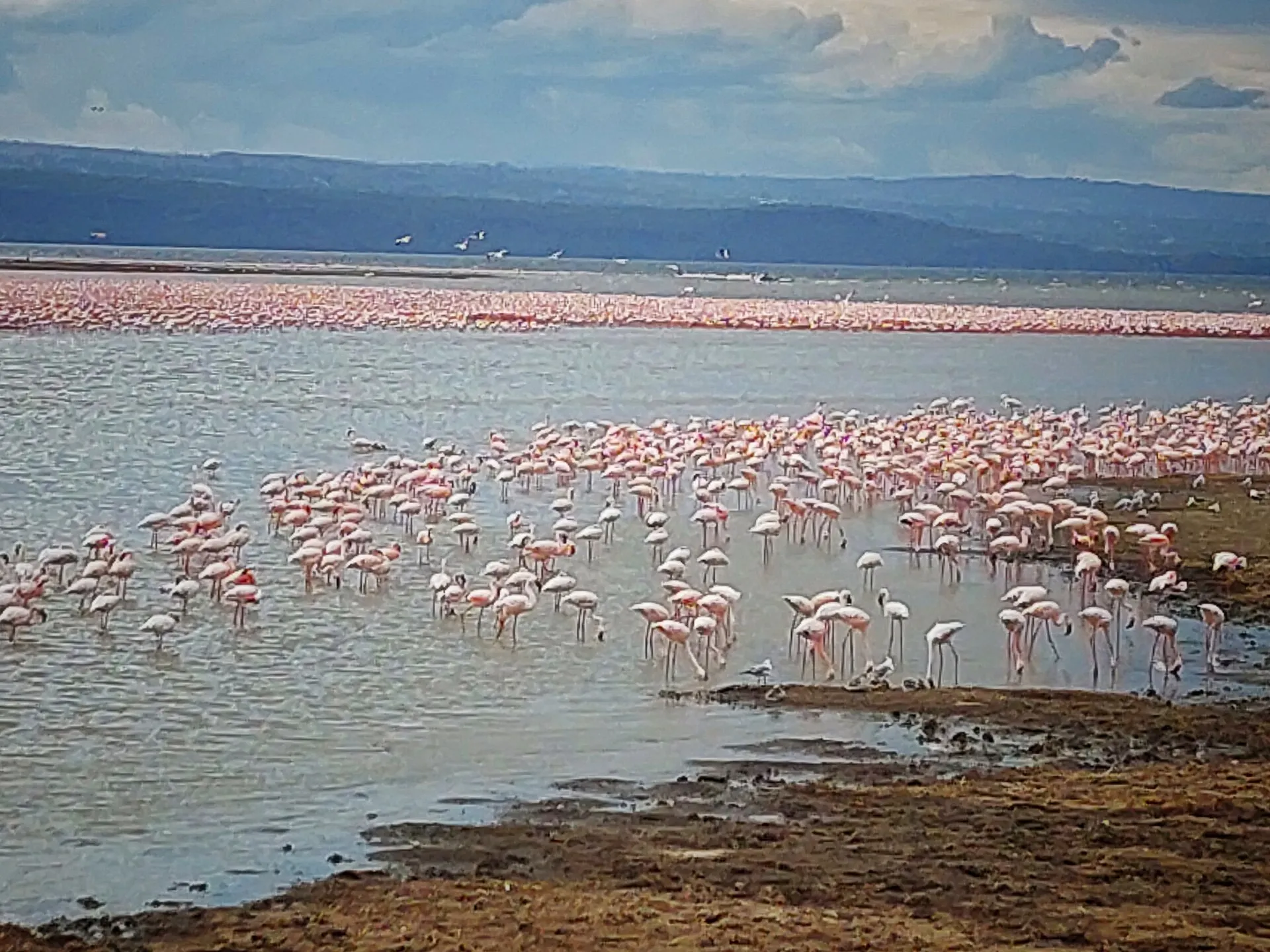
Leave Nairobi in the morning and drive into the Great Rift Valley, stopping at the escarpment viewpoint. Arrive at Lake Nakuru National Park for lunch and an afternoon game drive. White rhinos graze near the lake shore, and with luck you may find the shyer black rhinos in the thickets, as well as Rothschild’s giraffe, buffalo, waterbuck and lions. Watch the sunset from Baboon Cliff, looking over the lake and its flamingos and pelicans.
After an early game drive in Nakuru, drive south-west through Narok to the Masai Mara, arriving for a late lunch.
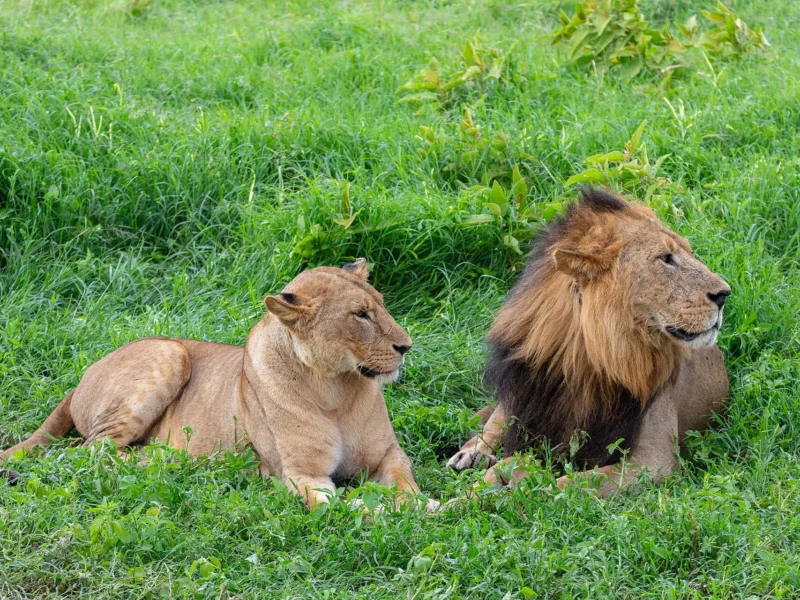
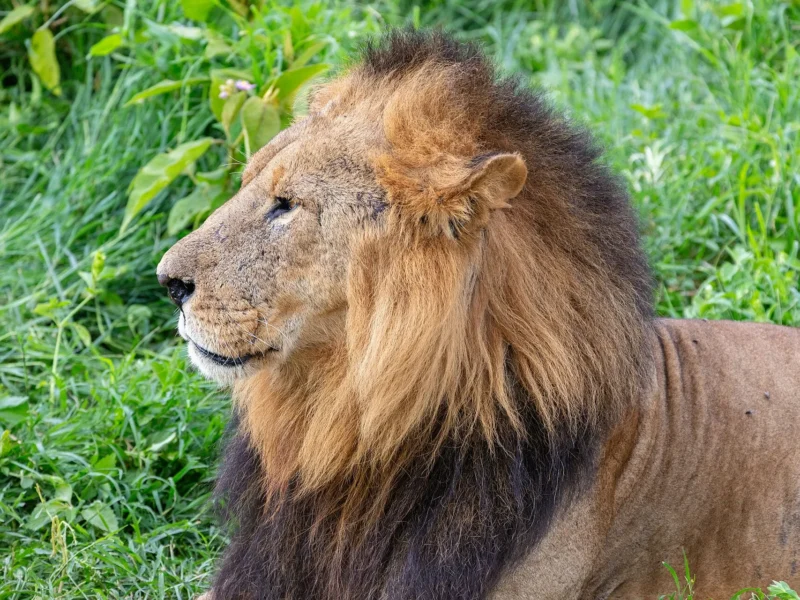
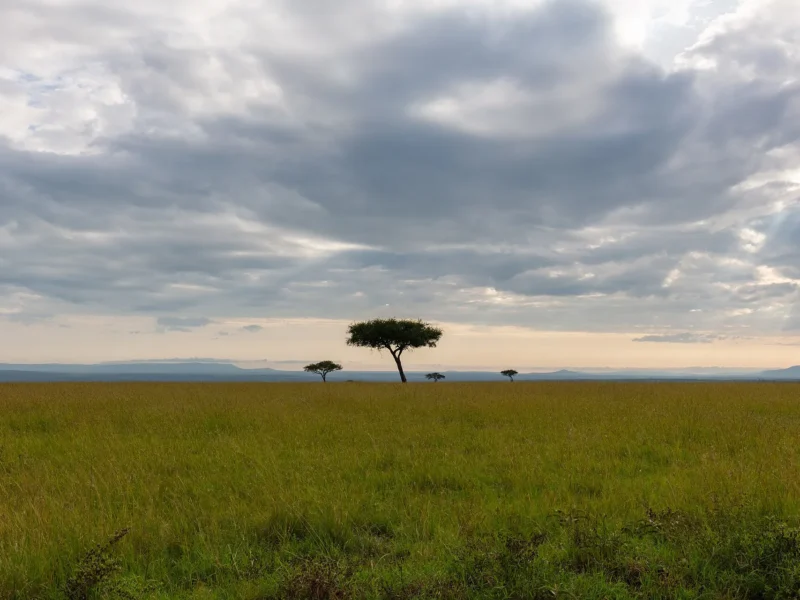
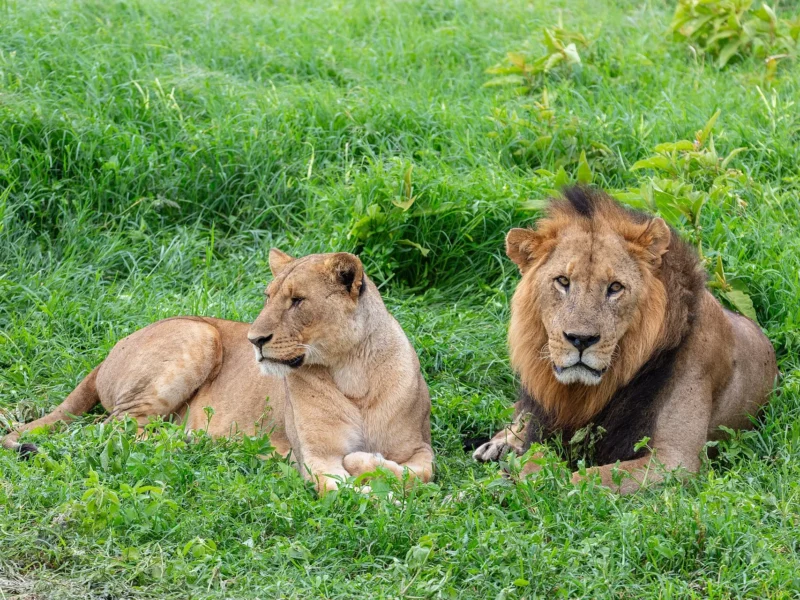
In the afternoon, set out on your first game drive across the grassland. The Mara has Africa’s highest concentration of predators, and even a first drive often brings lions, elephants, giraffes, zebra and herds of antelope against the backdrop of the Oloololo escarpment. Return to camp as the sun sets.
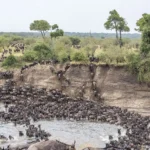
Spend a full day exploring the reserve with a picnic lunch. Leave at sunrise, when lions and cheetahs are most active, and follow your guide’s knowledge of the prides and their territories across the open plains. Look for elephants and buffalo along the rivers, topi standing sentry on termite mounds, and leopards resting in the riverine forest. In migration season (usually July to October) you head for the Mara River, where great herds of wildebeest and zebra gather and, if you are patient, plunge across the crocodile-filled water. Return to camp at sunset.
Rise early for a final sunrise game drive, when lions and cheetahs are most active and the plains are quiet. Return to camp for breakfast, then drive back to Nairobi via Narok and the Rift Valley escarpment, with a lunch stop on the way, arriving in the late afternoon in time for an evening flight or a final night in the city.
Lodges shown match the quoted price. Ask us about mid-range and luxury upgrades.


| Permit or fee | 2026 rate (foreign non-resident adult) |
|---|---|
| Lake Nakuru National Park: park entry | US$90 per 24 hours |
| Masai Mara National Reserve: park entry | US$200 per day (July–December), US$100 (January–June) |
The fees that apply to this trip are included in your quote. Park authorities set them and can change them, so we always confirm the current rates when we quote.
For a full breakdown, see how much a Kenya safari costs.
Every itinerary is private, so you choose the style of each stay. These are lodges we use at each stop, by comfort level:
In Kenya, the Great Migration is usually in the Masai Mara from July to October, and January to February is another dry, excellent window. The long rains fall mainly in April and May, when parks are quieter and greener. See the best time to visit Kenya.
Every trip can be adjusted to your dates, budget and pace. Ask for a free quote and a specialist will reply within 24 hours.


It breaks the journey to the Mara and is one of the best places in Kenya to see rhinos, which are rare in the Mara.
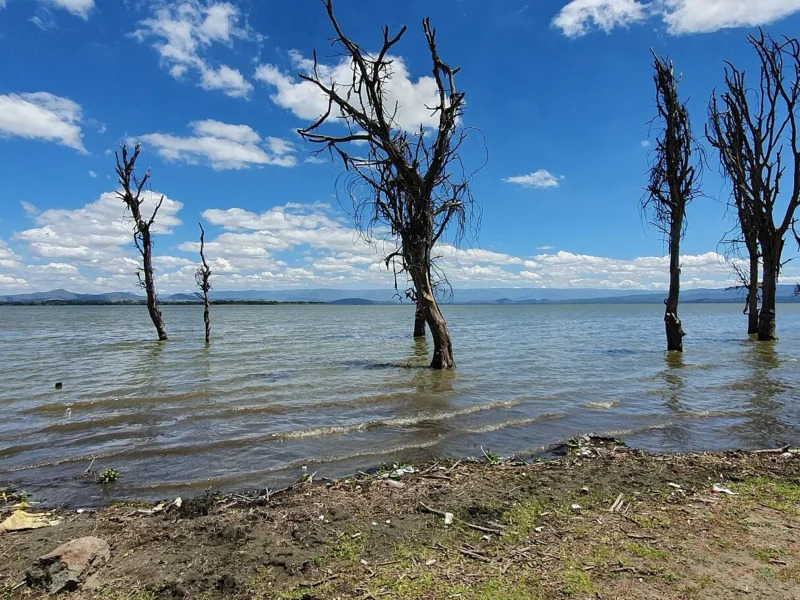
Some, but numbers vary because the lake has risen and become less salty since about 2013. Pelicans and other waterbirds are always present.
Yes: KWS fees at Lake Nakuru (US$90 per day) and Masai Mara reserve fees.
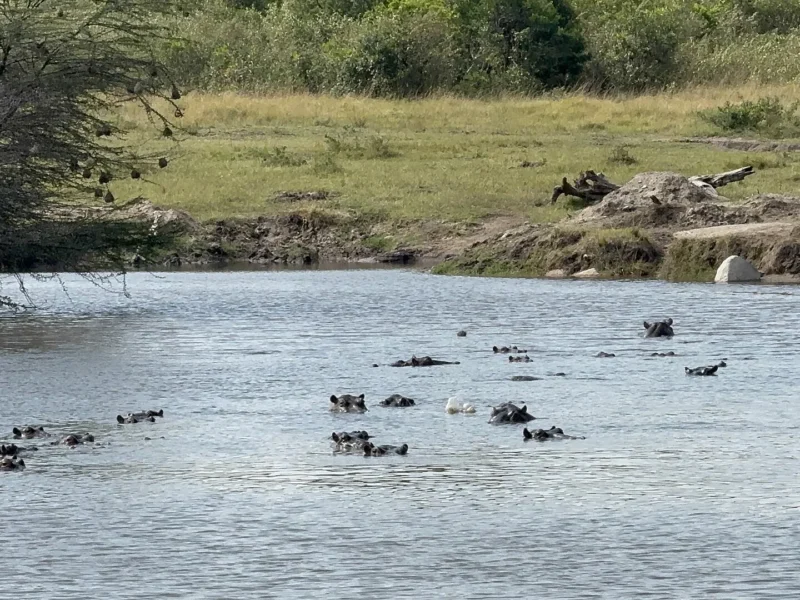
Yes, with a boat trip to see hippos and a walk on Crescent Island, adding a night or replacing the Nakuru visit.
July to October for the migration; January to March for quieter, excellent big cat viewing.
Popular 6 daysKenya’s classic circuit in six days: big cats in the Masai Mara, rhinos at Lake Nakuru, a boat on Lake Naivasha and elephants beneath Kilimanjaro in Amboseli.
Signature 8 daysKenya at an unhurried pace: Amboseli’s elephants and Kilimanjaro, Lake Naivasha and Hell’s Gate, rhinos at Lake Nakuru and three nights in the Masai Mara.
Beach 10 daysSafari and sea: the Masai Mara, Lake Nakuru and Amboseli, then a flight to the white sands of Diani Beach on Kenya’s Indian Ocean coast for four days of rest.
Change the dates, add a night, upgrade a lodge or combine it with Rwanda or Kenya. Tell us what you have in mind and we’ll send a revised plan and price.