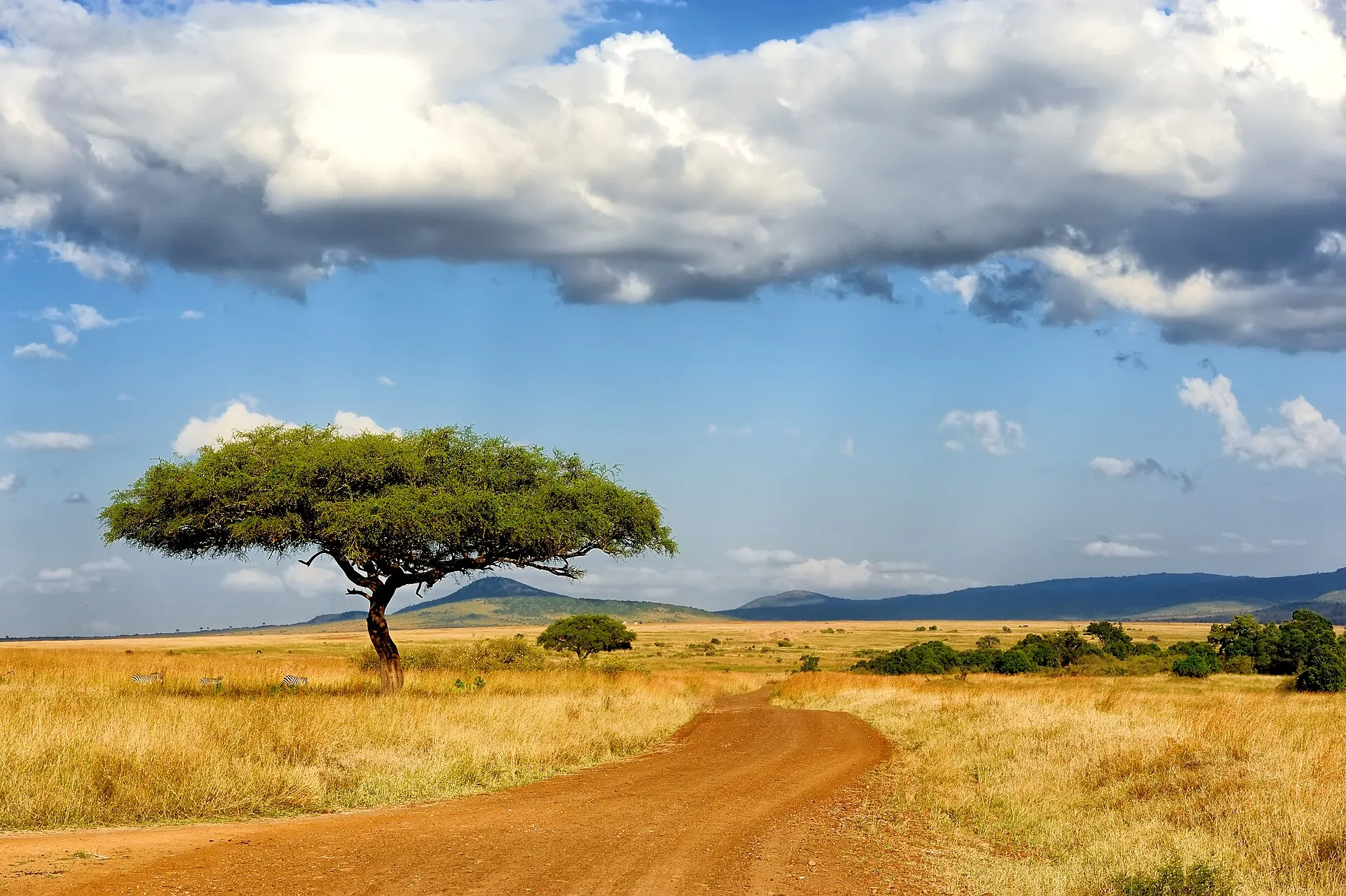
The best time for a Kenya safari is the long dry season from about late June to October, when the Great Migration is usually in the Masai Mara and wildlife gathers near water. January and February are also excellent and good value. The long rains, from about late March to May, bring green scenery, fewer visitors and the lowest prices, while short rains fall around November.
Key takeaways
- Late June–October: dry season and the migration in the Mara.
- January–February: dry, warm and good value.
- Late March–May: long rains, lowest prices.
- November: short rains, usually brief showers.
- The coast is best from December to March and July to October.
Kenya sits on the equator, so the seasons are shaped by rain rather than temperature. Most safari areas are high and pleasant all year, with warm days and cool nights. Here is how the year usually works.
Kenya’s seasons at a glance
| Months | Season | What it means |
|---|---|---|
| January–February | Short dry season | Warm, dry and good game viewing; good value |
| Late March–May | Long rains | Green, quiet and the lowest prices |
| June–October | Long dry season | Peak safari season and the migration in the Mara |
| November | Short rains | Brief showers, fewer visitors |
| December | Festive season | Dry, popular around Christmas |
The Great Migration in the Masai Mara
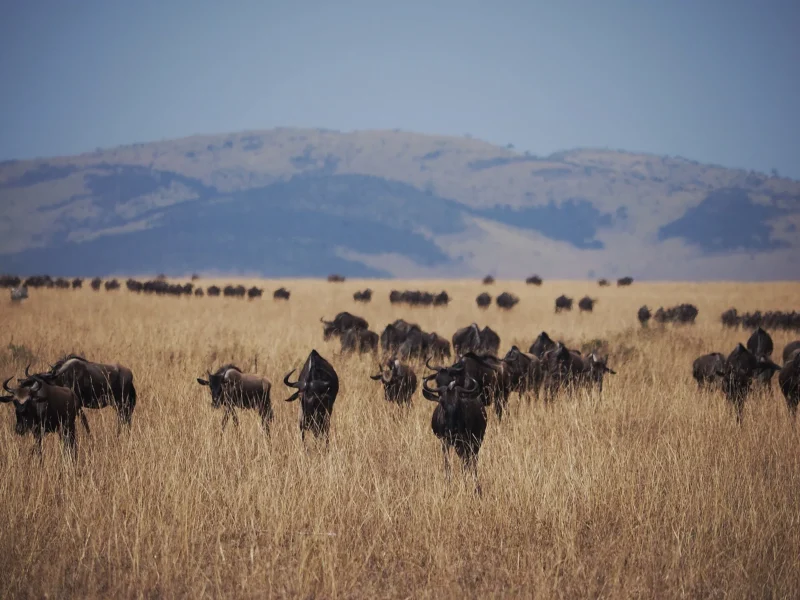
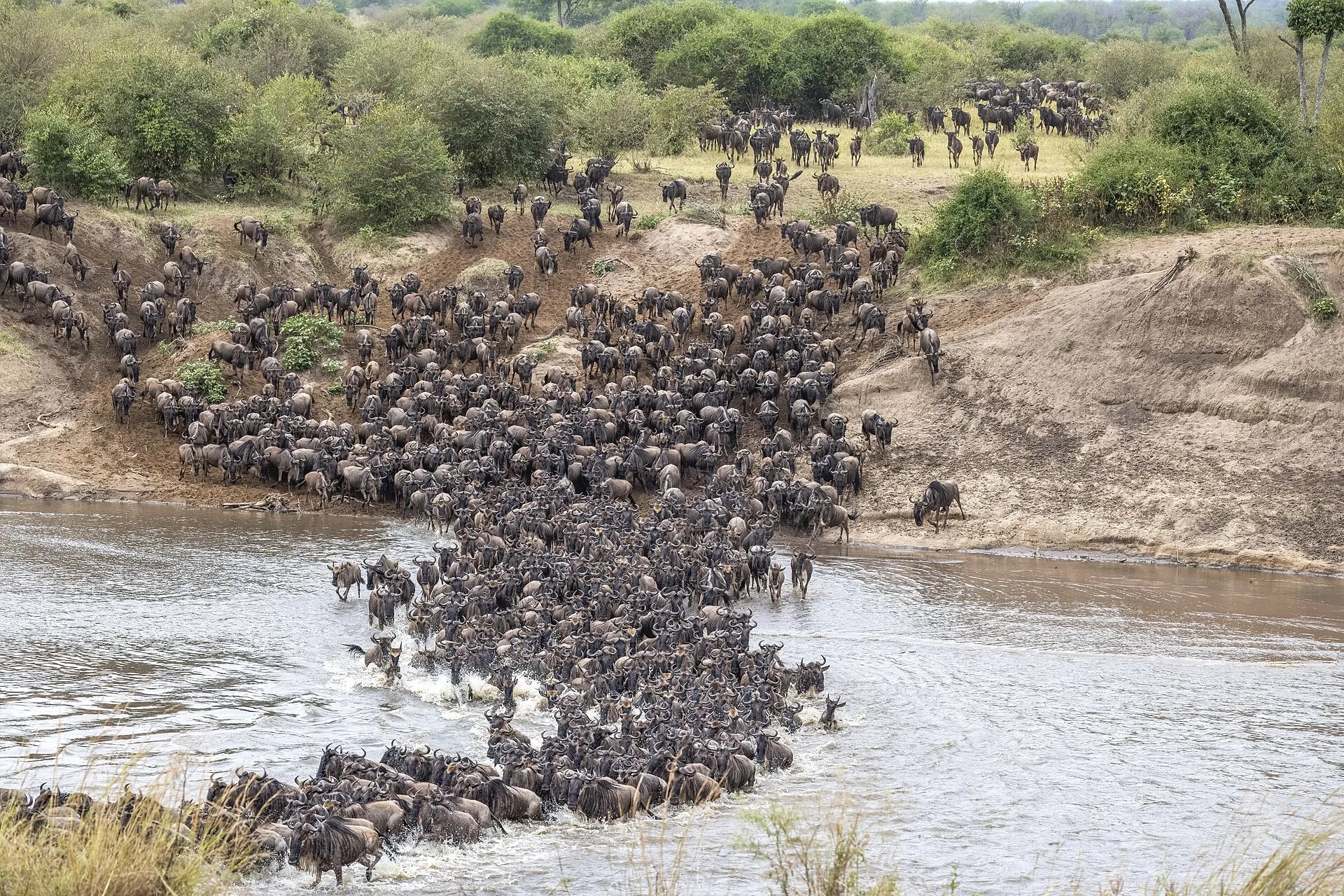
Each year more than a million wildebeest, with zebras and gazelles, move between Tanzania’s Serengeti and Kenya’s Masai Mara. They usually arrive in the Mara around July and stay until about October, crossing the crocodile-filled Mara River in dramatic bursts. Timing varies with the rains, so we plan three or more nights in the Mara to give you the best chance. Read Great Migration river crossings and the Great Migration month by month.
The green season
From about late March to May, the long rains turn the parks green. Rain often comes in afternoon storms, mornings can be clear, and many animals have their young. Roads in some areas become muddy, and a few camps close. In return, you get quieter parks and lower prices, including the lower Masai Mara fee that applies from January to June.
Park by park
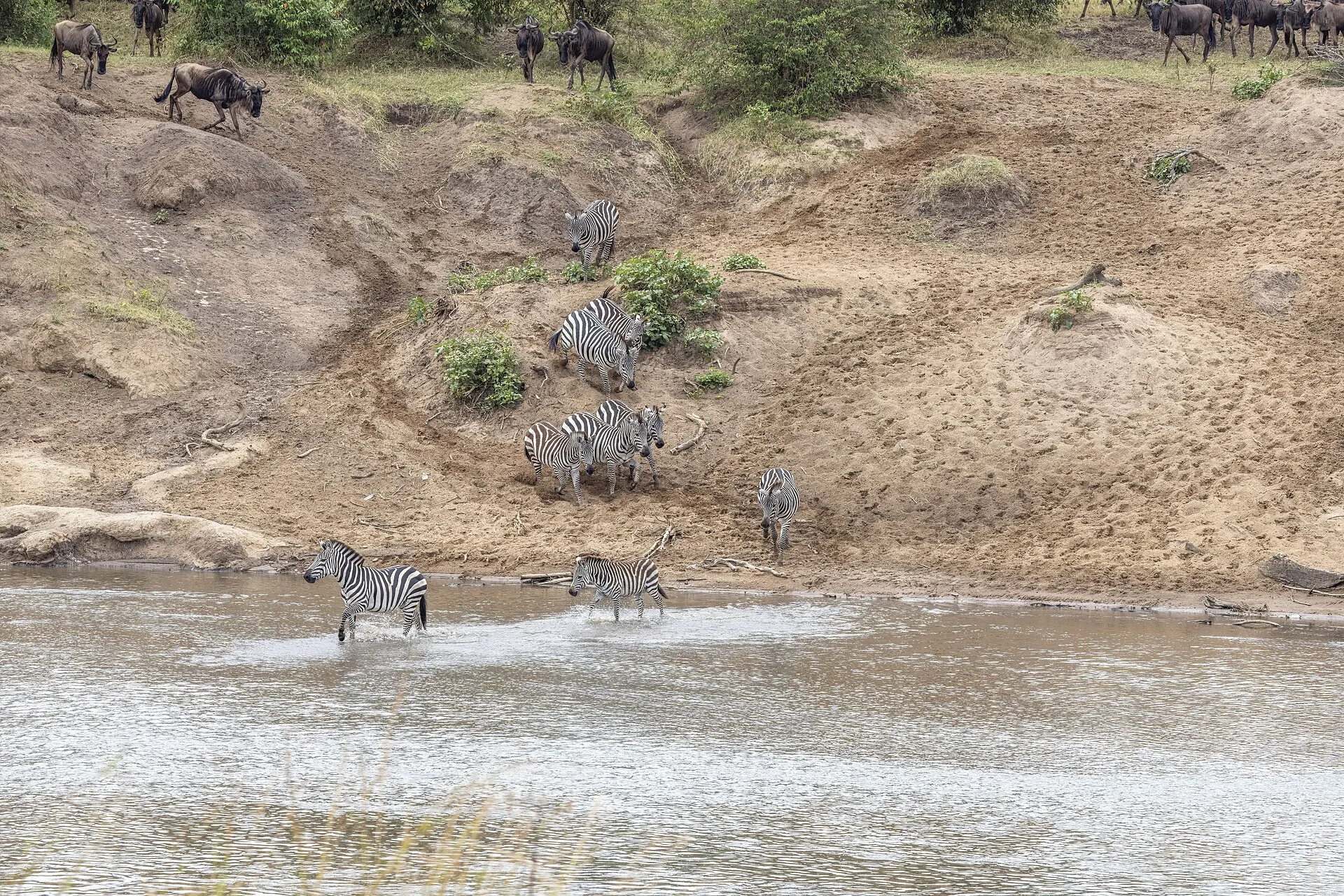
- Masai Mara: excellent all year for big cats; the migration from about July to October.
- Amboseli: best in the dry seasons for elephants and clear views of Kilimanjaro, usually at dawn. Read elephants beneath Kilimanjaro.
- Lake Nakuru: good all year for rhinos; flamingo numbers vary with lake levels.
- Samburu: best in the dry seasons, when animals gather along the Ewaso Ng’iro River.
Month-by-month highlights
- January and February: dry, warm and good value; excellent big cat viewing.
- March: the rains begin later in the month; quieter parks.
- April and May: the greenest, quietest and cheapest months.
- June: the dry season returns and the herds start moving north.
- July to October: peak season and the migration in the Mara.
- November: short rains, usually brief afternoon showers.
- December: dry and lively around the holidays; book early.
The coast
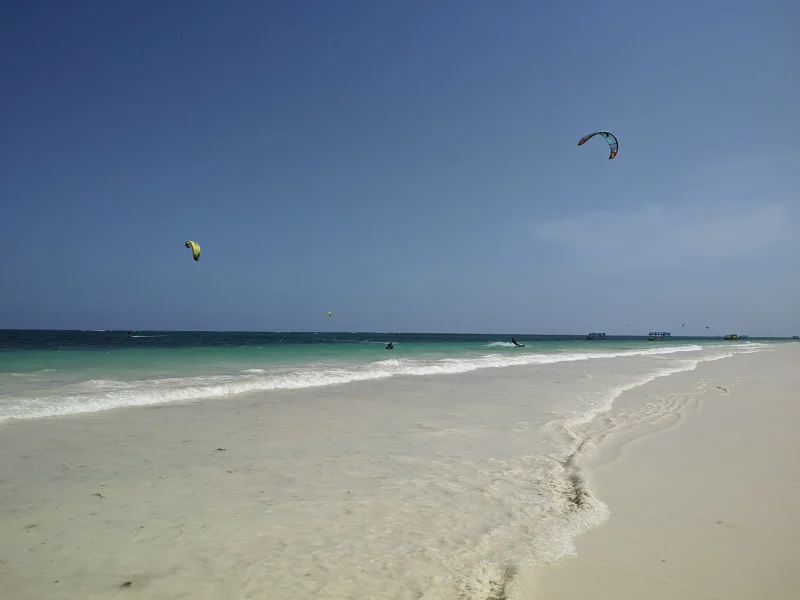
Diani and the south coast are best from December to March and from July to October. The long rains and stronger winds come around April to June. See Diani Beach and our 10-day Kenya safari and Diani Beach.
If the migration matters most, travel in August or September. If value and space matter more, consider January, February or June.
What to pack for each season
In the dry season, bring layers for cold early mornings in open vehicles, a warm fleece for evenings at altitude, sunscreen and a hat. In the rainy months, add a light waterproof jacket and quick-drying clothes, and keep cameras in a dry bag. Neutral colours are best on game drives in every season. Read our travel essentials and packing list.
Best time by activity
| Activity | Best months | Where |
|---|---|---|
| Great Migration | July–October | Masai Mara and its conservancies |
| Big cats | All year | Masai Mara |
| Elephants and Kilimanjaro views | June–October, January–February | Amboseli, at dawn |
| Rhinos | All year | Lake Nakuru and Ol Pejeta |
| Northern specials (Grevy’s zebra, reticulated giraffe) | June–October, January–March | Samburu |
| Climbing Mount Kenya | January–February, July–September | Sirimon and Chogoria routes |
| Beach | December–March, July–October | Diani |
How the season changes the price
The Masai Mara fee is US$200 per adult per day from July to December and US$100 from January to June, with children aged 9 to 17 at US$50. On a three-night Mara stay, that difference alone is about US$300 per adult. Amboseli and Lake Nakuru charge US$90 per 24 hours year-round. Many camps also have lower rates from April to June. Read how much a Kenya safari costs.
Best time to visit Kenya: quick answers
What is the best month to see the migration in Kenya?
August and September are the most reliable months for herds and river crossings in the Mara. July and October can be excellent too, but timing varies with the rains.
Is January a good time for a Kenya safari?
Yes. It is dry and warm, the Mara fee is at the lower rate, and big cat viewing is excellent, although the migration herds are in Tanzania.
Should I avoid Kenya in the rainy season?
Not necessarily. April and May are wet and a few camps close, but parks are quiet and green and rates are lowest. November’s short rains are usually brief showers.
Planning your dates
Peak months book early, especially July to September and Christmas, so start planning six to twelve months ahead. Read how much a Kenya safari costs and the Kenya guide, then get safari pricing for your dates.
Frequently asked questions
When is the Great Migration in Kenya?
The herds are usually in the Masai Mara from about July to October, with river crossings at the Mara River. Timing varies every year with the rains.
Is it worth going in the rainy season?
Yes, if you value fewer vehicles and lower prices. Rain often falls in the afternoon, and the landscapes are lush.
What is the weather like in Nairobi?
Mild all year because of its altitude, with cool mornings and evenings, especially from June to August.
When is the best time for Diani Beach?
December to March and July to October; the long rains and strong winds come from about April to June.
When are the fewest tourists?
April and May, and again in November, outside school holidays.

Written by our Kampala-based planners and guides, who arrange these trips every season. Prices and rules are checked before every quote.