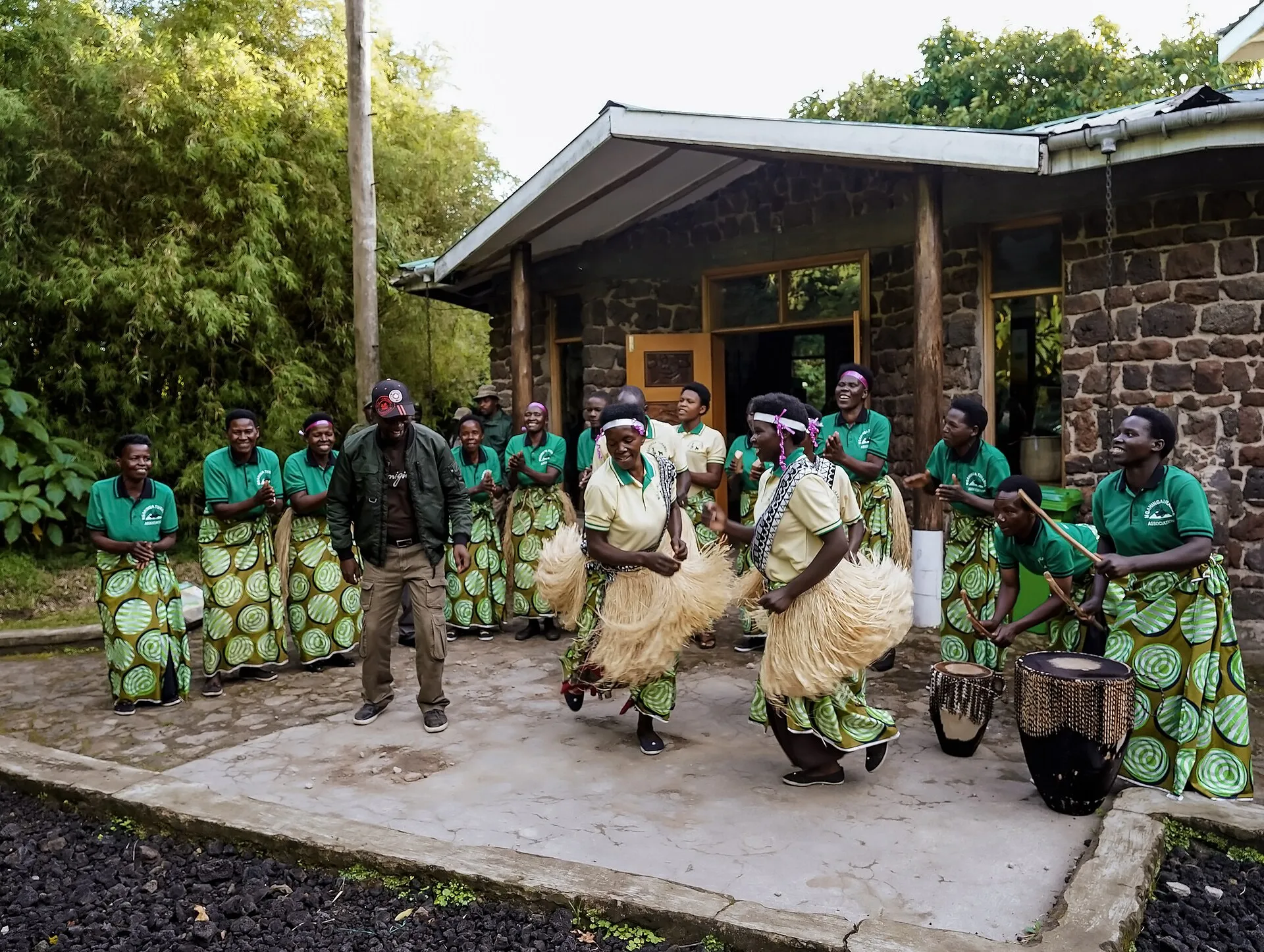
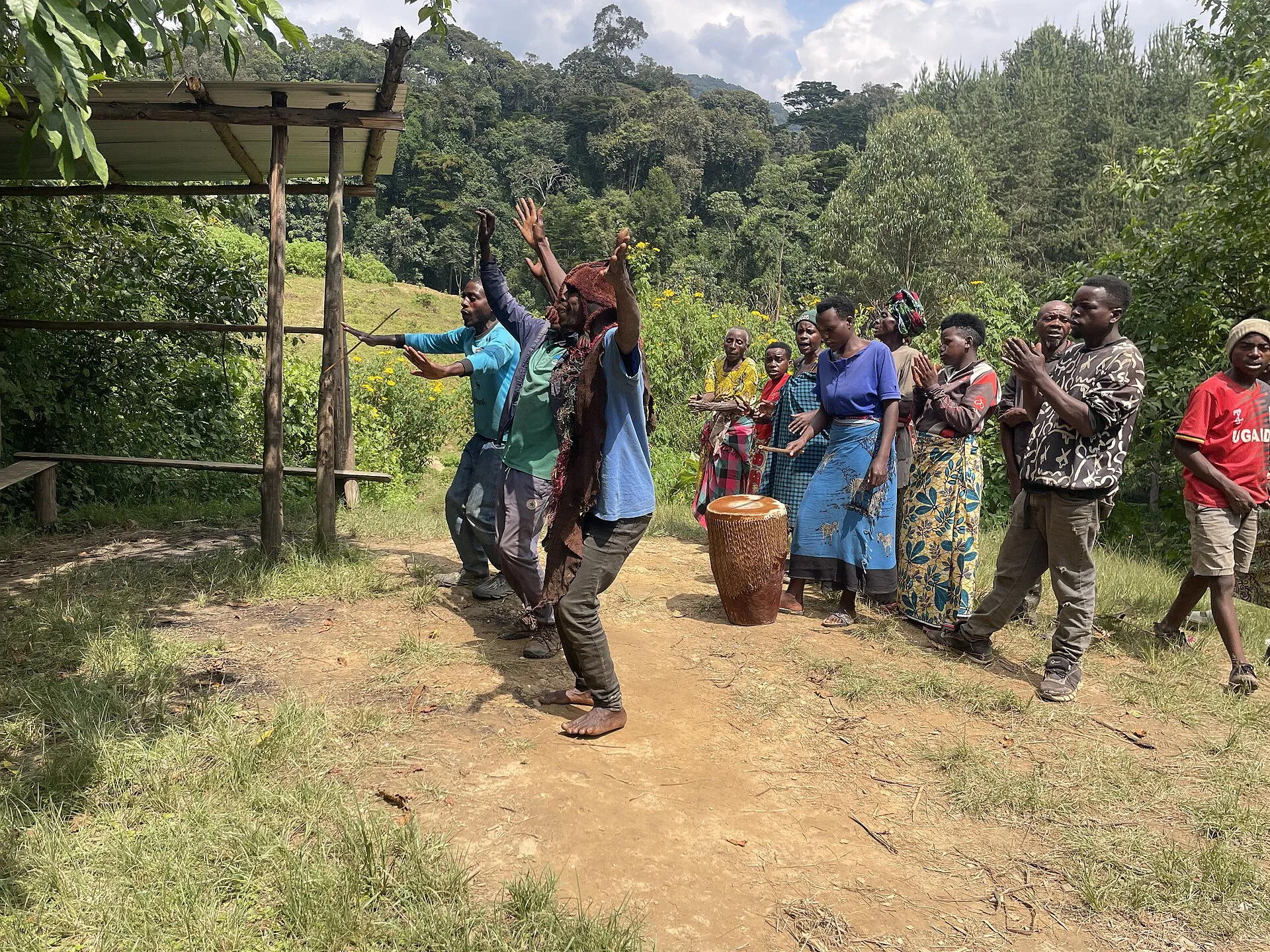
The Batwa are the original forest people of south-west Uganda, who lived in Bwindi and Mgahinga until the parks were created in 1991 and they were moved out. Today Batwa-led experiences show traditional hunting, gathering, fire-making, honey collecting and medicine, with music and dance. Options include the Batwa Forest Experience in Bwindi (US$40) and the Batwa Trail in Mgahinga (US$80, including park entry).
Key takeaways
- The Batwa are the original forest inhabitants of Bwindi and Mgahinga.
- They were moved out when the parks were created in 1991.
- Batwa guides lead cultural walks and demonstrations.
- Bwindi Batwa experience US$40; Mgahinga Batwa Trail US$80.
- Fees and purchases support the Batwa community.
Here is what to expect on the Batwa experience. The forests of Bwindi and Mgahinga were home to the Batwa long before they became national parks. For centuries, the Batwa lived as hunter-gatherers, using the forest for food, shelter, medicine and spiritual life. When the parks were created in 1991 to protect the mountain gorillas, the Batwa were moved out of the forest, with little land or support. Their transition has been difficult, and many communities still face poverty and discrimination.
Today, Batwa-led cultural experiences offer visitors a chance to learn about this history and culture directly from Batwa guides, while providing income for their communities.
What happens on the experience
- Forest skills: demonstrations of hunting with bows and traps, gathering wild foods, making fire by rubbing sticks and collecting honey.
- Medicine: how forest plants were used to treat illness.
- Shelter: building traditional huts from leaves and branches.
- Music and dance: songs and dances that tell stories of forest life.
- Conversation: the chance to ask questions about the past and present.
Where to do it
Bwindi (Buhoma and other sectors)
The Batwa Forest Experience near Bwindi costs US$40 per person (excluding park entry) and is usually done in a few hours, often on the afternoon after your gorilla trek. Read Batwa cultural experience.
Mgahinga: the Batwa Trail
In Mgahinga Gorilla National Park, the Batwa Trail costs US$80 including park entry. Batwa guides lead you through the forest on the slopes of the volcanoes, ending at the Garama Cave, once a refuge and council chamber, where songs echo in the darkness.
Etiquette
- Ask before photographing individuals.
- Listen with respect; this is living history and, for many, a painful one.
- Buy crafts directly from the community to support them.
- Tip guides and performers if you enjoyed the experience.
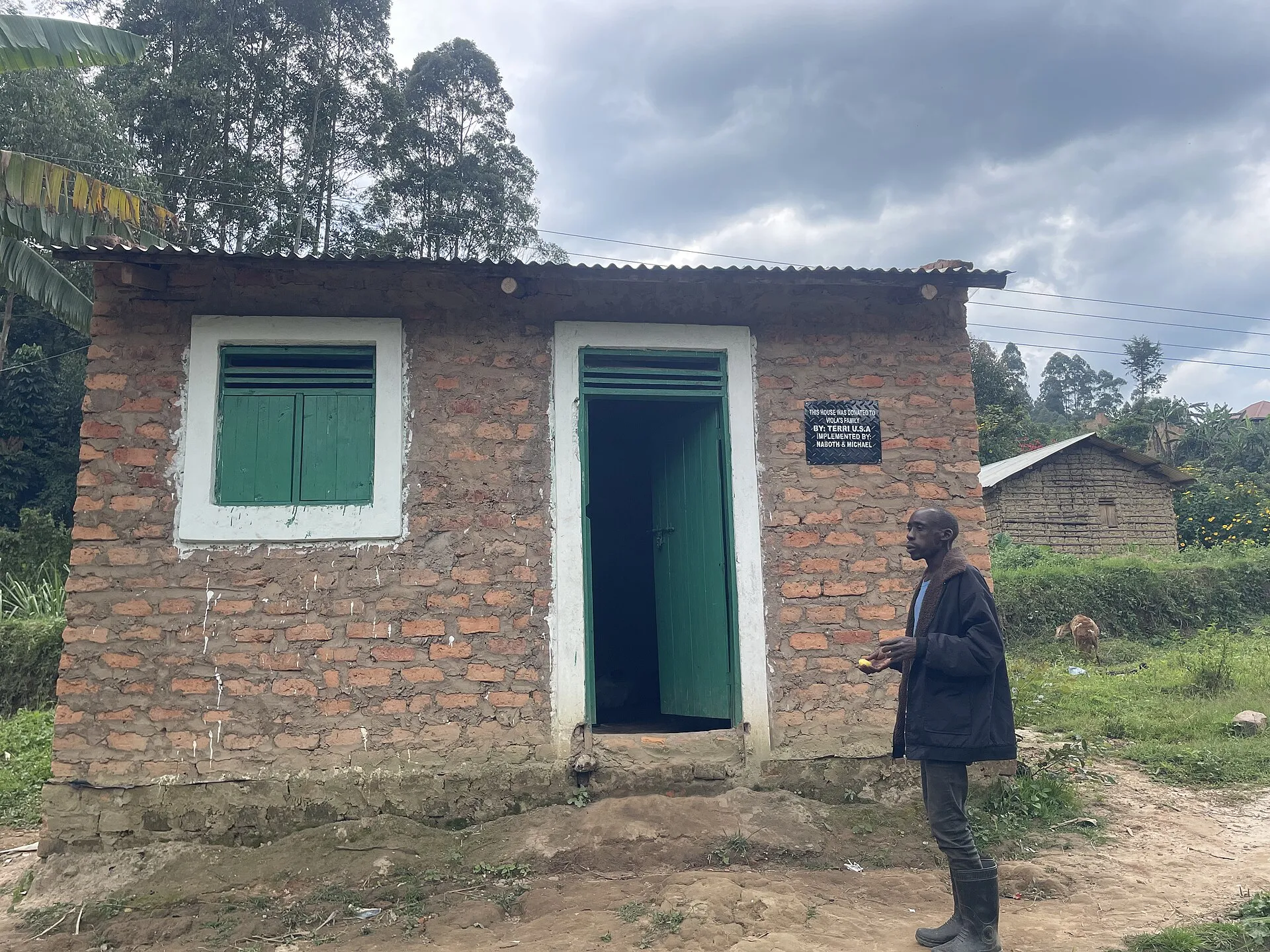
we choose experiences where the Batwa lead and benefit. It makes the visit more authentic and ensures the income reaches the community.
Combining with your gorilla trek
The Batwa experience fits naturally into a gorilla trip: on the afternoon of your trek, or on the day you arrive in Bwindi. Our 4-day shoebill and gorilla safari includes a Batwa visit, and it can be added to any itinerary that includes Bwindi or Mgahinga.
Bwindi or Mgahinga: which Batwa experience?
| Batwa Forest Experience, Bwindi | Batwa Trail, Mgahinga | |
|---|---|---|
| Cost (2026) | US$40, excluding park entry | US$80, including park entry |
| Setting | Forest edge near the Bwindi sectors | Forest on the slopes of the Virunga volcanoes, ending at Garama Cave |
| Fits best with | A gorilla trek in Buhoma or another Bwindi sector | Gorillas or golden monkeys in Mgahinga, or a stay near Kisoro |
Batwa experience: quick answers
How long does the Batwa experience take?
Plan on a few hours, which is why it fits easily into the afternoon after a gorilla trek or the day you arrive.
Is it suitable for children?
Yes. The demonstrations, songs and fire-making are popular with families, and children who are too young to trek gorillas can join. See our ideas for family safaris.
Is it ethical to visit?
It can be, when the Batwa lead the experience and receive the income. We use Batwa-led experiences, and we encourage visitors to buy crafts directly from the community.
Should I tip?
Tips for guides and performers are appreciated. See our safari tipping guide.
Other community experiences
The Buhoma community walk visits a traditional healer, farms and a local banana-beer brewer, and many lodges support local schools and craft groups you can visit.
A day with the Batwa: what it feels like
Many visitors find the Batwa experience one of the most moving parts of their trip. The demonstrations are lively and often fun, with laughter, songs and the satisfaction of seeing fire made from two sticks. But the stories of leaving the forest are also sobering. Guides speak openly about the loss of their homes, the challenges of farming and the importance of keeping their culture alive for their children.
How to support the Batwa
- Choose Batwa-led experiences and community projects.
- Buy baskets, beadwork and other crafts directly from Batwa artisans.
- Tip guides and performers.
- Share their story respectfully with friends and family after your trip.
Frequently asked questions
Who are the Batwa?
An indigenous hunter-gatherer people of the Great Lakes region who lived in the forests of south-west Uganda for centuries.
Is the experience respectful?
Yes, when led by Batwa guides and organised with their community. Choose experiences where the Batwa share in the income and decisions.
How long does it take?
About half a day; many visitors do it on the afternoon of their gorilla trek or the day before.
Can I take photos?
Yes, during demonstrations, but always ask before photographing individuals.
How does it help the community?
Fees, tips and craft purchases provide income, and community projects support education, health and land for the Batwa.
Is the Batwa experience suitable for children?
Yes. Children enjoy the demonstrations, music and dance, and it is a gentle walk.
Do I need to book in advance?
Yes. We arrange it with the community for the right day, usually the afternoon of your trek.

Written by our Kampala-based planners and guides, who arrange these trips every season. Prices and rules are checked before every quote.