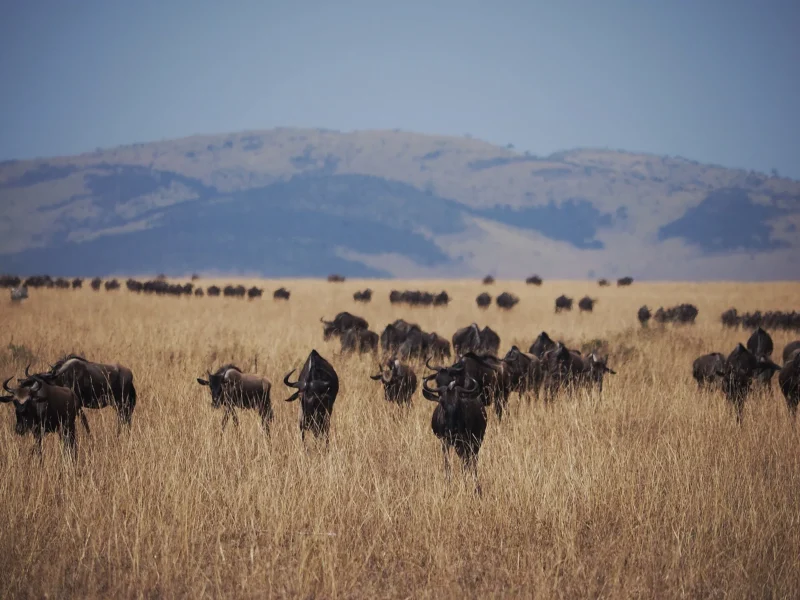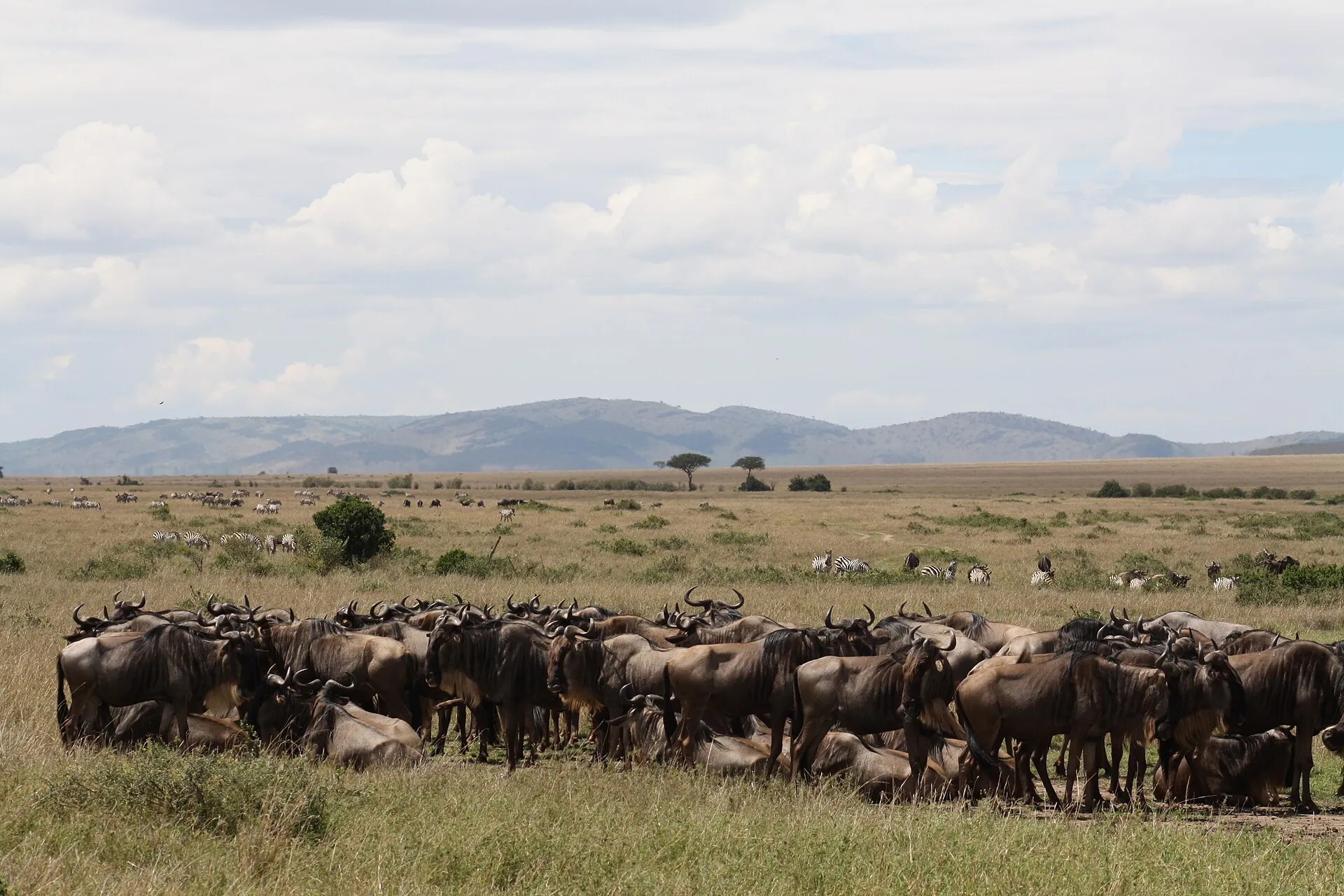
The Great Migration moves in a loop through the Serengeti and Masai Mara: December–March in the southern Serengeti and Ndutu (calving peaks around February), April–May in the central Serengeti, June–July in the western corridor (Grumeti crossings), July–October in the northern Serengeti and Masai Mara (Mara River crossings), and November heading south again. Timing varies each year with the rains.
Key takeaways
- December–March: southern Serengeti and Ndutu, with calving.
- April–May: central Serengeti, during the long rains.
- June–July: western corridor and Grumeti River crossings.
- July–October: northern Serengeti and Masai Mara, with Mara River crossings.
- November: herds move south with the short rains.
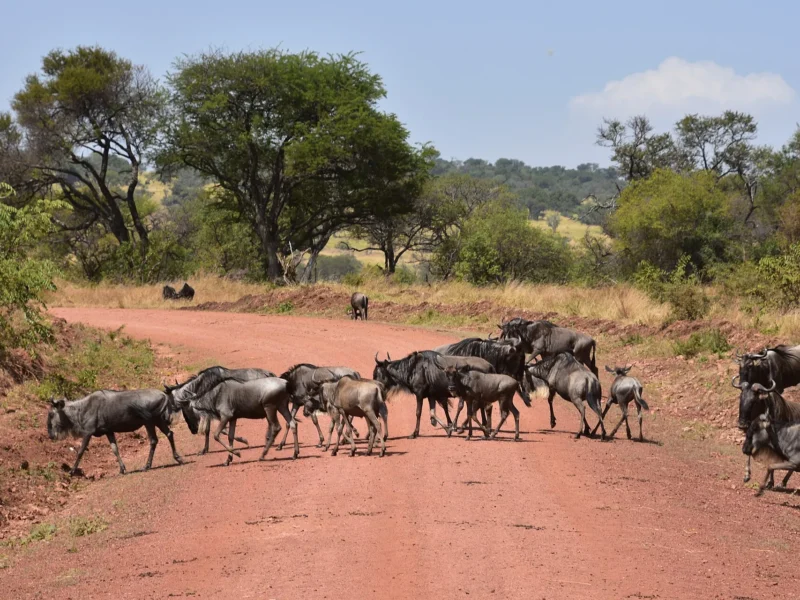
The Great Migration is not a single event but a year-round cycle. About 1.3 million wildebeest, with hundreds of thousands of zebra and gazelles, follow the rains in a vast loop through Tanzania’s Serengeti and Kenya’s Masai Mara. Knowing where they usually are each month is the key to planning.
January
The herds are on the short-grass plains of the southern Serengeti and Ndutu, rich in minerals after the short rains. Calving begins, and predators gather. Excellent for big cats and young animals.
February
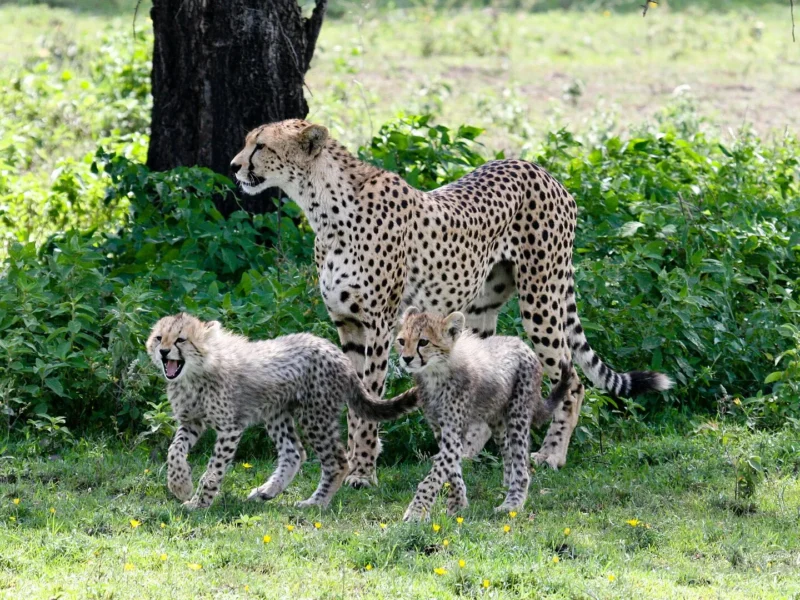
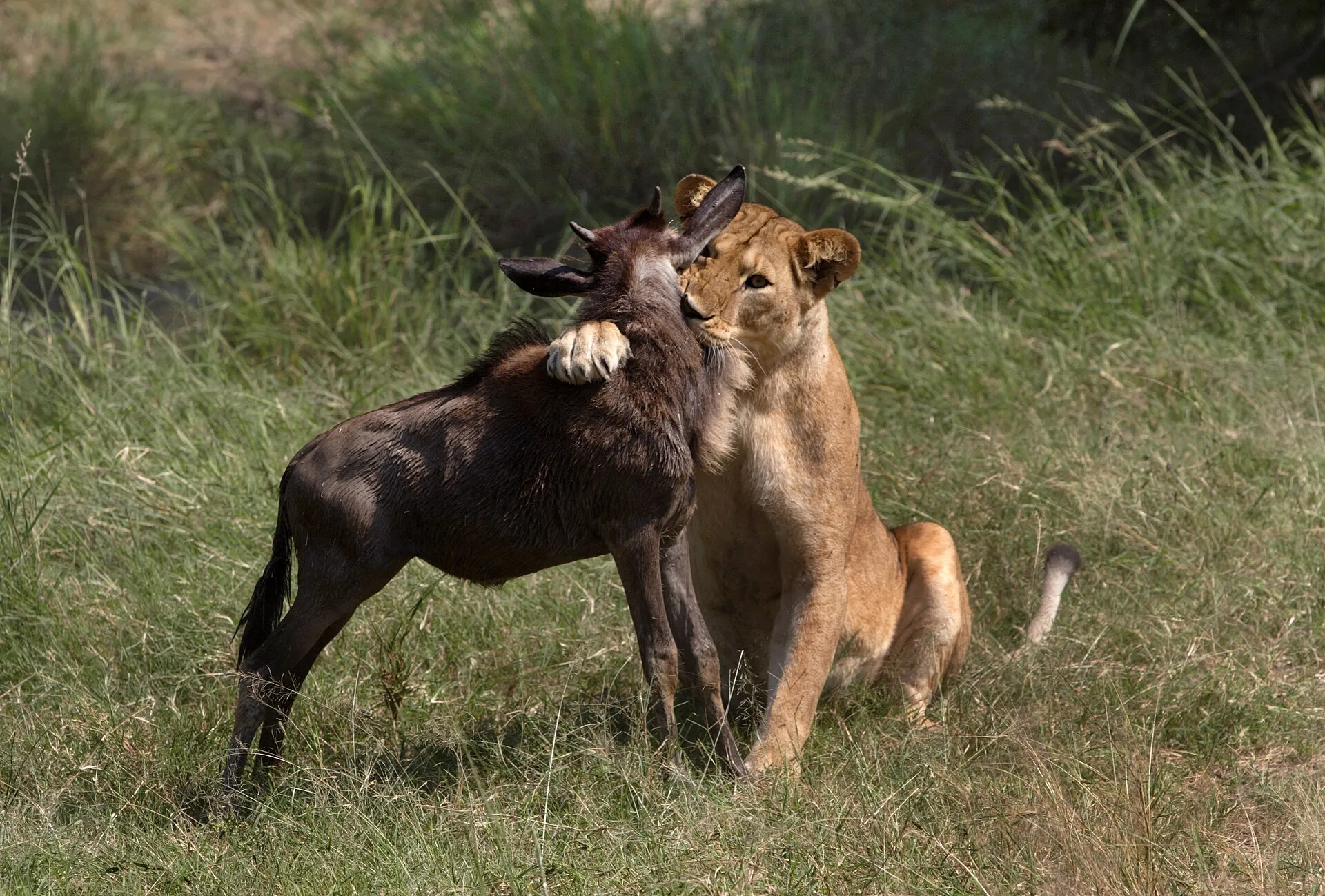
Calving peaks: hundreds of thousands of calves are born within a few weeks. Lions, cheetahs and hyenas hunt among the herds. One of the best months of the year. Read calving season in the southern Serengeti.
March
The herds remain in the south early in the month, then begin to drift north-west as the long rains arrive.
April and May
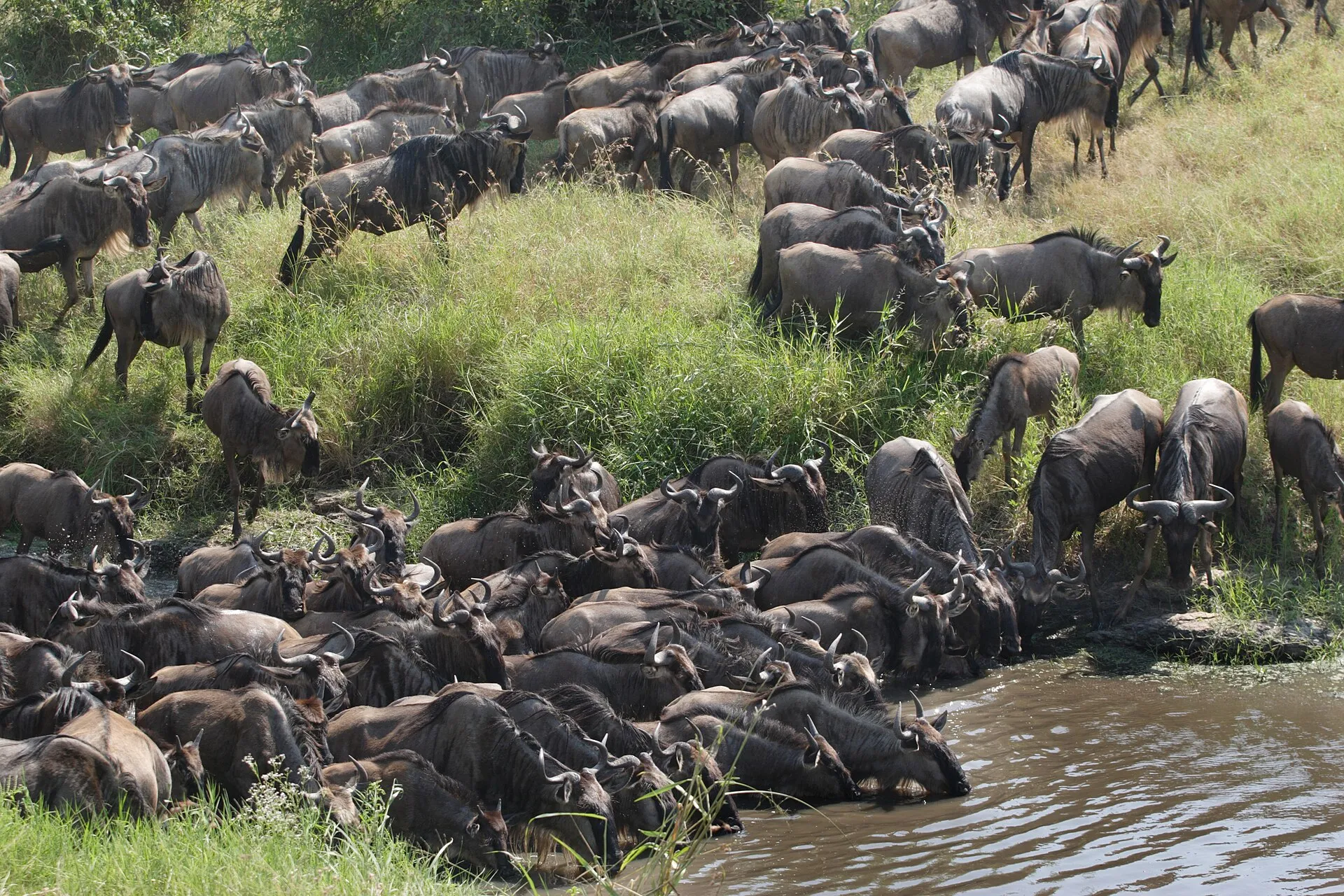
The long rains. Herds move through the central Serengeti towards the west. In May the rut begins, with males fighting and chasing. Quiet parks and green-season rates.
June
The herds move into the western corridor and gather at the Grumeti River, where large crocodiles wait. The dry season begins.
July
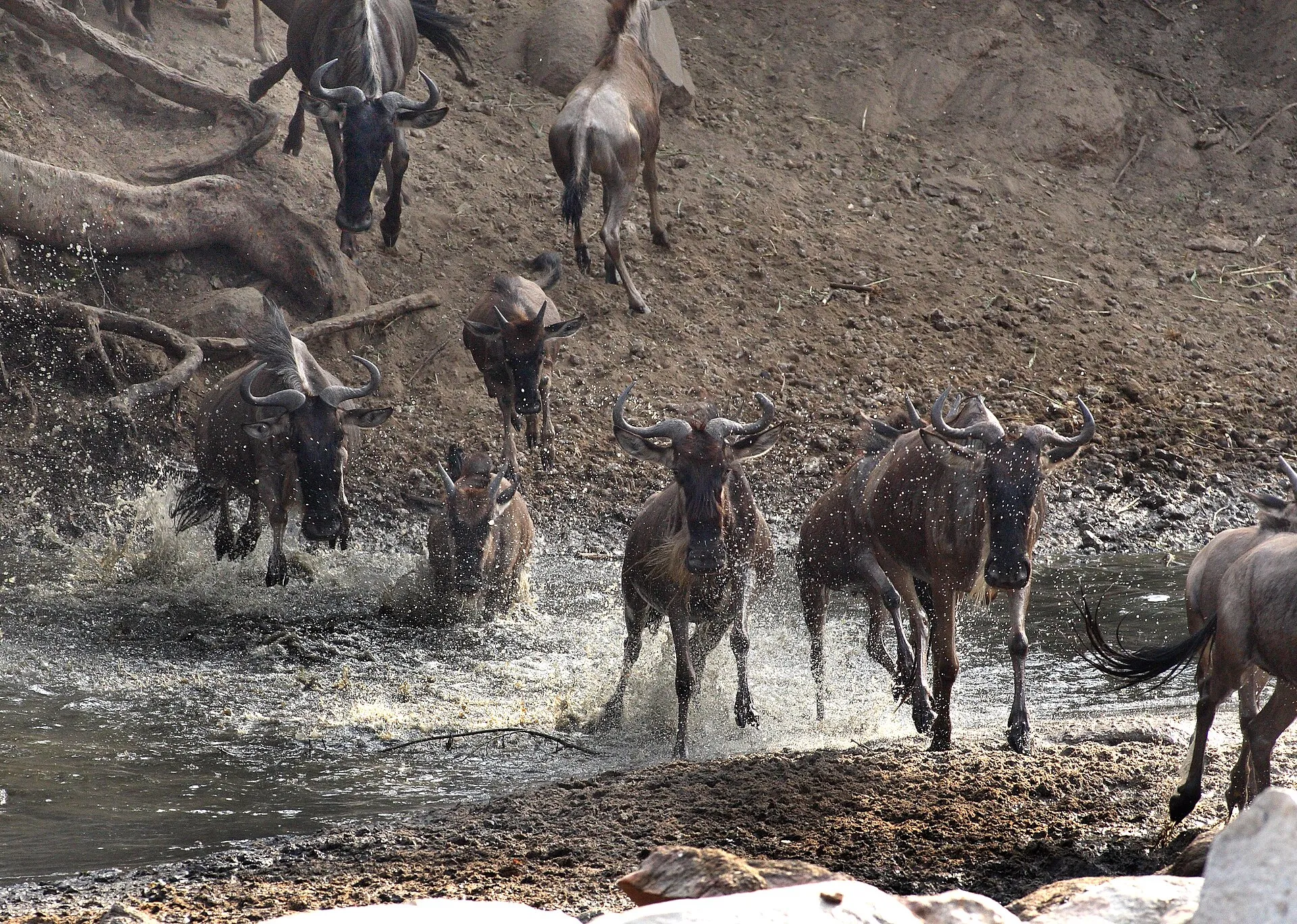
The herds head north. In the second half of the month they usually reach the northern Serengeti and the Masai Mara, and the first Mara River crossings often take place.
August
Peak crossings of the Mara River, back and forth between Kenya and Tanzania. The busiest month of the year. Read Great Migration river crossings.
September
Crossings continue, often with fewer visitors. Many guides consider it the best month for the Mara and northern Serengeti.
October
The last crossings usually happen early in the month before the herds start to head south through the eastern Serengeti.
November
With the short rains, the herds move quickly south through the eastern and central Serengeti towards the southern plains.
December
The herds arrive back in the southern Serengeti and Ndutu, ready for the calving season, and the cycle begins again.
Where to stay
| Months | Base |
|---|---|
| December–March | Ndutu and southern Serengeti camps |
| April–May | Central Serengeti (Seronera) |
| June–July | Western corridor (Grumeti) |
| July–October | Northern Serengeti (Kogatende) or the Masai Mara |
| November | Central and eastern Serengeti |
Mobile camps move with the herds through the year. Booking a camp positioned for your month gives you the best chance of being in the right place.
Planning your migration safari
Choose your month, then your base, then book early, especially for February and August. Our 6-day calving safari, 7-day northern Serengeti migration safari and 5-day Masai Mara migration safari are built around the herds. Read our wildebeest guide for more.
Predators through the year
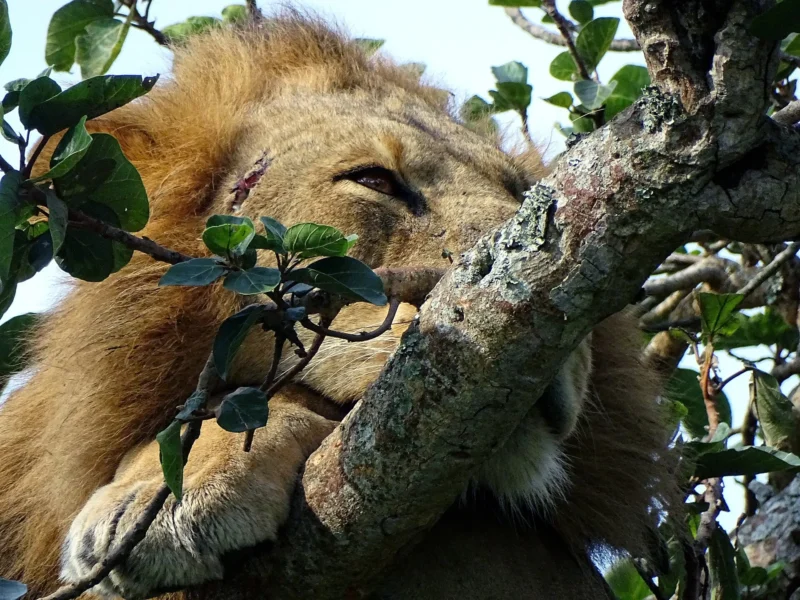
The herds feed a whole community of predators. In the south during calving, cheetahs and lions hunt the young on the open plains, and spotted hyenas follow in large clans. In the western corridor, the Grumeti River’s huge crocodiles take their share. In the north and the Mara, lion prides follow the herds along the rivers, and crocodiles wait at every crossing point.
Kenya or Tanzania for the migration?
| Masai Mara, Kenya | Serengeti, Tanzania | |
|---|---|---|
| Herds present | About July–October | All year, in different areas |
| Highlights | Mara River crossings, big cats, conservancies | Calving at Ndutu, the western corridor, northern crossings |
| Park fees | US$200 per day July–December | About US$83 per 24 hours |
| Access | Short flight or 5–6 hour drive from Nairobi | Flights or long drives from Arusha |
In August and September, both the Mara and the northern Serengeti can be excellent. Outside those months, Tanzania is the only choice for the herds.
Great Migration: quick answers
What is the best month to see the Great Migration?
For river crossings, August and September. For calving and predator action, February. The herds are always somewhere in the ecosystem, so every month can work with the right base.
Are river crossings guaranteed?
No. Herds gather on the banks and may cross several times a day or not for days. Staying three or more nights near the river gives the best chance.
How many animals take part?
About 1.3 million wildebeest, with hundreds of thousands of zebra and gazelles.
Can I see the migration and gorillas on one trip?
Yes. Fly from Entebbe to Nairobi for the Mara, or to Kilimanjaro for the Serengeti. Read combining Uganda with Kenya or Tanzania.
Photographing the migration
Bring a long lens for predators and a wide lens for the scale of the herds. At crossings, use a fast shutter speed to freeze the splashing animals, and keep shooting: the action can last minutes or hours. Read our photographers’ travel guide.
Frequently asked questions
Is the migration the same every year?
No. The herds follow the rains and grass, so timing and routes change from year to year.
When are the river crossings?
Mara River crossings usually happen between July and October; Grumeti River crossings around June and July.
Where is the best place to see calving?
Ndutu and the southern Serengeti plains, from about January to March.
Kenya or Tanzania for the migration?
Tanzania hosts the herds for most of the year; Kenya’s Masai Mara usually from July to October.
How long should I stay?
At least three nights in the right area, as the herds move daily.

Written by our Kampala-based planners and guides, who arrange these trips every season. Prices and rules are checked before every quote.