Samburu National Reserve at a glance
| Question | Short answer |
|---|---|
| Best for | The northern ‘special five’ and elephants on the Ewaso Ng’iro river |
| Special five | Reticulated giraffe, Grevy’s zebra, Somali ostrich, beisa oryx and gerenuk |
| Getting there | About 6–7 hours by road from Nairobi, or about an hour by scheduled flight |
| Ideal stay | 2 nights, often combined with Ol Pejeta |
Trips that visit Samburu
The Samburu Special Five
The reserve’s signature species are adapted to dry country and found mainly north of the equator:
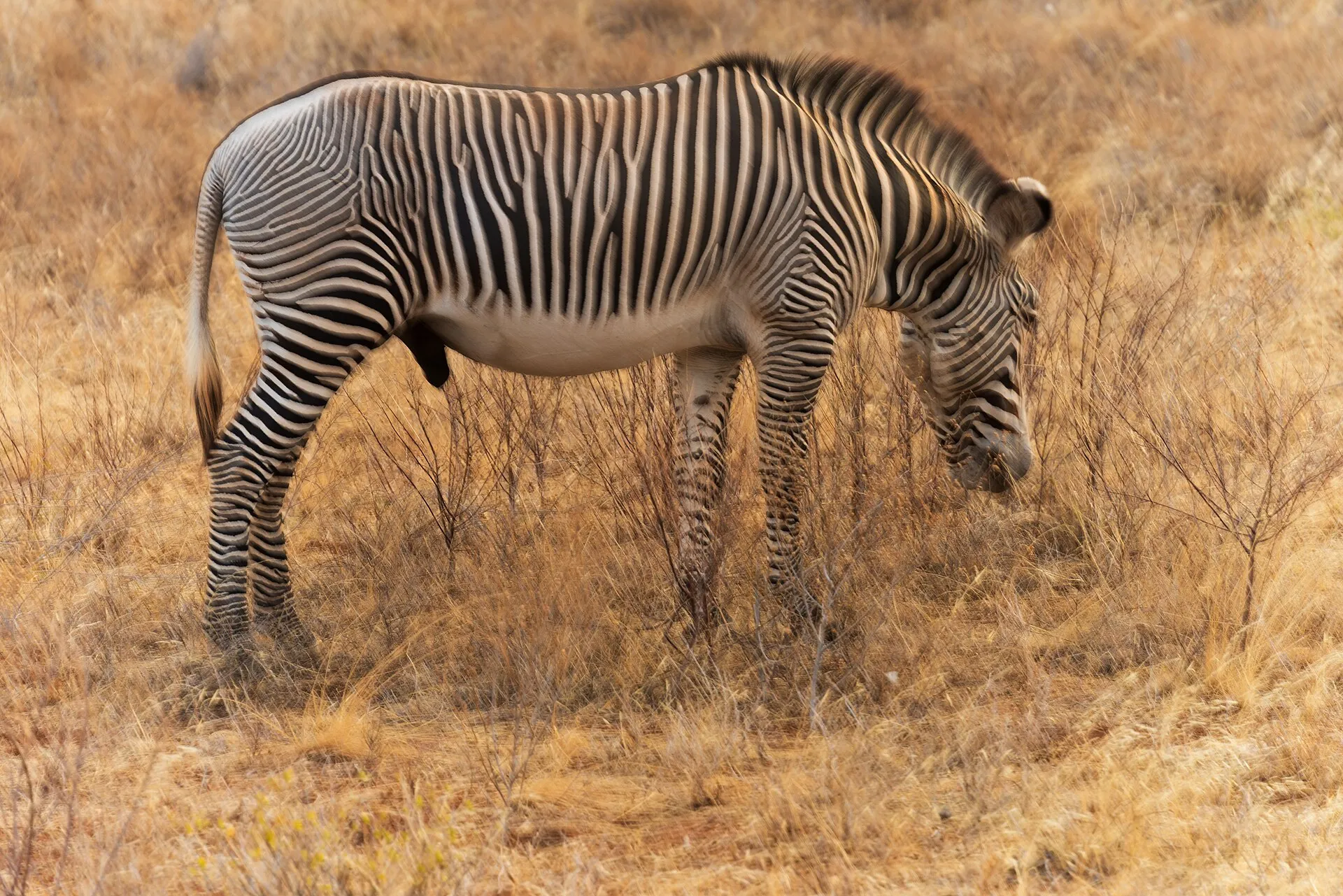
- Grevy’s zebra: the largest and most endangered zebra, with narrow stripes and round ears.
- Reticulated giraffe: with a bold net pattern of white lines.
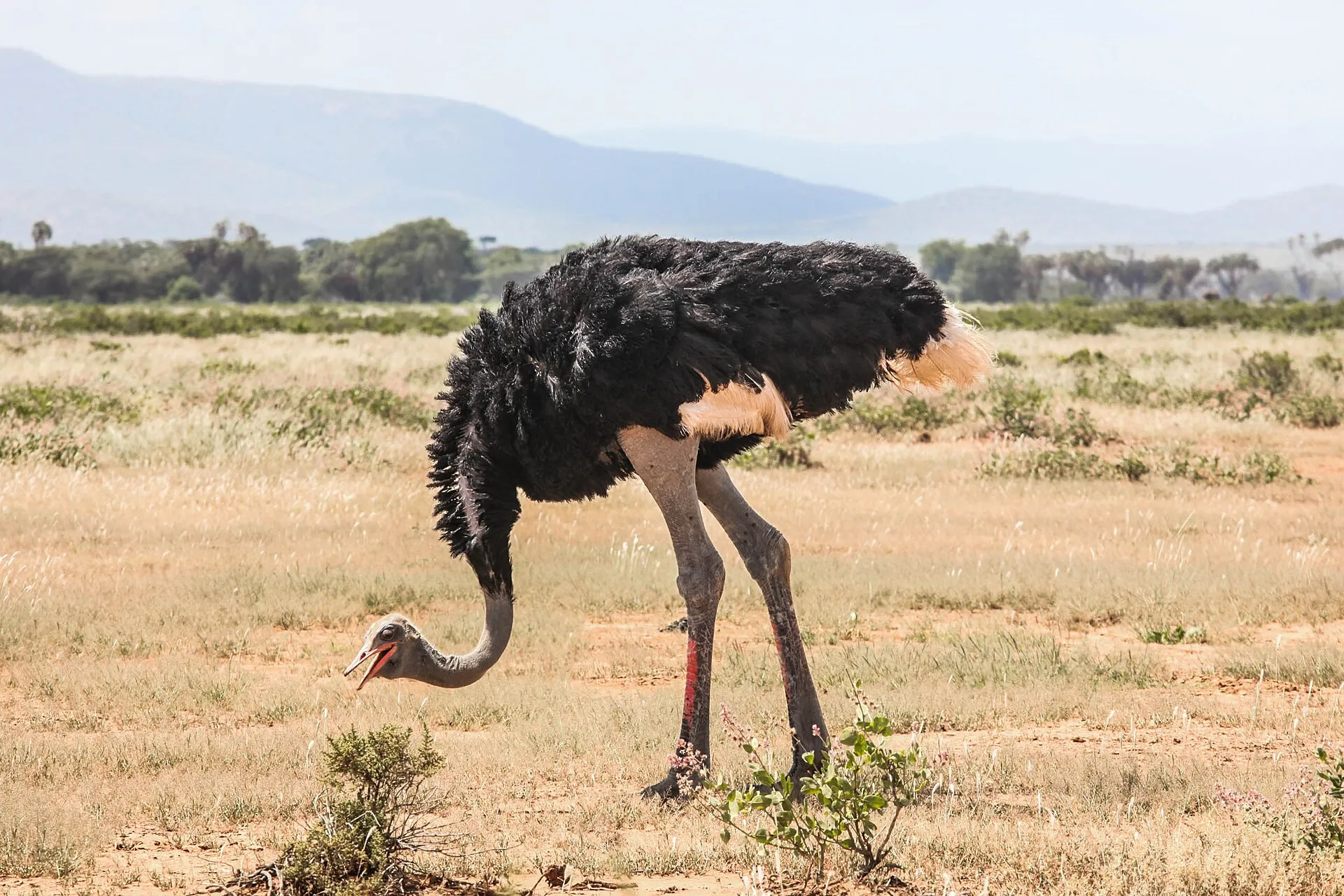
- Somali ostrich: with blue-grey skin on the neck and legs.
- Beisa oryx: a desert antelope with long straight horns.
- Gerenuk: the long-necked antelope that stands on its hind legs to browse.
Read Samburu’s northern species for tips on finding them.
Elephants, cats and the river
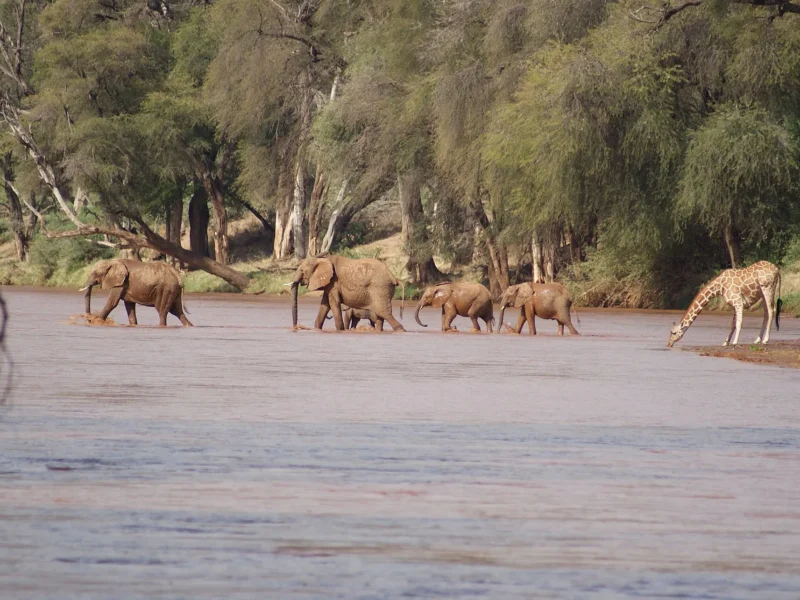
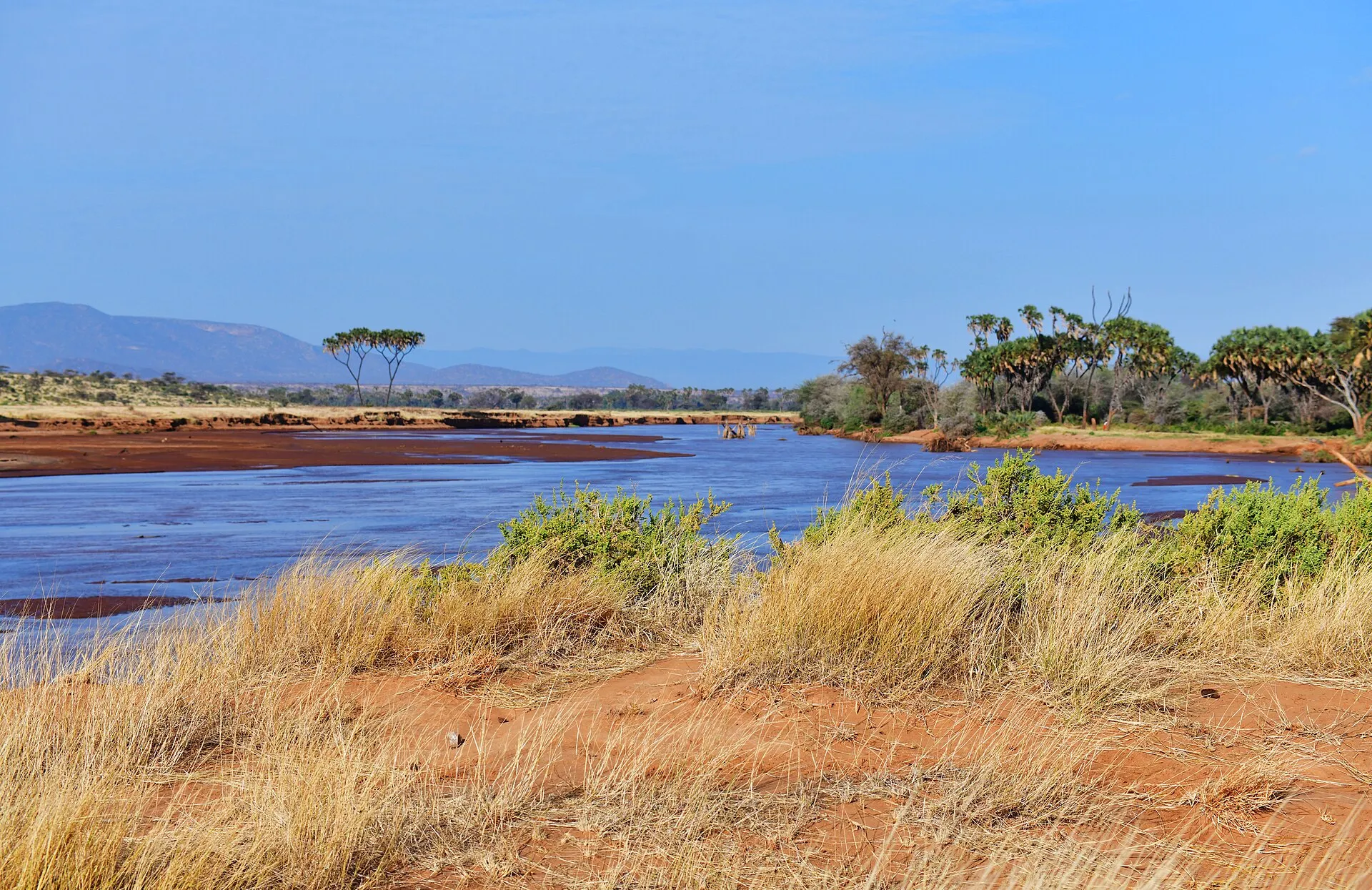
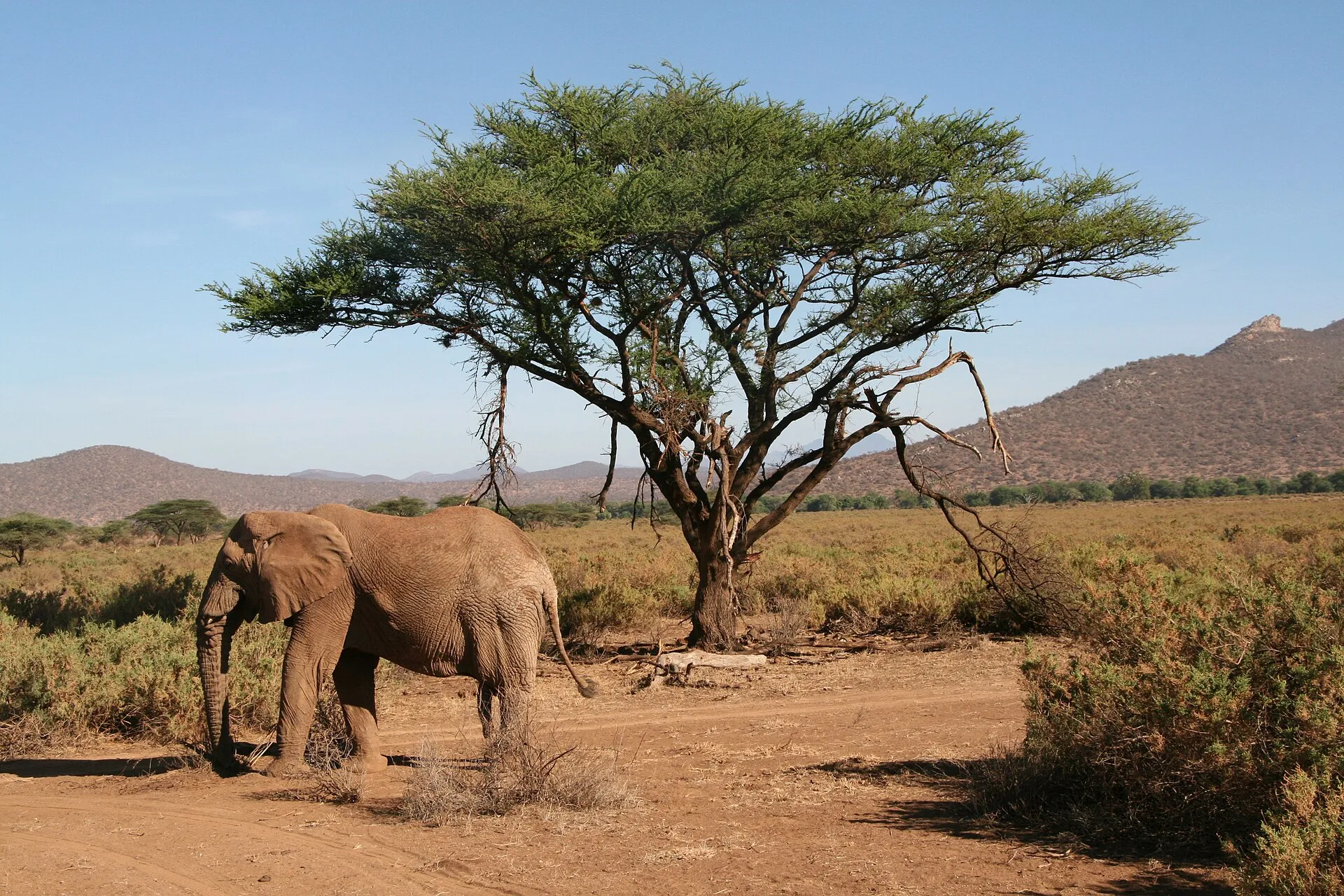
Samburu has a large elephant population that moves along the river and is well studied by researchers. Lions, leopards and cheetahs are regularly seen, and the riverine forest is one of the best places in Kenya for leopards. Crocodiles bask on the sandbanks, and the river attracts many birds.
Samburu culture
The Samburu are pastoralists closely related to the Maasai, known for their colourful beadwork. A visit to a Samburu village, arranged through the community, introduces their way of life and how they share the land with wildlife.
Buffalo Springs and Shaba
Buffalo Springs, across the river, and Shaba, to the east, have the same species and fewer vehicles. Game drives often cover all three reserves.
Where to stay
Most lodges and tented camps sit along the shaded banks of the Ewaso Ng’iro, with views of elephants coming down to drink. Others are on the Buffalo Springs side and in the community conservancies to the north, such as Kalama and Westgate, where camps offer walking safaris and fewer vehicles while sharing income with Samburu communities.
Game-drive tips
Animals in Samburu concentrate along the river, especially as the day heats up. Drive the river loops at dawn for cats, then watch elephants crossing at midday. The open plains away from the river are best for the Special Five, particularly Grevy’s zebra and oryx in the early morning.
Conservation in the north
Grevy’s zebra numbers fell sharply in the late twentieth century, and today most of the survivors live in northern Kenya. Community conservancies around Samburu employ local rangers and monitor zebra and elephants, and tourism income is central to their work.
Planning your visit
Samburu works well with Ol Pejeta Conservancy and Mount Kenya, or as a fly-in extension to the Masai Mara. Ask us to build a northern Kenya safari around your dates.