You need reasonable fitness for gorilla trekking: treks last from one to six hours on steep, muddy forest slopes at 1,500–2,800 metres. Most healthy adults who walk regularly can manage, especially with a porter and walking stick. Rangers assign families partly by fitness, and in Uganda carry services (sedan chairs) can be arranged for travellers with limited mobility.
Key takeaways
- Treks last 1–6 hours, sometimes longer.
- Altitude is 1,500–2,800 m, so expect to breathe harder.
- Rangers assign families partly by fitness and age.
- Porters and walking sticks make a big difference.
- Prepare with regular walks and hill hikes.
Gorilla trekking is one of the world’s great wildlife experiences, and it involves a genuine hike. The good news is that you don’t need to be exceptionally fit: most people who walk regularly can do it, and there is plenty of help available. Here is an honest guide to what to expect.
How long is a gorilla trek?
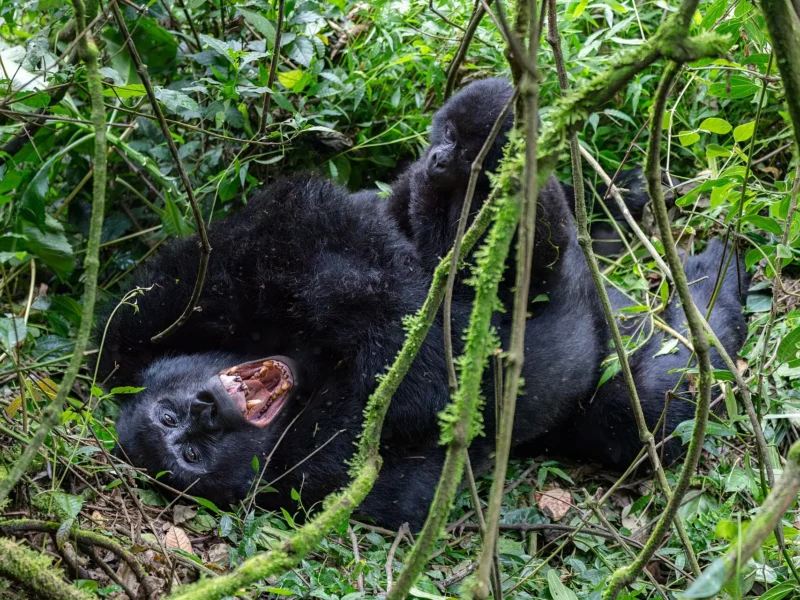
Treks take anywhere from one to six hours in total, and occasionally longer. It depends on where the gorilla family has moved since the previous day. You walk to the family, spend one hour with them and walk back. Trackers go ahead early to locate the gorillas and radio their position to your ranger.
The terrain
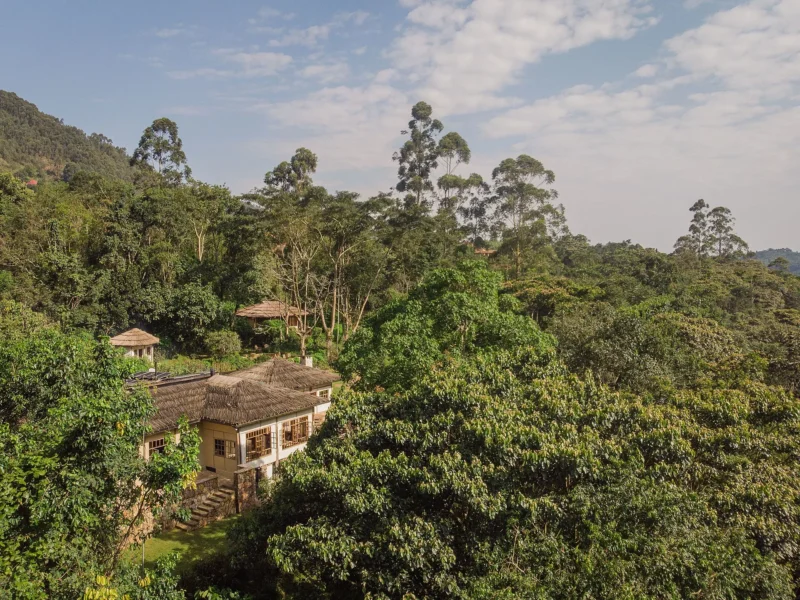
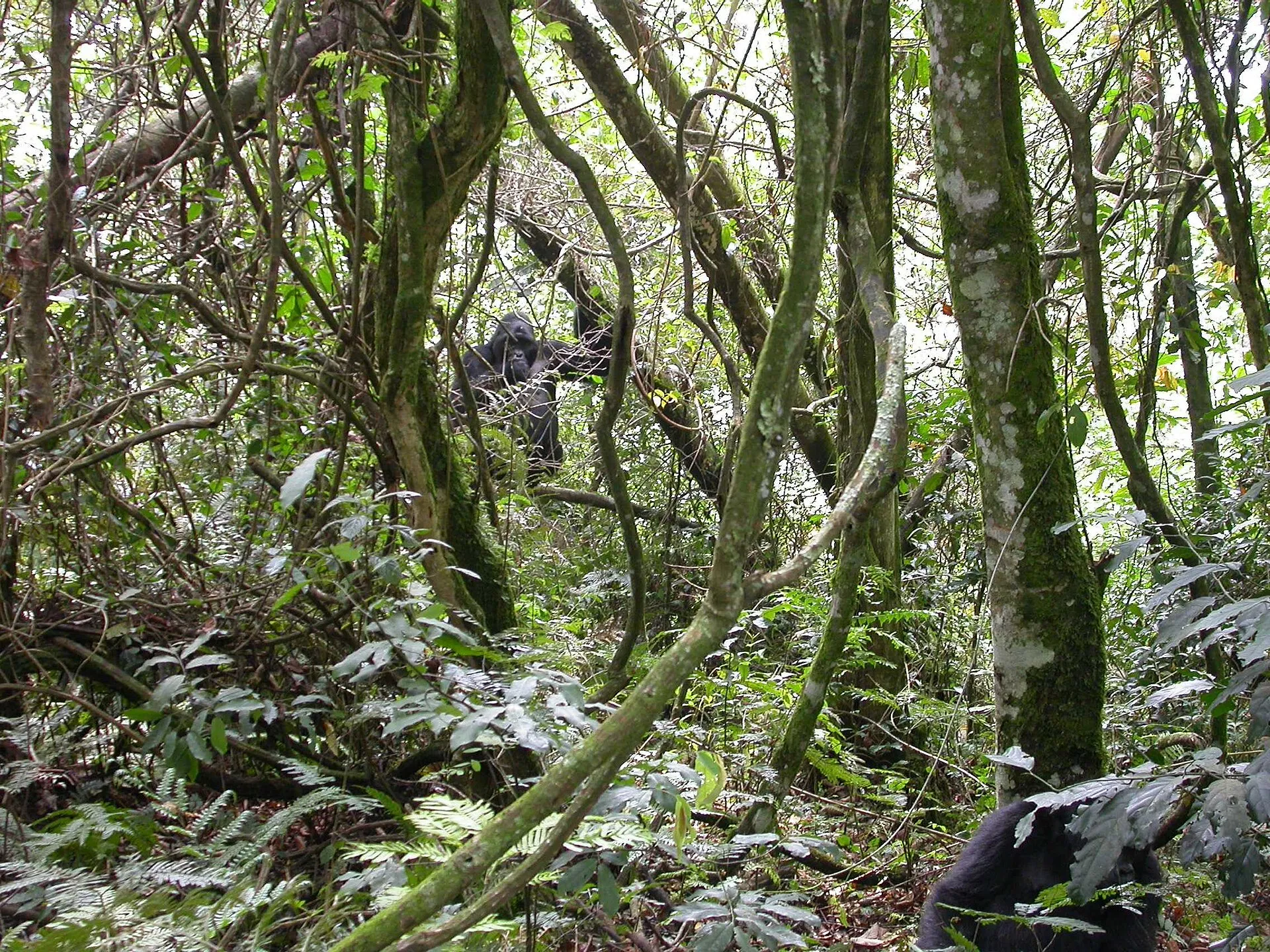
- Bwindi, Uganda: steep, densely forested hills, with muddy trails and sections where the ranger cuts a path through vegetation.
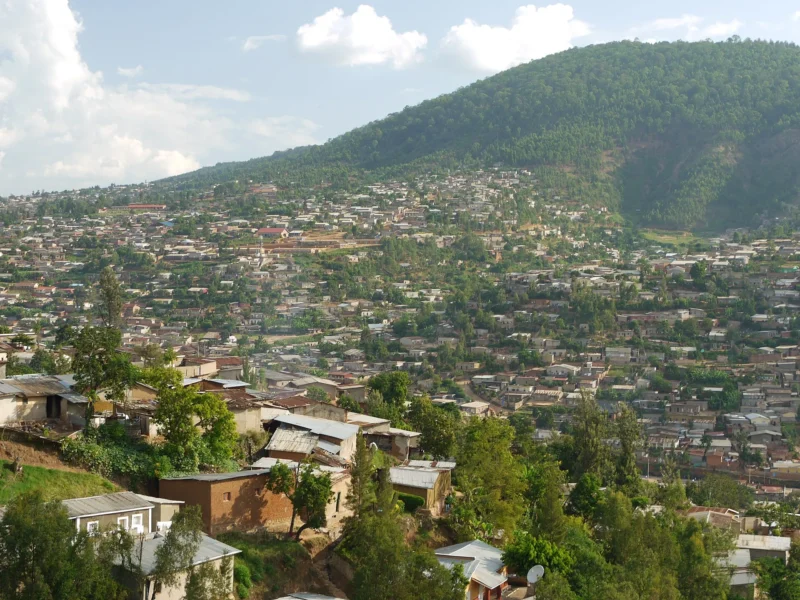
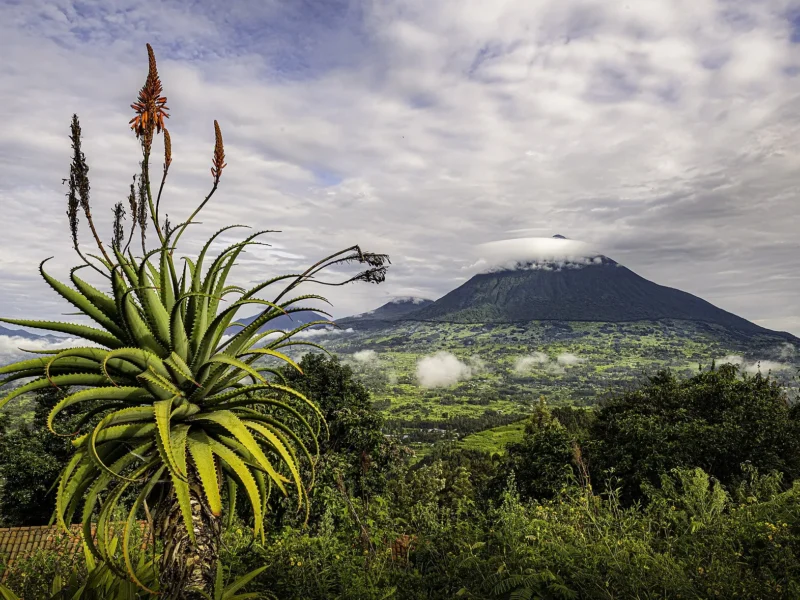
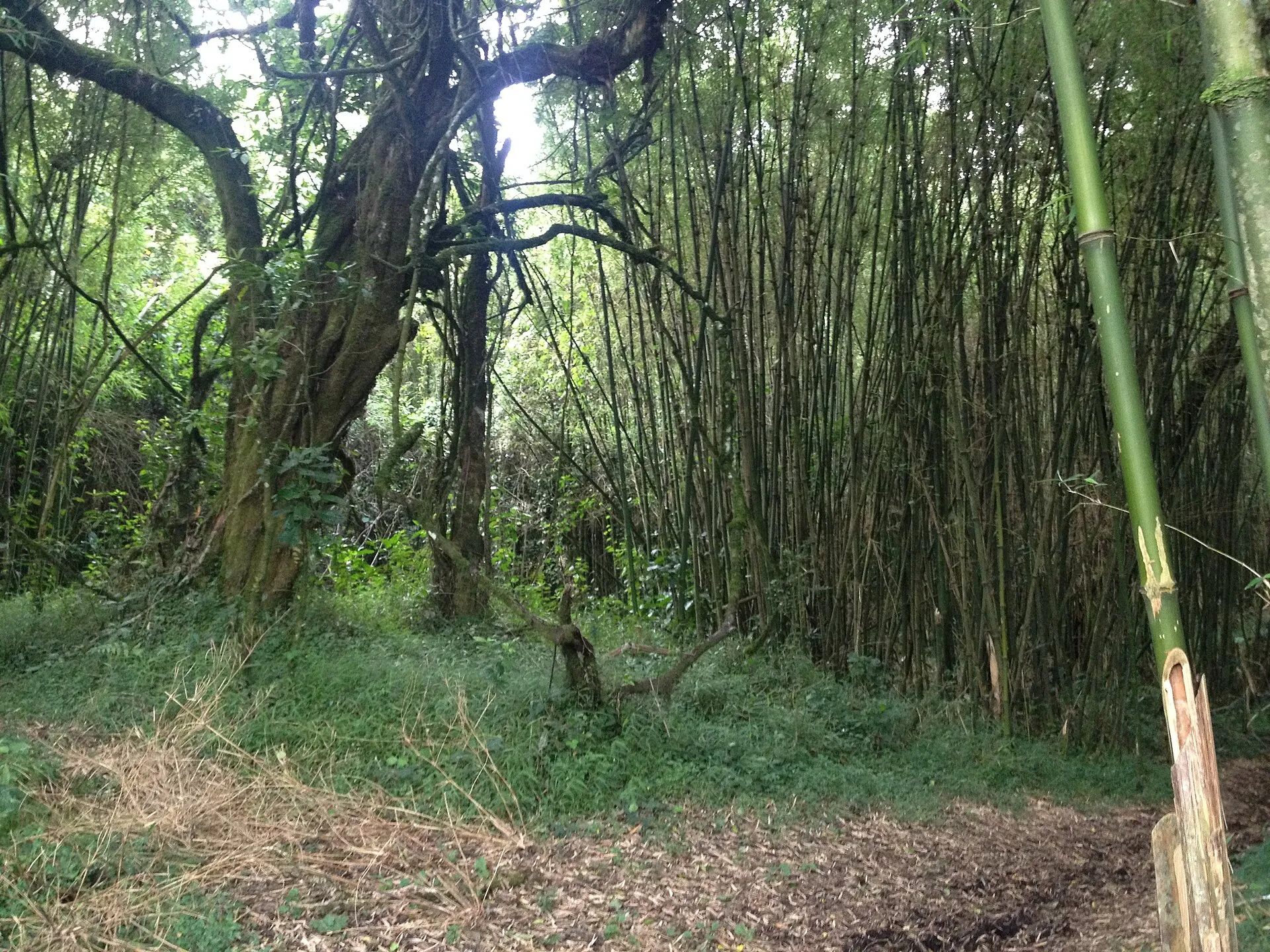
- Volcanoes, Rwanda: farmland, then bamboo and hagenia forest on volcano slopes; often shorter, but some families live high up.
- Mgahinga, Uganda: bamboo and open forest on the Virungas.
Expect slippery mud, roots, steep climbs and descents. Trekking poles and gloves help a lot.
Altitude
Trekking takes place between about 1,500 and 2,800 metres. You may feel short of breath on steep climbs, but serious altitude sickness is rare at these heights. Walk slowly, drink water and take breaks.
How families are assigned
At the morning briefing, rangers assign visitors to families. They consider age, fitness and preferences, so tell them honestly if you would like an easier trek. Some families are known to stay close to the park edge, while others range far and high.
Help on the trail
- Porters: for about US$20, a porter carries your bag and helps you on steep sections. It is one of the best investments of the day and supports local families.
- Walking sticks: provided at the start.
- Rest stops: rangers set a steady pace and stop regularly.
- Carry service: in Uganda, travellers with limited mobility can book a sedan chair carried by porters, arranged in advance.
Start slowly. Many trekkers rush the first climb and tire early. A steady pace and short breaths are the secret to enjoying the whole day.
How to prepare
- Walk 30–60 minutes most days in the months before you travel.
- Include hills or stairs at least once a week.
- Practise with the day pack you will carry.
- Break in your boots on long walks.
- If you have health conditions, speak to your doctor.
Choosing an easier experience
- Ask for an easier family at the briefing.
- Choose a sector with gentler access, such as Buhoma.
- Consider golden monkey tracking, which is easier, in addition to gorillas.
- Fly in to save energy for the trek; see our 3-day Uganda gorilla fly-in safari.
What makes a trek harder or easier
- Where the family slept: the single biggest factor. A family near the park edge may be reached in under an hour; one deep in the forest can take most of the morning.
- Sector: in Bwindi, Nkuringo is known for a steep descent and climb back out, while Buhoma’s families are often closer to the trailheads.
- Weather: rain makes trails slippery and slower, especially in April, May and November.
- Your pace: a steady, slow pace with short steps on climbs uses far less energy than stopping and starting.
An eight-week preparation plan
| Weeks | What to do |
|---|---|
| 1–2 | Walk 30 minutes on four or five days a week; wear your new boots. |
| 3–4 | Add one longer walk of 90 minutes with hills or stairs each week. |
| 5–6 | Walk 2–3 hours on hilly ground once a week, carrying your day pack with water and a camera. |
| 7–8 | Keep up the long walk, add step-ups or stair climbing twice a week, and rest in the final days before you fly. |
If you already walk or hike regularly, you need little extra training. If you have heart, joint or breathing conditions, speak to your doctor before booking.
Age and health rules
The minimum age for gorilla trekking is 15 in both Uganda and Rwanda, and there is no upper age limit. Anyone with a cold, cough or fever can be refused on the day, because gorillas catch human illnesses. If you are unsure about your fitness, tell us when booking, so we can request an easier family and plan a quiet day before the trek.
Gorilla trekking fitness: quick answers
Can an unfit person do gorilla trekking?
Many people with modest fitness complete a trek, especially with a porter, a walking stick and an easier family. The hardest part is usually the climb back out of the forest, so pace yourself early.
Is Rwanda or Uganda easier for trekking?
Rwanda’s treks are often shorter, but they start higher on the volcano slopes. Bwindi’s are more variable. Read Uganda or Rwanda: where should you trek gorillas?.
What if I cannot continue during the trek?
Tell your ranger straight away. Rangers set the pace for the group and will rest as needed; porters can help you on steep sections.
Is chimpanzee tracking easier than gorilla trekking?
Usually. Kibale’s trails are much flatter than Bwindi’s, although chimps move fast and you may walk off the path to keep up.
Worth the effort
Almost everyone who finishes a gorilla trek says the effort was worth it many times over. Prepare well, pack properly using our gorilla trekking packing list and read our gorilla trekking guide to know exactly what to expect.
A typical trek, step by step
- 7:30am: briefing at the park office; families are assigned.
- 8:30am: short drive to the trailhead; collect walking sticks and meet porters.
- 9:00am–noon: walk into the forest at a steady pace with regular stops, following the trackers’ directions.
- One hour with the gorillas: bags and sticks are left with porters, and you move slowly and quietly around the family.
- Afternoon: walk back to the trailhead and receive your certificate.
Most of the effort is in the walk in and out, so pace yourself early and save energy for the return.
Frequently asked questions
Is gorilla trekking hard?
It can be. Terrain is steep, muddy and uneven, and some treks last several hours. But the pace is slow and rangers stop regularly.
Can older travellers trek gorillas?
Yes. Many travellers in their 60s and 70s trek gorillas. Let us know, and rangers will try to assign a closer family.
What if I can’t continue?
Rangers can arrange for you to return with an escort. In Uganda, a carry service (stretcher-style sedan chair with porters) can be booked in advance.
Does altitude affect the trek?
You may feel breathless on climbs, but altitude sickness is rare at these heights.
How can I prepare?
Walk regularly in the months before your trip, ideally on hills or stairs, carrying a small day pack.

Written by our Kampala-based planners and guides, who arrange these trips every season. Prices and rules are checked before every quote.