East Africa is near the equator, but many safari areas are at altitude, so mornings and evenings can be cold while afternoons are hot. Dawn game drives in open vehicles, gorilla treks at 2,000–3,000 metres and the Ngorongoro rim can all be chilly. Packing layers you can add or remove, such as a base layer, fleece and waterproof jacket, keeps you comfortable all day.
Key takeaways
- Mornings and evenings can be cold.
- Gorilla treks and crater rims are at altitude.
- Afternoons are often hot.
- Base layer, fleece and rain jacket.
Many travellers expect Africa to be hot all the time. In reality, East Africa’s highlands are cool, and the temperature changes a lot during the day.
Where it gets cold
- Dawn game drives in open vehicles, when wind chill makes it feel colder.
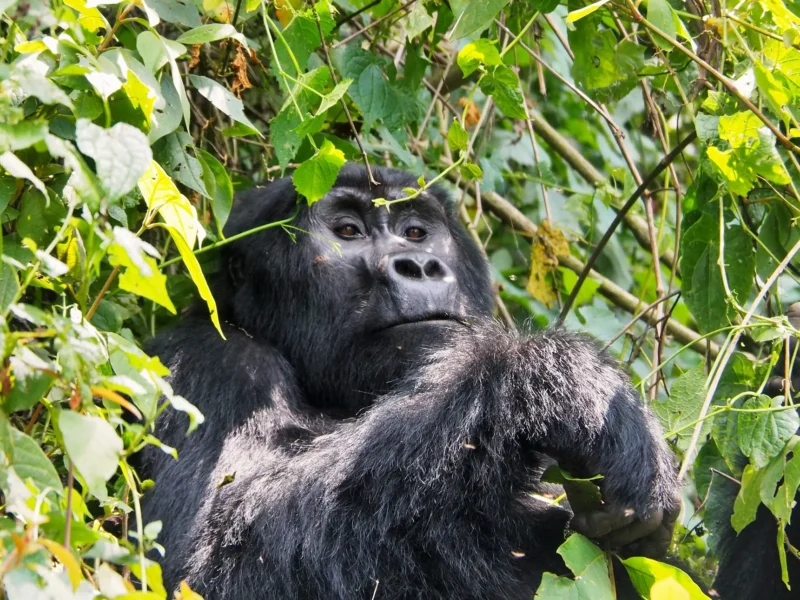
- Bwindi and Mgahinga, where gorilla treks start at around 1,500–2,500 metres.
- Volcanoes National Park in Rwanda, where treks climb above 2,500 metres.
- The Ngorongoro Crater rim, at over 2,200 metres.
- Kilimanjaro and the Rwenzori, where nights are freezing.
Where it gets hot
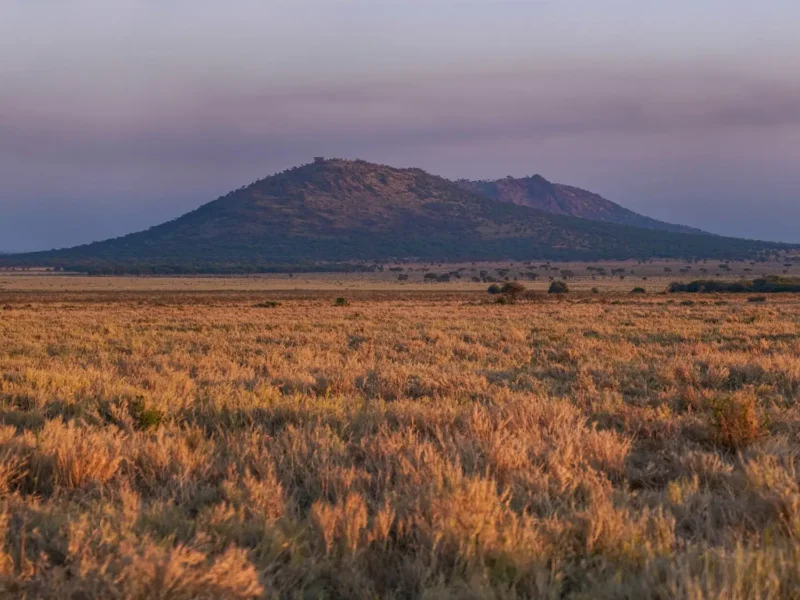
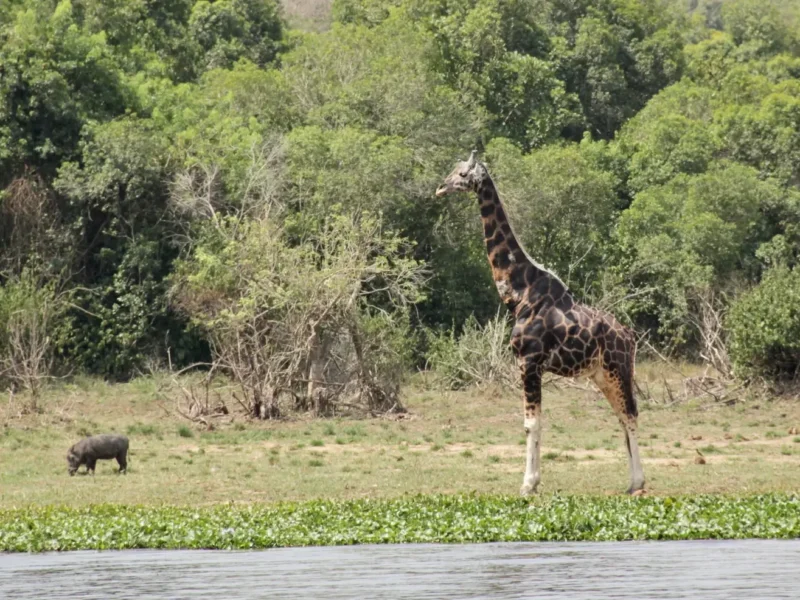
- Midday in the savannah parks, such as Queen Elizabeth, Murchison, the Mara and the Serengeti.
- Lake Victoria and the coast, which are humid.
A layering system
- Base layer: a breathable T-shirt or long-sleeved top.
- Mid layer: a fleece or light down jacket.
- Outer layer: a waterproof, windproof jacket.
- Accessories: a warm hat, light gloves and a scarf for dawn drives.
For gorilla trekking
- Long trousers and long sleeves, to protect against nettles and insects.
- Waterproof jacket and gaiters.
- Gardening gloves for gripping vegetation.
- Read what to pack for gorilla trekking.
Colours
Choose neutral colours like khaki, green and brown on safari. Avoid dark blue and black in tsetse fly areas, and bright white, which shows dust.
Baggage limits
Light aircraft often limit baggage to about 15 kg in soft bags, including hand luggage. Layers are light and flexible, so you can pack less but stay warm. Laundry is available at most lodges.
When to go
Layers are useful year-round. June to August is the coolest period in many areas, and rainy months bring cooler, wetter days.
Good to know
- A packable rain jacket is essential in the rainy seasons.
- Lodges often provide blankets or hot water bottles on game drives.
- Read our travel essentials and packing list.
- See how fit do you need to be for gorilla trekking.
Who it suits
Layering suits every safari traveller, especially those combining gorillas, savannah and the beach.
Common mistakes
- Packing only summer clothes.
- Bringing a heavy coat instead of light layers.
- Forgetting a rain jacket.
- Overpacking: you can wear the same layers several times.
Typical temperatures
| Place | Early morning | Afternoon |
|---|---|---|
| Bwindi (about 1,500–2,000 m) | 10–15°C | 20–25°C |
| Volcanoes NP, Kinigi (about 2,300 m) | 8–13°C | 18–23°C |
| Ngorongoro rim (over 2,200 m) | 5–12°C | 18–22°C |
| Queen Elizabeth, Murchison | 17–20°C | 27–32°C |
| Masai Mara, Serengeti | 12–15°C | 25–30°C |
| Zanzibar | 23–26°C | 29–32°C |
Figures are typical ranges and vary by season and weather.
A sample packing list
- 3–4 T-shirts or light shirts in neutral colours.
- 2 long-sleeved shirts for sun and insect protection.
- 1 fleece or light down jacket.
- 1 waterproof, breathable jacket.
- 2 pairs of trousers, one quick-dry.
- 1 pair of shorts and swimwear.
- Warm hat, sun hat, gloves and a buff or scarf.
- Waterproof hiking boots and light shoes or sandals.
Layering through the day
On a typical game drive, you start in a fleece and jacket at dawn, remove the jacket by mid-morning, and are in a T-shirt by lunch. On a gorilla trek, you may start cool, warm up quickly on the climb, then cool down while standing with the gorillas or in the rain. Being able to add and remove layers quickly keeps you comfortable.
Rain gear
East Africa’s showers can be heavy but short. A breathable waterproof jacket, a pack cover or dry bag for your camera, and quick-dry trousers are enough for most trips, and lodges usually lend umbrellas and ponchos.
Plan it
Ask us for a packing list tailored to your safari, and see pair gorillas with a savannah safari.
Frequently asked questions
Is it cold on safari?
Mornings and evenings can be cold, especially at altitude and on open game drives.
What should I wear for gorilla trekking?
Long trousers, long sleeves, a rain jacket, gloves and boots.
What colours should I avoid?
Dark blue and black in tsetse fly areas, and bright white.
How much luggage can I take on light aircraft?
Usually about 15 kg in soft bags.
Do lodges provide laundry?
Most do, so you can pack less.
Do I need a down jacket?
A light down jacket or warm fleece is ideal for dawn drives and highland nights; you do not need a heavy winter coat unless you are climbing Kilimanjaro or the Rwenzori.
What footwear should I bring?
Waterproof hiking boots for treks, and light shoes or sandals for lodges and game drives.
Can I buy clothes in East Africa?
Basic items are available in Kampala, Kigali, Nairobi and Arusha, but specialist outdoor gear is limited and expensive.

Written by our Kampala-based planners and guides, who arrange these trips every season. Prices and rules are checked before every quote.