Yes, for most travellers on an organised safari. Kenya’s main safari areas, the Masai Mara, Amboseli, Lake Nakuru, Naivasha and Samburu, receive many visitors, and camps and lodges have their own security. The main risks are petty crime in cities, road safety and health issues such as malaria. Governments advise against travel to some areas near the Somali border in the far north-east, far from safari routes.
Key takeaways
- Organised safaris in the main parks are generally safe.
- Avoid the areas near the Somali border that governments warn against.
- Take normal city precautions in Nairobi and Mombasa.
- Use malaria prevention and carry a yellow fever certificate.
- Travel with a professional driver-guide, especially at night.
Is Kenya safe for tourists? It is a fair question for anyone planning a trip to Africa. Kenya has been one of the continent’s leading safari destinations for decades, and the great majority of visits are trouble-free. Knowing the real risks helps you travel with confidence.
Safety in the parks and reserves
The Masai Mara, Amboseli, Lake Nakuru, Lake Naivasha and Samburu are well-established safari areas. National parks are managed by the Kenya Wildlife Service, and the Mara by its county authority and conservancies. Camps and lodges have staff on site day and night, and many have Maasai or Samburu guards who walk guests to their tents after dark.
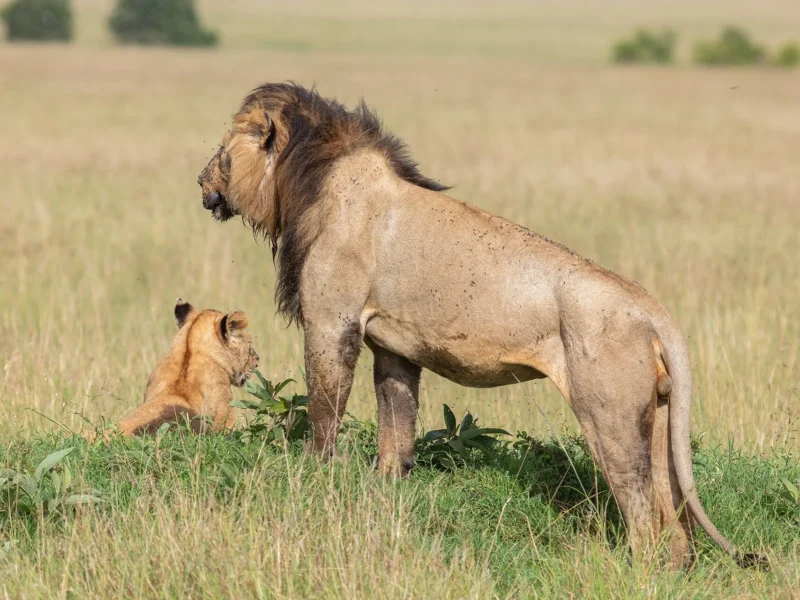
Wildlife is the most real risk inside the parks, and it is easily managed: stay in the vehicle unless your guide says otherwise, never walk alone at night in unfenced camps, and keep a respectful distance.
Cities and towns
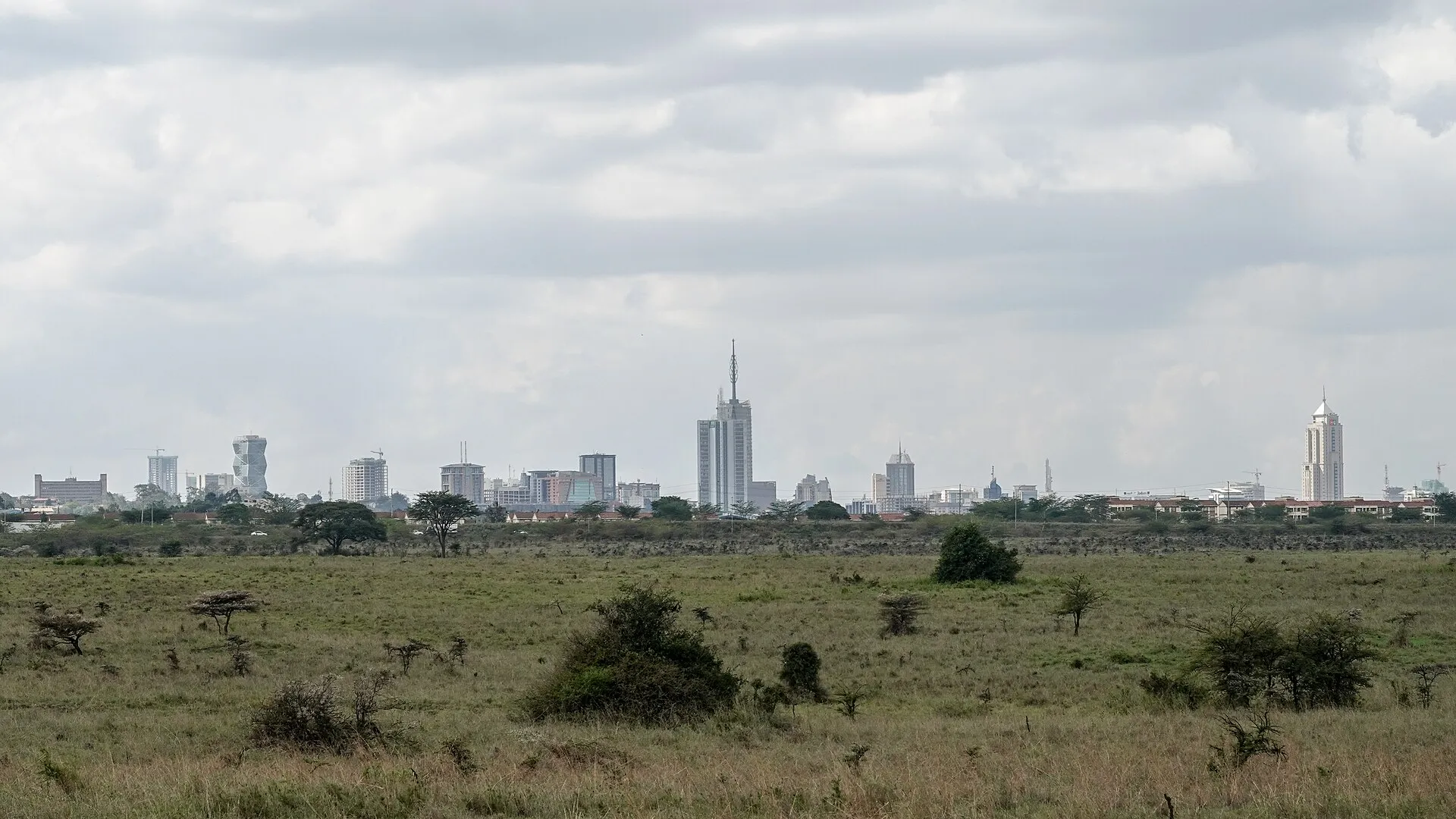
Nairobi is a large, busy city. Petty crime, such as bag snatching and phone theft, is the main concern. Avoid walking alone at night, keep valuables out of sight and travel by vehicle between hotels and restaurants. With a driver-guide, most travellers spend little time in the city other than an overnight and perhaps a visit to the Giraffe Centre or the elephant orphanage. Read Nairobi National Park.
Areas governments advise against
Government travel advice warns against travel to areas near Kenya’s border with Somalia in the far north-east and to some other specific areas. These are far from the main safari circuit. Always check your own government’s latest advice before you book and travel, and make sure your travel insurance is valid for your itinerary.

LGBTQ+ travellers
Same-sex sexual acts are illegal under Kenya’s penal code, and attitudes are generally conservative. Prosecutions of tourists are very rare, and many LGBTQ+ travellers visit Kenya without problems, but discretion is wise: avoid public displays of affection and check your government’s travel advice. Lodges and safari camps that host international guests are usually welcoming; ask us if you would like recommendations.
Road safety
Long road journeys carry the most everyday risk in East Africa. We use well-maintained 4×4 vehicles and experienced driver-guides, avoid driving at night and plan realistic driving times. Flying between parks, for example from Nairobi to the Mara, reduces road time.
Health
- Malaria: present in many safari areas and on the coast. Take preventive tablets as advised by a travel clinic, use repellent and sleep under nets where provided.
- Yellow fever: carry your certificate, especially if you are combining Kenya with Tanzania, Uganda or Rwanda.
- Water: drink bottled or filtered water.
- Sun and altitude: Nairobi and the Mara are high, so the sun is strong; bring a hat and sunscreen.
Read malaria and health tips for East Africa.
Keep digital copies of your passport, eTA, insurance and yellow fever certificate in your email, in case anything is lost.
A simple safety checklist
- Keep your passport in the lodge safe and carry a copy.
- Use your driver-guide or a booked taxi in cities.
- Follow your guide’s instructions near wildlife at all times.
- Carry insurance details and emergency contacts on your phone.
Wildlife and camp safety
Many Mara and Amboseli camps are unfenced, so elephants, buffalo and hippos may walk past your tent at night. That is part of the magic, and it is safe if you follow a few rules: use the escort the camp provides after dark, keep your tent zipped, and never walk to the river or the edge of camp alone. On game drives, stay seated and keep arms inside the vehicle near elephants and big cats.
Kenya safety: quick answers
Is the Masai Mara safe?
Yes. It is one of Africa’s busiest safari areas, with experienced guides, ranger posts and camps staffed day and night. The main rules are about wildlife: follow your guide and the camp’s escort rules after dark.
Is Nairobi safe for tourists?
With precautions, yes. Use your driver or booked taxis rather than walking at night, keep phones out of sight in busy areas, and stay in well-reviewed hotels in areas such as Karen, Westlands or near the airport for short stopovers.
Is Diani Beach safe?
Diani is a popular, relaxed resort area. Use hotel-arranged transport, keep valuables in the safe and book activities through your hotel.
Do I need a yellow fever certificate for Kenya?
Vaccination is recommended, and you may be asked for a certificate if you arrive from a country with yellow fever risk. Read Kenya visa and entry requirements.
How we keep you safe
Every safari we plan is private, with your own vehicle and an experienced driver-guide who knows the roads and parks, and we stay in touch throughout your trip. See the Kenya guide, Kenya visa and entry requirements and best time to visit Kenya, then get safari pricing.
Frequently asked questions
Is Nairobi safe for tourists?
With sensible precautions. Avoid walking alone at night, keep valuables out of sight and travel with your driver or a trusted taxi.
Is the Masai Mara safe?
Yes. It is one of Africa’s most visited reserves, and camps have their own staff and security. Always follow your guide’s instructions around wildlife.
Is the Kenyan coast safe?
Diani and the south coast are popular and generally safe; check current advice for specific areas further north.
Do I need malaria tablets for Kenya?
Most travellers to safari areas and the coast are advised to take them. Ask a travel clinic for advice suited to you.
Is it safe to drink tap water?
No. Drink bottled or filtered water, which lodges and your guide provide.
Is Kenya safe for Americans?
Yes, Kenya welcomes large numbers of American visitors on safari each year. Check the US State Department's current advice for Kenya, which names the specific areas to avoid, before you book and travel.

Written by our Kampala-based planners and guides, who arrange these trips every season. Prices and rules are checked before every quote.