February is an excellent month for an East African safari. It falls in the short dry season, calving peaks on the southern Serengeti plains around Ndutu, gorilla and chimp trails in Uganda and Rwanda are relatively dry, Kenya’s parks are quiet with good big cat viewing, and Zanzibar is hot and sunny. Book early for Ndutu camps.
Key takeaways
- Peak wildebeest calving in the southern Serengeti and Ndutu.
- Dry, comfortable gorilla and chimp trekking in Uganda and Rwanda.
- Quiet parks in Kenya, with the lower Masai Mara fee (US$100) until June.
- Hot, sunny and calm on Zanzibar.
- Book Ndutu camps 6–9 months ahead.
Wondering where to go in Africa in February? February is a favourite month among guides and regular safari-goers. The short rains of November and December have turned the plains green, the skies are clear, and in Tanzania the Great Migration reaches one of its most dramatic phases.
Why February is so good
February sits in East Africa’s short dry season, between the short rains of late in the year and the long rains that usually begin in March. Across the region, that means warm, mostly dry days, lush scenery and excellent conditions for both game drives and forest treks. After the festive rush, lodges are quieter and availability is better, except in the calving areas of the Serengeti.
Tanzania: peak calving season
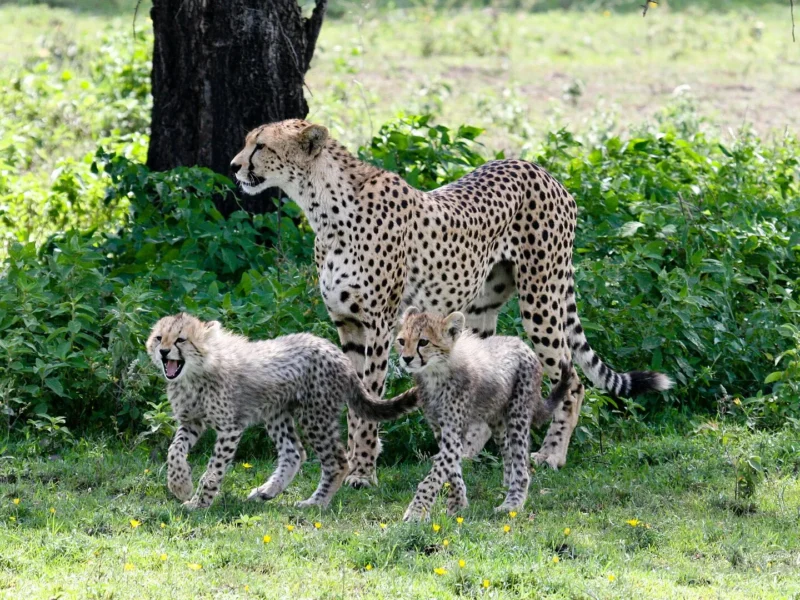
In February the wildebeest herds are concentrated on the mineral-rich short grass of the southern Serengeti and the Ndutu area. Most calves are born in a few weeks, often peaking in February, and predators follow: lions, cheetahs, spotted hyenas and jackals hunt among the herds. It is one of the best times of the year for predator action. Read calving season in the southern Serengeti and see our 6-day Serengeti calving safari.
Uganda and Rwanda: dry forest trails
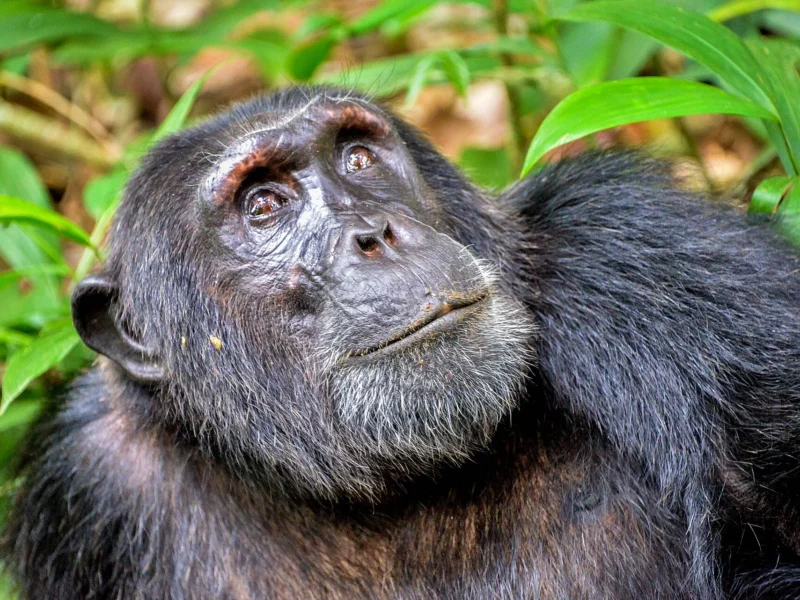
February is one of the driest months for gorilla trekking in Bwindi and Volcanoes National Park, and for chimpanzee tracking in Kibale. Trails are firmer, the forest is green, and the savannah parks of Queen Elizabeth and Murchison offer good game viewing with shorter grass than later in the year. Permits are at the standard rate (US$800 in Uganda, US$1,500 in Rwanda), so book early.
Kenya: quiet parks and big cats
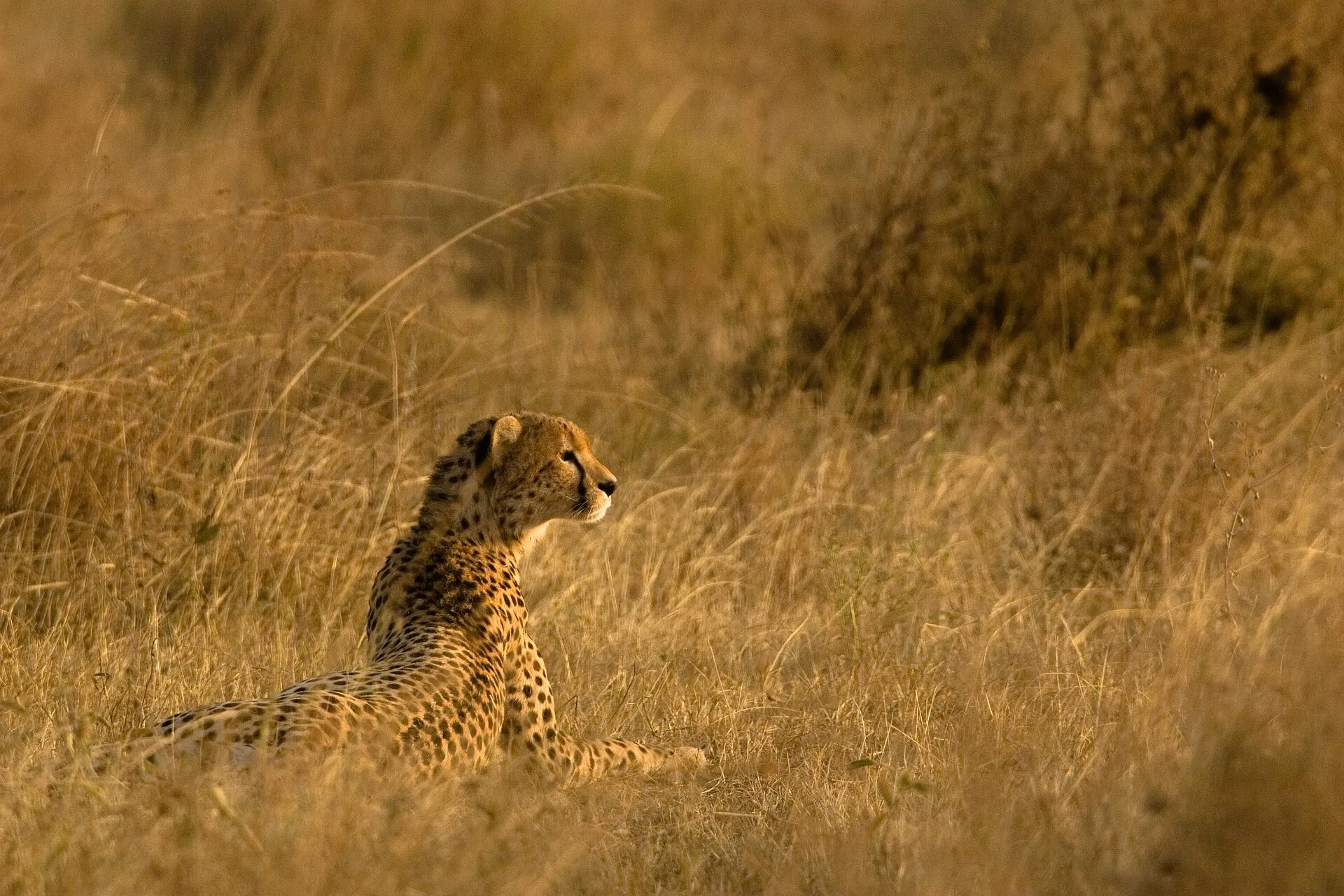
The migration herds are in Tanzania, but Kenya’s parks are excellent in February. The Masai Mara’s resident lions, cheetahs and leopards are easy to find, the reserve is quiet and the lower reserve fee (US$100 per adult per day, January to June) applies. Amboseli often has clear views of Kilimanjaro, and Samburu is hot and dry with animals concentrated along the river.
Zanzibar and the coast
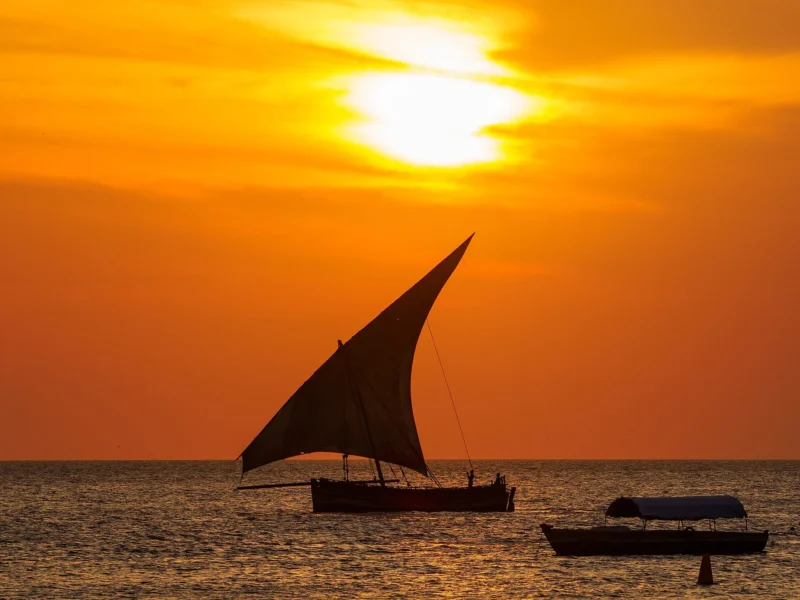
February is hot and humid on Zanzibar and the Kenyan coast, with long sunny days and calm, clear seas, ideal for snorkelling at Mnemba and diving. It is a perfect month to finish a safari on the beach.
Weather and what to pack
- Savannah: warm days (25–30°C), cool early mornings; light layers and a fleece.
- Gorilla and chimp forests: cooler and damp at altitude; waterproof boots, rain jacket and gloves.
- Coast: hot and humid; light clothing, sun protection and a hat.
Booking a February safari
Ndutu camps and gorilla permits are the first things to secure, ideally 6–9 months ahead. Elsewhere, availability is generally good. February is also a popular month for Kilimanjaro climbs, as it falls in one of the two main dry seasons.
A sample February journey
Trek gorillas and track chimps in Uganda on our 5-day gorillas and chimpanzees safari, then fly to Tanzania for three nights at Ndutu among the calving herds, and finish with four nights on Zanzibar. See our travel by month guide for other months.
February at a glance
| Country | Conditions | Highlight |
|---|---|---|
| Uganda | Dry, green | Gorillas, chimps, savannah parks |
| Rwanda | Dry | Gorillas, golden monkeys |
| Kenya | Dry, quiet | Big cats, Amboseli views |
| Tanzania | Short dry | Peak calving at Ndutu |
| Zanzibar | Hot, sunny | Beaches and diving |
Birding in February
Palearctic migrants from Europe and Asia are still present in February, so birding is excellent. Wetlands such as Mabamba and Lake Mburo are busy, and many resident species are in full colour.
Events and holidays
Zanzibar’s Sauti za Busara music festival is usually held in Stone Town in February, bringing artists from across Africa. If your dates overlap, book Stone Town accommodation early.
Frequently asked questions
Is February a good time for a safari?
Yes, one of the best: dry weather, green landscapes, calving in the Serengeti and good trekking conditions in Uganda and Rwanda.
Where is the Great Migration in February?
On the short-grass plains of the southern Serengeti and Ndutu, where most calves are born around this month.
Is February busy?
Busier in the calving areas, but generally quieter than January, July or August.
Is it a good month for gorilla trekking?
Yes. February is one of the driest months in Uganda and Rwanda, which makes trails easier.
What is the weather like on Zanzibar in February?
Hot and humid, with mostly sunny days and calm seas, ideal for the beach.
Is February good for a honeymoon?
Yes. Combine gorillas or the Serengeti with a beach on Zanzibar, which is hot and sunny in February.

Written by our Kampala-based planners and guides, who arrange these trips every season. Prices and rules are checked before every quote.