Popular 4 days4-Day Serengeti & Ngorongoro Safari
The essential Tanzania safari in four days: drive through the Ngorongoro highlands to the endless plains of the Serengeti, then finish with a day in the Ngorongoro Crater.

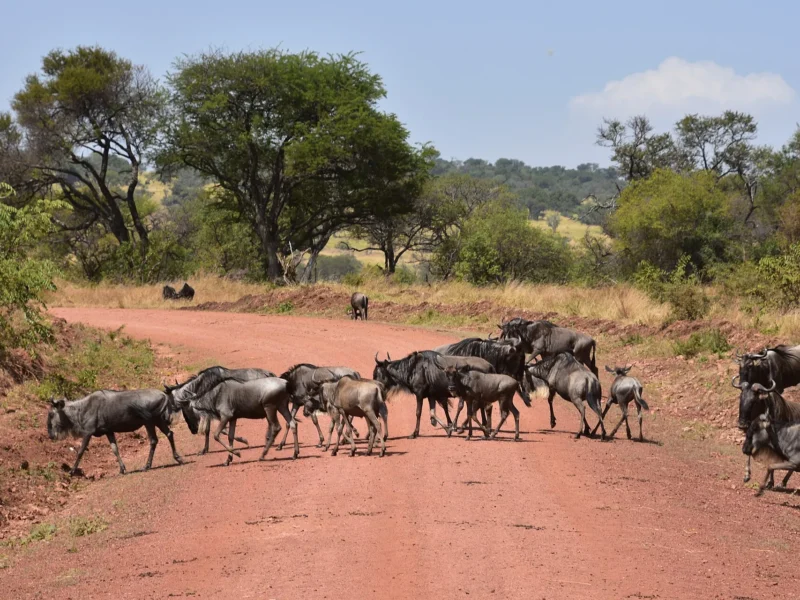
Witness the birth of the Great Migration: three nights at Ndutu in the southern Serengeti, where around half a million wildebeest calves are born each year between January and March.
Each year between January and March, the Great Migration gathers on the short-grass plains of the southern Serengeti and the Ngorongoro Conservation Area around Lake Ndutu. Here, around half a million wildebeest calves are born in a few weeks, and the predators of the plains follow. This six-day safari puts you in the heart of it, with three nights at a camp near Ndutu and a day in the Ngorongoro Crater.
Calving season is about life and death on a vast scale: endless herds, newborn calves wobbling to their feet and predators taking advantage. The plains are green after the short rains and dotted with flowers, and the light is superb for photography.
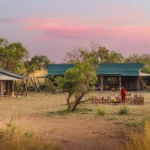
Three nights at a tented camp near Ndutu, close to the herds, with nights in Karatu or on the crater rim before and after.
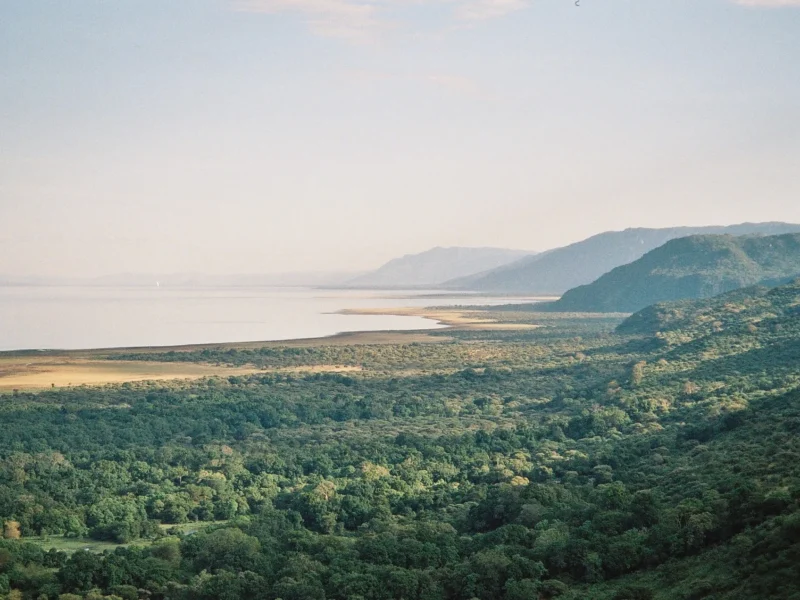
Your guide collects you from your Arusha hotel or Kilimanjaro International Airport and drives west past Maasai villages and the Rift Valley escarpment to Lake Manyara. Stop for a short game drive in Lake Manyara National Park, where baboons, blue monkeys and elephants live in the groundwater forest and flamingos gather on the soda lake, then climb the escarpment to Karatu. Spend the evening at your lodge among the coffee farms.
Drive through the Ngorongoro highlands, stopping at the crater rim viewpoint, then descend to the short-grass plains around Lake Ndutu, on the border of the Ngorongoro Conservation Area and the southern Serengeti. From January to March these plains are covered with the herds of the Great Migration. Spend the afternoon on your first game drive among them.
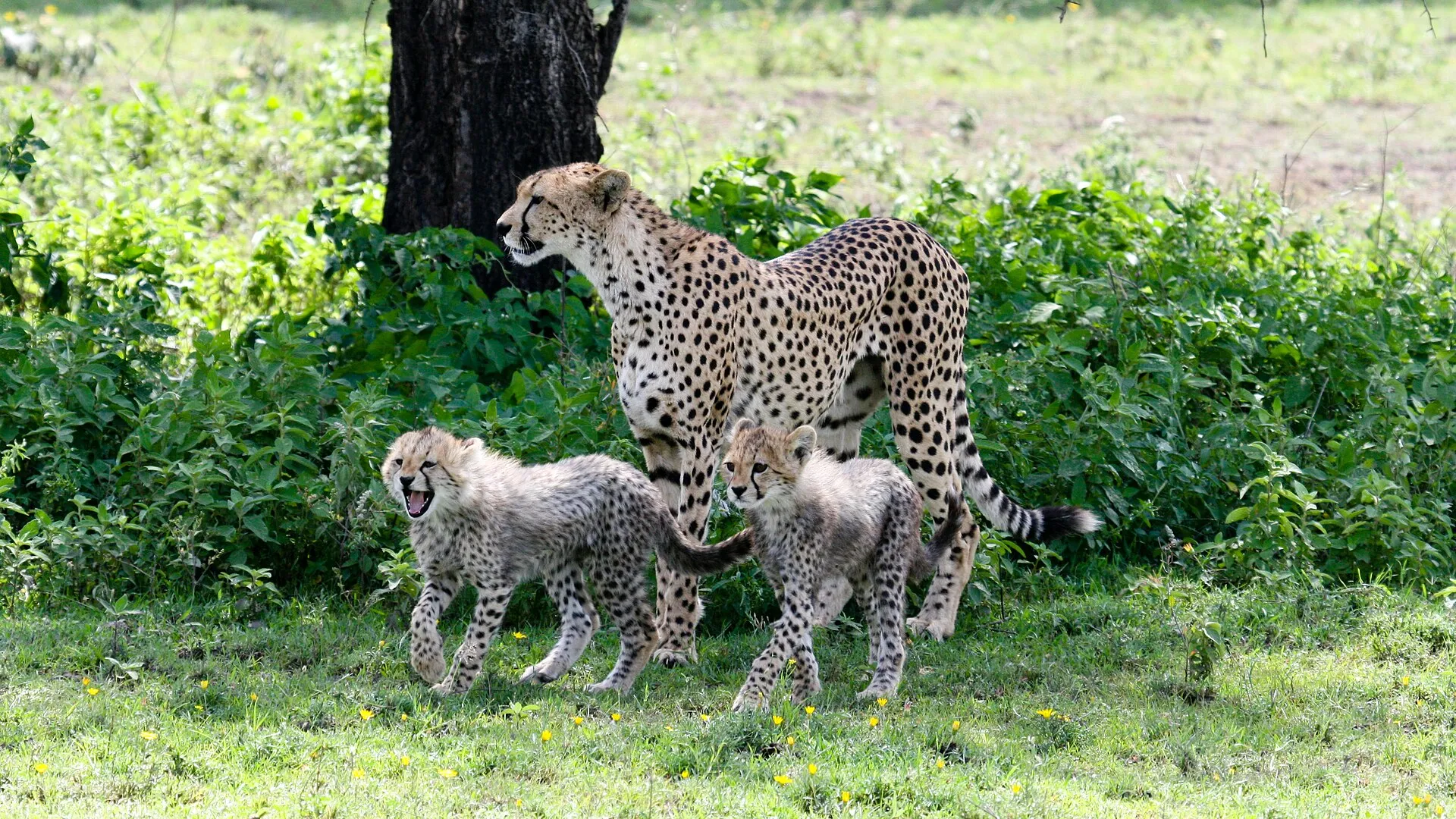
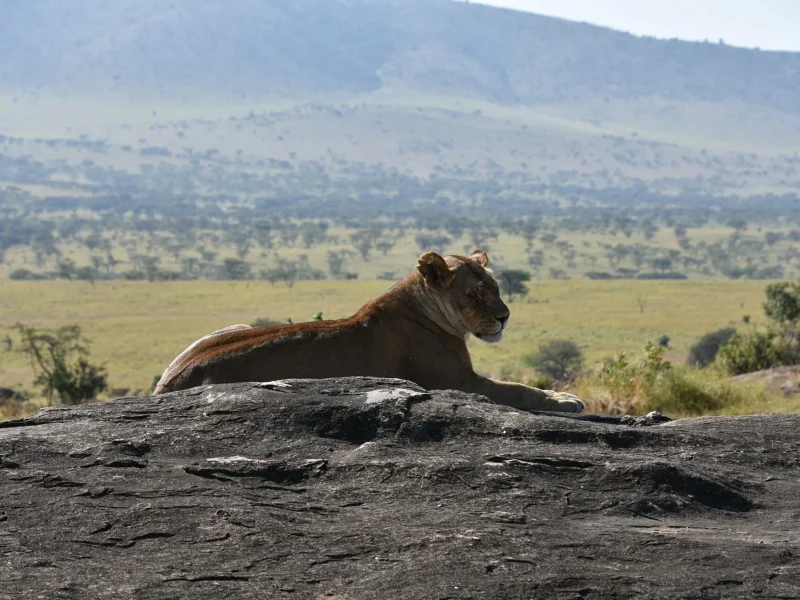
Spend a full day on the calving plains. The short grasses here are rich in minerals, and the wildebeest give birth to most of their calves within a few weeks, usually peaking in February. Newborns stand within minutes and can run with the herd soon after. The plains are also a stage for predators: lions, cheetahs, spotted hyenas and jackals all hunt the young, and you may watch a chase unfold across the open grass.
A second full day lets your guide follow the herds as they move with the rain, and explore the acacia woodland and marshes around Lakes Ndutu and Masek, home to resident lions, leopards and many birds. Off-road driving is allowed in parts of the Ndutu area, so you can reach sightings that would be out of range elsewhere.
Take a final morning drive among the herds, then drive back towards the highlands via Olduvai Gorge, where a museum explains the discoveries of early human ancestors made here. Arrive at your lodge on the crater rim or in Karatu in the afternoon.
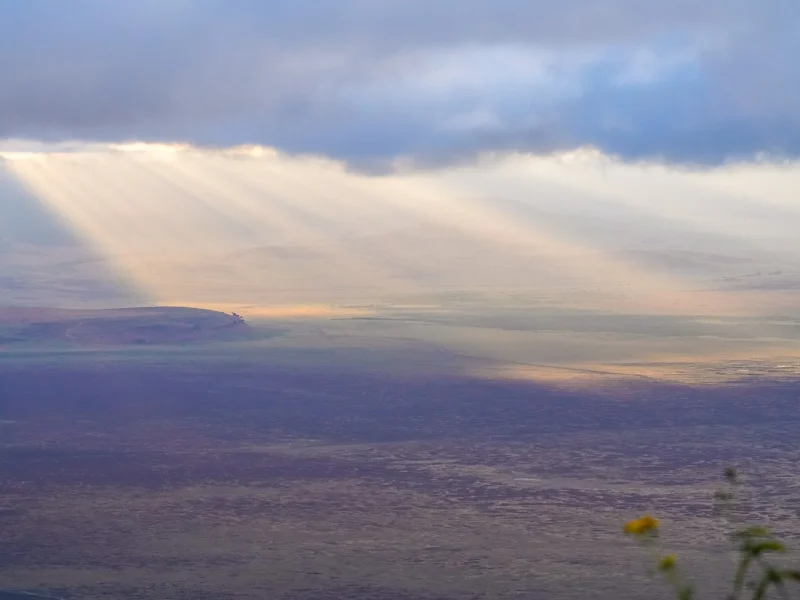
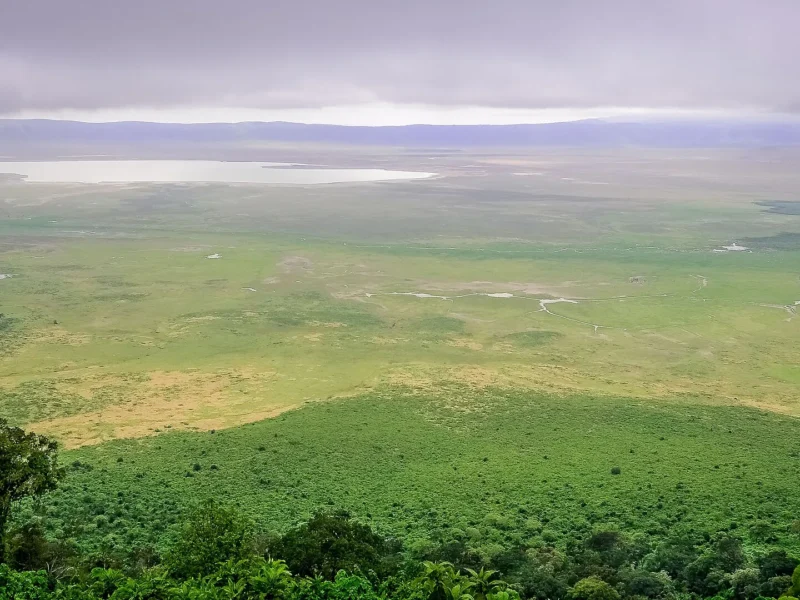
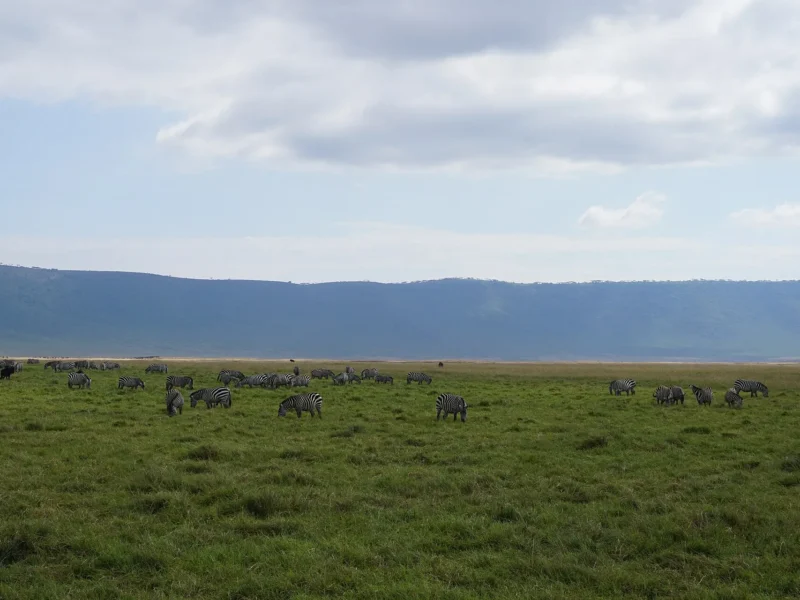
Descend into the Ngorongoro Crater as soon as the gates open, dropping 600 metres down the steep crater wall to the floor of the world’s largest intact volcanic caldera. In about six hours on the crater floor you can see lions and spotted hyenas, herds of zebra, wildebeest and buffalo, old elephant bulls with huge tusks and, with luck, one of the crater’s protected black rhinos. Stop for a picnic lunch by the Ngoitokitok hippo pool, then visit the soda lake, often pink with flamingos, before climbing back up to the rim in the afternoon. Then drive back to Arusha.
Lodges shown match the quoted price. Ask us about mid-range and luxury upgrades.


| Permit or fee | 2026 rate (foreign non-resident adult) |
|---|---|
| Ngorongoro Conservation Area fee | about US$71 per 24 hours, plus US$295 per vehicle for each crater descent |
| Serengeti National Park: park entry | about US$83 per 24 hours |
The fees that apply to this trip are included in your quote. Park authorities set them and can change them, so we always confirm the current rates when we quote.
For a full breakdown, see how much a Tanzania safari costs.
Every itinerary is private, so you choose the style of each stay. These are lodges we use at each stop, by comfort level:
In Tanzania, June to October is the long dry season, the classic time for the northern circuit and the river crossings in the north of the Serengeti. Calving around Ndutu peaks from roughly January to March, and April and May bring the long rains. See the best time to visit Tanzania.
Every trip can be adjusted to your dates, budget and pace. Ask for a free quote and a specialist will reply within 24 hours.


Usually from late January to March, with the peak around February, when most calves are born within two or three weeks.
Yes. The abundance of young animals attracts lions, cheetahs, hyenas and jackals, making it one of the best times of year for predator action.
January to March falls between the short and long rains; afternoon showers are possible, but most days are sunny and green.
Camps around Ndutu are closest to the calving plains, and off-road driving is allowed in parts of the area.
Yes. February is a lovely, dry month on Zanzibar.
Lions, cheetahs and spotted hyenas are the main hunters on the calving plains, with jackals and vultures close behind; cheetahs in particular are often seen in the open around Ndutu.
It is possible, especially in February when births peak, often in the early morning.
Popular 4 daysThe essential Tanzania safari in four days: drive through the Ngorongoro highlands to the endless plains of the Serengeti, then finish with a day in the Ngorongoro Crater.
Migration 7 daysMara River crossings without the crowds: four nights in the remote northern Serengeti between July and October, when the herds cross the river into and out of Kenya.
Signature 7 daysThe Northern Circuit at an unhurried pace: Tarangire, Lake Manyara, three nights in the Serengeti following the herds and a full day in the Ngorongoro Crater.
Change the dates, add a night, upgrade a lodge or combine it with Rwanda or Kenya. Tell us what you have in mind and we’ll send a revised plan and price.