Yes. Rwanda is one of the safest countries in Africa for travellers, Kigali is clean and orderly, and gorilla treks are well organised with armed rangers. The main point to watch is government travel advice for areas close to the border with the Democratic Republic of Congo, which has at times included parts of Rubavu (Gisenyi) and Rusizi districts. We check the latest advice and adjust routes when needed.
Key takeaways
- Rwanda is one of Africa’s safest countries for visitors.
- Kigali is clean, orderly and easy to explore.
- Treks are led by experienced rangers and trackers.
- Check current advice for areas near the Congo border.
- Health: malaria prevention and yellow fever certificate.
Rwanda has a well-earned reputation as one of the safest and most orderly countries in Africa. Most visitors are struck by Kigali’s clean streets, its calm atmosphere and how smoothly everything runs. Here is an honest look at safety.
Kigali and the cities
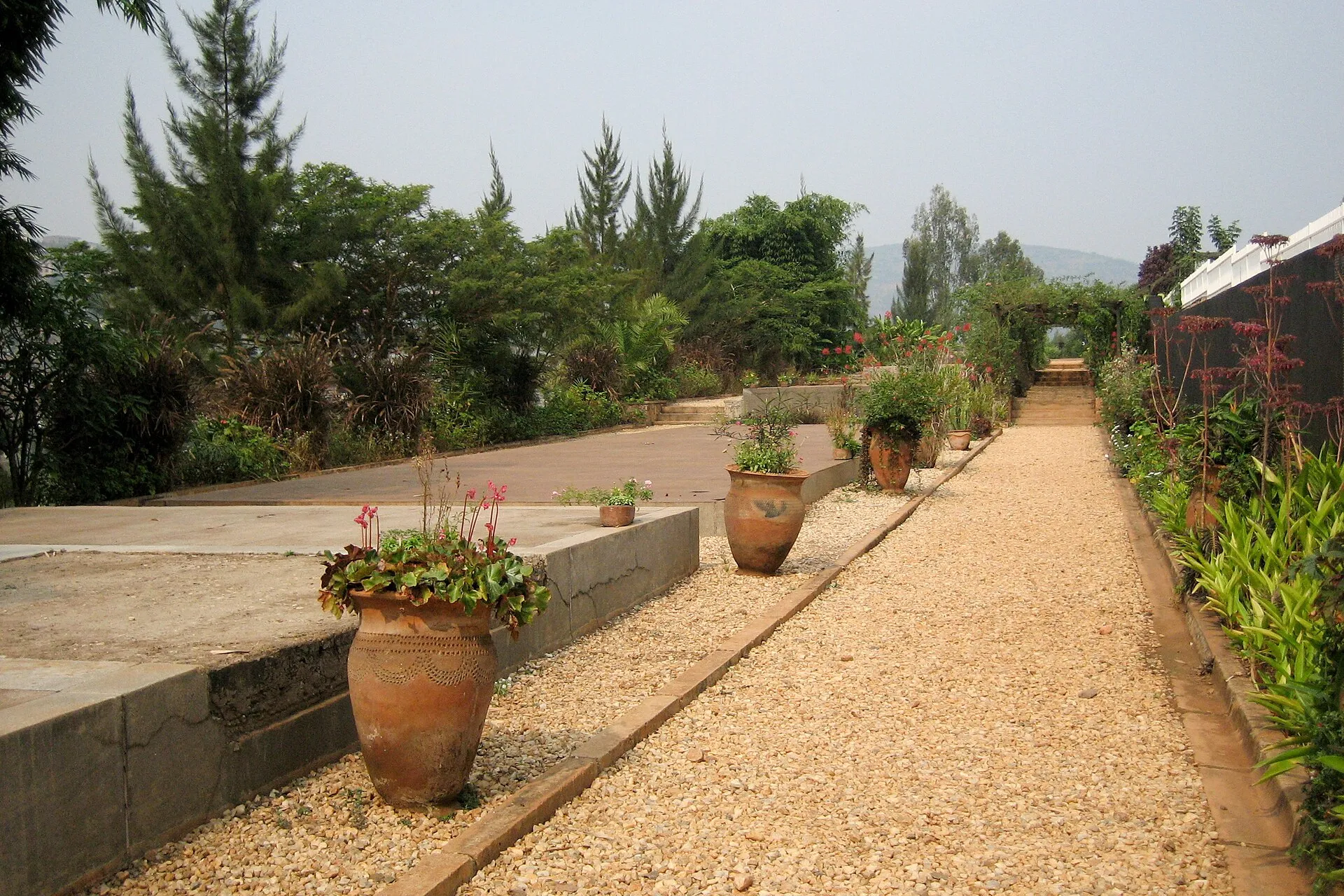
Kigali is safe to explore with normal precautions. Petty crime is low compared with many capitals, but keep valuables out of sight and use a driver or booked taxi at night. A visit to the Kigali Genocide Memorial helps you understand the country’s history and its remarkable recovery. Read Kigali Genocide Memorial and Kigali’s art and coffee scene.
Gorilla trekking and the parks
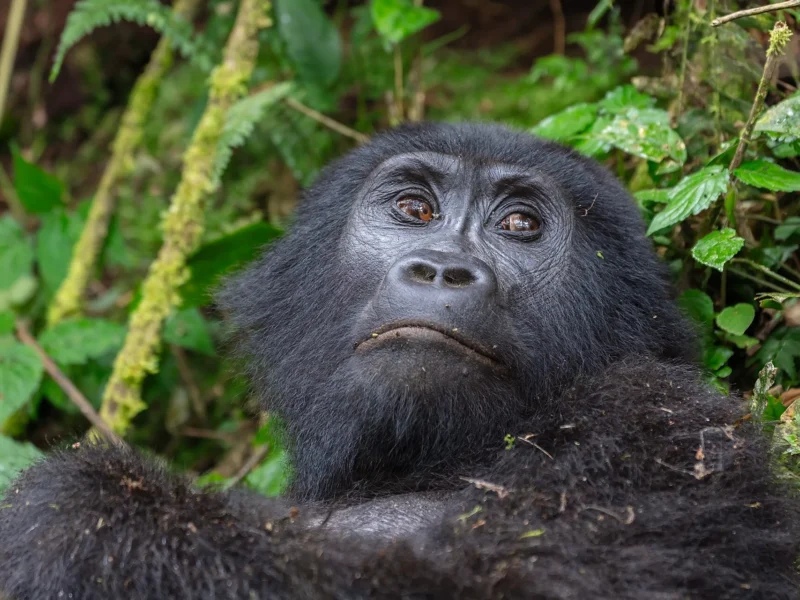
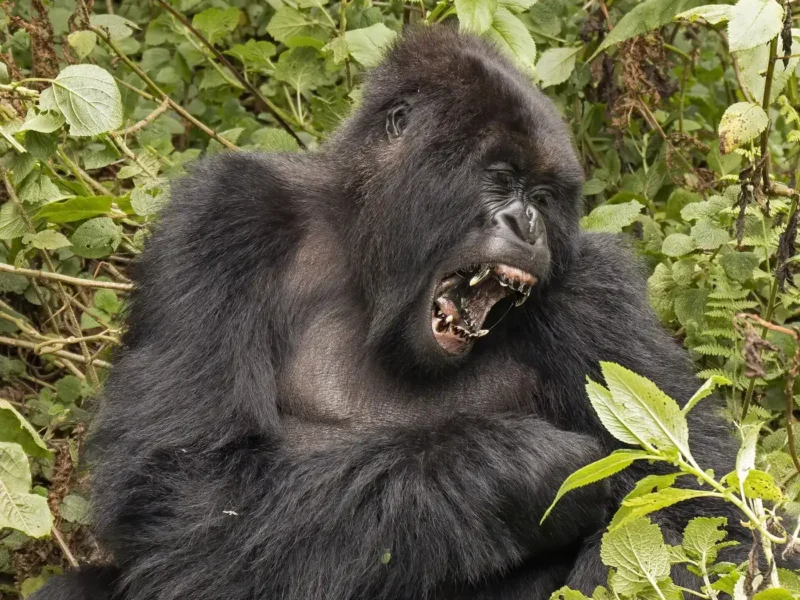
Treks in Volcanoes National Park are run by the Rwanda Development Board, with experienced guides, trackers and armed rangers. Groups are small, and strict rules protect both visitors and gorillas: keep about seven metres away, wear a mask if asked and stay with your guide. Nyungwe and Akagera are equally well managed.
Travel advice near the Congo border
Rwanda’s western border with the Democratic Republic of Congo runs close to Lake Kivu, Volcanoes National Park and Nyungwe. Because of conflict on the Congolese side, governments have at times advised against travel to some areas very close to the border, including parts of Rubavu District around Gisenyi and parts of Rusizi District. This advice changes. Before you book and before you travel:
- Check your own government’s current advice for Rwanda.
- Make sure your travel insurance covers every place on your itinerary.
- Ask us to adjust the route if needed; for example, Karongi (Kibuye) is an alternative Lake Kivu base further from the border.
Health
- Malaria: present in some areas, especially lower-lying ones; take advice from a travel clinic.
- Yellow fever: carry a certificate if arriving from a risk country such as Uganda or Kenya.
- Trekking fitness: gorilla treks can be steep and at altitude; porters are available and recommended.
- Water: drink bottled or filtered water.
Read malaria and health tips for East Africa and how fit do you need to be for gorilla trekking.
Local rules worth knowing
- Single-use plastic bags are banned.
- On the last Saturday morning of each month, Umuganda community work means quiet roads until about midday.
- Ask before photographing people, and never photograph military or government buildings.
Respect and etiquette
Rwandans are polite and reserved. Greet people before asking questions, dress modestly in towns and villages, and avoid casual conversations about ethnicity, which remain sensitive because of the country’s history.
If something goes wrong
Your driver-guide and our team are reachable throughout your trip. Rwanda has good hospitals in Kigali, and lodges can contact emergency services quickly. Make sure your insurance includes medical evacuation.
Keep digital copies of your passport, visa, yellow fever certificate and gorilla permits in your email.
Plan with confidence
Read the Rwanda guide, Rwanda visa and entry requirements and best time to visit Rwanda, then get safari pricing.
Frequently asked questions
Is Kigali safe at night?
Kigali is one of Africa’s safest capitals. Still take normal care with valuables and use a driver or booked taxi at night.
Is gorilla trekking in Rwanda safe?
Yes. Treks are led by experienced Rwanda Development Board guides, trackers and armed rangers, and follow strict rules around the gorillas.
Is Lake Kivu safe to visit?
Lake Kivu towns are popular, but government advice has at times covered areas near the Congo border, including around Gisenyi in Rubavu. We check current advice and can use Karongi (Kibuye) instead.
Do I need malaria tablets for Rwanda?
Malaria is present in some areas, especially at lower altitudes. Ask a travel clinic; many travellers take preventive tablets.
Are there rules I should know?
Plastic bags are banned, and on the last Saturday morning of each month the community work day, Umuganda, means quiet roads until about midday.

Written by our Kampala-based planners and guides, who arrange these trips every season. Prices and rules are checked before every quote.