
+256 709 780 625 WhatsApp
Dusk 2 Dawn Explorers Co. Limited Free quote in 24 hoursPlan my safari
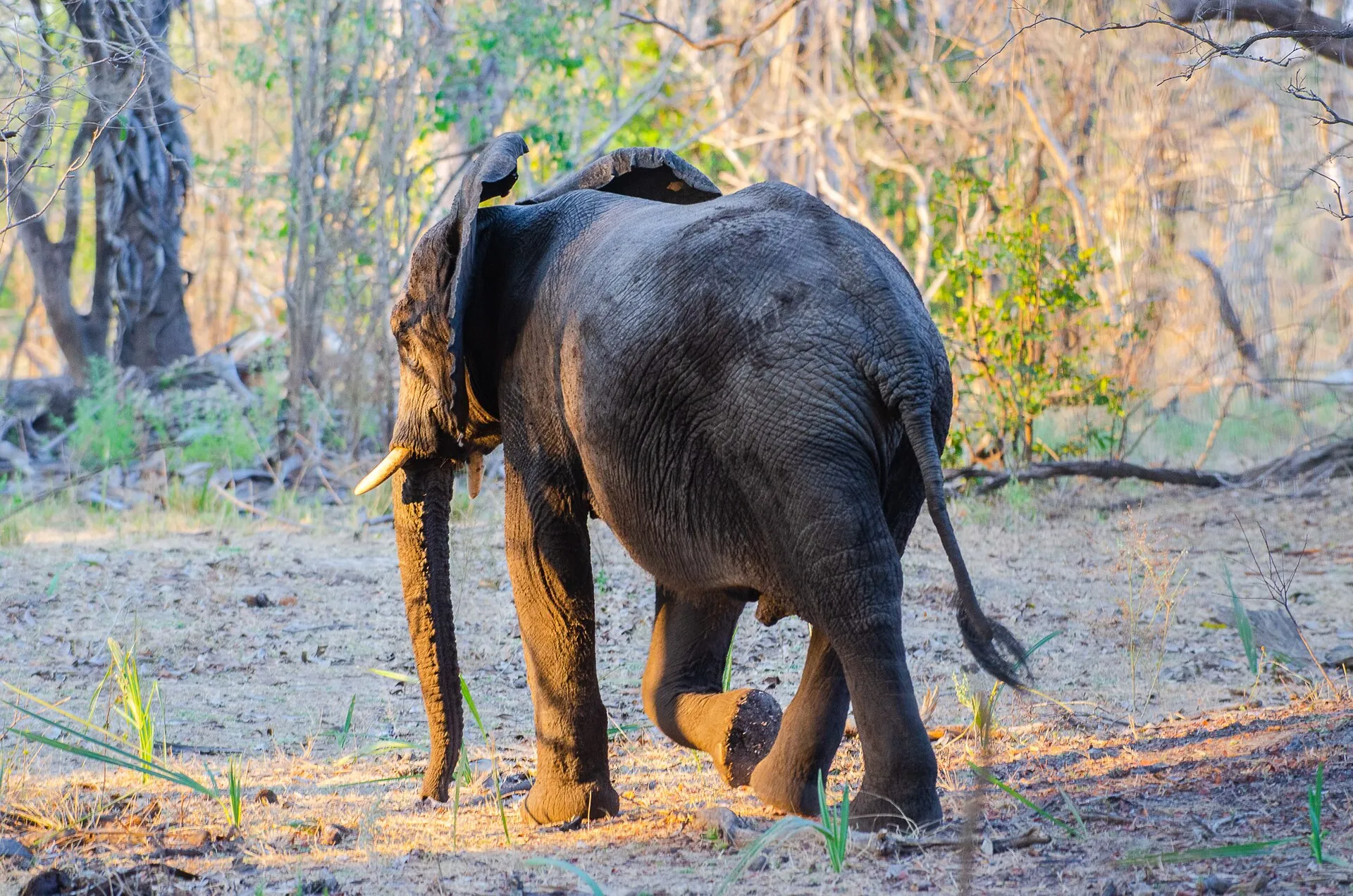
Elephant in Nyerere National Park, southern Tanzania
Tanzania · Southern wilderness

Nyerere National Park, the wild south

A vast southern wilderness of rivers, lakes and miombo woodland, where you can explore by boat, on foot and by vehicle, and see some of Africa’s most important wild dog packs.

AreaAbout 30,900 km²
Created2019, from the Selous
HighlightsBoat and walking safaris
From Dar es SalaamAbout 1 hour by air
Overview

Why Nyerere?

Quick answer

Nyerere National Park, created in 2019 from the northern part of the Selous Game Reserve, covers about 30,900 km² of southern Tanzania and is one of Africa’s largest national parks. The Rufiji River and its lakes make boat safaris a highlight, alongside walking safaris, game drives and some of the continent’s best wild dog sightings. Most visitors fly in from Dar es Salaam or Zanzibar in about an hour.

Nyerere National Park lies in southern Tanzania, far from the busy northern circuit. It was created in 2019 from the northern part of the vast Selous Game Reserve, a UNESCO World Heritage Site, and named after Tanzania’s first president, Julius Nyerere. Almost all of the area’s safari camps are in this northern section, along the Rufiji River and its chain of lakes.

The landscape is a mix of rivers, lakes, palm-fringed channels, grassland and miombo woodland. It feels wild and uncrowded, and it offers a rare variety of ways to explore.

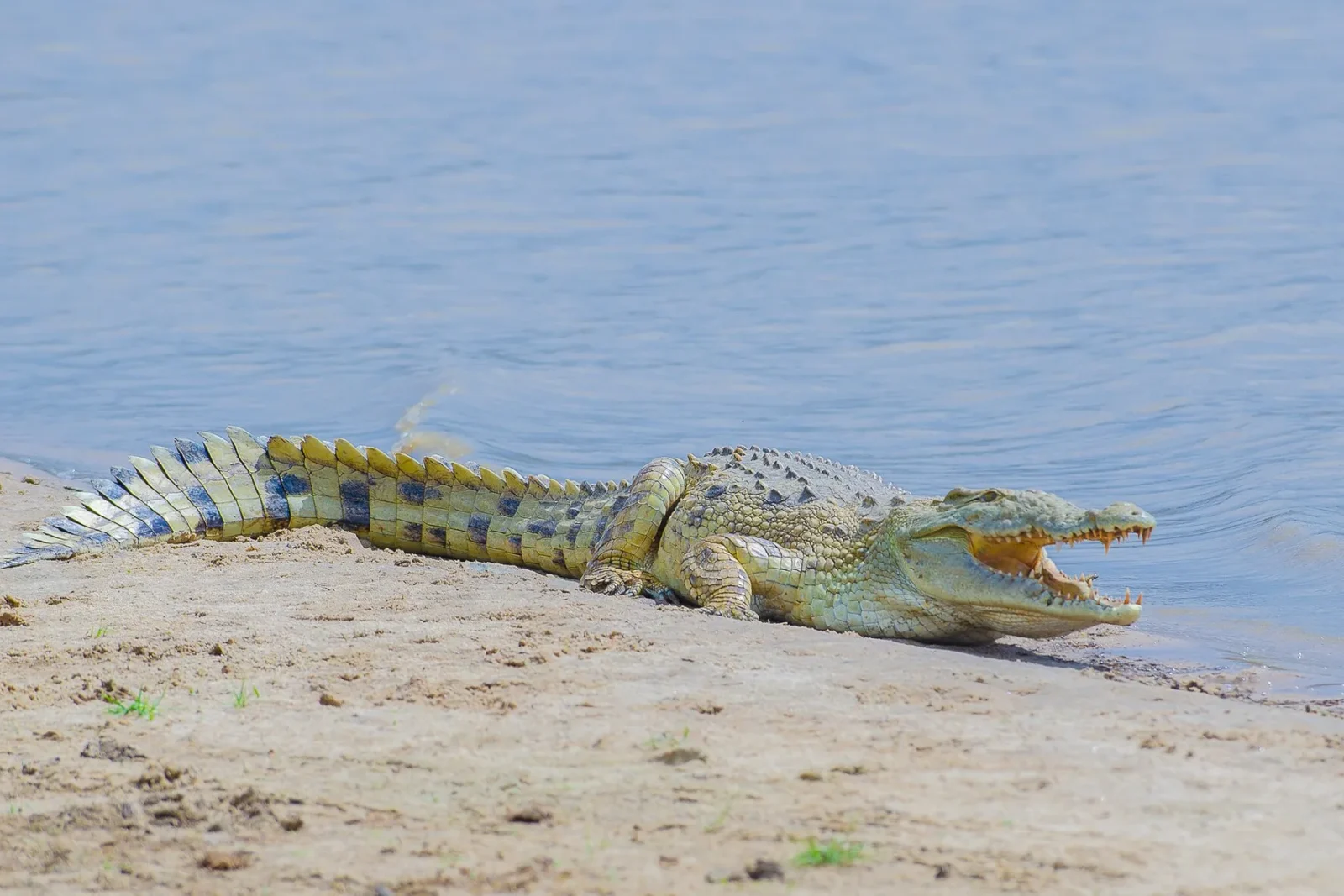
Nile crocodile on a sandbank in Nyerere National Park
Talk to a Nyerere National Park specialistWhatsApp +256 709 780 625

Boat safaris on the Rufiji

The Rufiji River and lakes such as Manze and Tagalala are the heart of Nyerere. Boat safaris glide past pods of hippos, large crocodiles, elephants drinking at the water’s edge and many birds, including fish eagles, kingfishers, storks and herons. Sunset on the river is unforgettable.
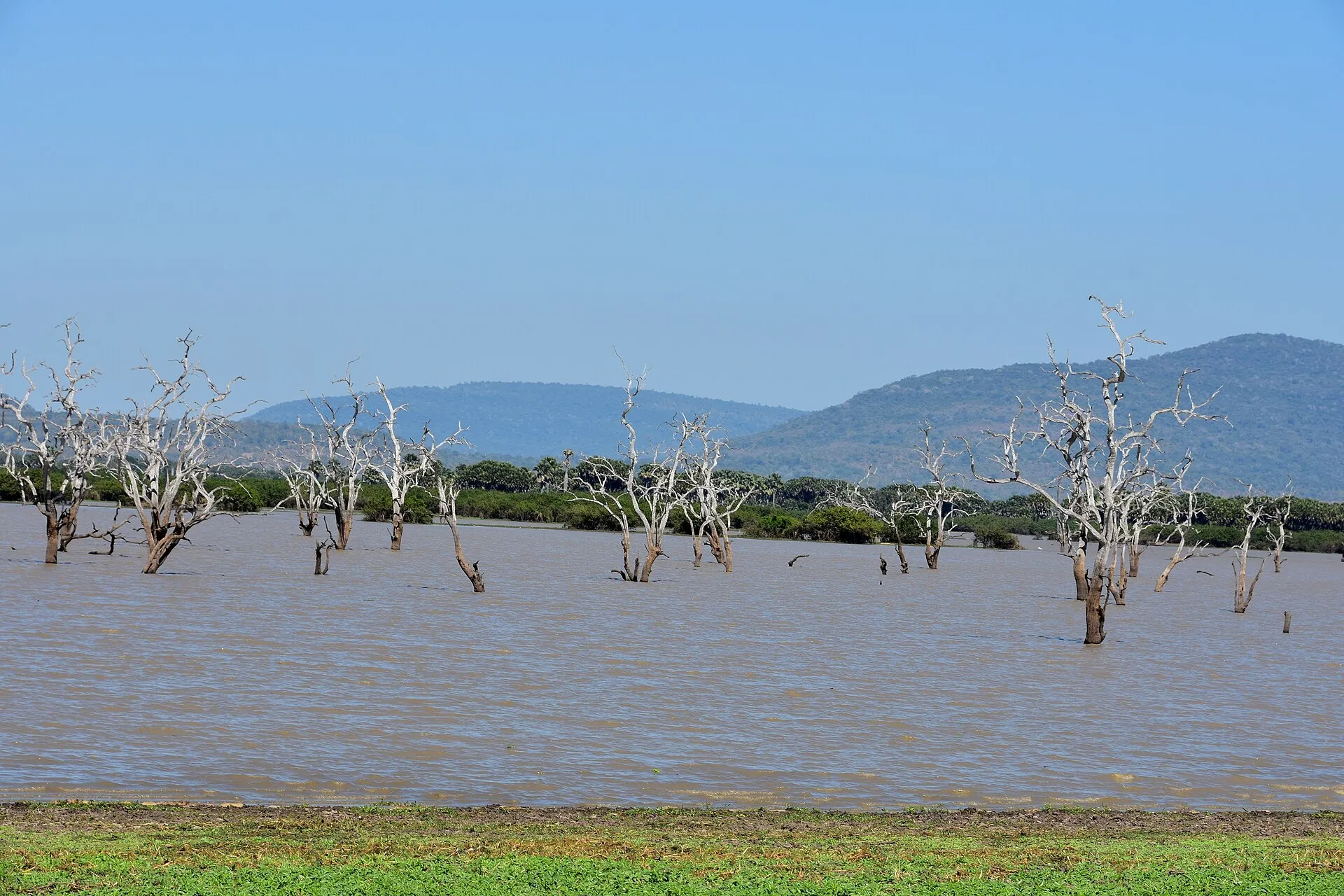
Dead trees stand in one of the lakes beside the Rufiji River
Dead trees stand in one of the lakes beside the Rufiji River. Photo: Richard Mortel from Riyadh, Saudi Arabia (CC BY 2.0)

Walking safaris

With an armed ranger and an experienced guide, walking safaris let you track animals on foot, learn about plants, tracks and smaller creatures, and experience the bush with all your senses. Read about walking safaris.

Wildlife

Nyerere is one of Africa’s most important strongholds for the African wild dog, and sightings of these endangered painted wolves are a highlight. Lions, leopards, elephants, buffalo, giraffes, zebras, wildebeest and many antelopes live here too, alongside one of the largest hippo populations in Africa. Read about the hippopotamus and Nile crocodiles.
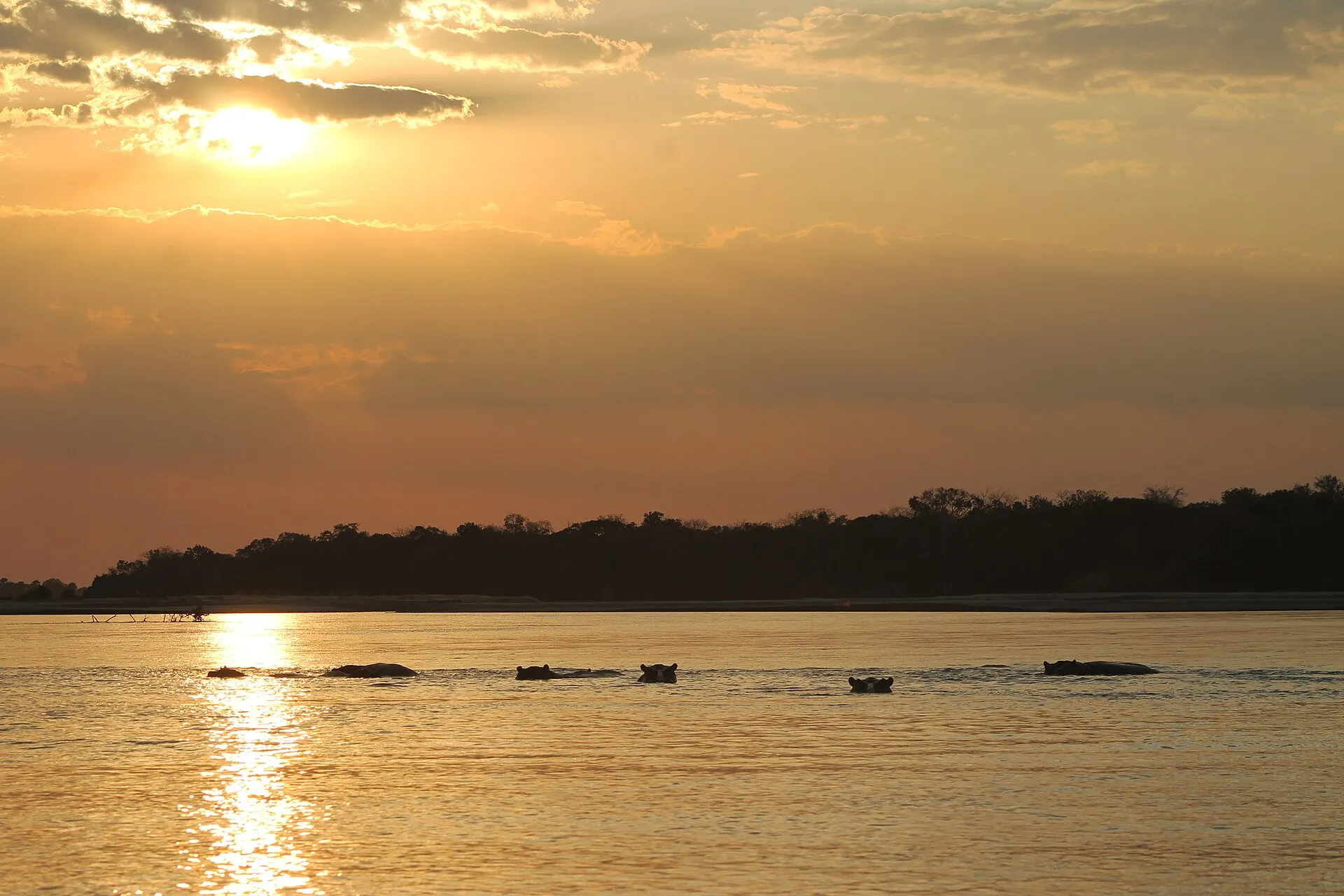
Hippos in the Rufiji at sunset
Hippos in the Rufiji at sunset. Photo: istolethetv (CC BY 2.0)

Things to do

  • Boat safaris on the Rufiji and its lakes.
  • Walking safaris with armed rangers.
  • Game drives for wild dogs, lions and elephants.
  • Fly-camping with some camps for a night under the stars.

A sample stay

Fly in from Dar es Salaam or Zanzibar and settle into a riverside camp. Spend your first afternoon on a game drive, your second morning on a walking safari and the afternoon on the river by boat, and use the third day to look for wild dogs or simply watch elephants on the riverbanks.
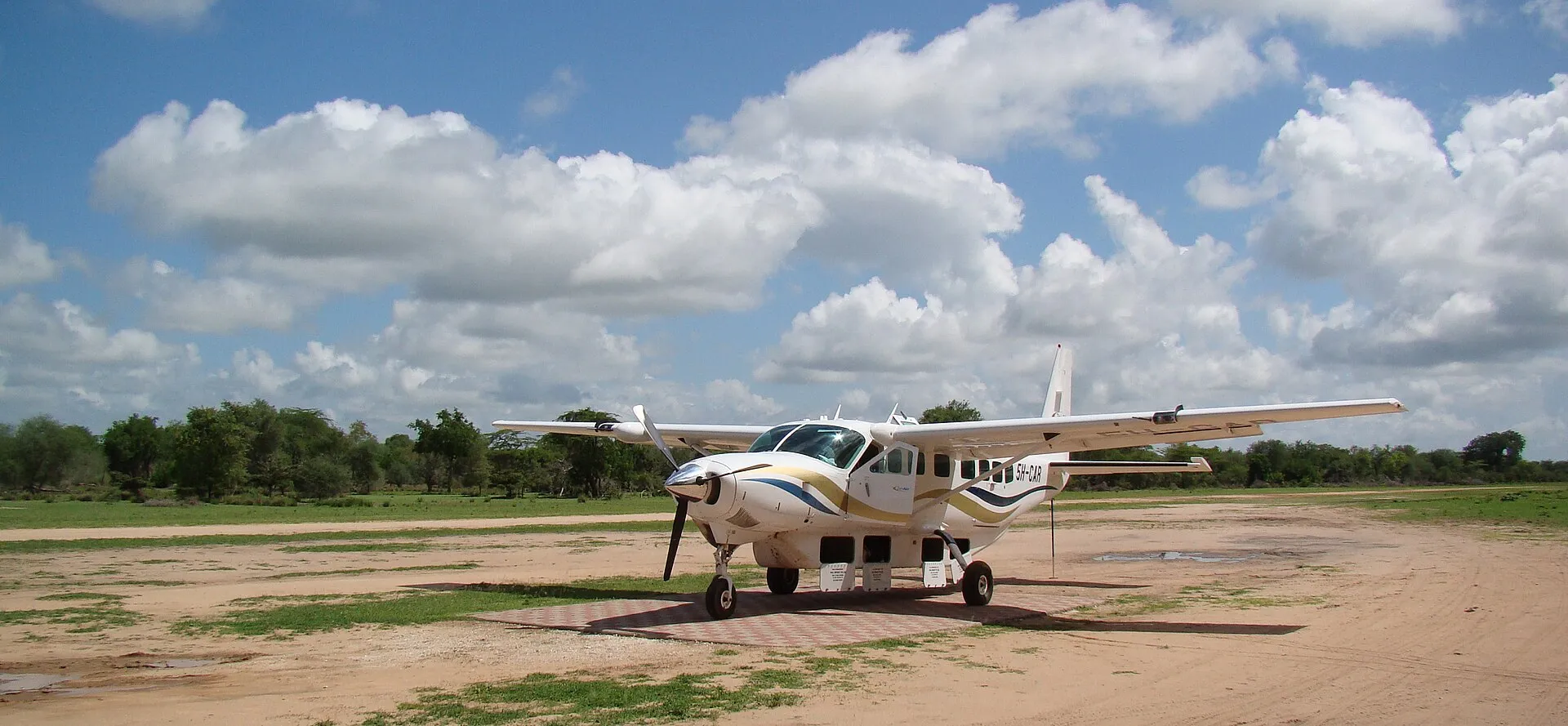
Most visitors fly in to one of the park's airstrips
Most visitors fly in to one of the park's airstrips. Photo: User:Digr (CC BY-SA 3.0)

What to expect

Nyerere is hot and low-lying, especially from October to March, so lightweight clothing, a hat and sunscreen are essential. Tsetse flies occur in wooded areas; neutral colours and repellent help. Camps are spread out and intimate, so the park feels remote, and you will often have sightings to yourself.

Combining Nyerere with your trip

Nyerere pairs beautifully with Zanzibar and with Ruaha, its southern neighbour. Read southern Tanzania’s wild parks and see the Ruaha National Park guide. Before you go, read how much a Tanzania safari costs and the best time to visit Tanzania.

Where to stay

Most camps stand along the Rufiji River and its lakes, ranging from intimate tented camps to comfortable lodges, many with decks over the water where elephants and hippos wander past. Because the park is so large, we choose your camp by the experiences you want most: boat trips, walking or wild dog country.

Practical tips

  • Light-aircraft luggage limits are usually around 15 kg in soft bags.
  • Walking safaris have a minimum age, often 16; ask us when planning with children.
  • Bring a long-lens camera for wild dogs and birds, and a dry bag for boat trips.
Practical information

Getting to and around Nyerere National Park

Full travel essentials
From Dar es SalaamAbout an hour by light aircraft to one of the park’s airstrips, or a long road journey of about six to seven hours.
From ZanzibarDaily light-aircraft flights take about an hour, ideal after a beach stay.
Combine withRuaha, Zanzibar, or a northern circuit safari via Arusha.
What to bringNeutral clothing, sun protection, binoculars and walking shoes for bush walks.
When to go

The best time to visit Nyerere National Park

The dry season, from about June to October, is the best time, when animals gather along the river and lakes and walking is easiest. January and February are also good. Many camps close during the long rains, from about April to May.

PeakGoodGreen / wet season
Journeys

Nyerere National Park itineraries

Use these as a starting point. Every trip is private and adjusted to your dates, budget and pace.

All holidays
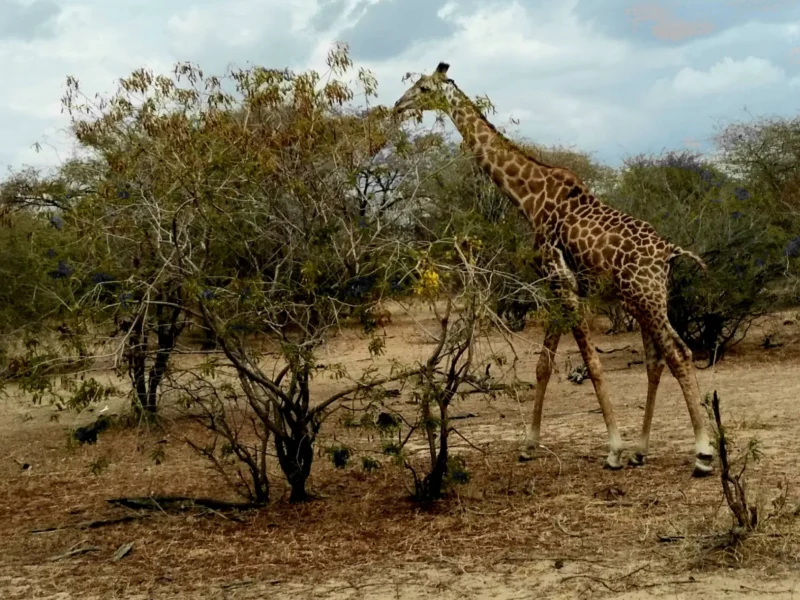
A giraffe browsing in the bush of Nyerere National Park, Tanzania Wildlife 7 days
Tanzania · Nyerere & Ruaha

7-Day Southern Tanzania Safari: Nyerere and Ruaha

Africa’s wild south: boat safaris on the Rufiji River and wild dogs in Nyerere, then the baobab hills, kudu and huge lion prides of Ruaha, linked by light aircraft and shared with very few other travellers.

  • Fly-in
  • Boat trip
  • Walking
  • Wild dogs
  • Remote
Tailor-madePrice on request
See the plan →
Good to know

Nyerere National Park safari questions

Is Nyerere the same as the Selous?

Nyerere National Park was created in 2019 from the northern, photographic-tourism part of the Selous Game Reserve, where almost all safari camps are located.

Can I do a boat safari in Nyerere?

Yes. Boat trips on the Rufiji River and its lakes are a highlight, with hippos, crocodiles, elephants and birds.

Is Nyerere good for wild dogs?

Yes. It holds one of the largest populations of African wild dogs, and sightings are good in the dry season.

How many nights should I spend?

Three nights allow game drives, a boat safari and a walk.

Can I combine Nyerere with Zanzibar?

Yes, it is one of the easiest safari and beach combinations, with short flights between them.

Tailor-made, from dusk to dawn

Plan your Nyerere National Park safari

Tell us your dates and interests and a specialist will send a tailor-made itinerary with a clear price within 24 hours.

Get my safari price WhatsApp a specialistNo booking fee · Reply within 24 hours