
+256 709 780 625 WhatsApp
Dusk 2 Dawn Explorers Co. Limited Free quote in 24 hoursPlan my safari
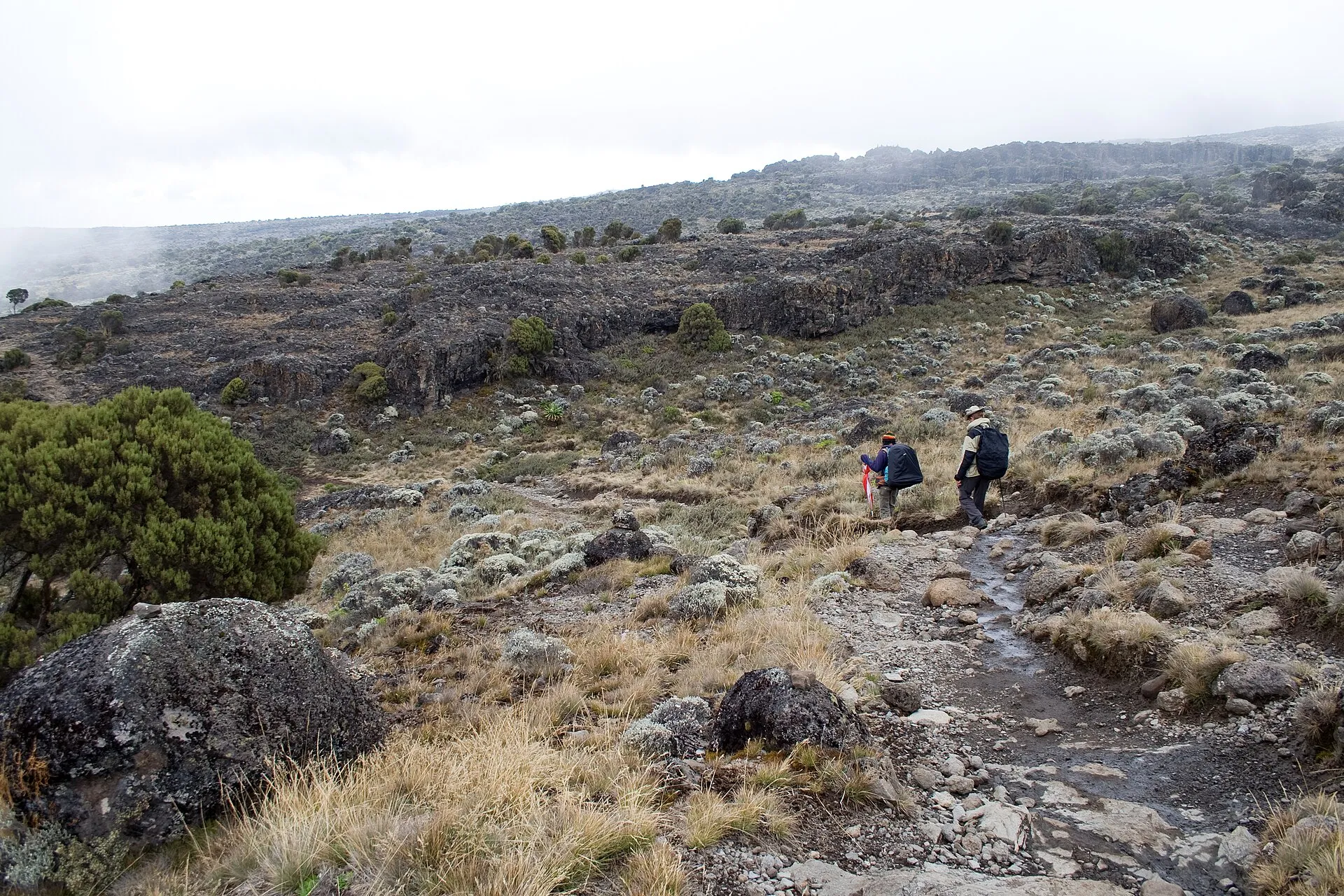
Trekkers crossing the Shira Plateau on Kilimanjaro
Tanzania · Kilimanjaro

8-Day Kilimanjaro Climb: Lemosho Route

The quiet western approach to Africa’s highest mountain: eight days from remote rainforest across the Shira Plateau and round the southern slopes, with the slow ascent that gives climbers the best chance of reaching Uhuru Peak.

Duration8 days / 7 nights
StartsMoshi or Arusha
EndsMoshi or Arusha
StyleGuided mountain climb
FromOn request
Overview

Your journey at a glance

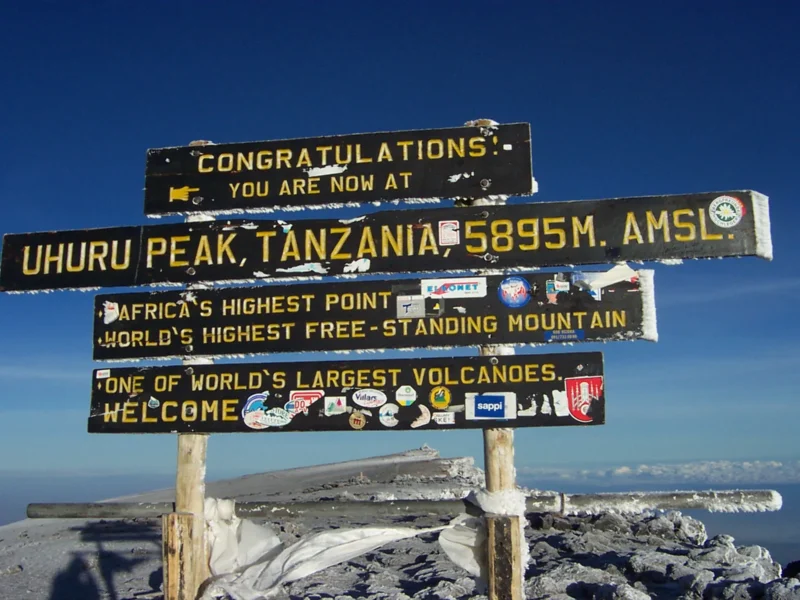
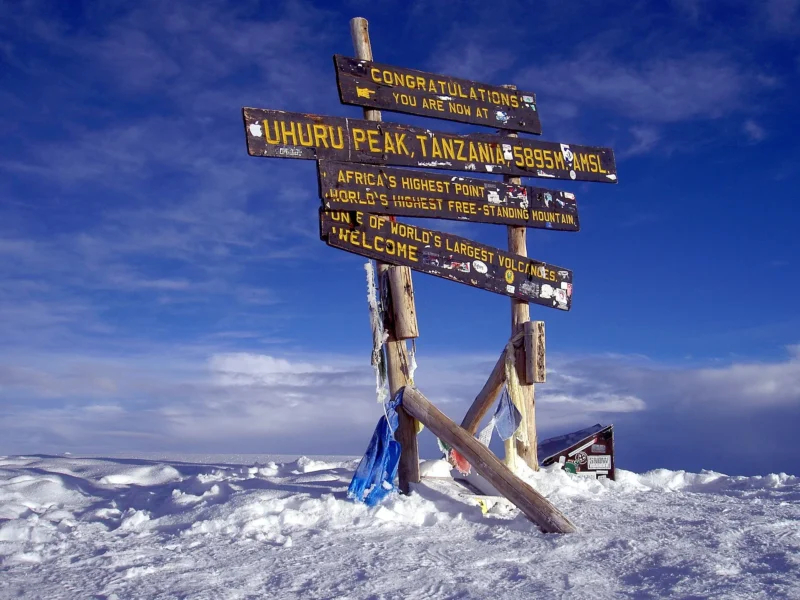
The Lemosho route is widely regarded as the most beautiful way up Kilimanjaro. It begins in the remote rainforest on the western side of the mountain, crosses the whole of the Shira Plateau and then follows the southern circuit under the glaciers to Barafu, before the final climb to Uhuru Peak at 5,895 metres.

Eight days on the mountain gives your body time to adapt to the altitude, which is the main reason climbers do not reach the top. It is the route we suggest to most first-time climbers who can spare the extra day.

Lemosho, Machame or Marangu?

Our Machame route climb is a day shorter and busier from the first day. The Marangu route sleeps in huts and is the most direct. Lemosho is quieter, more scenic and longer, which together give it the best balance of experience and success. Read climbing Kilimanjaro for a full comparison.

What to expect

Days are long but steady, with guides setting a slow pace (‘pole pole’). Porters carry the tents and equipment, and a cook prepares hot meals. Each morning and evening your guide checks your oxygen levels and pulse. The summit night is the hardest part: cold, steep and at extreme altitude, but sunrise over the crater rim makes it unforgettable.

Preparing for the climb

  • Train with long hikes and stairs for several months, carrying a light pack.
  • Break in your boots and bring warm layers, including a down jacket for summit night.
  • Drink plenty of water and tell your guide early about headaches or nausea.
  • See what to pack in layers and the Tanzania visa requirements.

Kit list

  • Waterproof, broken-in hiking boots and warm socks.
  • Thermal base layers, fleece, insulated down jacket, waterproof jacket and trousers.
  • Warm hat, sun hat, buff, insulated gloves and liner gloves.
  • Sleeping bag rated to about −15°C (available to hire in Moshi).
  • Headlamp with spare batteries, trekking poles and a 30–35 litre day pack.
  • At least 3 litres of water capacity, sunscreen, sunglasses and lip balm.

Tipping your crew

Tipping guides, cooks and porters is customary on Kilimanjaro and an important part of their income. We give you clear, fair guidelines before the climb, and tips are usually handed over at a small ceremony at the end.

Route

  1. Londorossi Gate
  2. Mti Mkubwa
  3. Shira 1
  4. Shira 2
  5. Lava Tower
  6. Barranco
  7. Karanga
  8. Barafu
  9. Uhuru Peak
  10. Mweka Gate

Highlights

  • Sunrise on Uhuru Peak (5,895 m)
  • Remote western rainforest and the Shira Plateau
  • Experienced mountain guides, porters and cook
Day by day

Detailed itinerary

  1. D1

    Day 1: Londorossi Gate – Mti Mkubwa (about 2,650 m)

    Lunch, dinner 3–4 hours walking

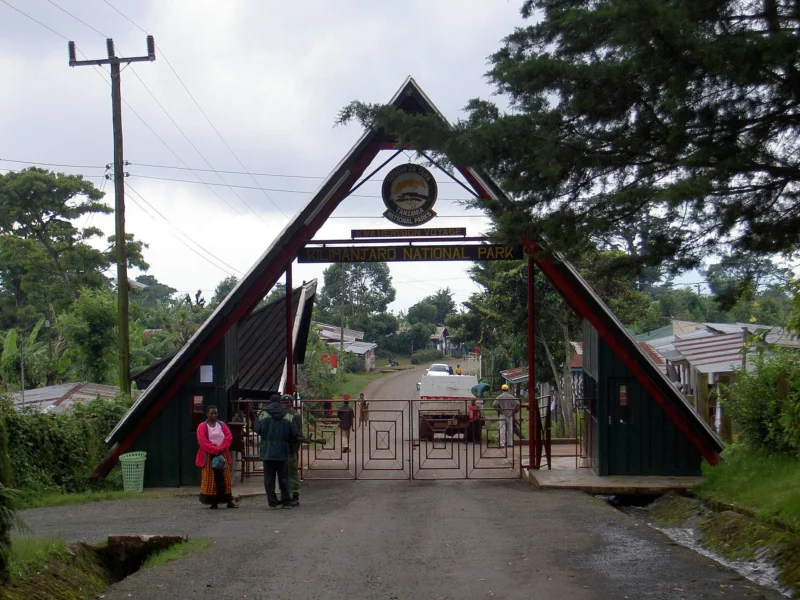
    Drive from Moshi or Arusha round the western side of the mountain to Londorossi Gate for registration, then continue to the Lemosho trailhead. The walk begins in thick, quiet rainforest, with colobus monkeys in the canopy and very few other climbers. Camp is in a clearing near a giant tree, which gives Mti Mkubwa (‘big tree’) its name.

    Overnight: Mti Mkubwa Camp
  2. D2

    Day 2: Mti Mkubwa – Shira 1 (about 3,500 m)

    Breakfast, lunch, dinner 5–6 hours walking

    Climb out of the forest into giant heather and moorland, cross the rim of the old Shira volcano and descend gently onto the plateau. On a clear afternoon, Kibo’s glaciers rise ahead for the first time.

    Overnight: Shira 1 Camp
  3. D3

    Day 3: Shira 1 – Shira 2 (about 3,850 m)

    Breakfast, lunch, dinner 4–5 hours walking

    An easier day across the Shira Plateau, one of the highest plateaus in the world, with wide views and wild flowers. The short distance helps your body adjust. In the afternoon, an optional walk higher up and back down again aids acclimatisation.

    Overnight: Shira 2 Camp
  4. D4

    Day 4: Shira 2 – Lava Tower (about 4,600 m) – Barranco (about 3,950 m)

    Breakfast, lunch, dinner 6–7 hours walking

    Climb steadily east to the 90-metre volcanic plug of Lava Tower, where you eat lunch at about 4,600 metres. Then descend into the Barranco Valley among giant groundsels. Climbing high and sleeping lower is the key to acclimatisation on this route.

    Overnight: Barranco Camp
  5. D5

    Day 5: Barranco Wall – Karanga (about 4,035 m)

    Breakfast, lunch, dinner 4–5 hours walking

    Start with the Barranco Wall, a steep scramble that looks daunting from below but needs no technical skills, only careful steps and occasional use of your hands. From the top, the trail rolls across ridges and valleys under the southern glaciers to Karanga Camp, with a relaxed afternoon to rest.

    Overnight: Karanga Camp
  6. D6

    Day 6: Karanga – Barafu (about 4,670 m)

    Breakfast, lunch, dinner 3–4 hours walking

    A short walk through alpine desert brings you to Barafu, the summit base camp on a rocky ridge. Eat an early dinner, prepare your summit gear with your guide and sleep until late evening.

    Overnight: Barafu Camp
  7. D7

    Day 7: Uhuru Peak (5,895 m) – Mweka Camp (about 3,100 m)

    Breakfast, lunch, dinner 12–15 hours walking

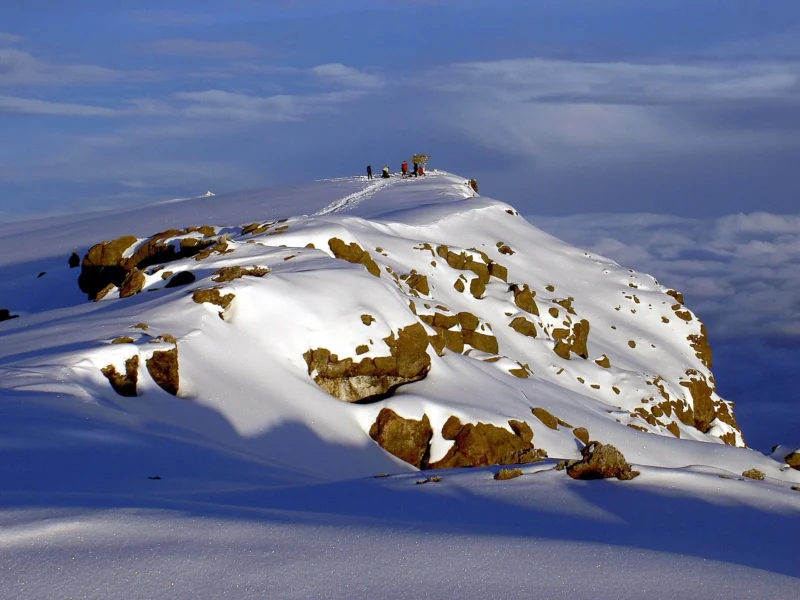
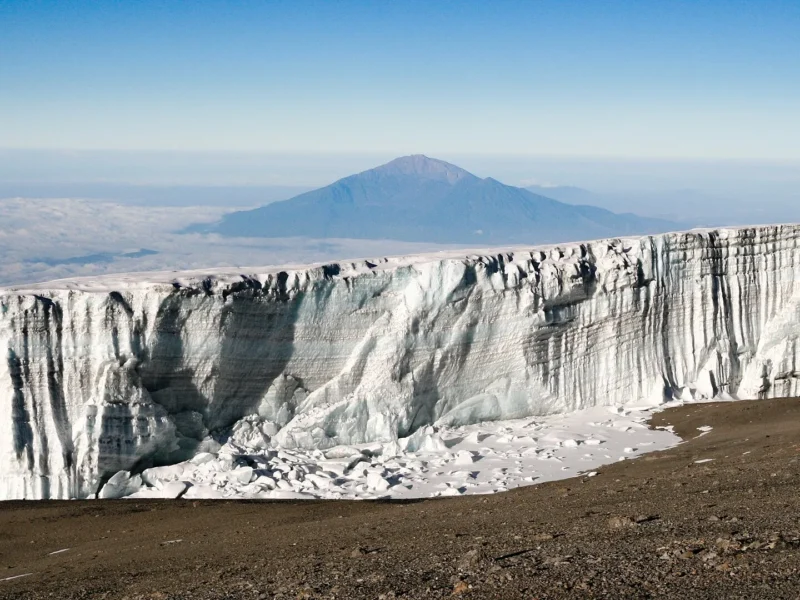
    Start around midnight and climb slowly by headlamp up the steep scree to Stella Point on the crater rim, usually reached around sunrise. From there, a gentler hour along the rim leads past the glaciers to Uhuru Peak, the highest point in Africa. After photos, descend to Barafu for a rest and a meal, then continue down to Mweka Camp in the forest.

    Overnight: Mweka Camp
  8. D8

    Day 8: Mweka Camp – Mweka Gate – Moshi

    Breakfast 3–4 hours walking

    Walk down through the rainforest to Mweka Gate, where you receive your summit certificate and say goodbye to your crew. Transfer back to your hotel in Moshi or Arusha for a long hot shower.

Where you’ll stay

Accommodation

Lodges shown match the quoted price. Ask us about mid-range and luxury upgrades.

Mountain camps (tents)Lemosho route
Nights 1–7
Price details

What’s included

Included

  • Transfers between your hotel and the trailheads
  • Kilimanjaro National Park fees, camping and rescue fees
  • Licensed mountain guides, porters and cook
  • Tents, sleeping mats and mess tent
  • All meals on the mountain and purified drinking water
  • Daily health checks with a pulse oximeter
  • Summit certificate

Not included

  • International flights
  • Visas and travel insurance
  • Hotel nights before and after the climb
  • Sleeping bag and personal gear (available to hire)
  • Tips for guides, porters and cook
  • Drinks, laundry and other personal expenses
Plan this trip

Permits and park fees on this trip

National park, camping and rescue fees for the climb are included in your quote, together with your guides, porters and cook. We confirm the current fees when we quote.

For a full breakdown, see how much a Tanzania safari costs.

Best time to do this trip

In Tanzania, June to October is the long dry season, the classic time for the northern circuit and the river crossings in the north of the Serengeti. Calving around Ndutu peaks from roughly January to March, and April and May bring the long rains. See the best time to visit Tanzania.

For the climb itself, the driest and most popular windows are January to early March and June to October.

What changes the price

  • Lodge style: budget, mid-range or luxury at each stop is the biggest choice after permits, and you can mix levels night by night. Read why you should mix budget, mid-range and luxury safari lodges.
  • Group size: the vehicle and guide cost is shared, so the price per person falls for two or more travellers.
  • Road or air: this route is planned by road; adding a flight saves time on long legs but costs more.
  • Season: lodges and some permits are cheaper in the green season.

Every trip can be adjusted to your dates, budget and pace. Ask for a free quote and a specialist will reply within 24 hours.

Good to know

Questions about this trip

Why choose Lemosho over Machame?

Lemosho starts on the remote western side, so the first days are much quieter, and the extra day on the Shira Plateau improves acclimatisation. From Lava Tower onwards, both routes share the same trail to the summit.

What is the success rate on the Lemosho route?

Eight days is one of the best itineraries for acclimatisation, and fit climbers who walk slowly and follow their guides’ advice have a high chance of success.

Do I need climbing experience?

No. Kilimanjaro is a trek, not a technical climb. You need good fitness, warm gear and patience at altitude.

When is the best time to climb?

January to early March and June to October are driest. April and May are the wettest months.

Can I add a safari or Zanzibar?

Yes. Many climbers rest for a night, then join a safari in Tarangire, the Ngorongoro Crater and the Serengeti, or fly to Zanzibar.

You may also like

More journeys

All holidays
Kibo’s glaciated summit seen from the top of the Barranco Wall on Kilimanjaro Adventure 7 days
Tanzania · Kilimanjaro

7-Day Kilimanjaro Climb: Machame Route

Africa’s highest summit on its most scenic route: seven days through rainforest and moorland, over the Barranco Wall and up to Uhuru Peak at 5,895 metres for sunrise above the clouds.

  • Trekking
  • Kilimanjaro
  • Adventure
Tailor-madePrice on request
See the plan →
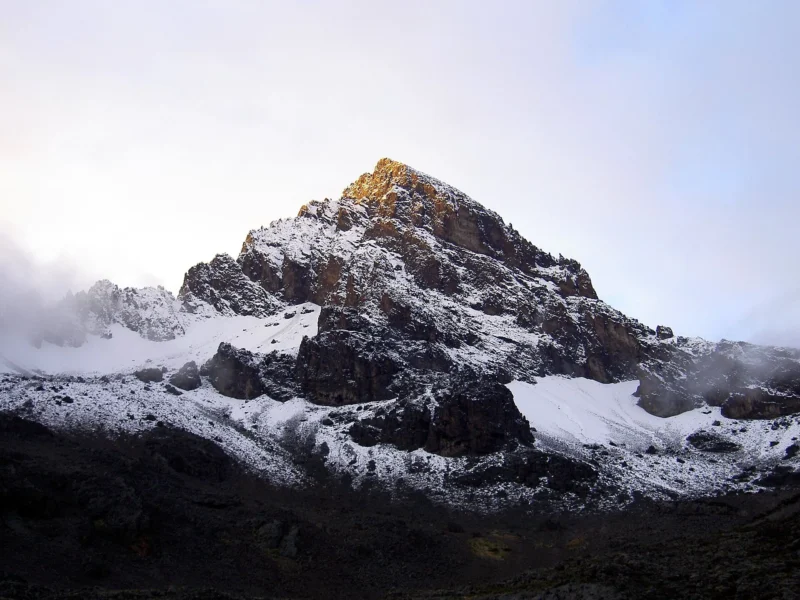
Mawenzi peak on Kilimanjaro dusted with snow Adventure 7 days
Tanzania · Kilimanjaro

7-Day Kilimanjaro Climb: Rongai Route

The only route from the north, close to the Kenyan border: quiet, drier trails, wide views over the plains and a night beneath the jagged spires of Mawenzi before the climb to Uhuru Peak.

  • Trekking
  • Kilimanjaro
  • Adventure
Tailor-madePrice on request
See the plan →
Snow-capped Kilimanjaro rising above the forested foothills Adventure 6 days
Tanzania · Kilimanjaro

6-Day Kilimanjaro Climb: Marangu Route

Kilimanjaro’s classic hut route: six days with a night in mountain huts each evening and an acclimatisation day, climbing to Gilman’s Point and Uhuru Peak at 5,895 metres.

  • Trekking
  • Kilimanjaro
  • Huts
Tailor-madePrice on request
See the plan →
Tailor-made, from dusk to dawn

Make this journey your own

Change the dates, add a night, upgrade a lodge or combine it with Rwanda or Kenya. Tell us what you have in mind and we’ll send a revised plan and price.

Get my safari price WhatsApp a specialistNo booking fee · Reply within 24 hours