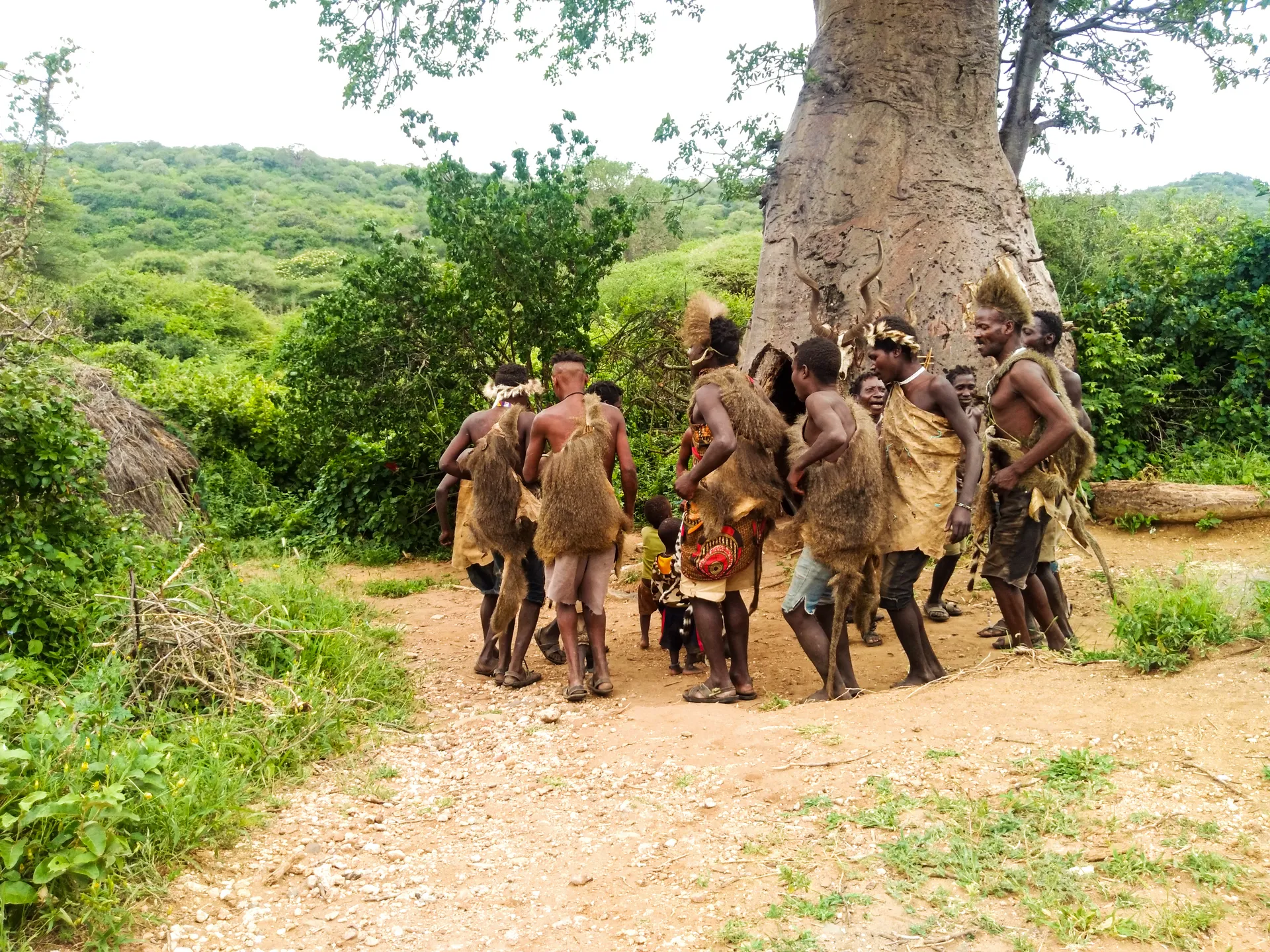
The Hadzabe (Hadza) live around Lake Eyasi in northern Tanzania, about two hours from Karatu. A community of around a thousand people, some still live largely by hunting and gathering. Visitors join them at dawn to hunt with bows and arrows, gather roots and berries, and see how they follow the honeyguide bird to wild bees’ nests. They speak Hadzane, a language with click sounds.
Key takeaways
- Among the last hunter-gatherers in Africa.
- Dawn hunts with bows and arrows.
- Honey gathering with the honeyguide bird.
- Hadzane, a language with clicks.
The Hadzabe have lived around Lake Eyasi for thousands of years. Their way of life has changed little compared with most peoples, though they face pressure from farming, grazing and tourism on their land.
A morning with the Hadzabe
Visits start very early, before sunrise. You meet the community at their camp, sit by the fire as they prepare arrows, and then walk into the bush with the hunters. They move quietly, tracking birds and small animals. Hunts may not succeed, but watching their skill is remarkable.
Honey and the honeyguide
The Hadzabe follow a small bird, the greater honeyguide, which leads them to wild bees’ nests. They smoke out the bees, take the honey, and leave a share for the bird. It is one of the few known partnerships between wild birds and people.
The Datoga
The Datoga, pastoralists and skilled blacksmiths, live nearby. Many visits include a Datoga homestead, where smiths make arrowheads and jewellery from scrap metal.
Visiting responsibly
- Choose visits organised with the community’s agreement, where fees go to them.
- Ask before photographing people.
- Do not give alcohol or sweets.
- Accept that a hunt may involve killing small animals.
When to go
Visits run year-round. Dawn is essential to see the hunt.
Good to know
- Stay near Lake Eyasi or in Karatu the night before.
- Wear sturdy shoes and neutral clothes.
- Bring water and sun protection.
- Combine with Olduvai Gorge and Ngorongoro.
Who it suits
The visit suits culturally curious travellers who are comfortable with early starts and the realities of hunting.
Lake Eyasi
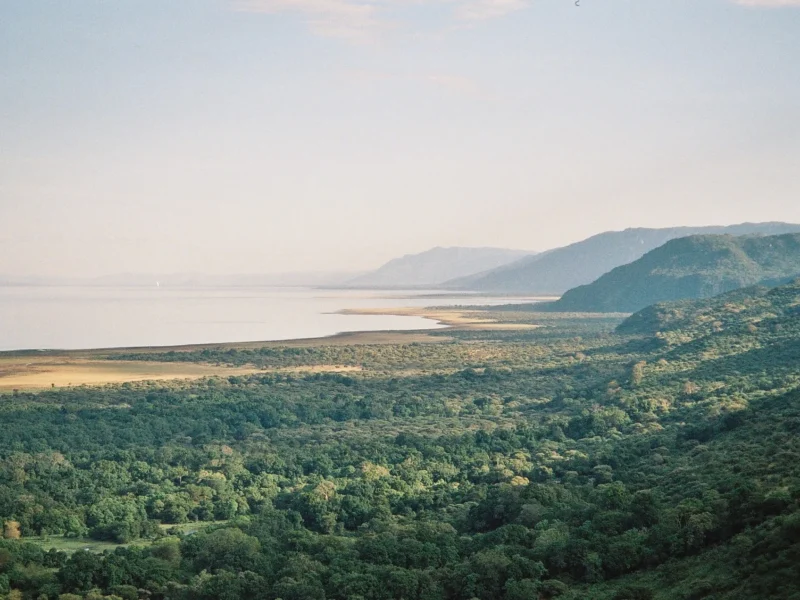
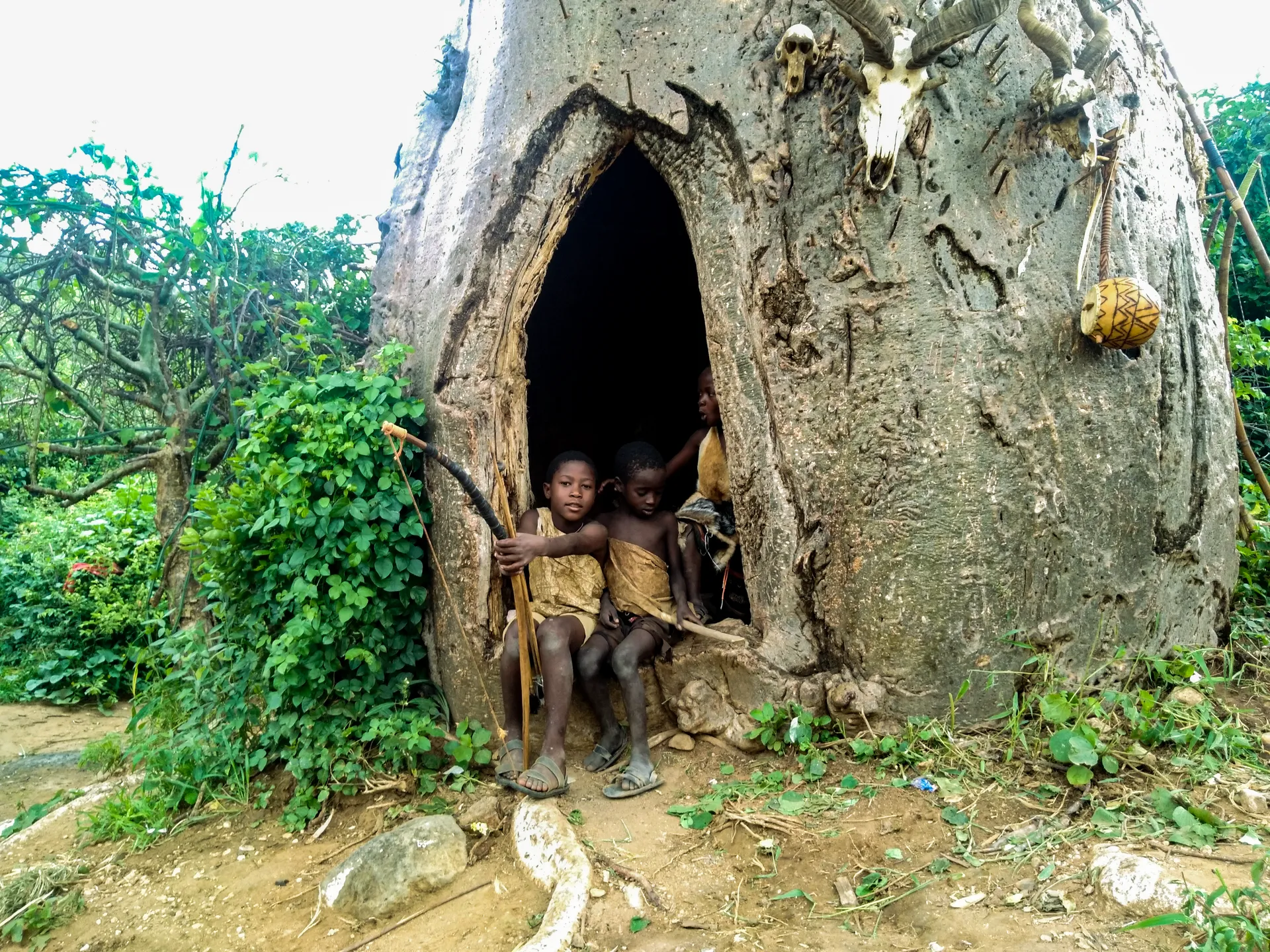
Lake Eyasi is a shallow soda lake below the Rift Valley escarpment, with flamingos and pelicans in some seasons. The surrounding countryside of onion farms and baobabs is beautiful.
Daily life
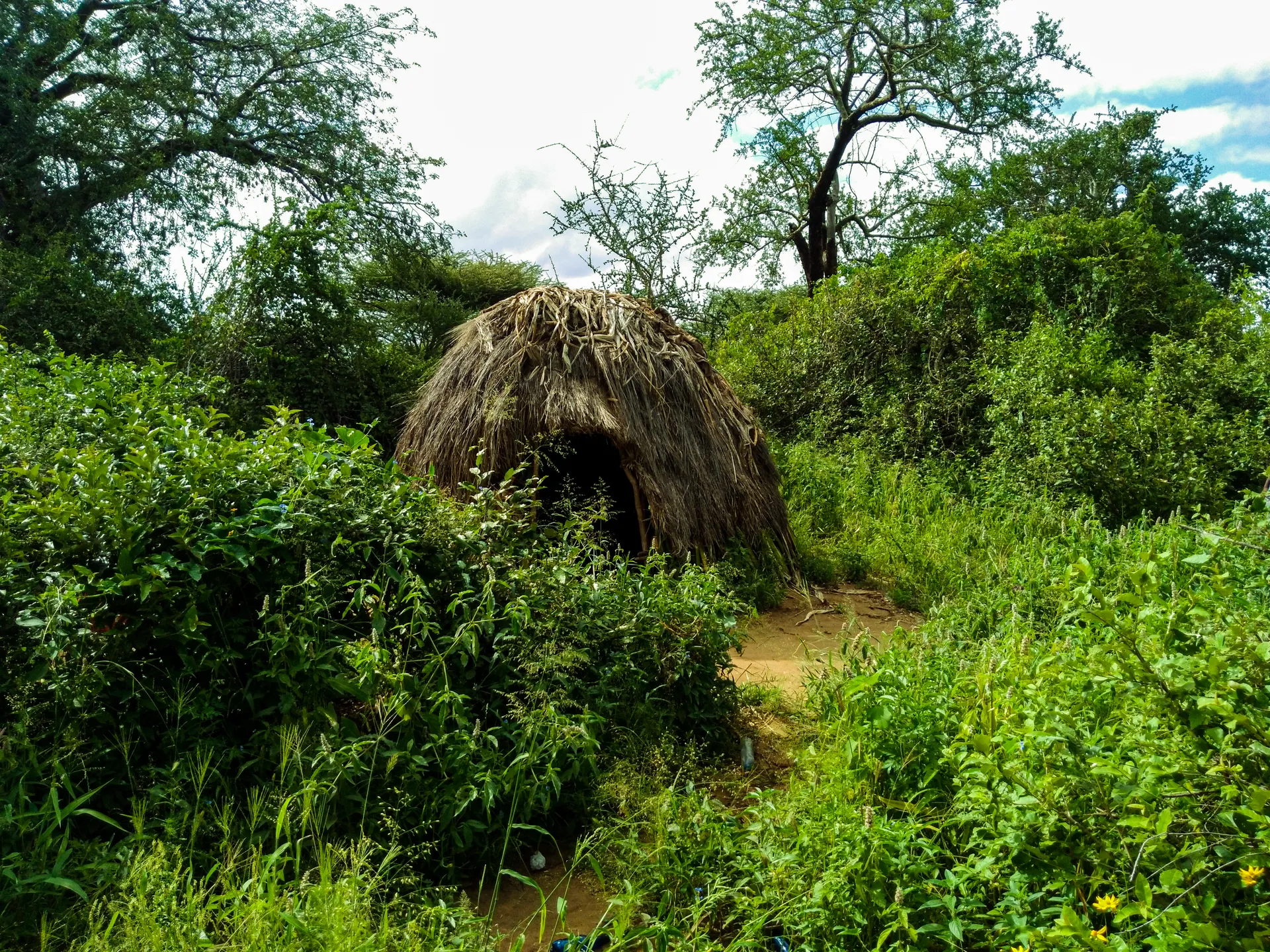
Hadzabe camps are small, often 20 to 30 people, and move several times a year. Men usually hunt with bows and arrows, some tipped with poison made from plants, while women gather tubers, berries and baobab fruit, often with children. Honey is a favourite food. Shelters are simple domes of branches and grass, built in a few hours. Decisions are made together, and food is widely shared.
Land and the future
The Hadzabe’s biggest challenge is losing land to farming, grazing and settlement. In the Yaeda Valley, Hadzabe communities have received legal rights to some of their land, and conservation projects pay them to protect the forest. Tourism also provides income, but it must be managed carefully so that it supports rather than disrupts their way of life.
What to bring
- Sturdy shoes and long trousers for walking through thorny bush.
- Neutral clothes and a hat.
- Water and snacks.
- A head torch for the pre-dawn start.
Getting there
Lake Eyasi lies south-west of Karatu, about two hours by road, partly on rough tracks. Most visitors stay at a lodge or tented camp near the lake the night before. The visit fits well between Ngorongoro and Tarangire or the Serengeti, and pairs naturally with a Datoga homestead and the onion farms around the lake.
What a visit costs
Visits are paid as a fee per person to the community, arranged through a local guide who speaks Swahili and often some Hadzane. Part of the fee usually goes to the camp you visit and part to community projects. Your guide also helps manage expectations: the Hadzabe are not performers, and the morning follows their routine rather than a fixed programme.
Combine it with
A Hadzabe morning pairs naturally with a Datoga blacksmith visit, a walk along the Lake Eyasi shore and an afternoon in the Ngorongoro highlands. It adds about a day to a northern circuit safari.
Plan it
Add a Hadzabe visit to our 7-day Tanzania northern circuit safari or 5-day Tanzania safari. See also Maasai village visit.
Frequently asked questions
Who are the Hadzabe?
A hunter-gatherer people living around Lake Eyasi in northern Tanzania.
How far is Lake Eyasi from Karatu?
About two hours by road.
Why start so early?
To join the hunt at dawn, when animals are active.
Is the visit ethical?
Choose community-approved visits where fees go to the Hadzabe.
What language do they speak?
Hadzane, a language with click sounds.
Is it safe to join a hunt?
Yes. You walk behind the hunters with a guide, keep quiet and follow instructions.
Can I try shooting a bow?
Often, yes. Hunters sometimes let visitors try shooting at a target after the hunt.
What should I not do?
Do not give alcohol, sweets or money directly; pay the agreed community fee and buy crafts instead.

Written by our Kampala-based planners and guides, who arrange these trips every season. Prices and rules are checked before every quote.