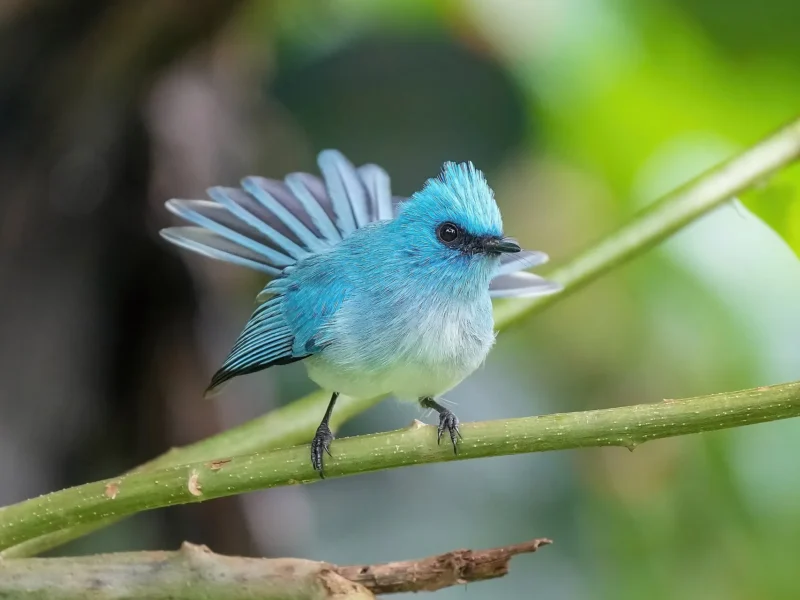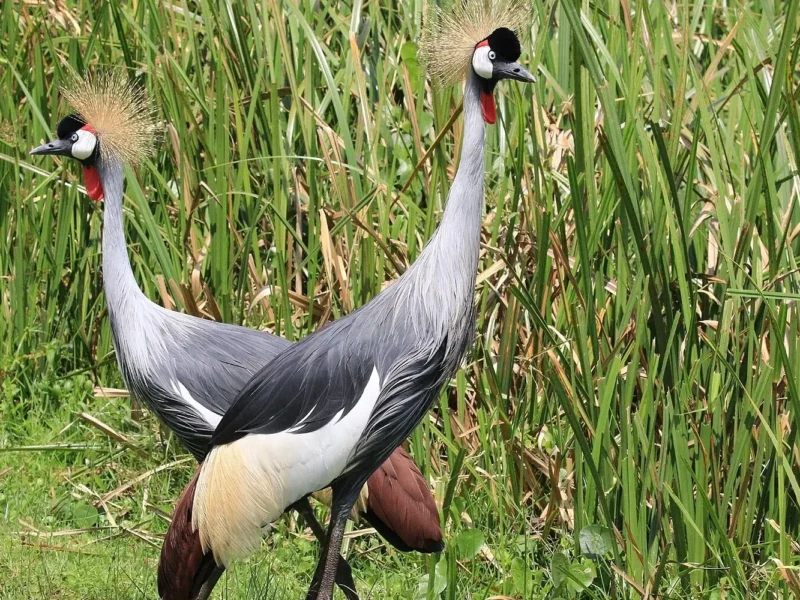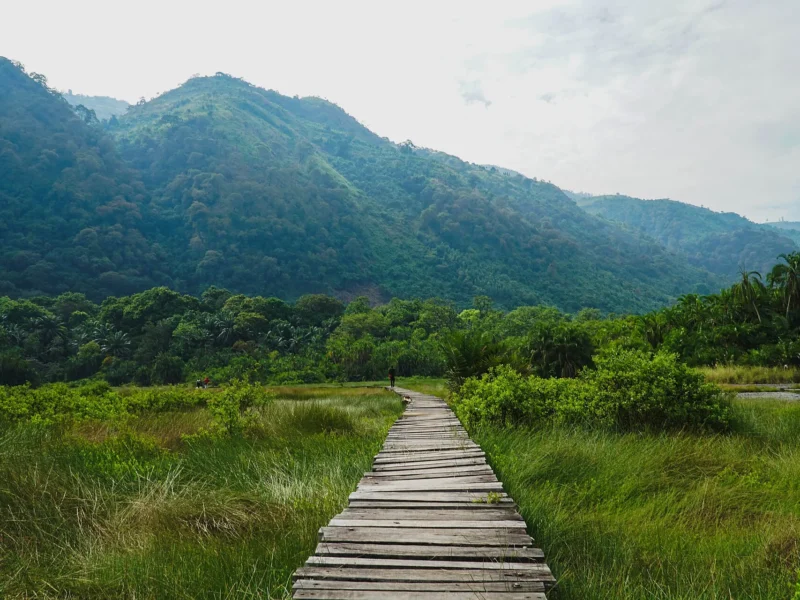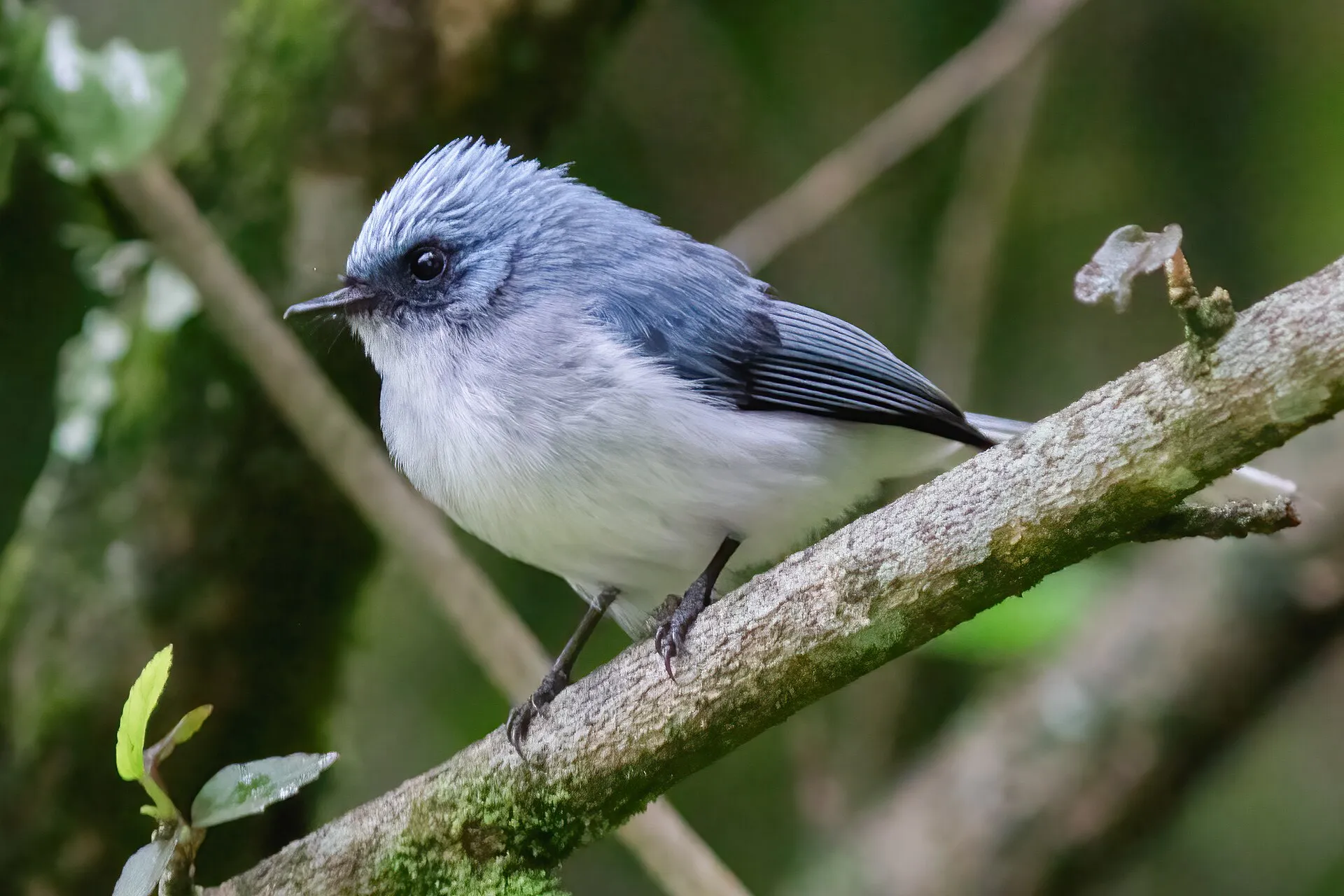
The Albertine Rift, the western arm of the Great Rift Valley, holds dozens of bird species found nowhere else. Uganda hosts more than 20, many of them in Bwindi Impenetrable National Park, including the African green broadbill, Grauer’s rush warbler, Rwenzori turaco, handsome francolin and regal sunbird. Bwindi’s Ruhija sector, Mgahinga, the Rwenzoris and Semuliki’s fringes are key sites.
Key takeaways
- The Albertine Rift is one of Africa’s richest regions for endemic birds.
- Uganda hosts more than 20 Albertine Rift endemics.
- Bwindi (especially Ruhija) is the top site.
- Targets include the African green broadbill and Grauer’s rush warbler.
- Specialist guides and early starts are key.
Birding in Uganda is at its best in the Albertine Rift, which runs along the country’s western border, a chain of mountains, highland forests, lakes and volcanoes shared with Rwanda, Burundi, Congo and Tanzania. Isolated forests at high altitude, unchanged through the ice ages, gave rise to many species found nowhere else: the Albertine Rift endemics. For birders, they are among the most prized species in Africa.
Why Uganda?
Uganda contains some of the best-protected forests of the Albertine Rift, with good access, experienced bird guides and lodges close to the trails. More than 20 Albertine Rift endemic species have been recorded in the country, many in a single park: Bwindi Impenetrable National Park.
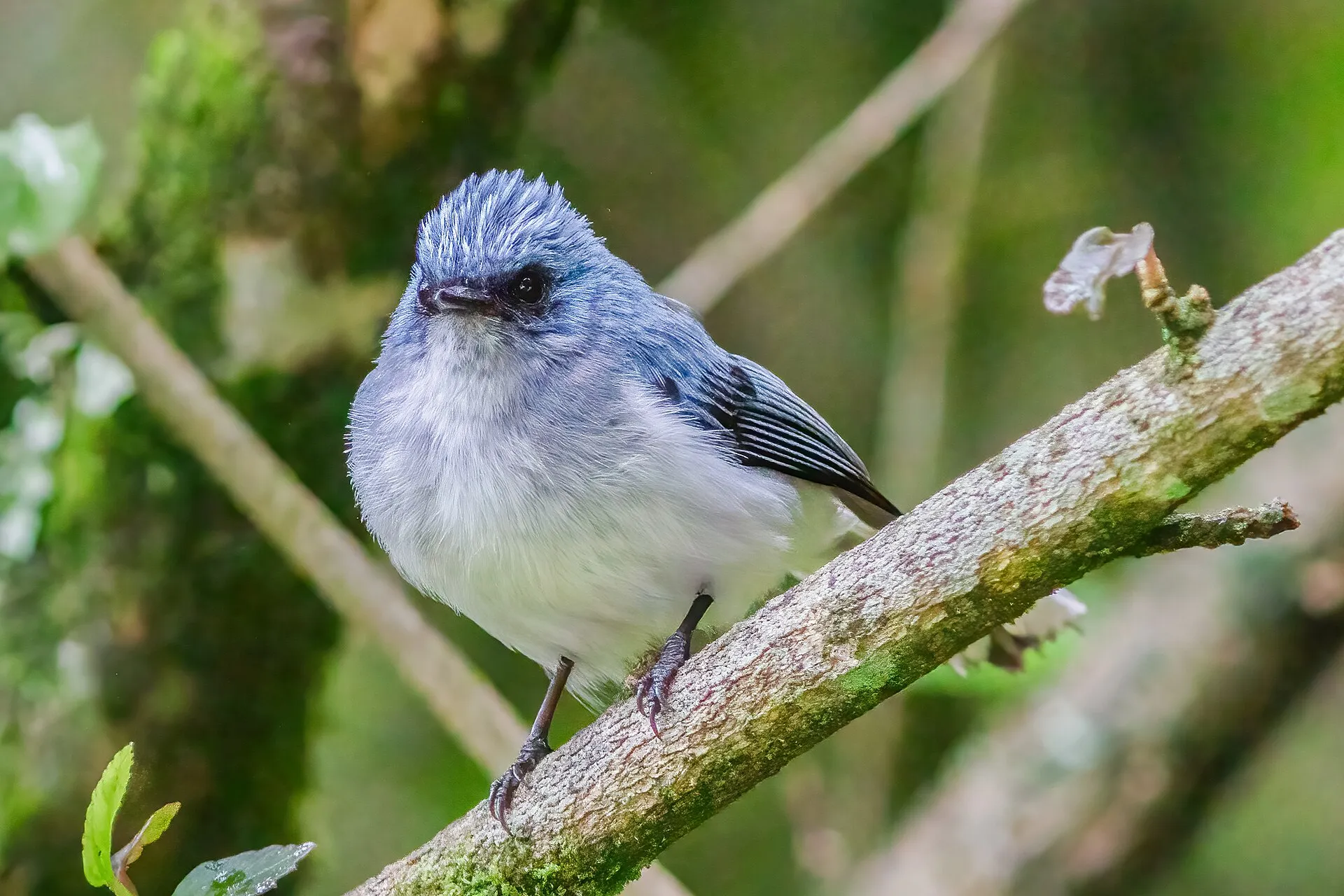
Key species to look for
| Species | Where | Notes |
|---|---|---|
| African green broadbill | Bwindi (Mubwindi Swamp) | Rare; the star target |
| Grauer’s rush warbler | Bwindi (Ruhija swamps) | Secretive, in swampy vegetation |
| Rwenzori turaco | Bwindi, Rwenzoris, Mgahinga | Spectacular colours |
| Handsome francolin | Bwindi, Mgahinga | Often heard before seen |
| Regal sunbird | Bwindi, Mgahinga | Brilliant red and yellow |
| Rwenzori batis | Bwindi | Small, active flycatcher |
| Strange weaver | Bwindi | Forest edges |
| Archer’s ground robin | Bwindi, Rwenzoris | Shy, on the forest floor |
| Dusky twinspot | Bwindi, Mgahinga | Forest edges and clearings |
| Red-faced woodland warbler | Bwindi | Mixed flocks |
Best sites
- Ruhija, Bwindi: high-altitude forest and Mubwindi Swamp, the best site for the broadbill and rush warbler. Read Albertine Rift endemics in Bwindi.
- Buhoma, Bwindi: lower forest with a different mix, including many forest specials.
- The ‘neck’ of Bwindi: roadside birding between Ruhija and Buhoma.
- Mgahinga: bamboo and montane species on the volcanoes.
- The Rwenzori Mountains: high-altitude specials such as the Rwenzori double-collared sunbird.
- Echuya Forest: near Kisoro, good for swamp and forest specials.
When to go
Birding is good year-round. The rainy seasons bring breeding activity and song, which helps locate secretive species, while the dry seasons make steep trails easier. November to April adds Palearctic migrants to the wider list.
Learn the calls before you go. Many endemics are shy and heard far more often than seen; a good guide will help you track them down by sound.
Combining with other birding
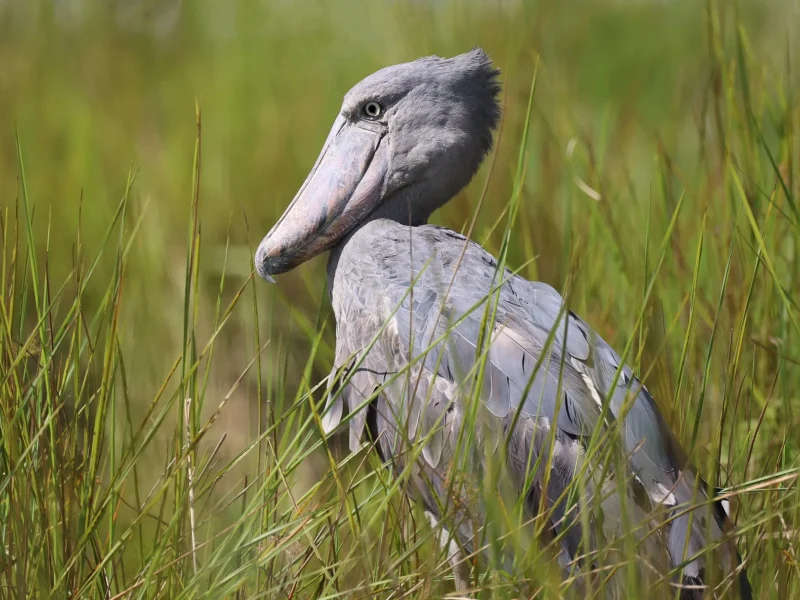
Add the shoebill at Mabamba, Kibale’s green-breasted pitta, Semuliki’s Congo-basin species and Budongo’s Royal Mile for a complete Uganda birding trip. Our 7-day and 14-day birding safaris are built around these sites. Read our birders’ travel guide.
Tips for finding endemics
- Start early: forest birds are most active in the first hours after dawn.
- Join mixed flocks: many endemics travel with flocks of greenbuls, warblers and flycatchers; when you find one, stay with it.
- Be patient at the swamp: at Mubwindi, the broadbill and rush warbler may take time to appear.
- Respect the forest: stay on trails, keep voices low and use playback sparingly.
Lodges for birders
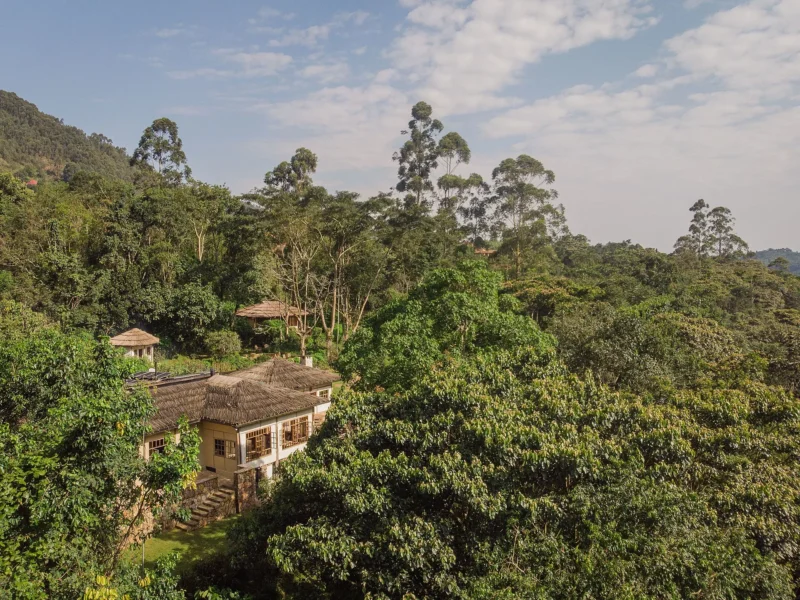
- Ruhija: Trekkers Tavern Cottages, Agandi Uganda Eco Lodge and Gorilla Mist Camp, all close to the start of the Mubwindi Swamp trail.
- Buhoma: Engagi Lodge and Ride 4 A Woman, a short walk from the waterfall trail.
- Mgahinga: Mount Gahinga Lodge and Amajambere Iwacu Community Camp, near the park gate.
Fees and guides
Birding walks in Bwindi and Mgahinga are led by Uganda Wildlife Authority guides and cost US$40 per person, plus park entry of US$40 per day. A specialist bird guide who knows the calls of the endemics makes a huge difference, and we pair birding trips with experienced birding driver-guides.
What to bring
- Binoculars with good low-light performance (8×42 or similar); forest light is dim.
- A field guide or app for East African birds, with calls downloaded for offline use.
- Waterproof boots and rain gear: the Mubwindi trail is steep and often muddy.
- A camera with a long lens, set to a high ISO for the forest.
Birding in Uganda: quick answers
How many bird species does Uganda have?
More than 1,000 species have been recorded, a remarkable number for a country of its size, thanks to its mix of rainforest, savannah, wetlands and mountains.
How many Albertine Rift endemics can I see in Bwindi?
Bwindi holds most of Uganda’s Albertine Rift endemics. With several days in Ruhija and Buhoma and a good guide, birders typically see a large share of them, although shy species are never guaranteed.
Is the Mubwindi Swamp trail hard?
The walk down is steady, but the climb back to Ruhija is long and steep. Allow a full day, with a packed lunch, and take it slowly.
Can I combine birding with gorilla trekking?
Yes. Ruhija and Buhoma both have habituated gorilla families, so a trek fits easily into a birding itinerary. It requires a gorilla permit.
Combining with primates
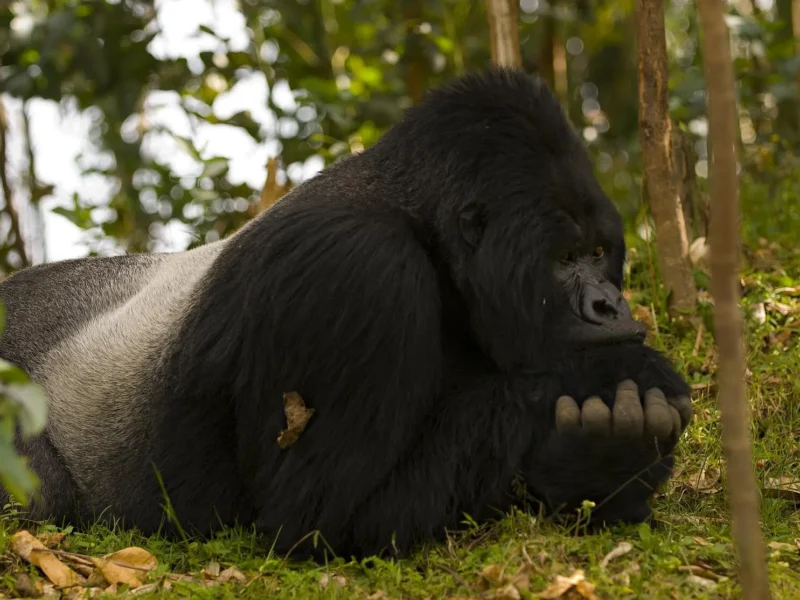
Bwindi is also home to mountain gorillas, and Ruhija has habituated gorilla families. Many birders add a gorilla trek to their trip, and non-birding partners can trek while you bird.
Frequently asked questions
What is an Albertine Rift endemic?
A species found only in the mountains and forests of the Albertine Rift, which runs through Uganda, Rwanda, Burundi, eastern Congo and western Tanzania.
Where is the best place to see them in Uganda?
Bwindi Impenetrable National Park, especially the Ruhija sector and the Mubwindi Swamp trail.
Is the African green broadbill easy to see?
No. It is rare and local; Mubwindi Swamp in Ruhija is the most reliable site, with a good guide and patience.
Do I need a specialist guide?
Strongly recommended: they know the calls, sites and behaviour of the endemics.
Can I combine birding with gorilla trekking?
Yes. Bwindi is both Uganda’s top gorilla park and its top endemic birding site.
How many endemics can I see in a week?
With a specialist guide and time in Ruhija and Buhoma, many birders see a good number of the endemics, though rarer species such as the broadbill need luck.
What binoculars should I bring?
8x42 or 10x42 binoculars are ideal for forest birding, balancing brightness and magnification in low light.
Are the trails difficult?
Some are steep, especially the descent to Mubwindi Swamp and the climb back, so moderate fitness helps.

Written by our Kampala-based planners and guides, who arrange these trips every season. Prices and rules are checked before every quote.