
+256 709 780 625 WhatsApp
Dusk 2 Dawn Explorers Co. Limited Free quote in 24 hoursPlan my safari
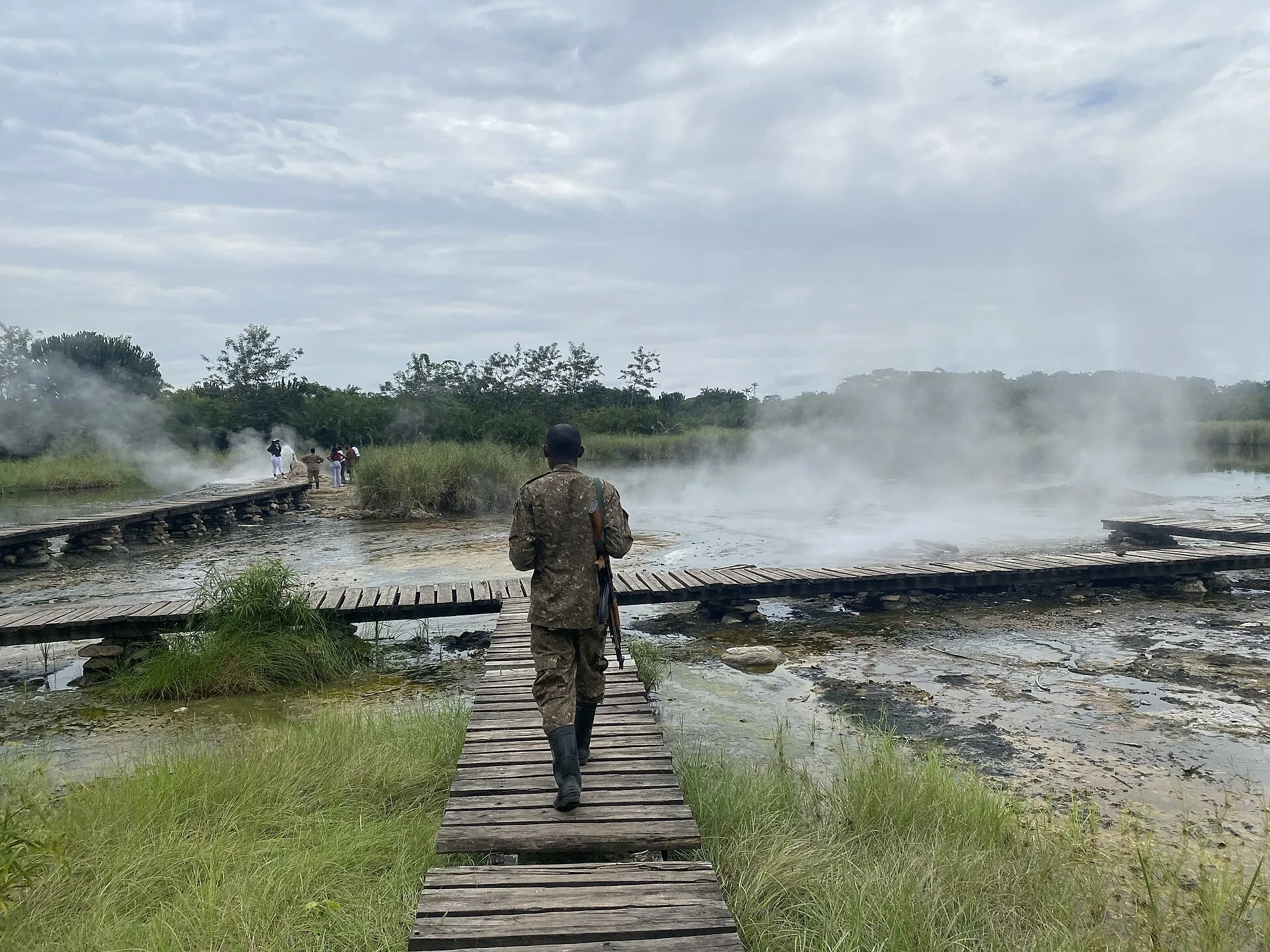
The female hot spring at Sempaya, Semuliki National Park
Uganda · Forest park

Semuliki, where Central Africa begins

A lowland forest on the floor of the Albertine Rift, more Congo than East Africa, with bubbling hot springs, rare forest birds and primates you won’t see elsewhere in Uganda.

AreaAbout 220 km²
HabitatLowland tropical forest
Birds440+ species
From Fort PortalAbout 1–1.5 hours
Overview

Why Semuliki?

Quick answer

Semuliki National Park protects about 220 km² of lowland tropical forest in western Uganda, an eastern extension of the Congo basin’s Ituri forest. It is best known for the Sempaya hot springs and for more than 440 bird species, including many Central African forest birds. It is about 1–1.5 hours from Fort Portal and is usually visited as a day trip or with one night nearby.

Semuliki National Park lies on the floor of the Albertine Rift in western Uganda, on the border with the Democratic Republic of Congo. Its forest is an eastern extension of the great Ituri forest of the Congo basin, so many of its birds, butterflies and mammals are Central African species found nowhere else in East Africa.

The park was created in 1993 from the former Bwamba forest reserve. It is small, quiet and humid, with the Semliki River winding along its western edge and the Rwenzori Mountains rising steeply to the south-east.

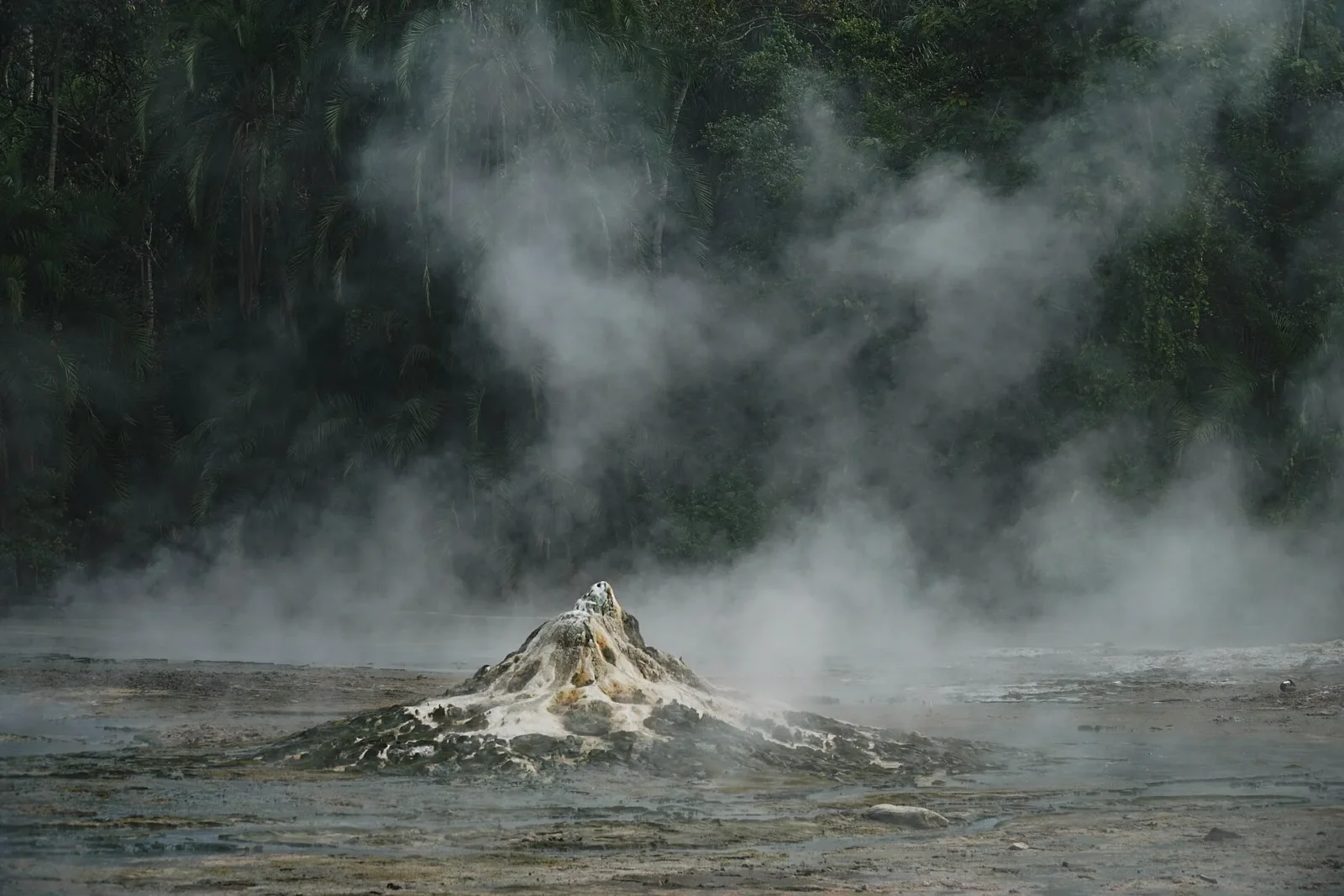
The steaming Sempaya hot spring in Semuliki National Park, Uganda
Talk to a Semuliki National Park specialistWhatsApp +256 709 780 625

The Sempaya hot springs

The hot springs at Sempaya are Semuliki’s best-known sight. A short forest trail leads to two groups of springs. The male spring, Bitente, sits in an open swamp, and the female spring, Nyasimbi, is a bubbling pool and a small geyser that throws boiling water into the air, surrounded by crusts of minerals. Local tradition links the springs with the ancestors of the Bamaga clan, and guides tell their stories as you walk.

Guide tip

Visit the springs early in the morning, when the steam is at its most dramatic against the cool forest air.
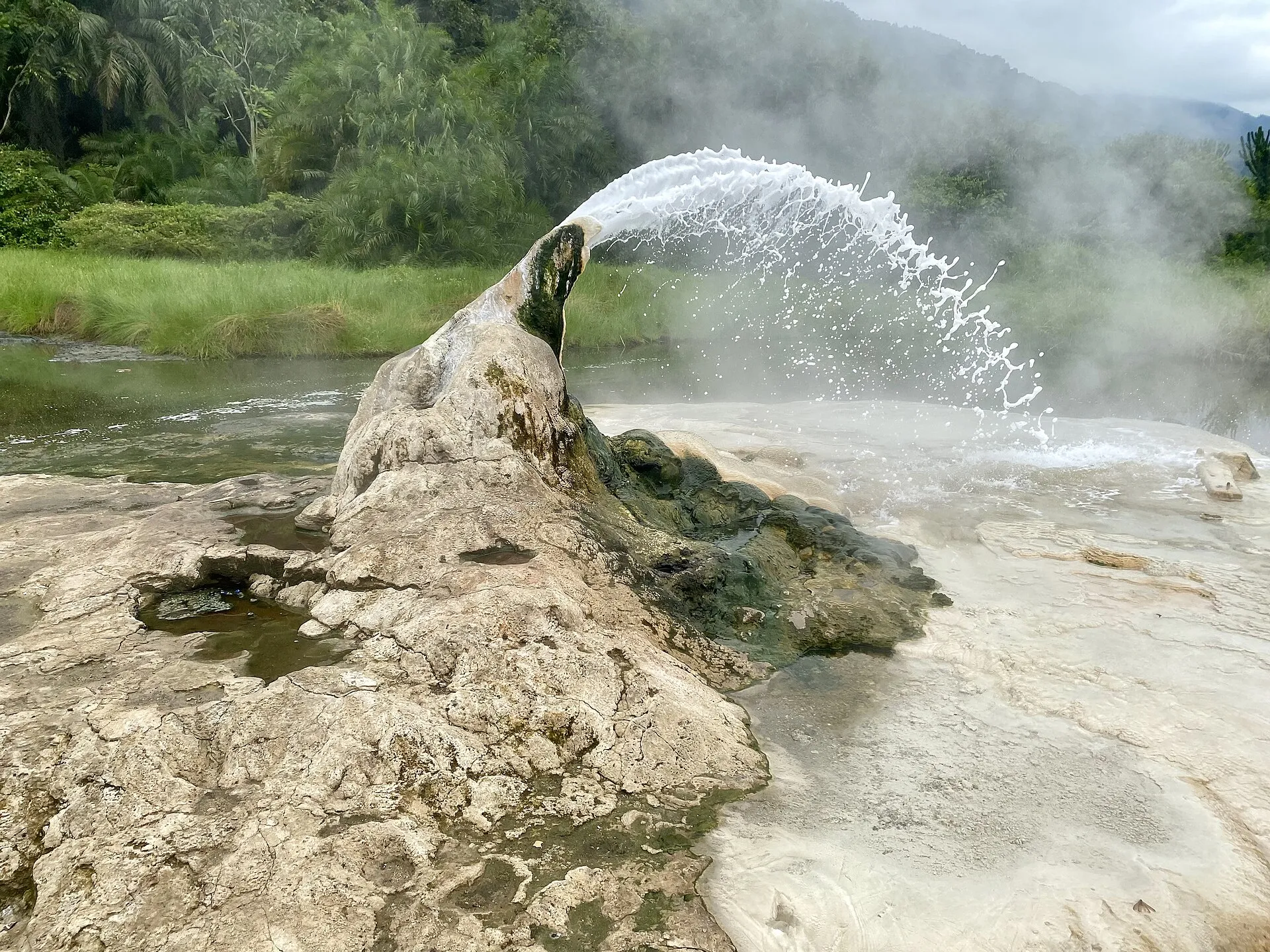
Boiling water bursts from the female hot spring, Nyasimbi
Boiling water bursts from the female hot spring, Nyasimbi. Photo: B722N (CC BY-SA 4.0)

Birding in Semuliki

Semuliki is one of Africa’s great birding destinations. More than 440 species have been recorded, a large share of them forest birds, and dozens are found nowhere else in East Africa. Hornbills are a highlight, and the Kirumia trail, which runs through the heart of the forest to the Semliki River, is the classic route for keen birders. Read Semuliki’s Congo-basin birds.

Primates and other wildlife

Primates include black-and-white colobus, red-tailed monkeys, grey-cheeked mangabeys, baboons and the rare de Brazza’s monkey. Forest elephants, forest buffalo and small antelopes such as the water chevrotain live here too, though they are shy and seldom seen. Butterflies are everywhere, especially along sunny trails.
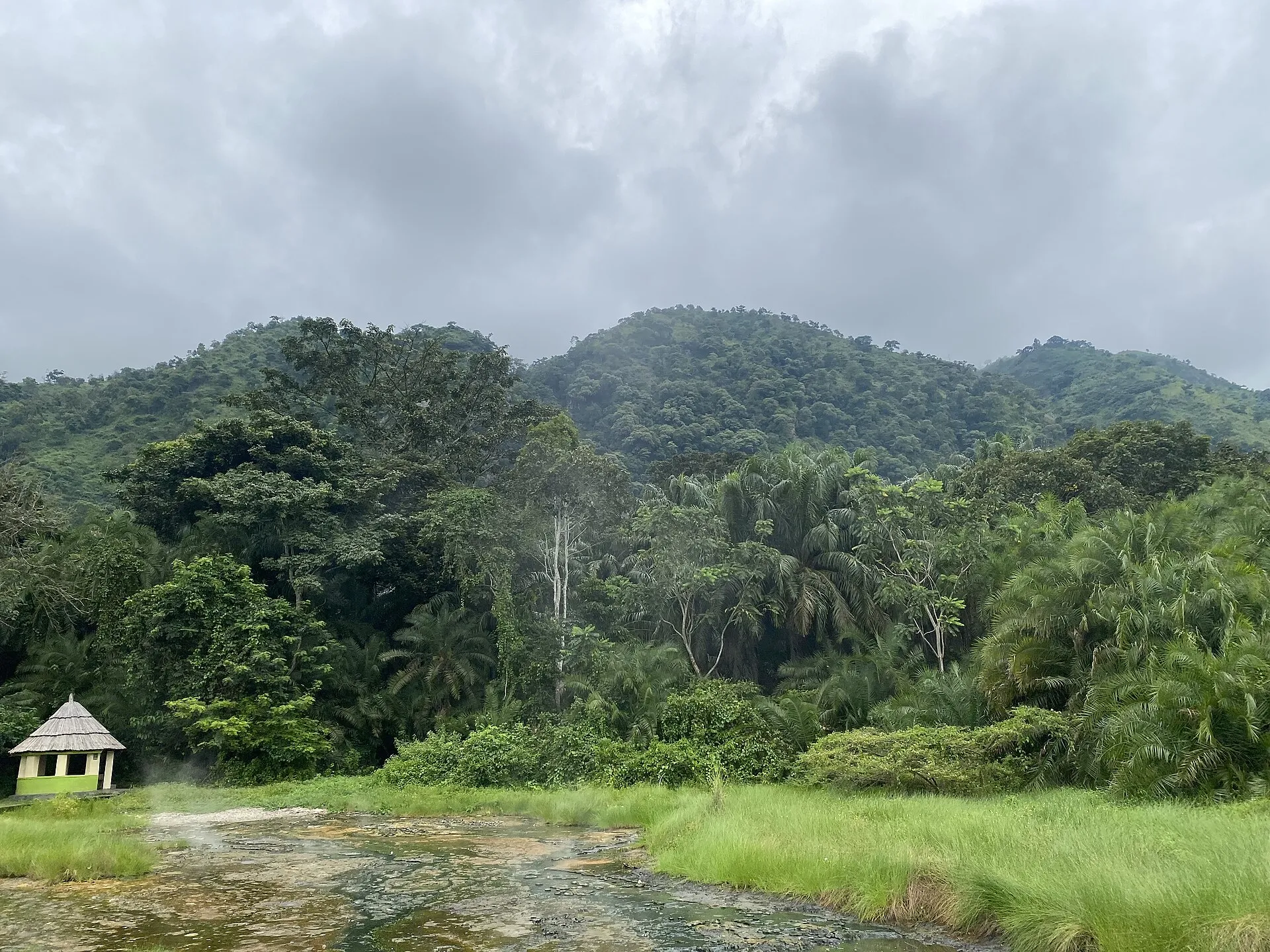
Semuliki's forested hills beside the hot springs
Semuliki's forested hills beside the hot springs. Photo: B722N (CC BY-SA 4.0)

Things to do

  • The Sempaya hot springs walk, about 1–2 hours.
  • The Kirumia trail, a full-day forest walk to the Semliki River for birders.
  • The Red Monkey trail along the eastern edge of the park.
  • Cultural visits with communities on the edge of the forest.

Combining Semuliki with your safari

Semuliki fits naturally into a western Uganda route. Spend a day here from Fort Portal, then continue to Kibale Forest National Park for chimps, or to the Rwenzori Mountains for hiking. The neighbouring Toro-Semliki Wildlife Reserve adds savannah, chimps and Lake Albert. Birders can extend our 14-day Uganda birding safari to include Semuliki.

A sample day in Semuliki

Leave Fort Portal after an early breakfast and drive over the shoulder of the Rwenzori, stopping at the viewpoints above the rift valley. Walk to the Sempaya hot springs in the cool of the morning, then follow a forest trail for birds and primates. After a picnic lunch, return to Fort Portal or continue to Toro-Semliki for the night.

What to expect

Semuliki is hot and humid on the valley floor, with frequent showers. Trails are mostly flat but can be muddy, and some sections cross streams on log bridges. Long trousers tucked into socks help against biting insects. Park entry is paid per day, and activities such as the hot springs walk are booked with Uganda Wildlife Authority rangers at the visitor centre; we include these in your quote.
Practical information

Getting to and around Semuliki National Park

Full travel essentials
From Fort PortalAbout 1–1.5 hours by road over the northern Rwenzori foothills, with views over the rift valley as you descend.
From KampalaAbout 6–7 hours by road via Fort Portal; most travellers break the journey in Fort Portal.
Combine withKibale chimps, the Fort Portal crater lakes and Toro-Semliki Wildlife Reserve.
What to bringWaterproof boots, a light rain jacket, insect repellent and binoculars.
When to go

The best time to visit Semuliki National Park

Semuliki is wet for much of the year, and trails can be muddy at any time. The drier months, December to February and June to August, are the most comfortable for walking and the best for birding, when trails are firmer and the birds easier to find.

PeakGoodGreen / wet season
Journeys

Semuliki National Park itineraries

Use these as a starting point. Every trip is private and adjusted to your dates, budget and pace.

All holidays
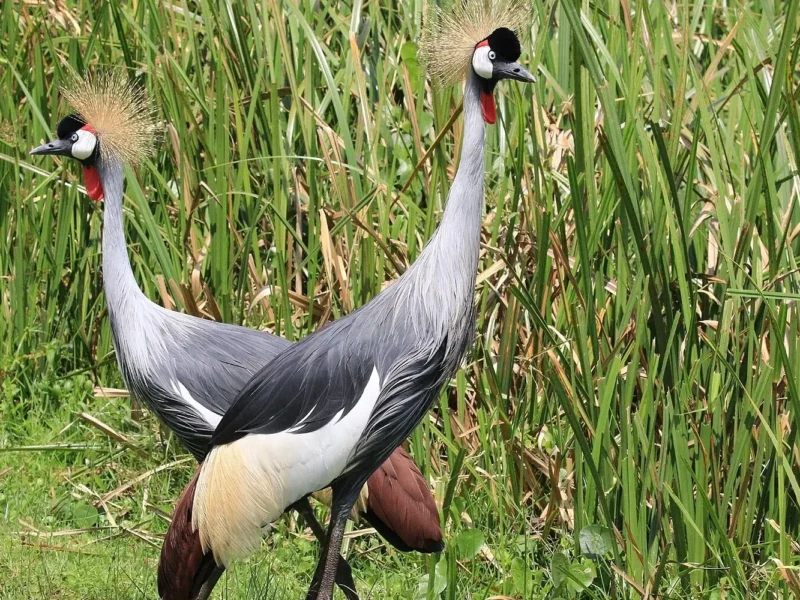
A pair of grey crowned cranes, Uganda's national bird, in tall grass Birding 14 days
Uganda · Birding

14-Day Uganda Birding Safari

Uganda’s classic birding circuit in two weeks: from the shoebill at Mabamba to Albertine Rift endemics in Bwindi, Congo-basin species in Semuliki and the famous Royal Mile in Budongo Forest.

  • Birding
  • Shoebill
  • Endemics
  • Primates
Tailor-madePrice on request
See the plan →
Where you’ll stay

Lodges in Semuliki National Park

All lodges
Pool and thatched main lodge at Semliki Safari Lodge Luxury
Semuliki Valley and Toro-Semliki Wildlife Reserve, Uganda

Semliki Safari Lodge

An intimate tented lodge in the Toro-Semliki Wildlife Reserve, between the Rwenzori foothills and Lake Albert, with only a handful of luxury tents.

Semuliki Valley · Luxury
Good to know

Semuliki National Park safari questions

Is Semuliki worth visiting?

Yes, especially for birders and anyone interested in forests. The hot springs are a highlight for every visitor, and the park feels very different from the rest of Uganda.

Can I boil an egg in the hot springs?

Guides often boil eggs in the female spring, where the water is close to boiling. Keep to the paths and boardwalks, as the ground is hot and fragile.

How long should I spend in Semuliki?

A day trip from Fort Portal covers the hot springs and a forest walk. Birders should allow two days or more.

What primates live in Semuliki?

Several, including black-and-white colobus, red-tailed monkeys, grey-cheeked mangabeys and de Brazza’s monkeys, a Central African species rarely seen elsewhere in Uganda.

Where should I stay?

Most visitors stay in Fort Portal or at Semliki Safari Lodge in the neighbouring wildlife reserve.

Tailor-made, from dusk to dawn

Plan your Semuliki National Park safari

Tell us your dates and interests and a specialist will send a tailor-made itinerary with a clear price within 24 hours.

Get my safari price WhatsApp a specialistNo booking fee · Reply within 24 hours